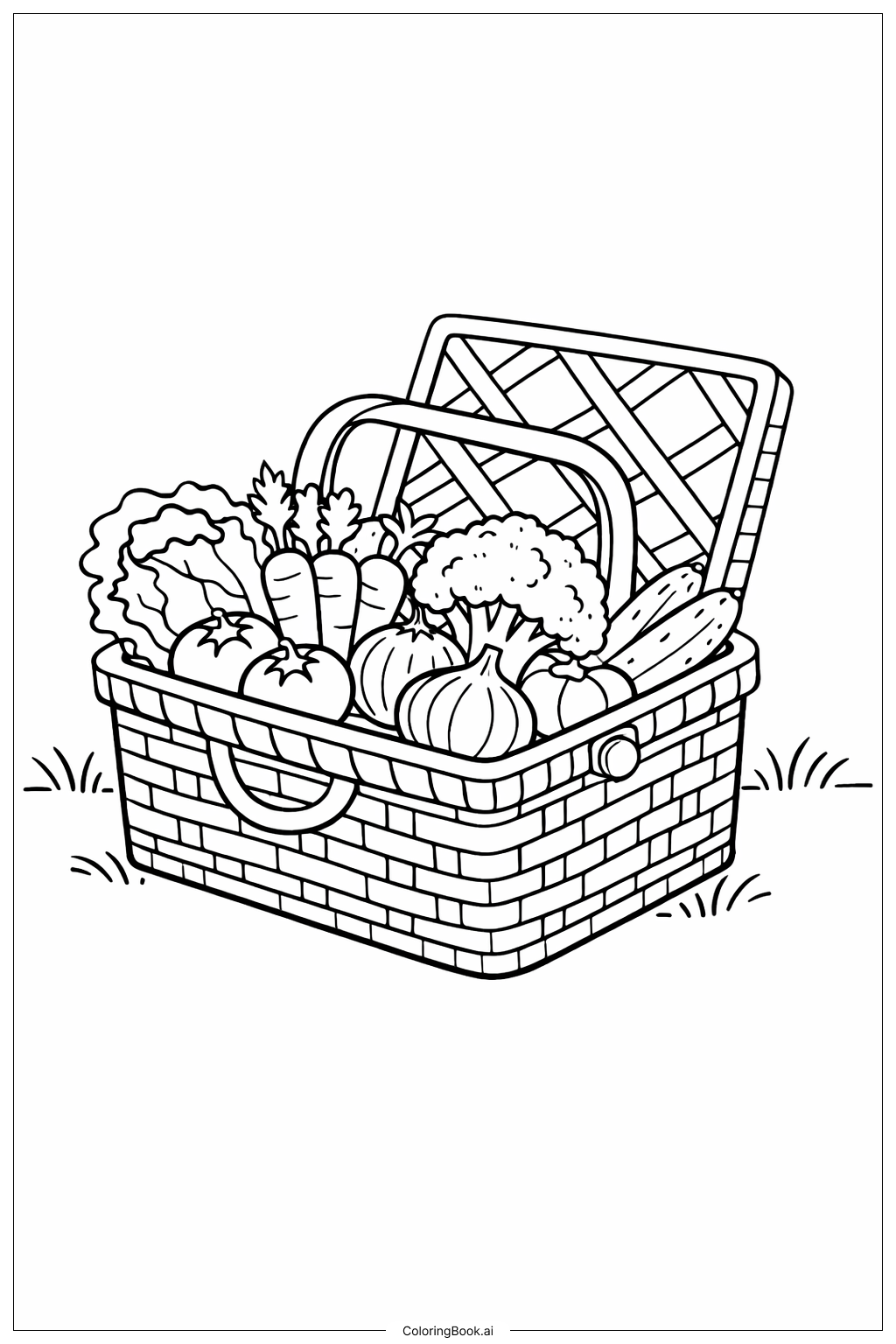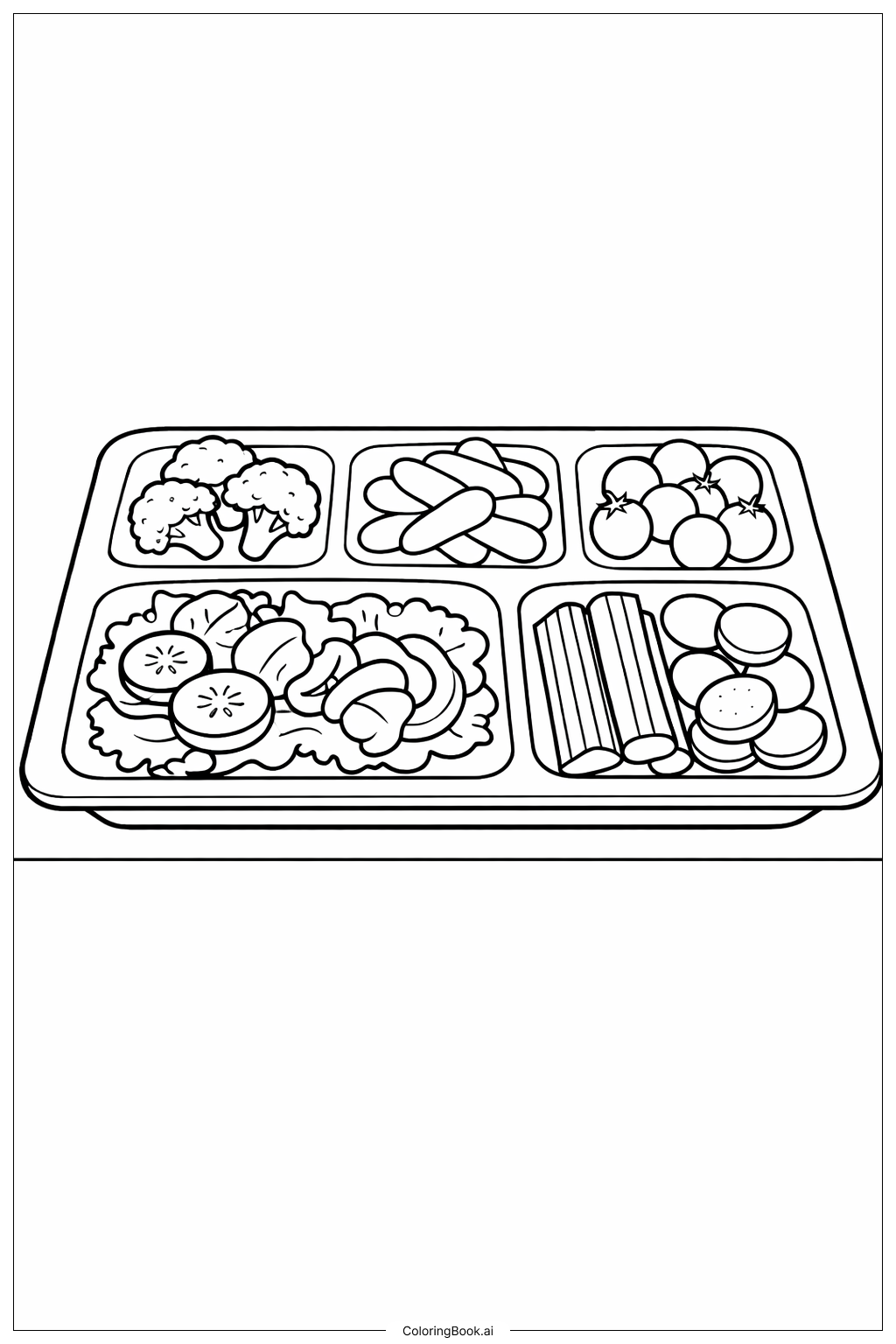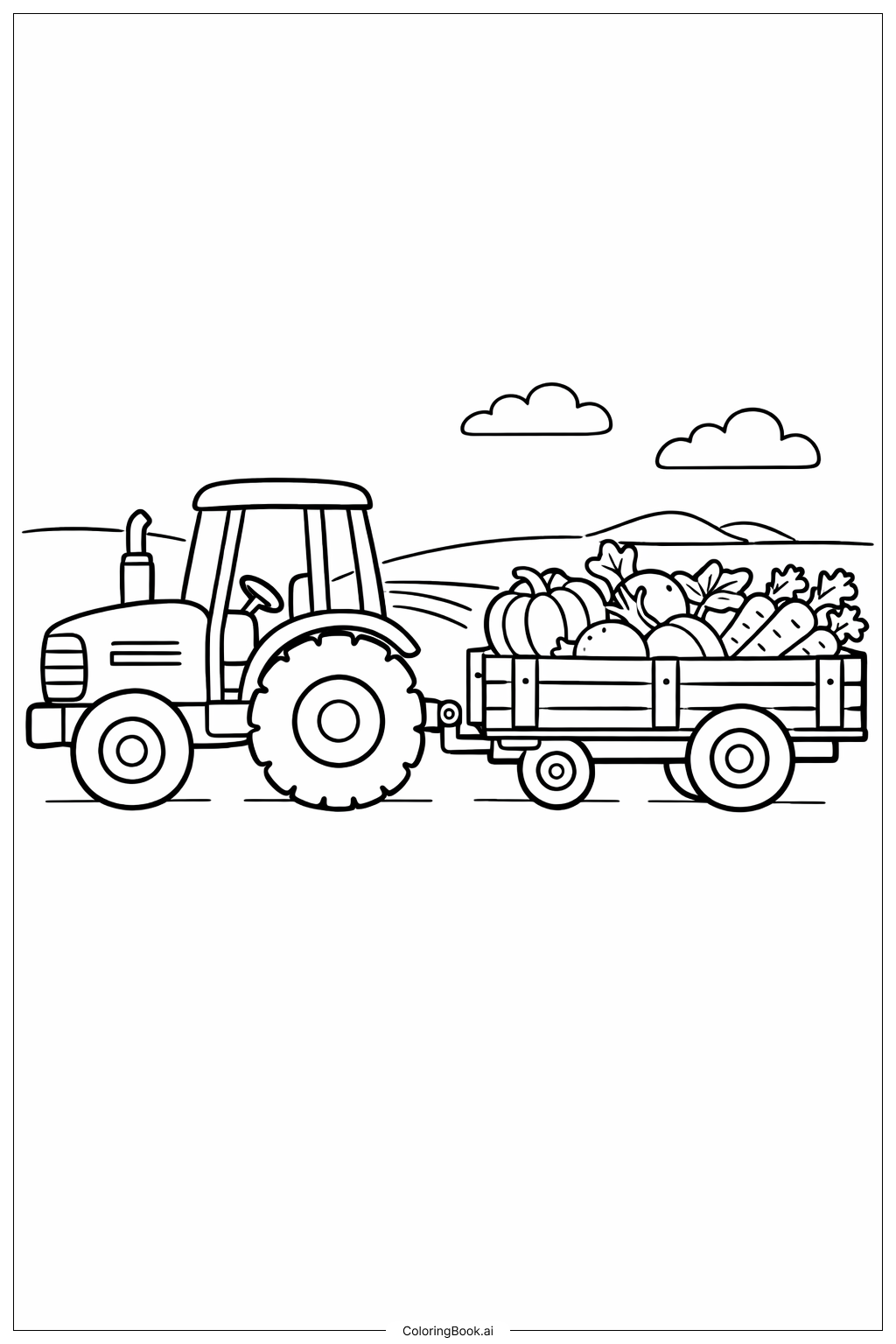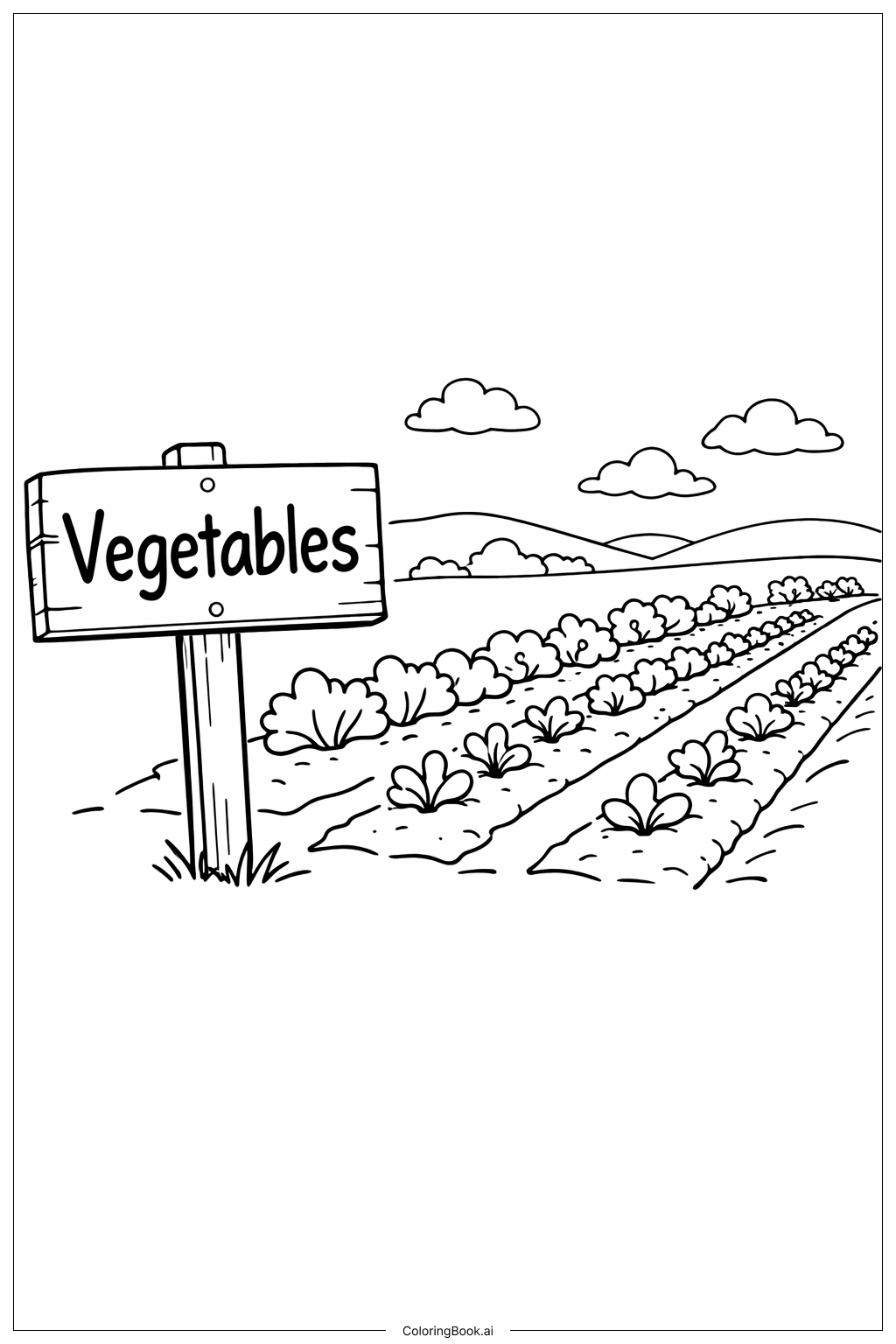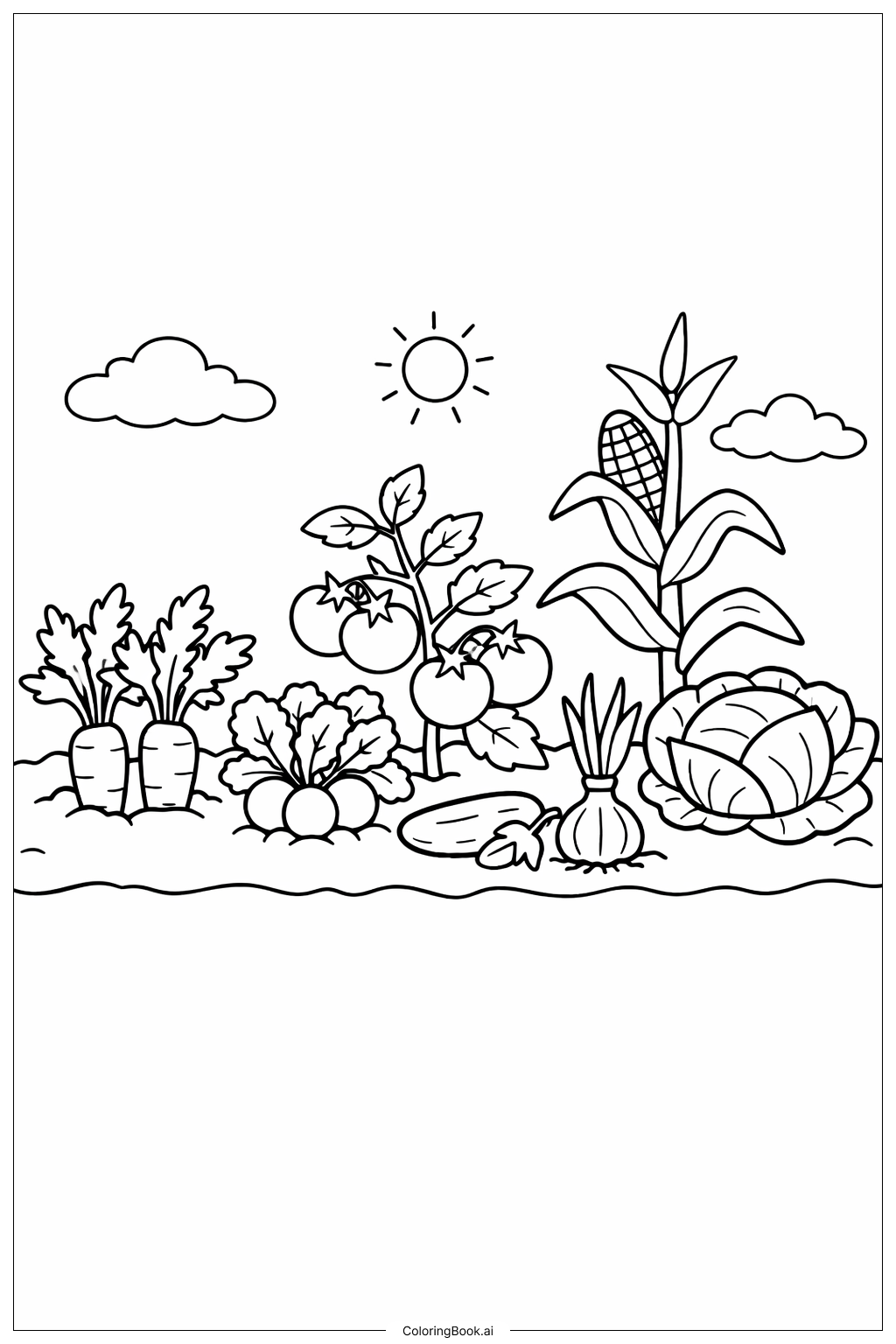
Coloring tips: How to color Vegetables Garden Patch coloring page well?
Start with the background sky using a soft light blue, then color the sun bright yellow with orange edges. Use rich brown and dark tan shades for the soil and wooden fence. For the vegetables, go bold and realistic: red for tomatoes and bell peppers, orange for carrots and pumpkins, yellow for corn, and deep green for cabbages, bean vines, and leafy tops. Use two or three shades of each color to add depth — a darker tone for shadows and a lighter one for highlights. The trellises can be painted in warm wood brown. Encourage kids to mix colors freely and make the garden their own. There are no wrong choices here!
Coloring challenges: Which parts are difficult to color and need attention for Vegetables Garden Patch coloring page?
• Tiny Leaf Details: The garden patch includes many small, overlapping leaves on plants like cabbages, carrot tops, and bean vines. Coloring these neatly without going over the lines requires patience and a fine-tipped coloring tool. Young colorists may find it helpful to use a thin marker or a sharpened colored pencil for these areas.
• Overlapping Vegetables and Vines: Several vegetables are layered in front of each other, such as tomatoes hanging over leaves or pumpkins resting among stalks. Deciding which color goes where and keeping each section separate can be tricky. It helps to color the background elements first and then work toward the front.
• Soil and Ground Texture: The garden soil has a rough, textured look with small clumps and lines. Filling this area evenly while keeping a natural earthy feel can be challenging. Using short, light strokes with brown and tan shades can help create a realistic ground texture.
• Fence and Trellis Lines: The wooden fence and climbing trellises have narrow slats and crisscrossing lines. Staying inside these thin sections without smudging nearby colors is a common challenge. A fine-point tool and slow, careful coloring work best here.
• Color Variety and Balance: With so many different vegetables packed into one scene, choosing colors that look good together without making the page feel too busy is a real creative challenge. Planning your color choices before starting can help the whole garden look bright and balanced.
Benefits of coloring books: Advantages of drawing Vegetables Garden Patch coloring page
Coloring this Vegetables Garden Patch page offers wonderful benefits for children and families alike. It teaches kids about different vegetables and where food comes from, sparking curiosity about nature and healthy eating. As they choose colors for tomatoes, carrots, and corn, children naturally learn to connect colors with real-world objects, building early science knowledge in a fun way.
The detailed layout of the garden encourages focus and patience, helping kids develop fine motor skills as they color within lines and manage small details. Working through a complex scene also builds confidence — finishing a full garden feels like a real achievement.
For older children, the page offers a chance to explore shading, color mixing, and artistic decision-making, nurturing creativity and personal expression. The variety of shapes and textures makes it an engaging challenge that holds attention longer than a simple image.
Coloring together as a family creates a calm, screen-free activity that sparks conversation about gardens, food, and nature. It is a relaxing, mindful experience that reduces stress for both kids and Adults. Most of all, it is simply a joyful and colorful way to spend time creating something beautiful.