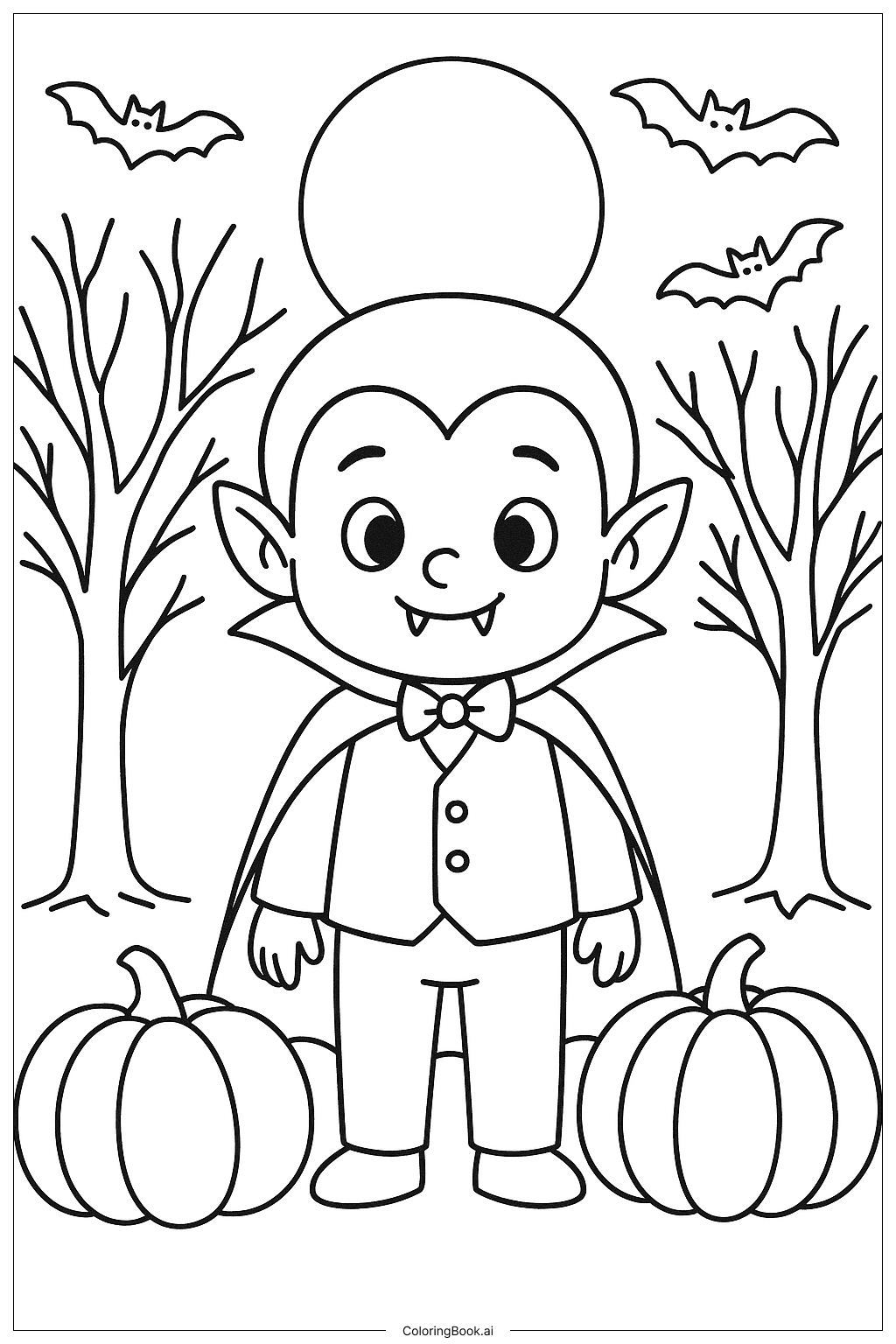
Coloring tips: How to color A Vampire In A Spooky Forest coloring page well?
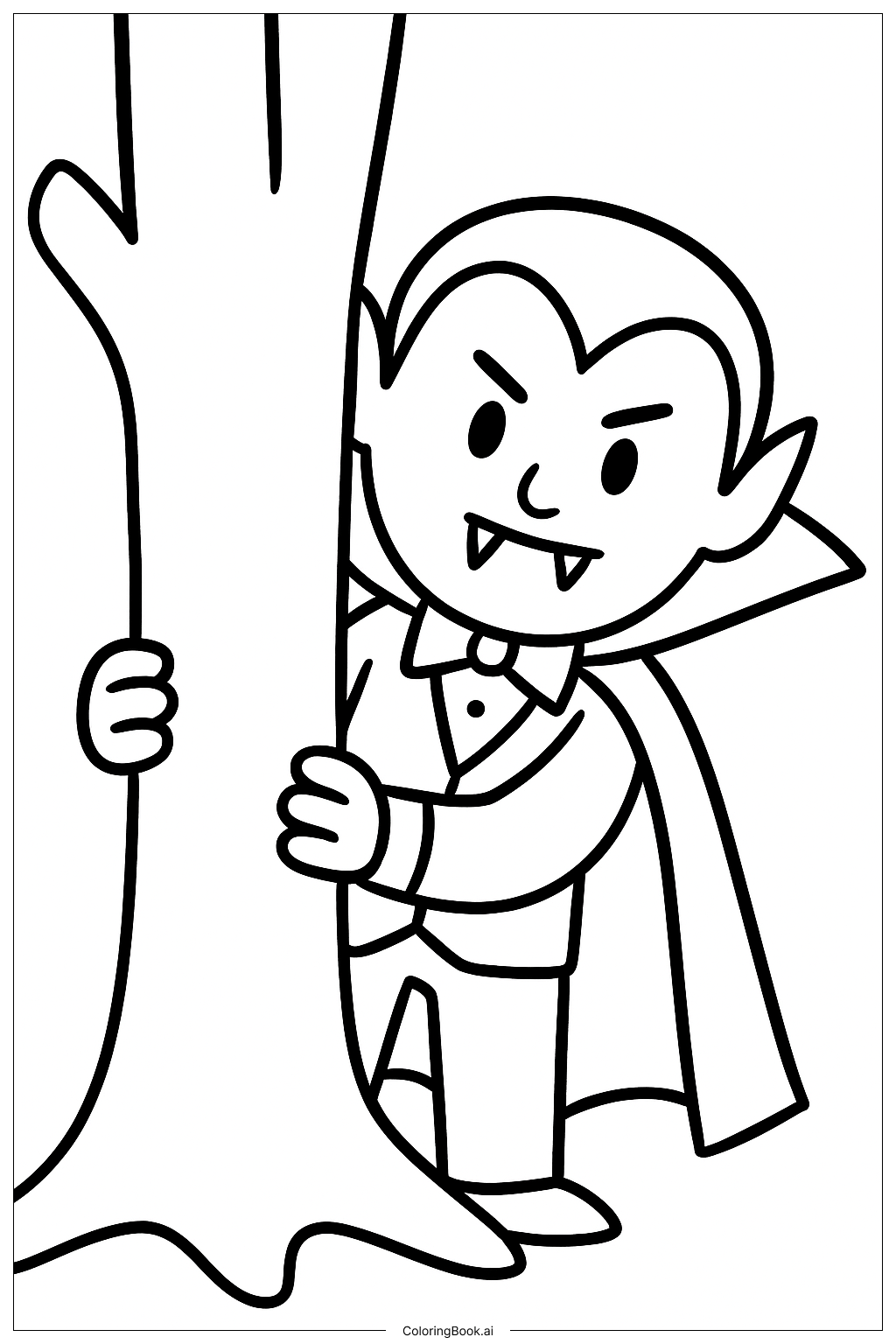
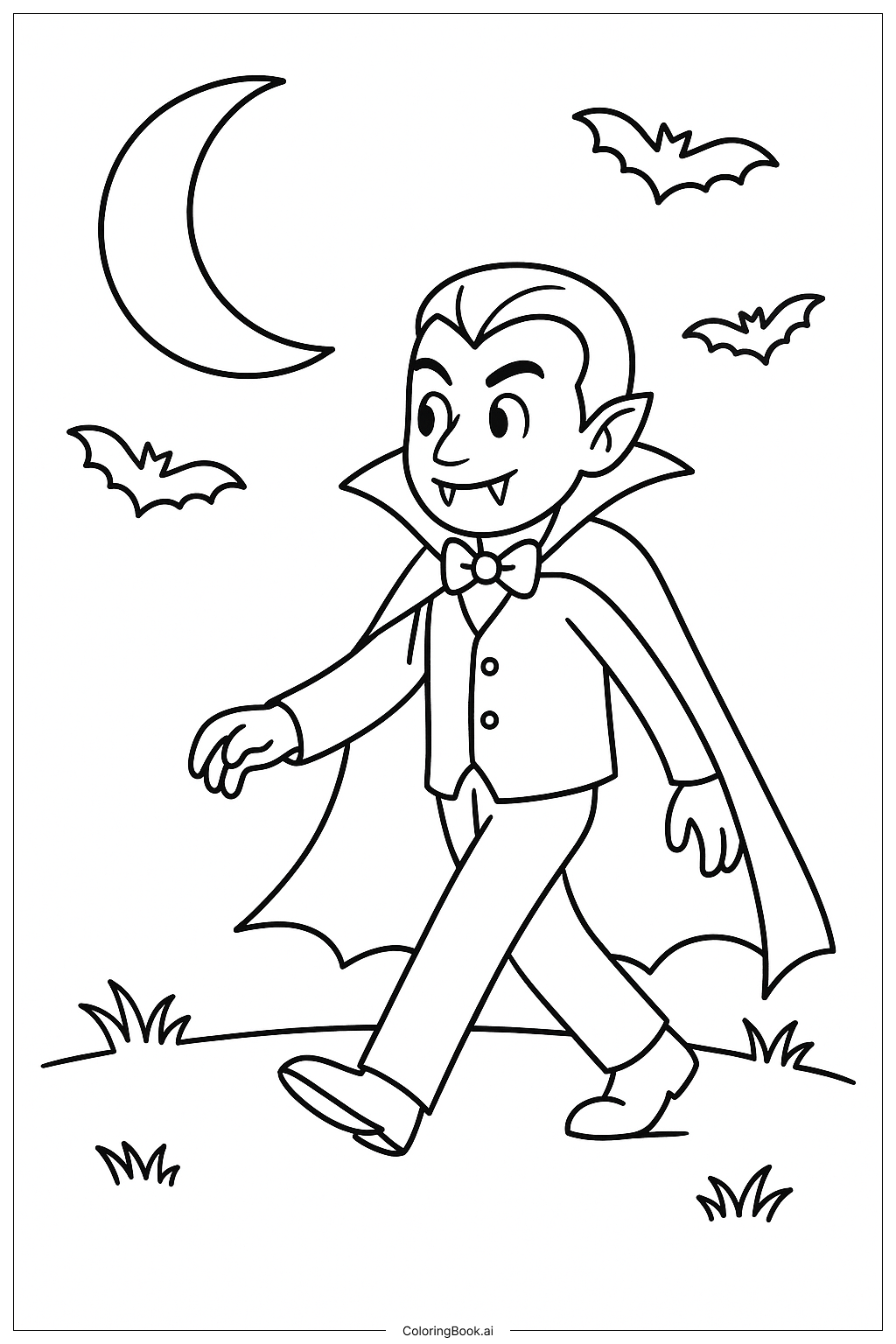
Start with the vampire's cape. Use deep black or dark purple to give it a rich, mysterious look. Add a dark red or crimson lining inside the cape for a dramatic touch. Color his skin pale gray or light blue to make him look cold and ghostly. Use dark red for any blood accents near his fangs. For his formal outfit, dark navy or charcoal gray works well. The forest trees should be dark brown or black with hints of gray. Color the moon a soft yellow or pale white. Add a pale blue or silver glow around it. Use dark blue and purple tones for the night sky. Make the bats dark gray or black. The fog on the ground can be light gray or white with soft blue edges. Try using darker shades in the background and lighter shades near the vampire to make him stand out as the centerpiece of the scene.
Coloring challenges: Which parts are difficult to color and need attention for A Vampire In A Spooky Forest coloring page?
Coloring this image comes with several fun but tricky challenges. Here is what to watch out for:
• Cape and Clothing Details: The vampire's long cape has folds, creases, and layers that require careful shading. You need to use lighter and darker tones of the same color to show depth and movement in the fabric. Without shading, the cape can look flat and lifeless.
• Facial Features and Expression: The vampire's face has sharp, detailed features including fangs, a stern brow, and sunken eyes. These small areas are hard to color neatly, especially around the mouth and eyes. A fine-tipped tool works best here to stay within the lines.
• Twisted Tree Bark: The gnarled trees in the background have rough, uneven textures with lots of knots and curves. Coloring each tree with varied brown and gray tones while keeping the texture visible takes patience and a steady hand.
• Night Sky and Moonlight: Creating a believable night sky with a glowing moon requires blending. You need to gradually shift from deep dark blue or purple near the edges to a lighter, softer glow around the moon. This gradient effect can be difficult without the right tools or technique.
• Atmospheric Fog and Depth: The fog creeping along the forest floor must look soft and layered. Using white or light gray smoothly so it fades into the darker ground without harsh edges is a challenge, especially for younger colorists who are still learning blending skills.
Benefits of coloring books: Advantages of drawing A Vampire In A Spooky Forest coloring page
Coloring this vampire forest scene offers many wonderful benefits for kids and beginners alike. First, it helps build focus and concentration. The detailed cape, tiny facial features, and tangled tree branches all require steady attention, which trains the brain to stay on task. Second, it develops fine motor skills. Carefully coloring small areas like the vampire's fangs or the bat wings strengthens hand control and improves pencil grip, skills that are useful in school and everyday life. Third, it encourages creative thinking. There is no single right way to color this scene. Kids can choose their own color combinations, making each finished page truly unique and personal. Fourth, it introduces color theory in a fun, hands-on way. Experimenting with dark and light shades, blending night sky tones, and creating glowing moonlight effects teaches basic art concepts without any pressure. Fifth, working through this spooky image builds confidence. Finishing a complex, detailed scene gives a strong sense of accomplishment. It shows kids that with patience and effort, they can create something they are proud of. Overall, this coloring page is a great mix of fun, creativity, and learning.