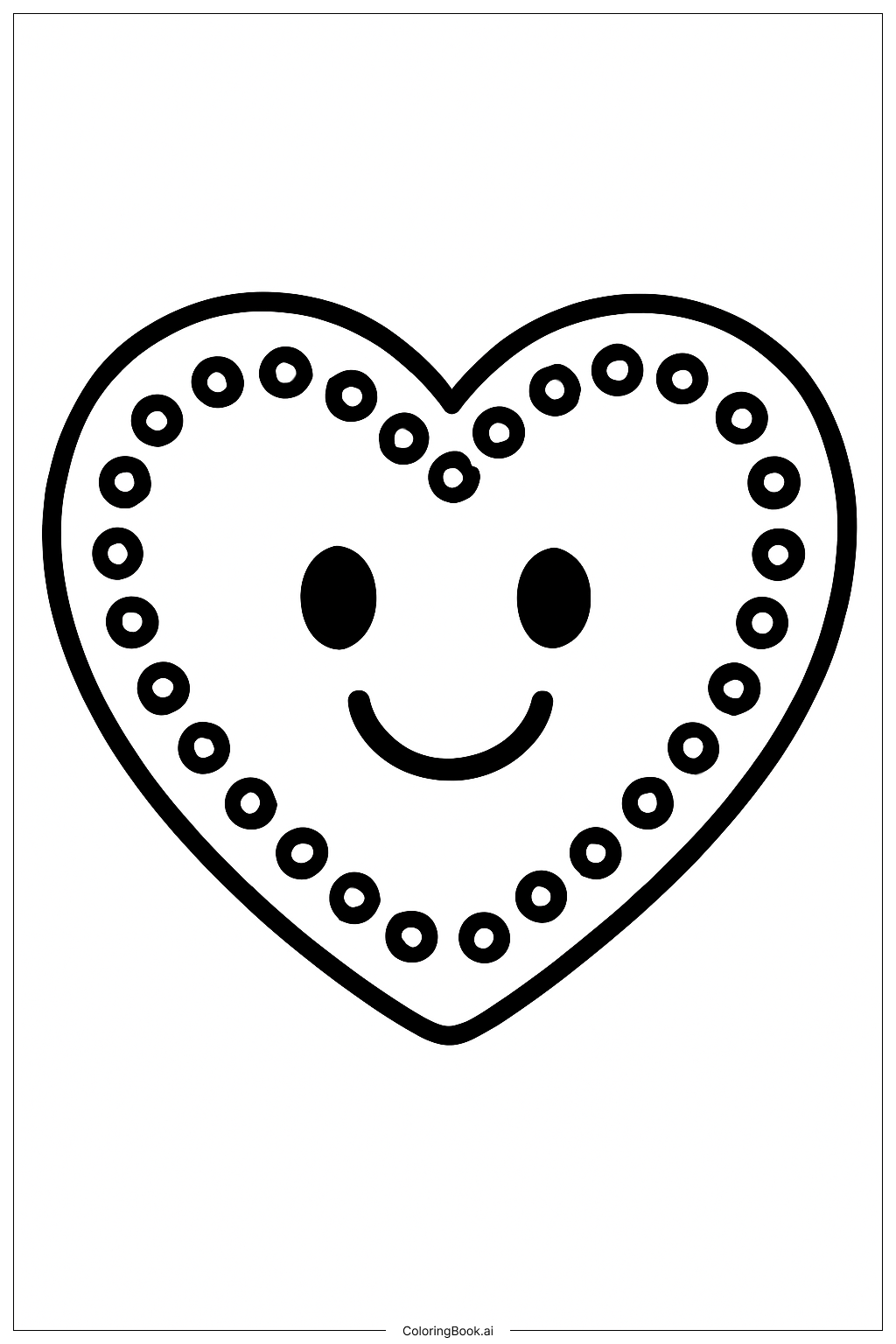
Coloring tips: How to color Valentine's Day Heart Cookie coloring page well?
Start by coloring the base of the cookie in a warm, golden-brown tone to make it look freshly baked and delicious. For the icing, use classic Valentine's Day colors like red, pink, and white. Try light pink for the main icing layer and bright red for the smaller heart accents. Use a white gel pen or leave white spaces to give the icing a shiny, glossy look. Gold or yellow can highlight the ribbon or bow to make it pop. For the swirls and dot details, try deep rose or magenta to add contrast and depth. Use fine-tipped markers or colored pencils to fill in the tiny details neatly. Blending soft shades of pink and red together in the larger areas creates a beautiful gradient effect. Do not be afraid to mix warm and cool tones to make the cookie look extra festive and full of Valentine's Day charm.
Coloring challenges: Which parts are difficult to color and need attention for Valentine's Day Heart Cookie coloring page?
• Cookie Base Shading: Getting the cookie base to look realistically baked can be tricky. You need to blend golden-yellow and warm brown tones smoothly to create a natural gradient. Too much of one color can make it look flat or unappetizing, so practice light layering to build up the right shade gradually.
• Tiny Heart Accents: The small heart shapes scattered across the cookie require careful attention. Filling them in neatly without going outside the lines takes patience and a fine-tipped tool. Using a sharp colored pencil or a thin marker will help keep edges clean and crisp.
• Icing Swirl Patterns: The swirling icing lines are closely spaced and need to be colored carefully to avoid muddy results. Choosing colors that are close in tone but slightly different, such as light pink next to soft rose, helps each swirl stand out without clashing.
• Ribbon or Bow Detail: The bow or ribbon element has multiple overlapping sections. Each section needs a slightly different shade to show depth and dimension. Coloring the overlapping parts with a darker tone helps separate them visually and makes the bow look three-dimensional.
• Overall Color Harmony: Keeping the whole image looking balanced is a challenge. With so many small elements, it is easy for the design to feel busy or uneven. Planning your full color palette before you start, and repeating colors across the cookie, will tie everything together and give the finished piece a polished, cohesive look.
Benefits of coloring books: Advantages of drawing Valentine's Day Heart Cookie coloring page
Coloring this Valentine's Day Heart Cookie page offers a wonderful range of benefits for kids and beginners alike. The mix of large open spaces and small detailed areas makes it a great exercise in both free expression and careful, focused work.
Filling in the cookie base and icing zones helps children practice staying within lines, which strengthens hand control and fine motor skills. Working with small details like the hearts and swirls builds focus and patience in a fun, low-pressure way.
Choosing colors for the icing, bow, and accents encourages creative thinking and helps develop an early sense of color harmony and design. Kids learn to match and contrast colors as they decide what looks best together.
The Valentine's Day theme makes the activity emotionally meaningful. Children can feel proud creating something connected to love and celebration, which boosts confidence and a sense of accomplishment. Finishing a detailed image like this gives a real sense of pride.
Coloring is also a calming activity. The repetitive, gentle motions of coloring can reduce stress and help children settle into a focused, peaceful state. It is a great quiet-time activity that supports emotional wellbeing while still being genuinely fun and rewarding for all ages.