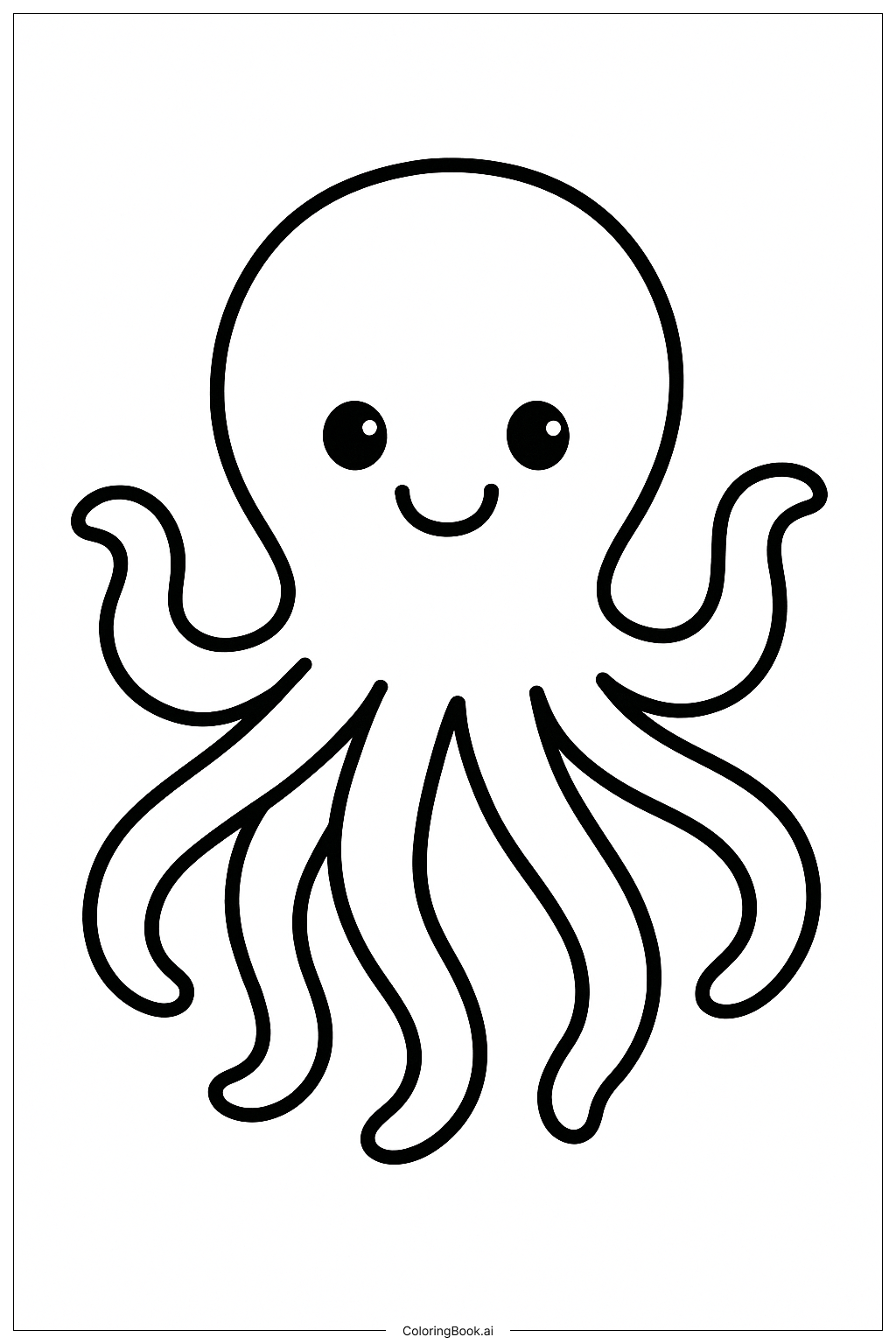
Coloring tips: How to color Playful Octopus Under The Sea coloring page well?
For this playful octopus, try using bright and cheerful colors. You can color the octopus in shades of purple, orange, or red to make it stand out. The seaweed and coral can be green, pink, or even blue to add variety. Use different blues and aquas for the water to create a calming background. Don’t forget to add sparkling colors to the shells and starfish on the ocean floor. You can also use shiny or glittery crayons to make the bubbles look magical. Remember, the ocean is full of colors—feel free to mix and match to bring this underwater world alive.
Coloring challenges: Which parts are difficult to color and need attention for Playful Octopus Under The Sea coloring page?
• Curved Tentacles: The octopus’s arms twist and overlap in many places, which can be tricky to color neatly without going over the lines.
• Small Details: There are tiny bubbles and small sea creatures near the octopus that require careful coloring to make them distinct and clear.
• Texture Variation: Seaweed, coral, and shells all have different textures that may be challenging to represent with just crayons or markers.
• Balancing Color: Choosing colors that stand out but still look natural underwater can be difficult. Too many bright colors may clash, while too few can seem dull.
• Keeping within the Lines: Younger children may find it challenging to stay inside the smaller shapes like the starfish and bubbles, requiring patience and control.
Benefits of coloring books: Advantages of drawing Playful Octopus Under The Sea coloring page
Coloring this image helps children develop fine motor skills by practicing careful and controlled coloring around curves and small details. It encourages creativity as they decide what colors to use to bring an underwater world to life. The playful octopus and ocean creatures inspire imagination and storytelling, enriching cognitive development. Working on this page can also improve focus and patience, as the detailed tentacles and textures require thoughtful attention. Finally, coloring underwater scenes can be calming and promote relaxation while connecting children to nature and marine life.