Coloring tips: How to color A Simple Seashell Under The Sea coloring page well?
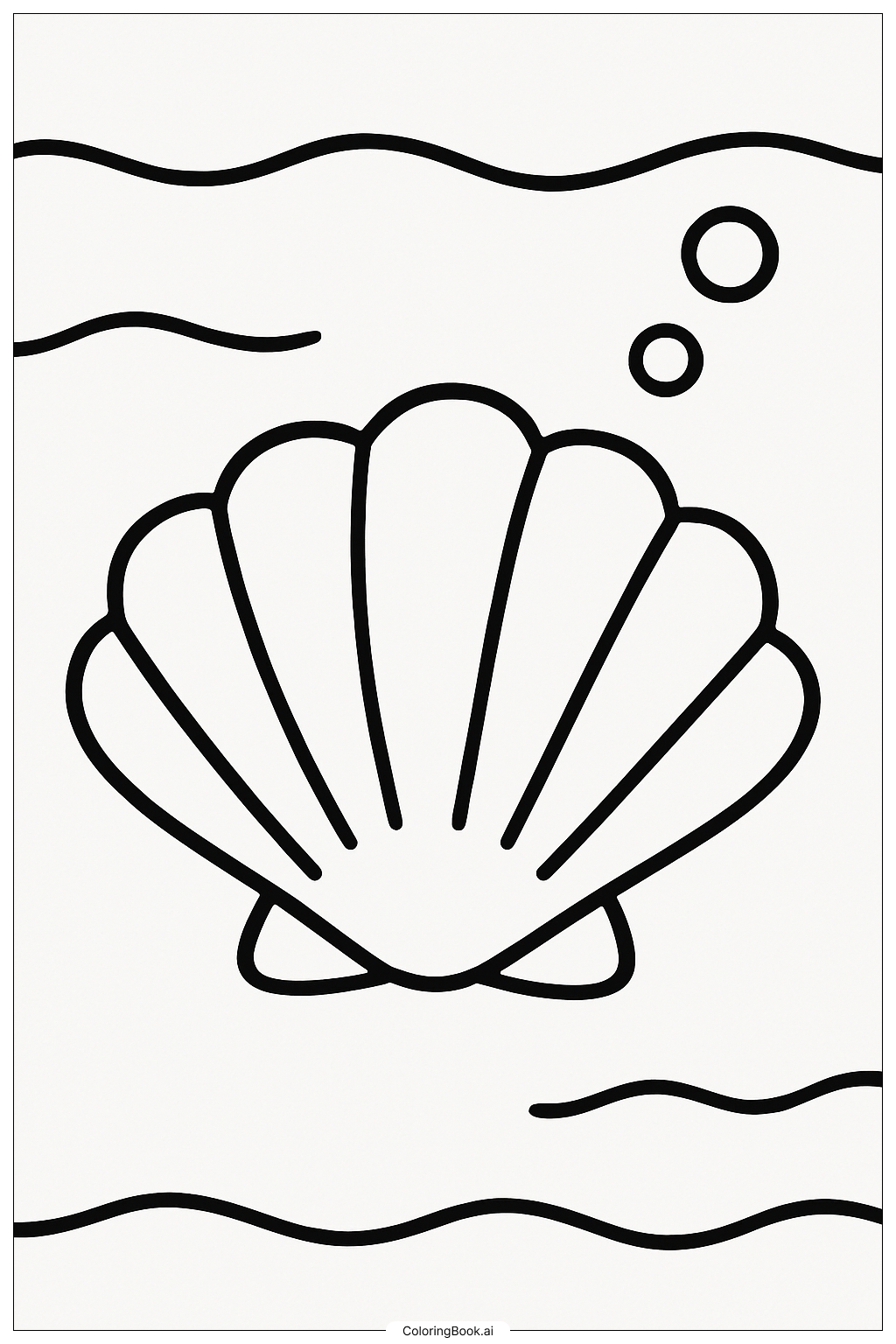
Start with the shell itself. Seashells often have warm, sandy tones mixed with soft pinks, peaches, and creamy whites. You can add stripes or spots along the ridges to make the shell look more realistic. Blend light orange and pale yellow for the main body, then use a deeper pink or brown near the inner opening for depth and shadow. For the background water, try soft blues and teals. Use lighter shades near the top and slightly darker tones toward the edges to create the feeling of being underwater. The sandy floor can be colored in warm beige or tan, with small dots of brown for texture. Add a few light purple or lavender tones to the shell for a magical, fantasy feel if you like. Bubbles can be left white or colored very lightly in pale blue. Keep your strokes smooth and gentle to match the soft, peaceful mood of the ocean scene. Have fun and be creative with your color choices!
Coloring challenges: Which parts are difficult to color and need attention for A Simple Seashell Under The Sea coloring page?
• Shell Spiral and Ridges: The shell has a spiral shape with multiple curved ridges running along its surface. Staying inside each curved section without going over the lines can be tricky, especially near the tightly curved tip of the shell. Take your time and use a sharp colored pencil or a fine-tipped marker for these areas.
• Shading and Depth: A seashell has a three-dimensional shape, but a coloring page is flat. Creating the look of depth means using lighter colors on the raised parts of the ridges and darker colors in the grooves and shadow areas. This kind of shading takes practice and patience, but it makes the shell look much more lifelike.
• Blending Warm Tones: Real seashells show a beautiful mix of pinks, oranges, creams, and browns all flowing into each other. Blending these colors smoothly without creating harsh lines or muddy patches is a real challenge. Colored pencils work well here because you can layer them gently, but it requires a light hand and several passes.
• Water Background: The wavy lines and bubbles in the background need to be colored in a way that looks like real water without making the shell hard to see. Choosing the right shade of blue or teal and keeping it lighter around the shell helps the main subject stand out clearly.
• Small Details Near the Opening: The inner edge of the shell opening often has delicate curved lines that are very small and close together. Coloring these tiny details neatly without smudging or going outside the lines requires steady hands and a fine coloring tool.
Benefits of coloring books: Advantages of drawing A Simple Seashell Under The Sea coloring page
Coloring this simple seashell scene offers many great benefits for kids and beginners alike. Because the image has clear, bold outlines and a single main subject, it is easy to approach without feeling overwhelmed. This makes it a perfect starting point for young colorists who are just learning how to stay inside the lines and build confidence.
Working on the shell's curved ridges helps children develop fine motor skills and hand-eye coordination. Choosing colors for the shell, water, and sandy floor encourages creative thinking and helps kids learn how different colors work together to tell a visual story.
The peaceful underwater theme also has a calming effect. Focusing on filling in soft, flowing shapes can help reduce stress and anxiety, making coloring a great quiet-time activity after a busy day at school.
For older kids, trying to shade and blend colors to make the shell look three-dimensional is a wonderful introduction to basic art techniques like layering and value. It builds patience and attention to detail.
Overall, this coloring page combines artistic learning, relaxation, and fun in one simple image. It is a great way to spark a child's love for both art and the natural world of the ocean.