Coloring tips: How to color Turtle in the garden coloring page well?
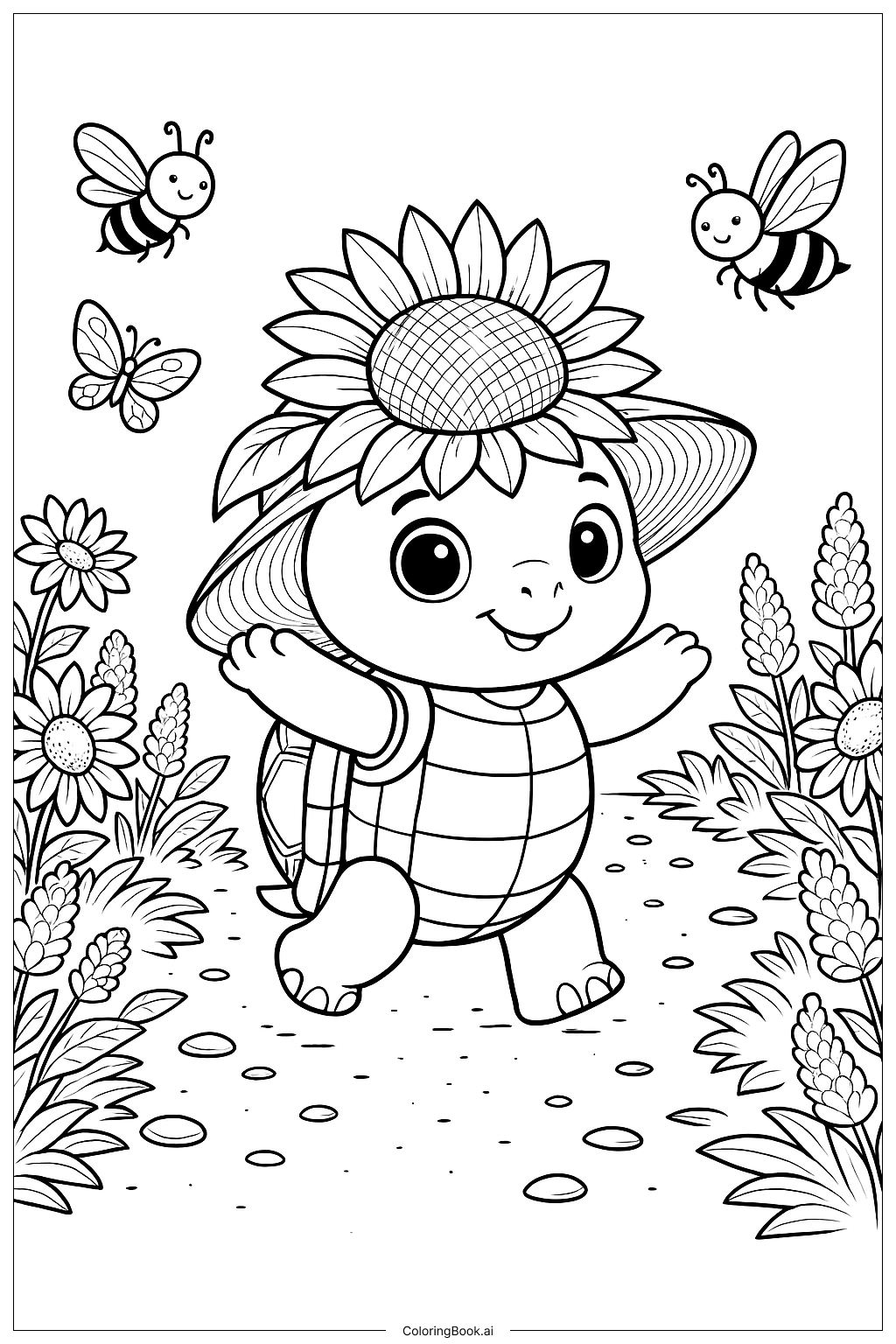
For this image, use soft greens for the grass and leaves to create a fresh garden feel. The turtle’s shell can be colored in warm browns, yellows, or even shades of green to give it a natural yet lively look. Try coloring flowers in bright colors like pink, red, purple, or yellow to make them stand out against the greenery. The butterflies can be in vibrant colors like orange or blue to catch attention. Use gentle shading on the turtle’s body to show its round shape. Light blue or a soft sky color can fill empty spaces to brighten the scene. Feel free to be creative and mix colors to make the garden colorful and inviting.
Coloring challenges: Which parts are difficult to color and need attention for Turtle in the garden coloring page?
• Shell Patterns: The turtle’s shell has many small sections with curved details that require careful coloring within the lines, which can be challenging for younger children.
• Fine Details in Plants: The garden contains fine lines of leaves and stems that need a steady hand to color without overlapping.
• Small Flowers: The image shows many small flowers close together, requiring patience to fill each area without smudging.
• Overlapping Elements: Some parts of the turtle overlap with the grass and flowers, making it hard to decide which color should go where and demanding precision.
• Butterfly Wings: The butterflies’ wings have delicate outlines that can be difficult to color evenly, especially when choosing vibrant shades that may require layering carefully.
Benefits of coloring books: Advantages of drawing Turtle in the garden coloring page
Coloring this image helps improve fine motor skills by encouraging precise movements when working on detailed patterns and small spaces. It promotes mindfulness and focus as children concentrate on staying within the lines and choosing colors thoughtfully. The natural garden scene inspires creativity, allowing kids to experiment with various greens and bright floral hues. Coloring the turtle and its surroundings also teaches attention to detail and develops hand-eye coordination. Overall, this image offers a fun, relaxing way to build both artistic skills and an appreciation for nature.