Coloring tips: How to color Wild Turkey Landscape coloring page well?
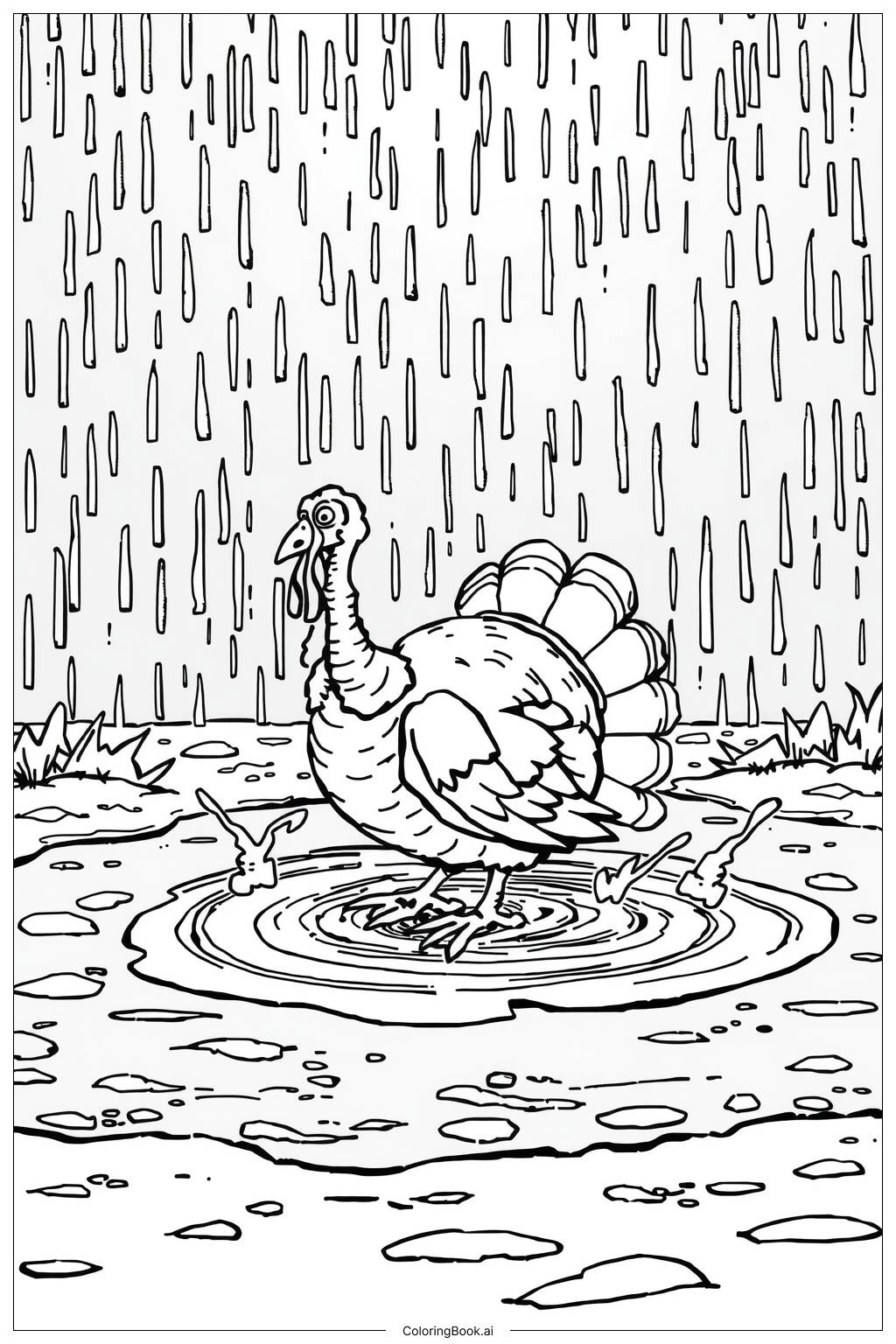
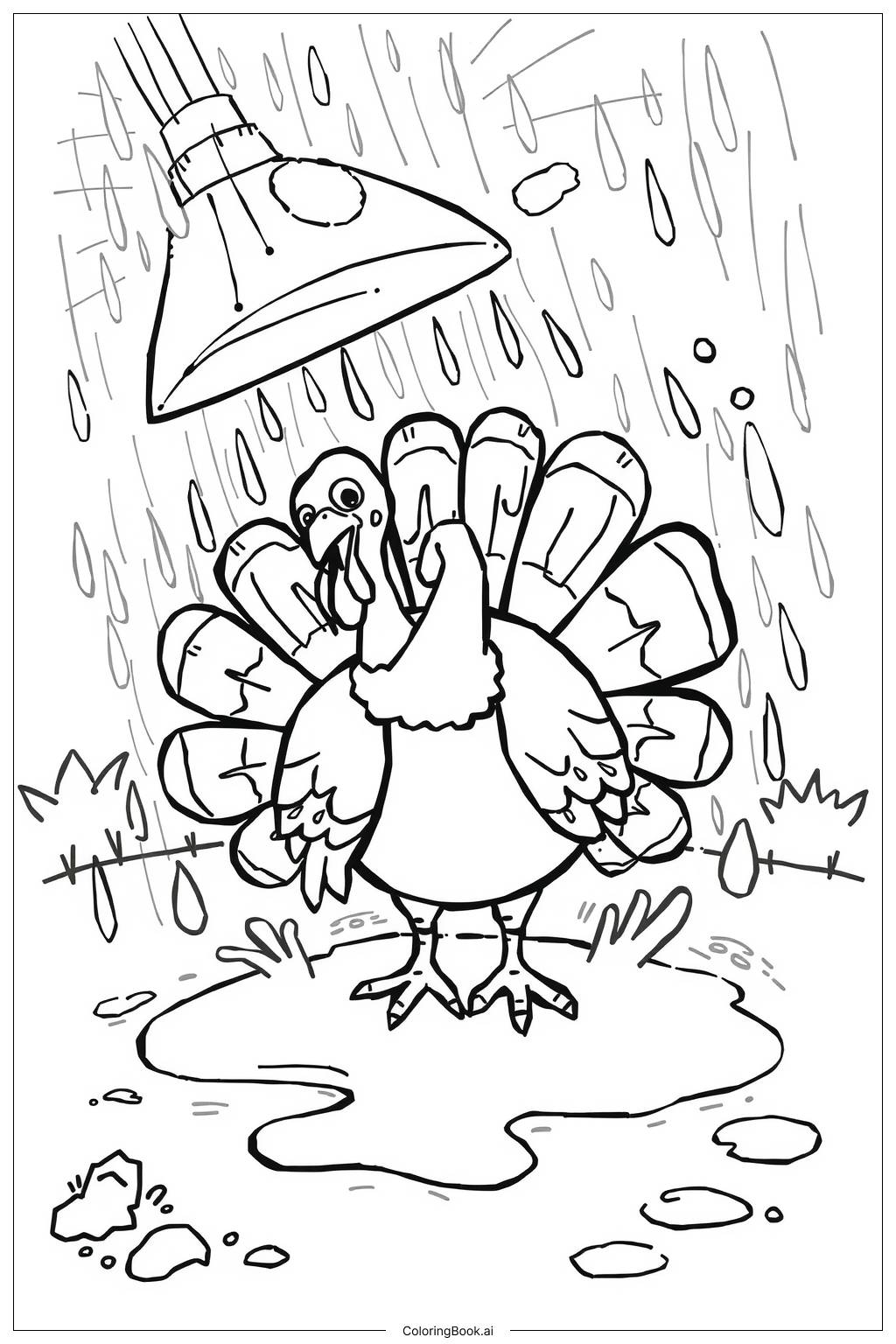
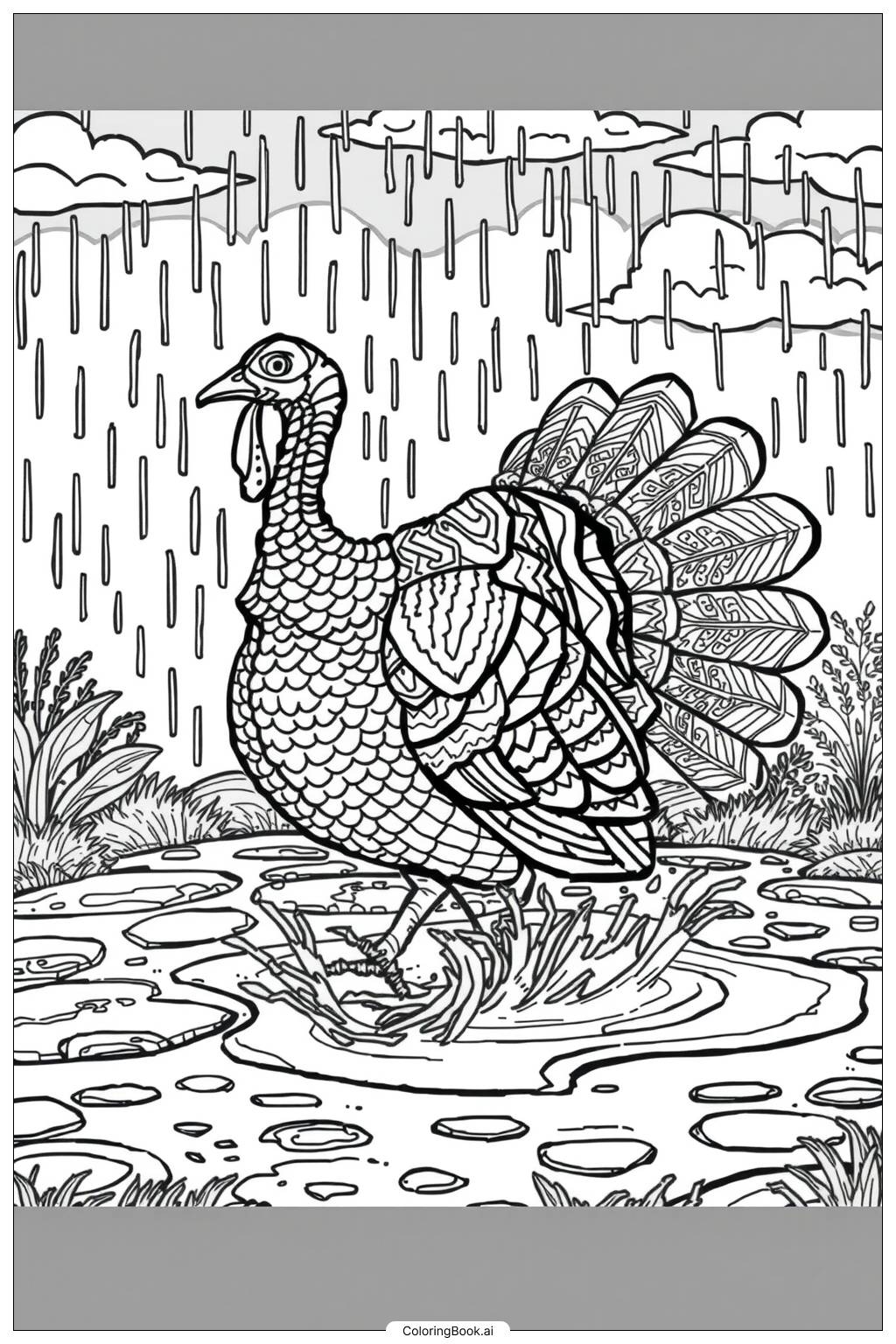
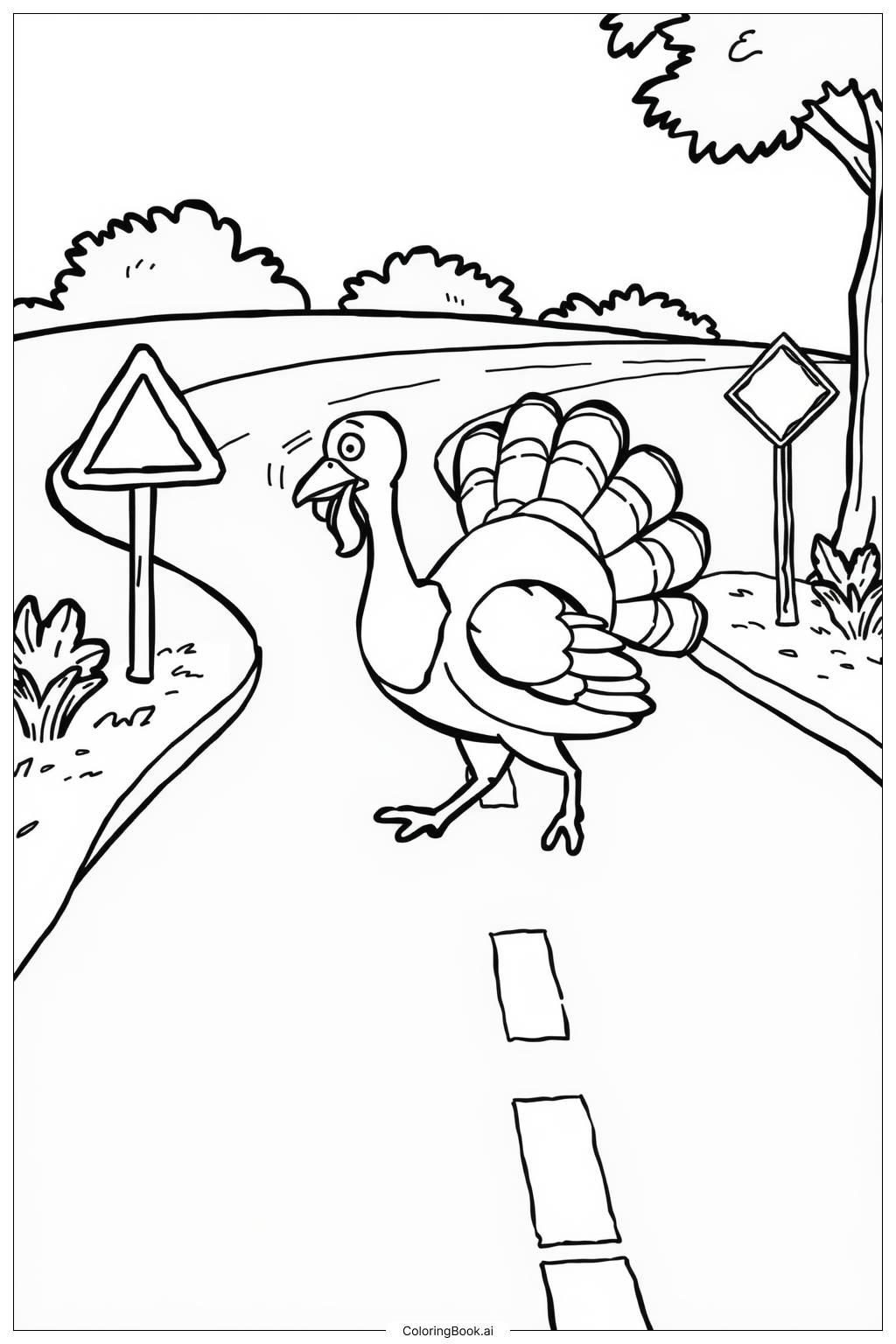
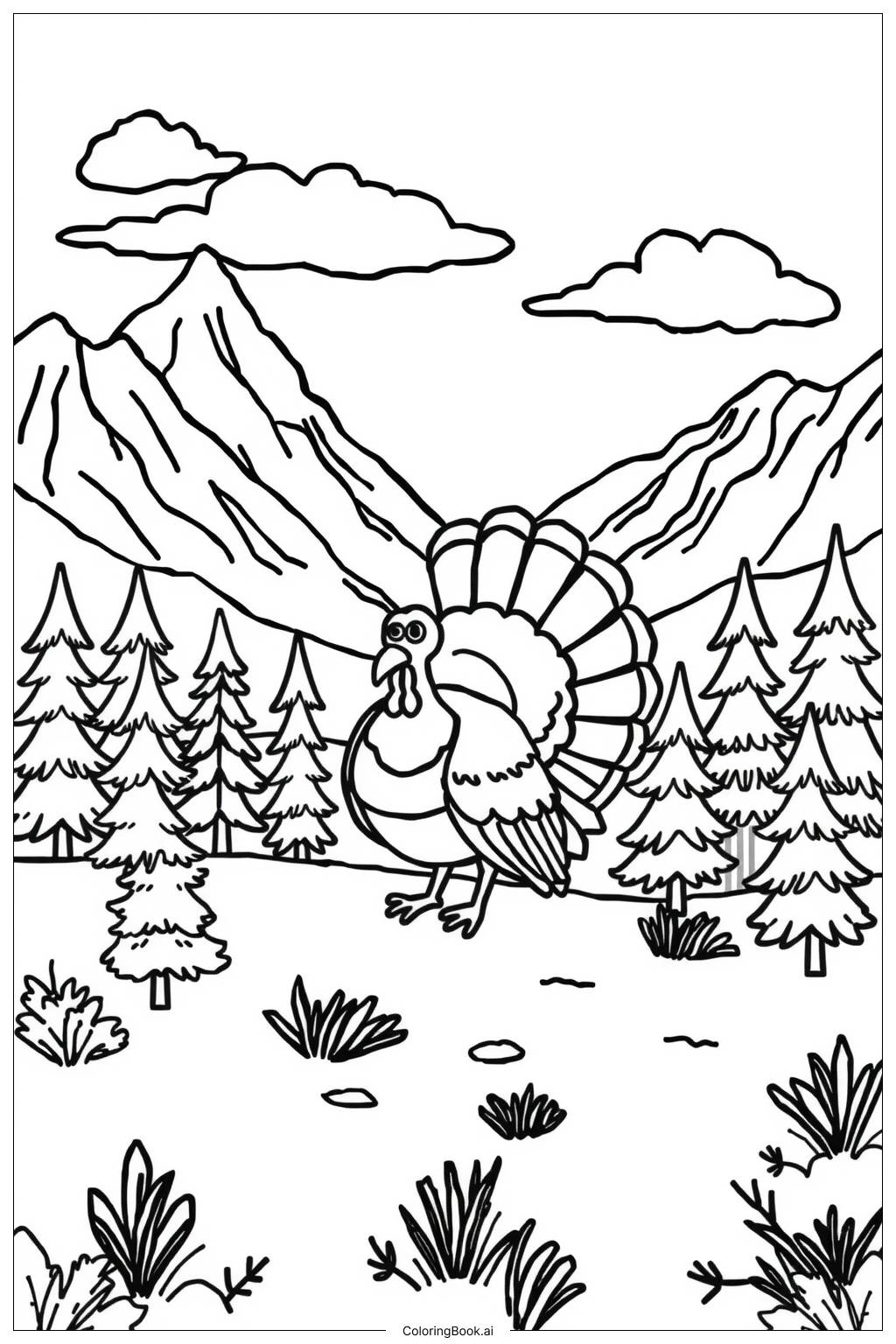
To bring this Wild Turkey Landscape to life, try coloring the turkey’s feathers with warm and rich shades of brown, gold, and red. Use darker browns and black for the tail feathers to create contrast. The turkey’s head can be colored with light blue and red tones to show its unique look. For the trees and bushes, greens in different shades will make the background vibrant. You may add yellows or oranges to some leaves to suggest autumn colors. Use soft browns and greens for the ground and grass, adding depth by blending colors gently. You can also experiment with coloring pencils or markers to add texture and shading.
Coloring challenges: Which parts are difficult to color and need attention for Wild Turkey Landscape coloring page?
• Feather Details: The turkey’s feathers have many small lines and patterns that require careful coloring to show texture and depth. Staying inside these lines might be challenging for younger children. • Layered Elements: The forest background has layered trees, bushes, and plants overlapping each other, which can be tricky to color distinctively to avoid blending colors unintentionally. • Fine Lines: The turkey’s legs and feet have thin detailed lines that need steady hand control for precise coloring. • Color Blending: Achieving realistic shading on the turkey’s feathers and the natural background needs blending multiple colors smoothly, which may be difficult without practice. • Balancing Contrast: Ensuring that the turkey stands out from the background requires thoughtful use of color saturation and contrast, challenging for beginners.
Benefits of coloring books: Advantages of drawing Wild Turkey Landscape coloring page
Coloring this Wild Turkey Landscape helps improve focus and attention to detail as children carefully color the turkey’s detailed feathers and nature elements. It encourages creativity by choosing natural colors and experimenting with shading. The image also supports fine motor skills development because of the small areas and fine lines. Coloring a nature scene can connect children to wildlife and the outdoors, inspiring curiosity about animals. For children aged 4 to 16, it’s a relaxing activity that builds patience and concentration while making a beautiful picture.