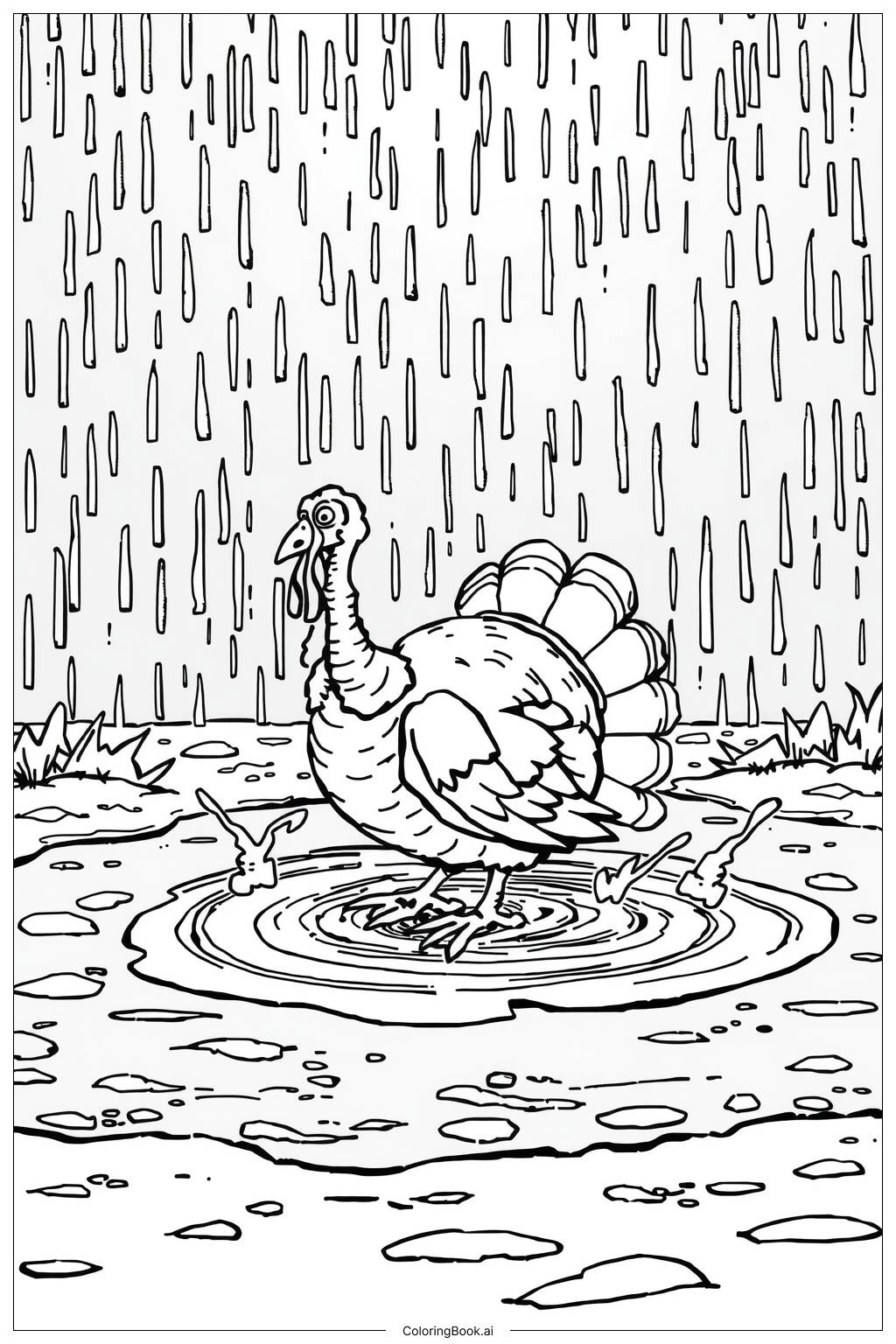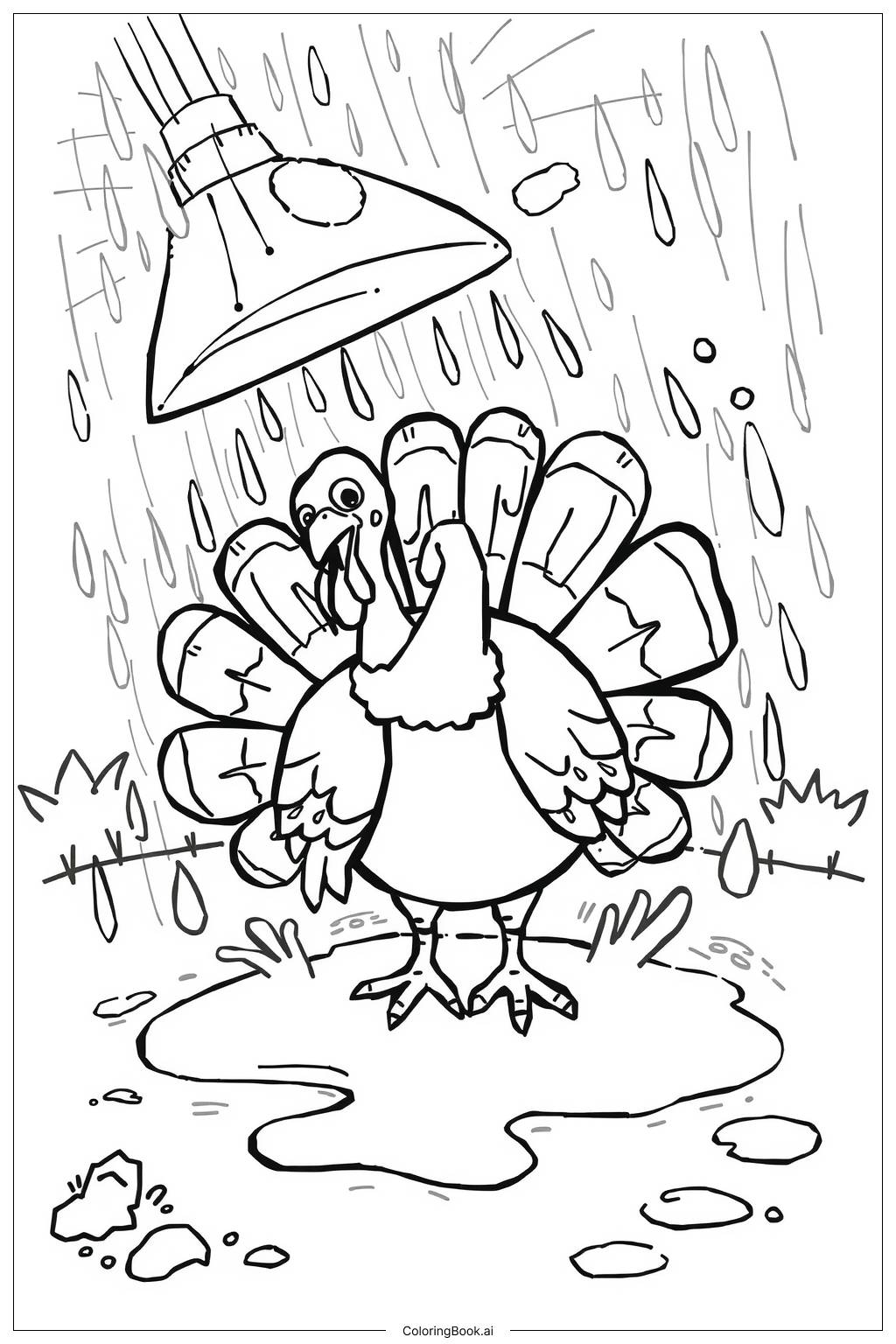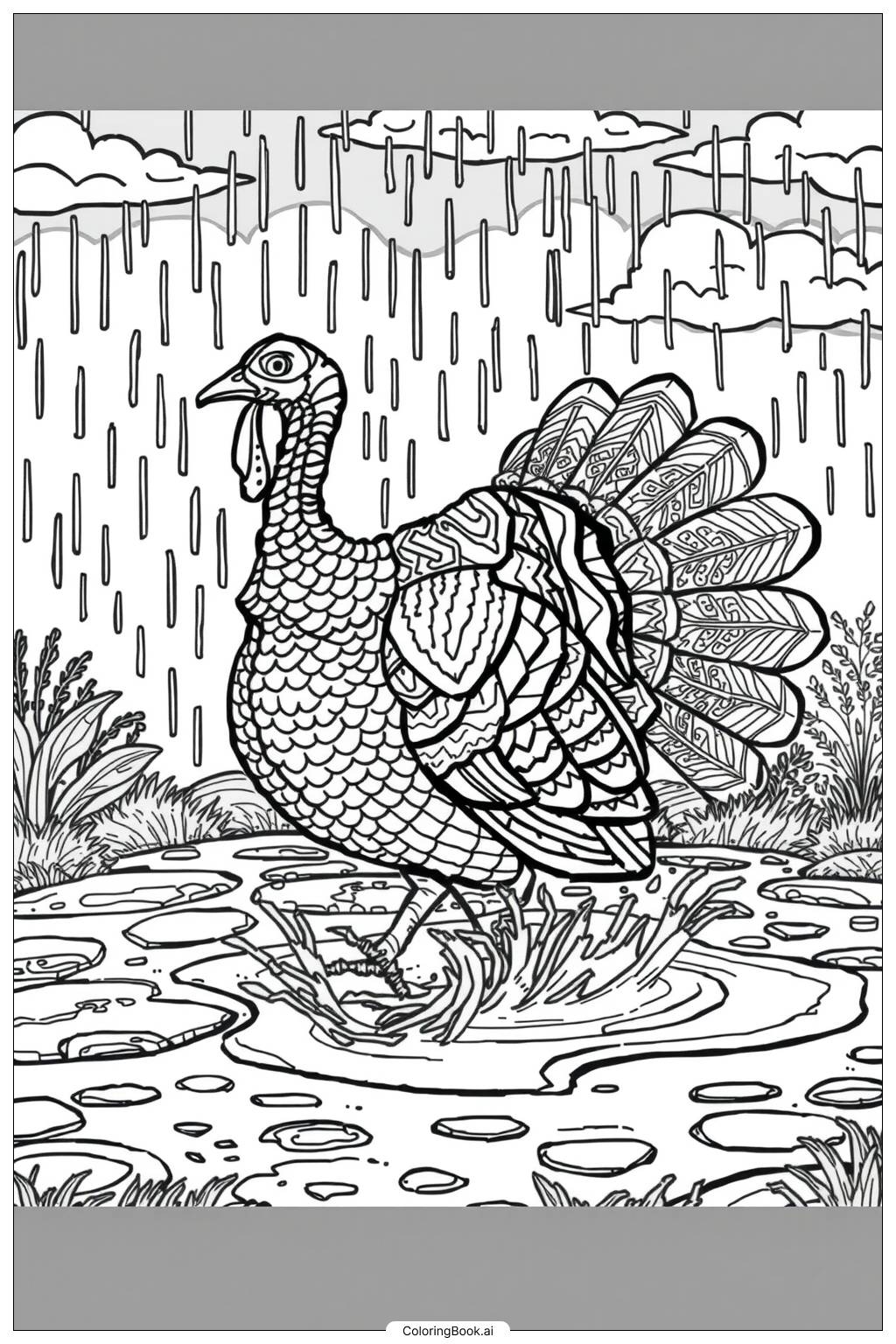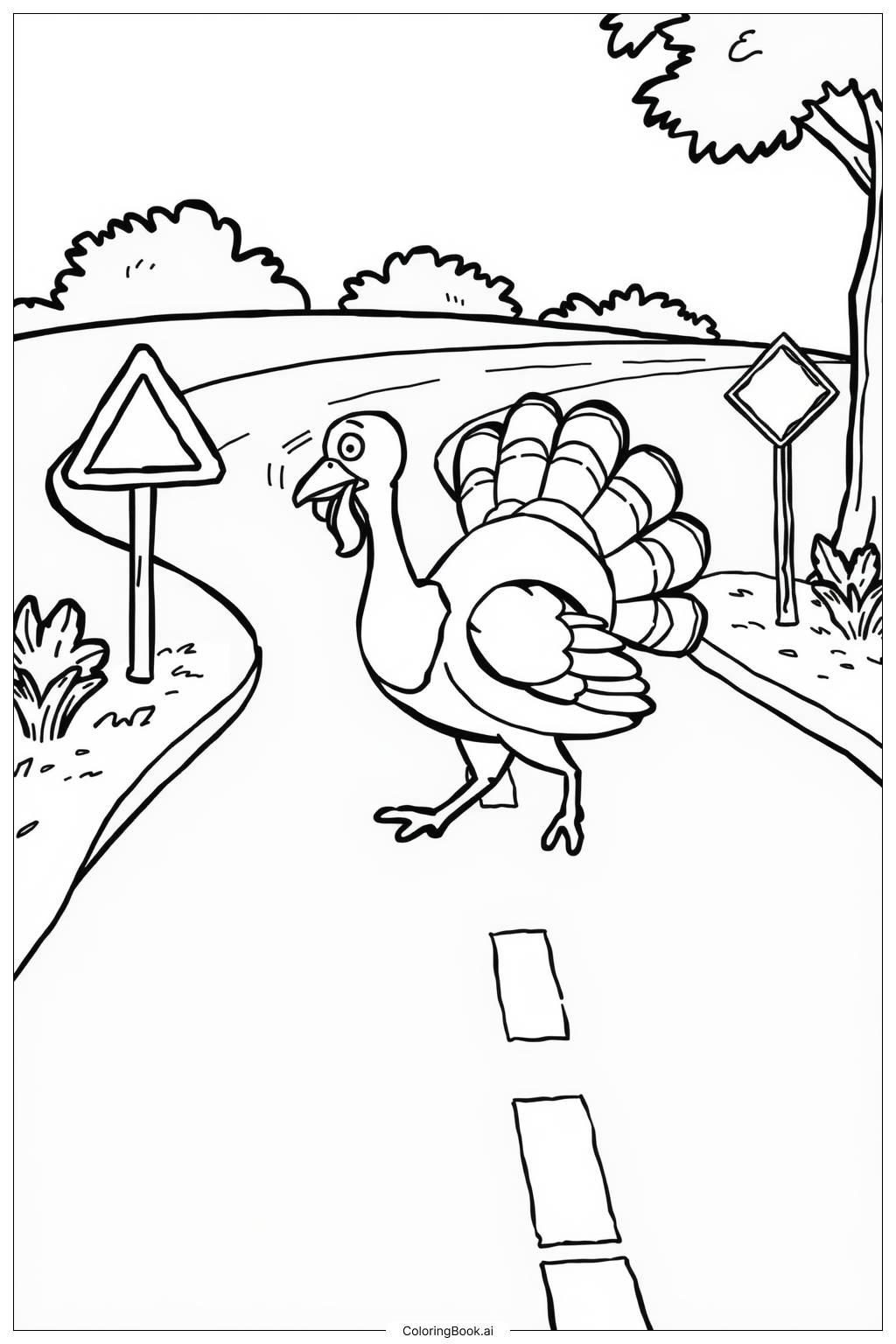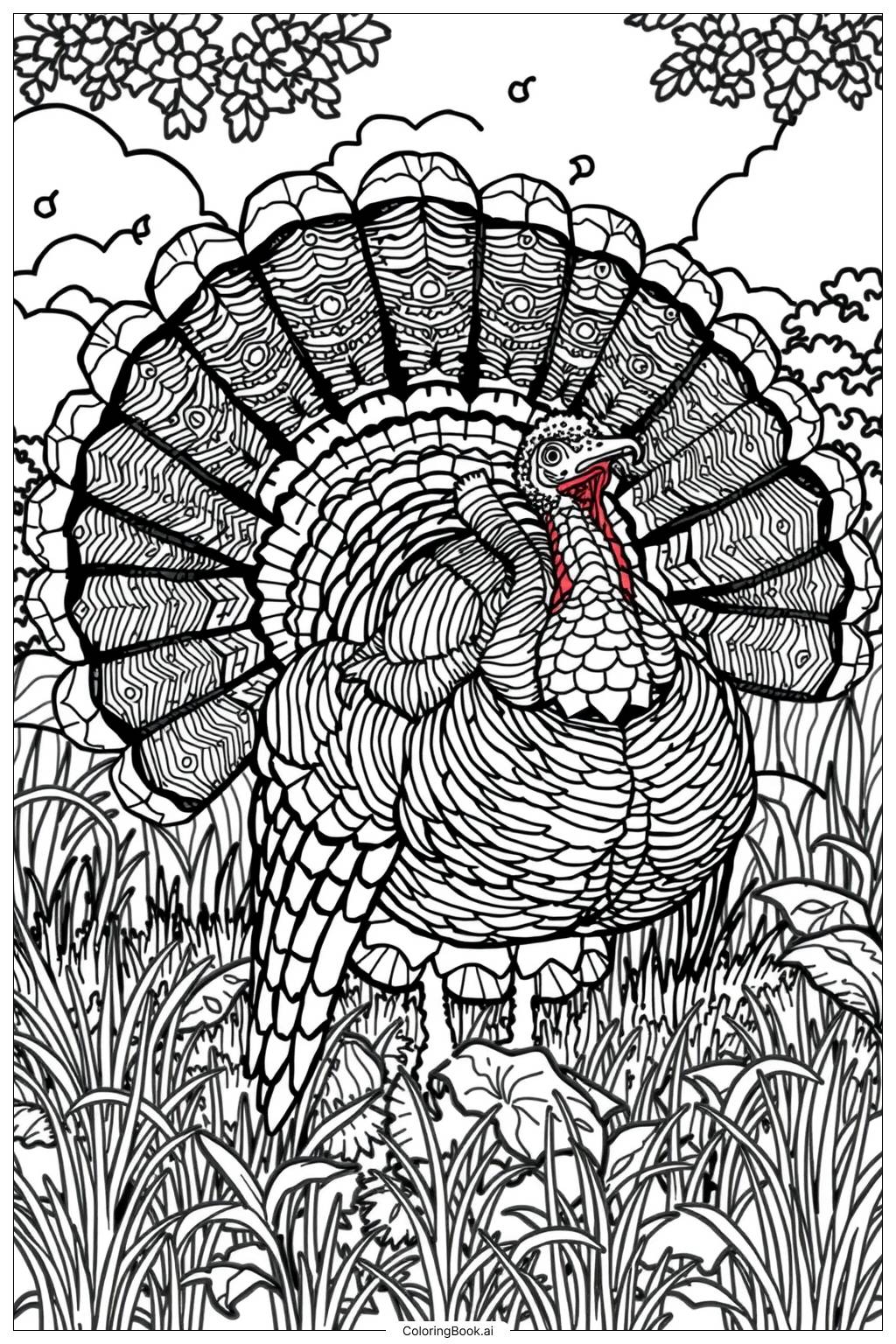
Coloring tips: How to color Turkey Spreading Tail coloring page well?
Try using a mix of warm autumn colors like rich browns, deep reds, oranges, and golden yellows to bring this turkey to life. For the tail feathers, you can add bright touches of blues, greens, or even purples to mimic the iridescent quality that wild turkeys have. Use lighter shades on the body to highlight the feathers and darker tones for shading near the legs and under the tail. Don’t forget the turkey’s head—red and blue tones around the wattle and neck create a realistic look. Feel free to experiment with blending colors gently to show the softness and layered texture of feathers.
Coloring challenges: Which parts are difficult to color and need attention for Turkey Spreading Tail coloring page?
• Feather Details: The many small feathers, especially on the tail, require careful coloring to avoid blurring the pattern. You need patience to fill each feather neatly. • Color Blending: Achieving a natural look means blending multiple colors smoothly on the tail feathers and body. This can be tricky for beginners. • Fine Lines: The thin lines defining the feathers and the turkey’s face demand controlled coloring tools like fine-tip crayons or colored pencils. • Symmetry: Maintaining even coloring on both sides of the tail is important to keep the turkey looking balanced. Uneven colors could make the fan shape less clear. • Body Texture: Showing the difference between smooth feathers on the neck and fluffier feathers on the body involves using different coloring techniques to create texture variety.
Benefits of coloring books: Advantages of drawing Turkey Spreading Tail coloring page
Coloring this turkey helps improve fine motor skills and concentration as children work on the detailed feathers and symmetrical tail shape. It encourages creativity by allowing players to choose colors to make their turkey realistic or imaginative. This activity teaches about the colors and patterns found in nature, enhancing observational skills. It can also build patience and attention to detail since the image requires a steady hand and focus. Lastly, children gain a sense of accomplishment when they complete the picture with vibrant, balanced colors, boosting their confidence and enjoyment of art.