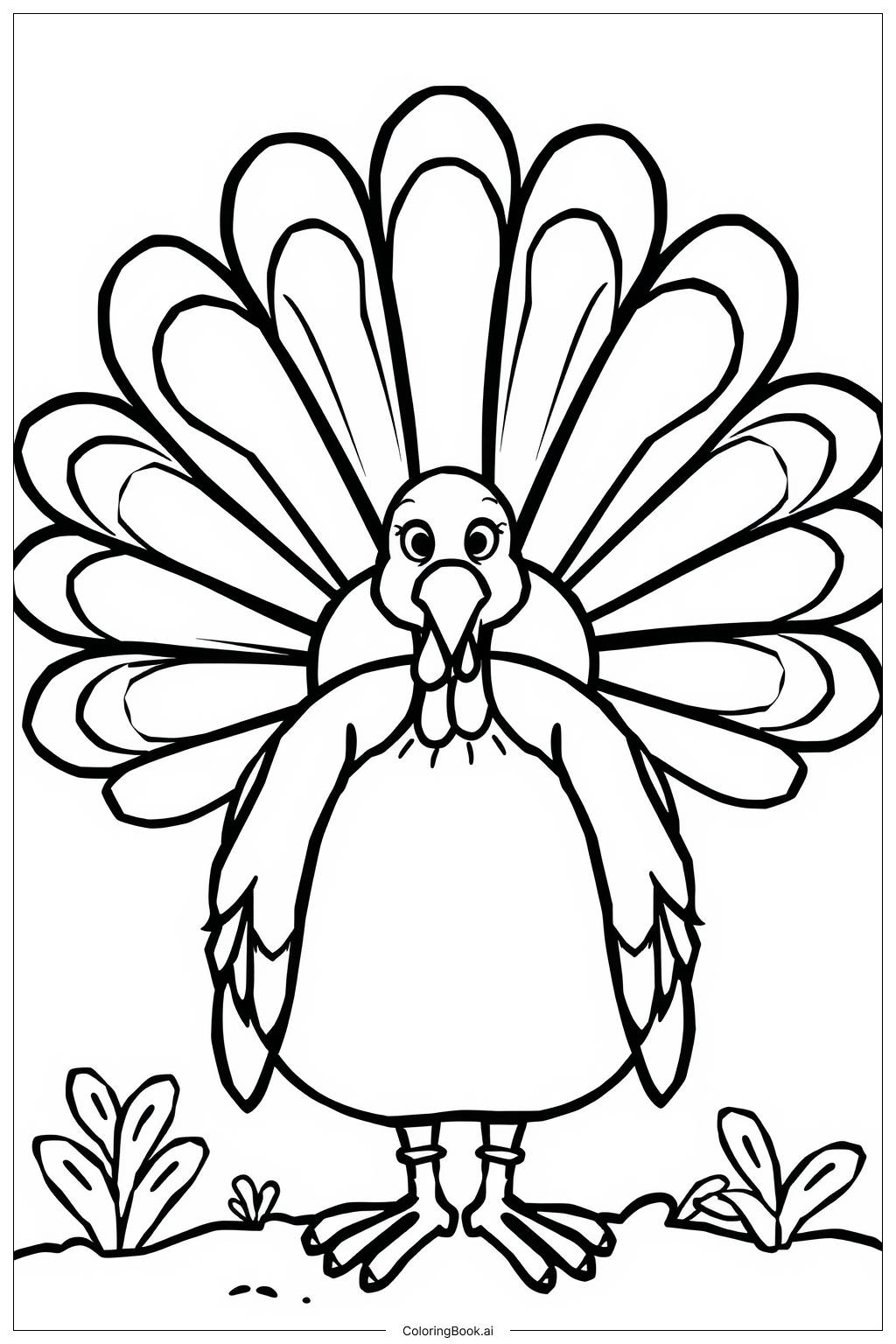
Coloring tips: How to color Turkey Spreading Tail coloring page well?
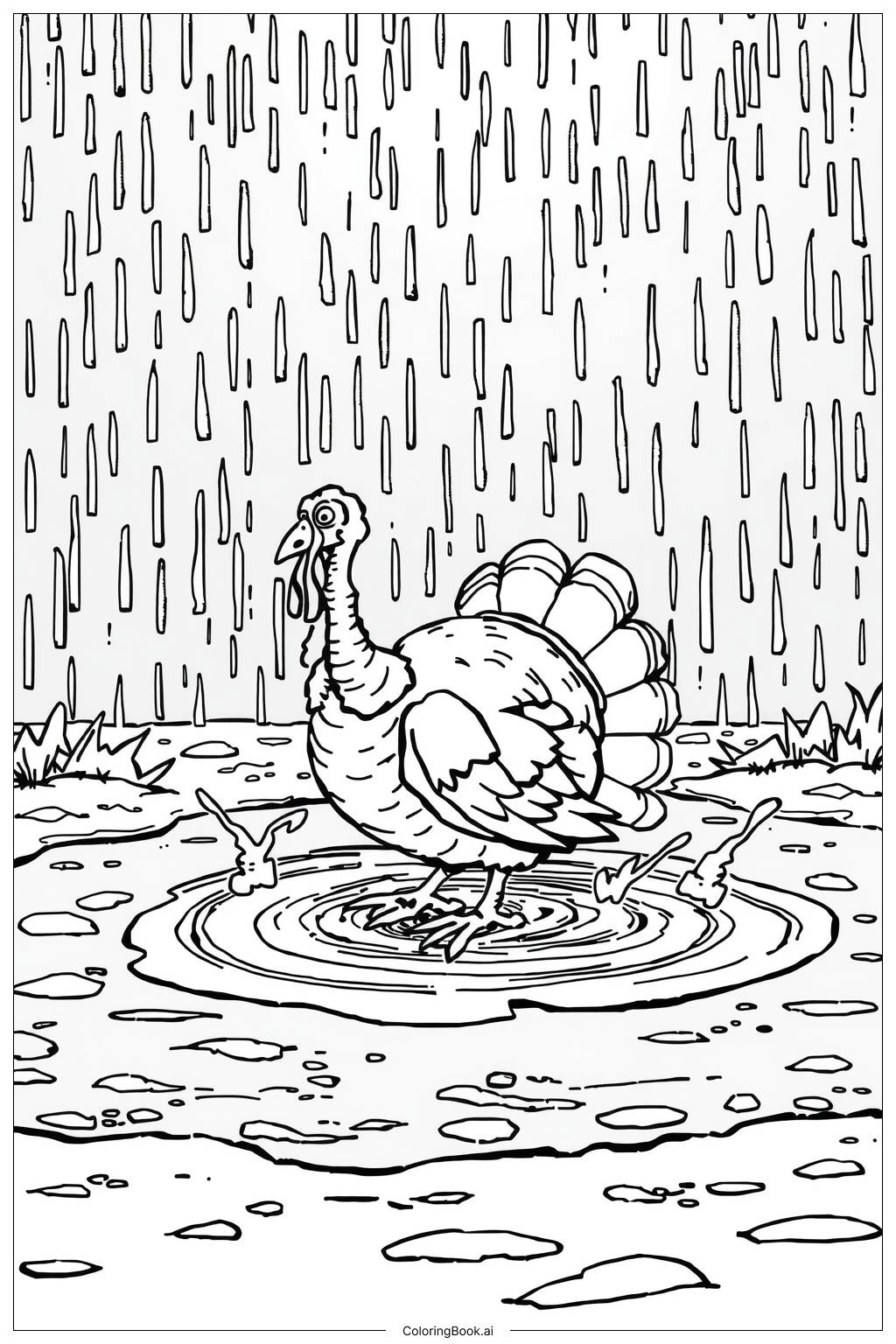
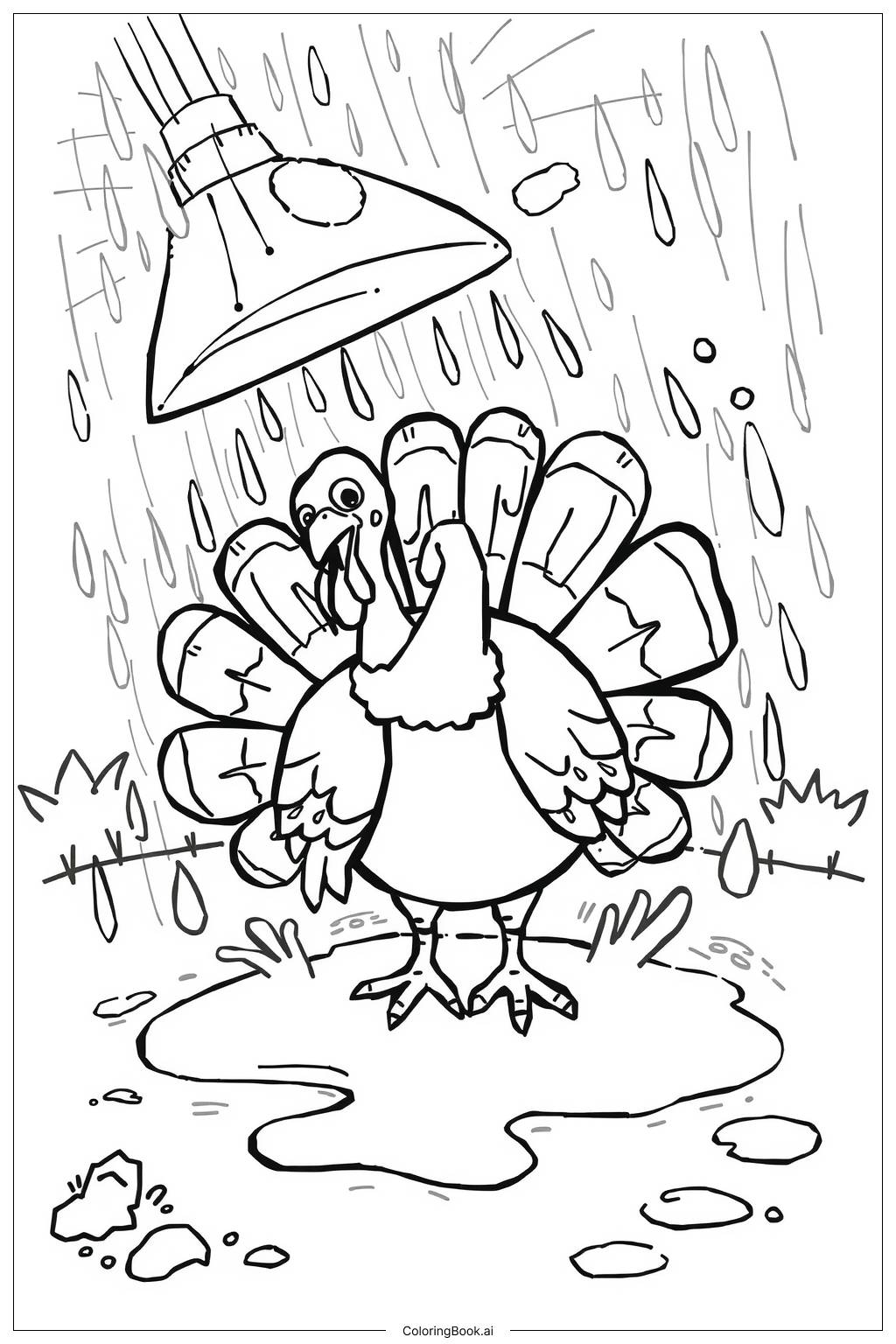
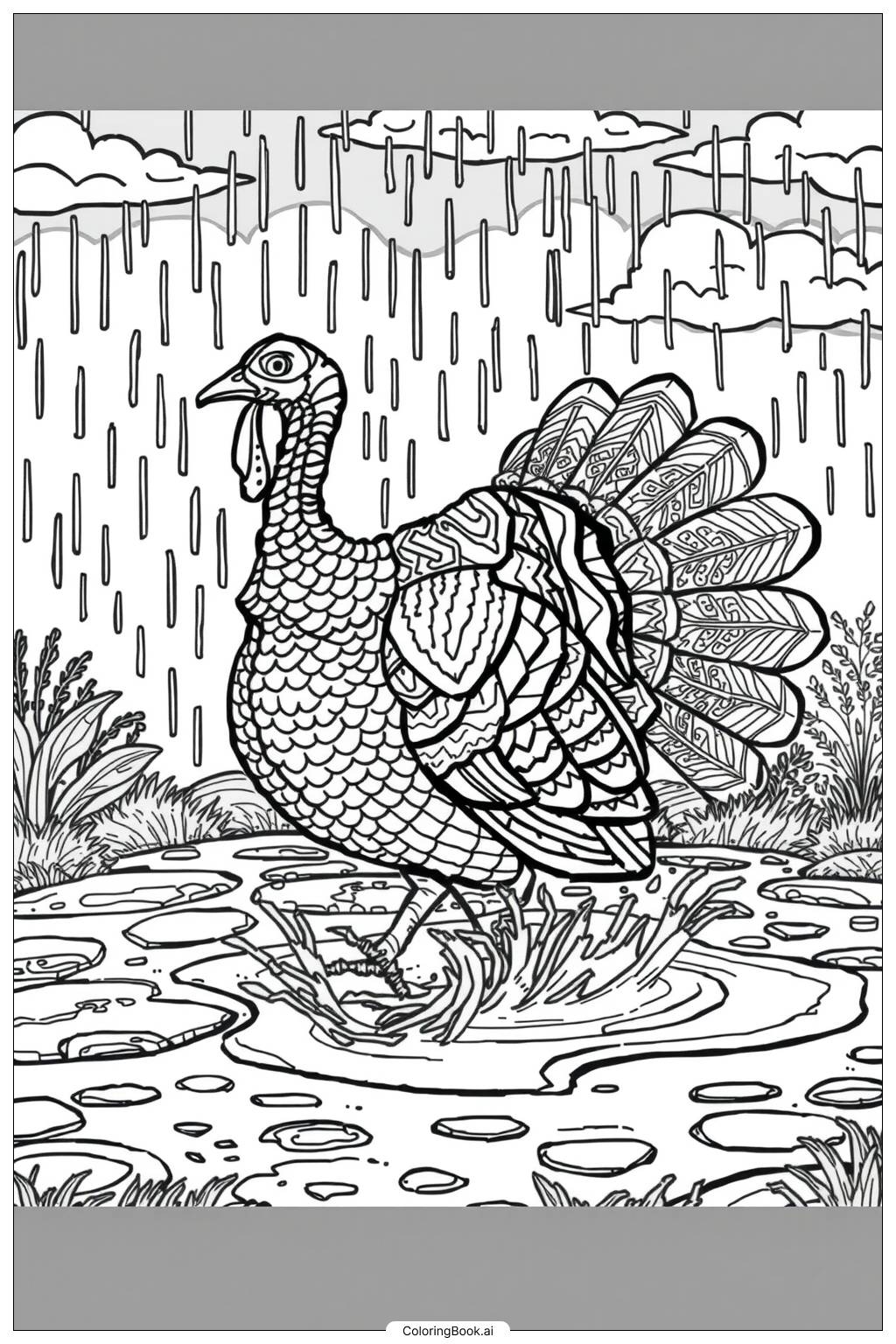
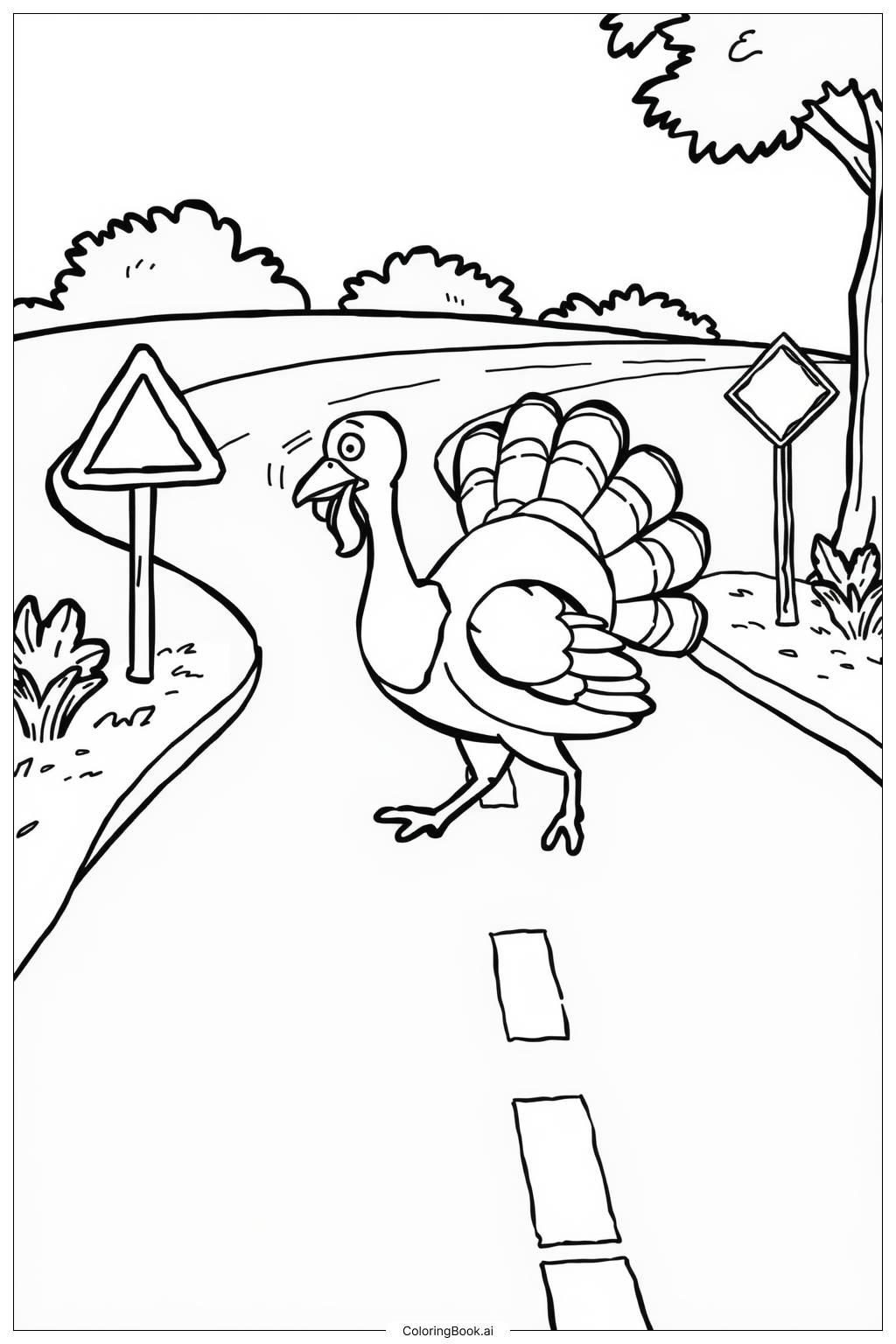
For this Turkey Spreading Tail image, use rich autumn colors to bring it to life. The tail feathers can be colored with shades of brown, orange, red, and gold to mimic the natural look of a turkey’s plumage. Try blending lighter and darker tones on each feather to give a 3D effect. The body can be a mix of dark brown and rusty colors, while the head and wattle can be bright red or pink to stand out. Adding touches of yellow or beige on the feathers can give beautiful contrast. You can use crayons, colored pencils, or markers for different textures. The background can be simple green grass or fall leaves in yellows and reds to complete the scene.
Coloring challenges: Which parts are difficult to color and need attention for Turkey Spreading Tail coloring page?
• Feather Detail: The turkey’s tail feathers have many fine lines and sections, making it challenging to color within the small spaces while creating a natural gradient of colors.
• Layering Colors: Achieving a realistic look requires layering multiple colors carefully without overlapping too much, which can be tricky for beginners.
• Face Features: The wattle and face details are small and delicate, needing precise coloring to highlight their textures.
• Consistent Shades: Keeping the colors consistent across similarly sized feathers can be difficult, especially when blending shades like brown and orange.
• Background Balance: Deciding how much attention to give the background without overpowering the main turkey figure can be challenging since too many colors might distract.
Benefits of coloring books: Advantages of drawing Turkey Spreading Tail coloring page
Coloring this Turkey Spreading Tail image helps develop fine motor skills as kids practice coloring within detailed feather lines. It encourages creativity through choosing varied warm colors and blending techniques. The complexity of feather patterns promotes concentration and patience. Children can learn about animal anatomy and natural colors while having fun. This activity also improves hand-eye coordination and visual recognition of shapes and textures. Overall, it offers a satisfying mix of learning and artistic expression suitable for a wide age range.