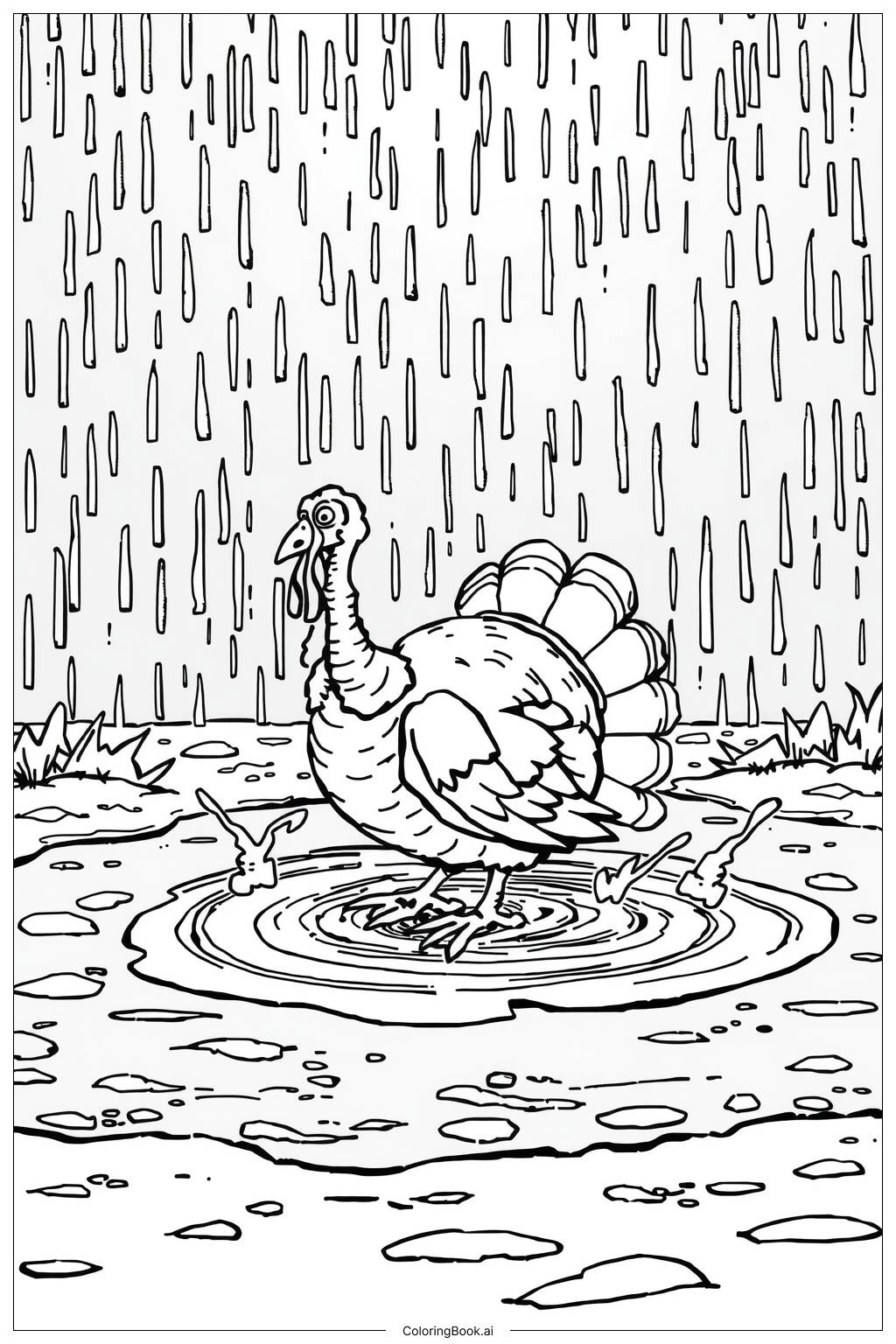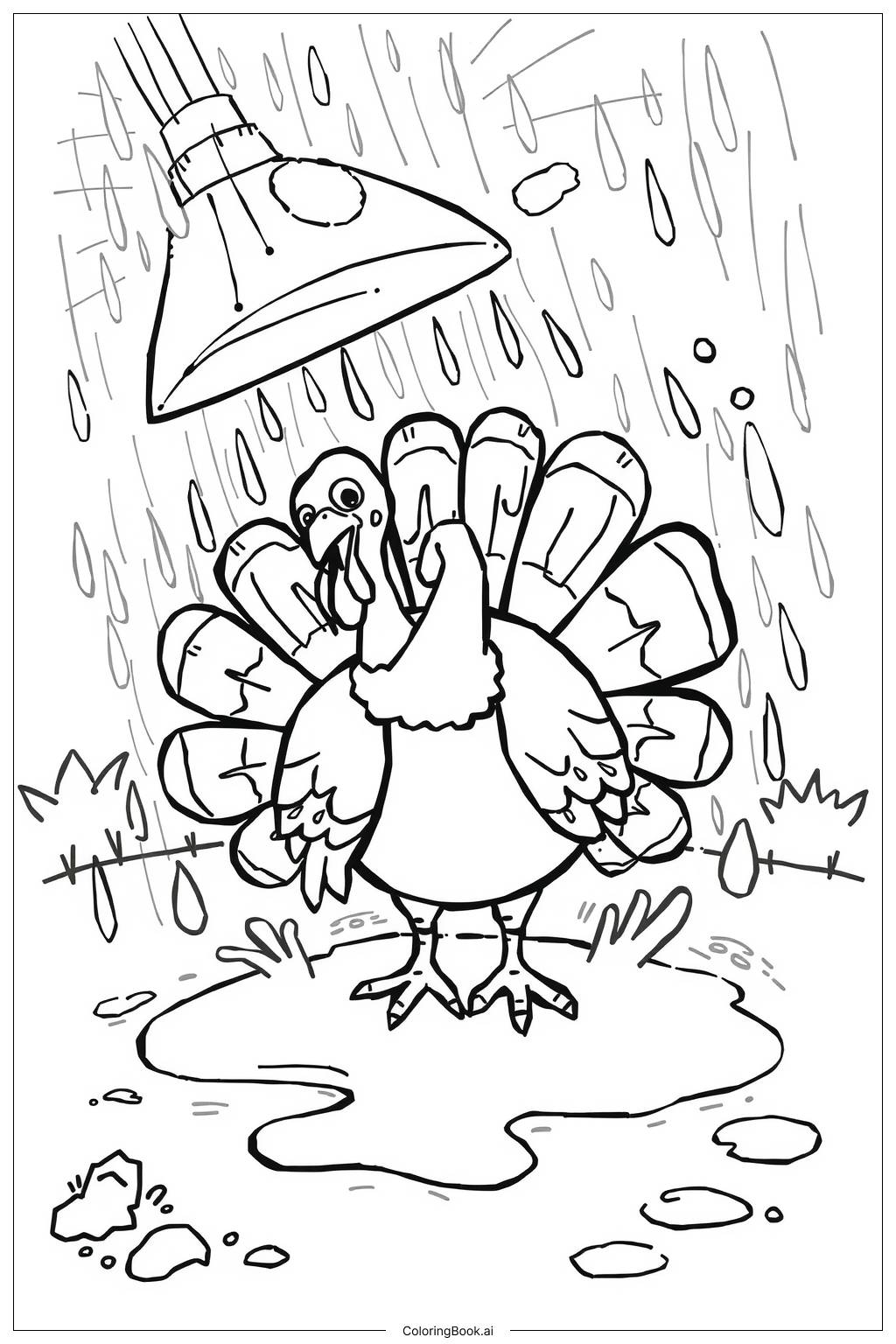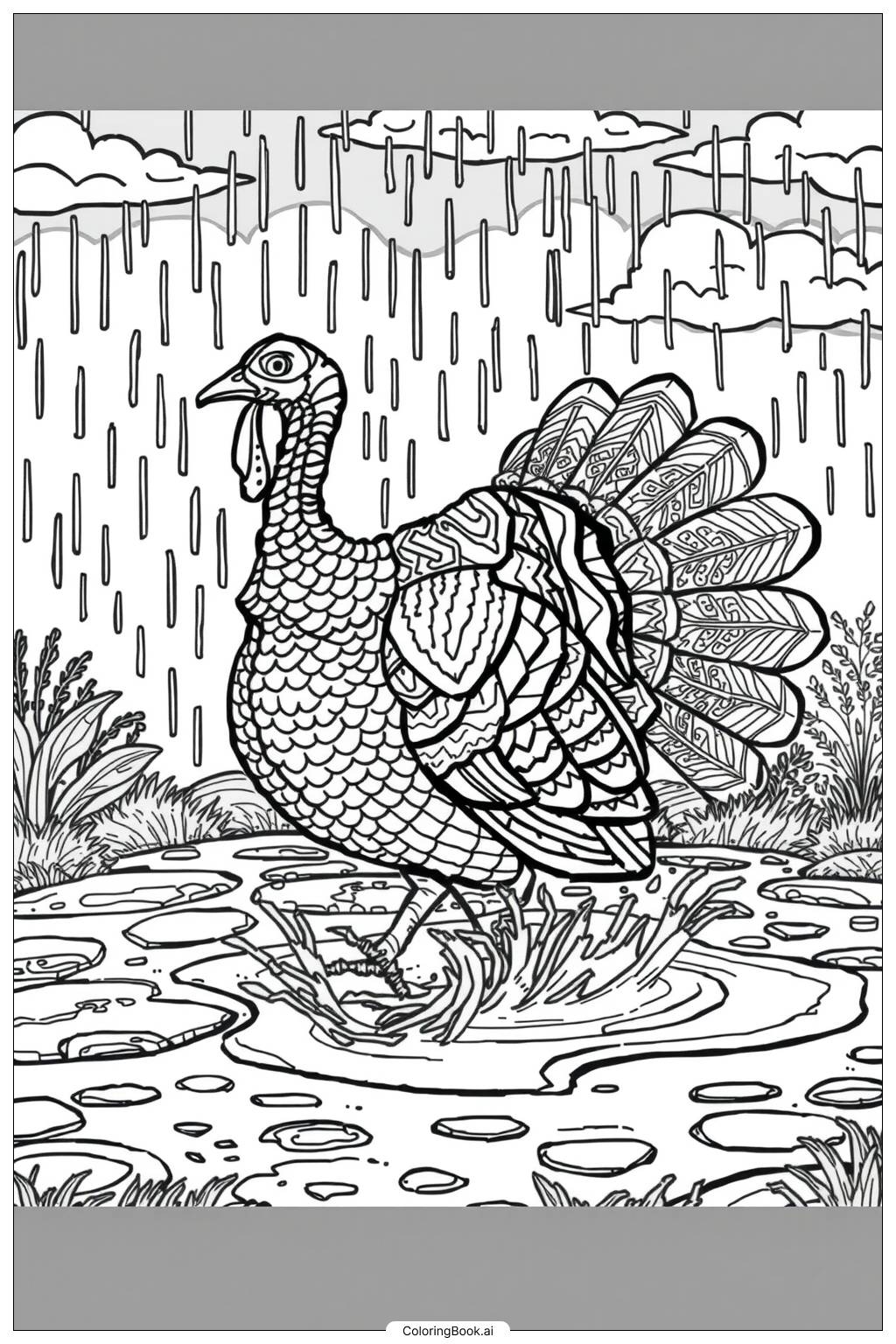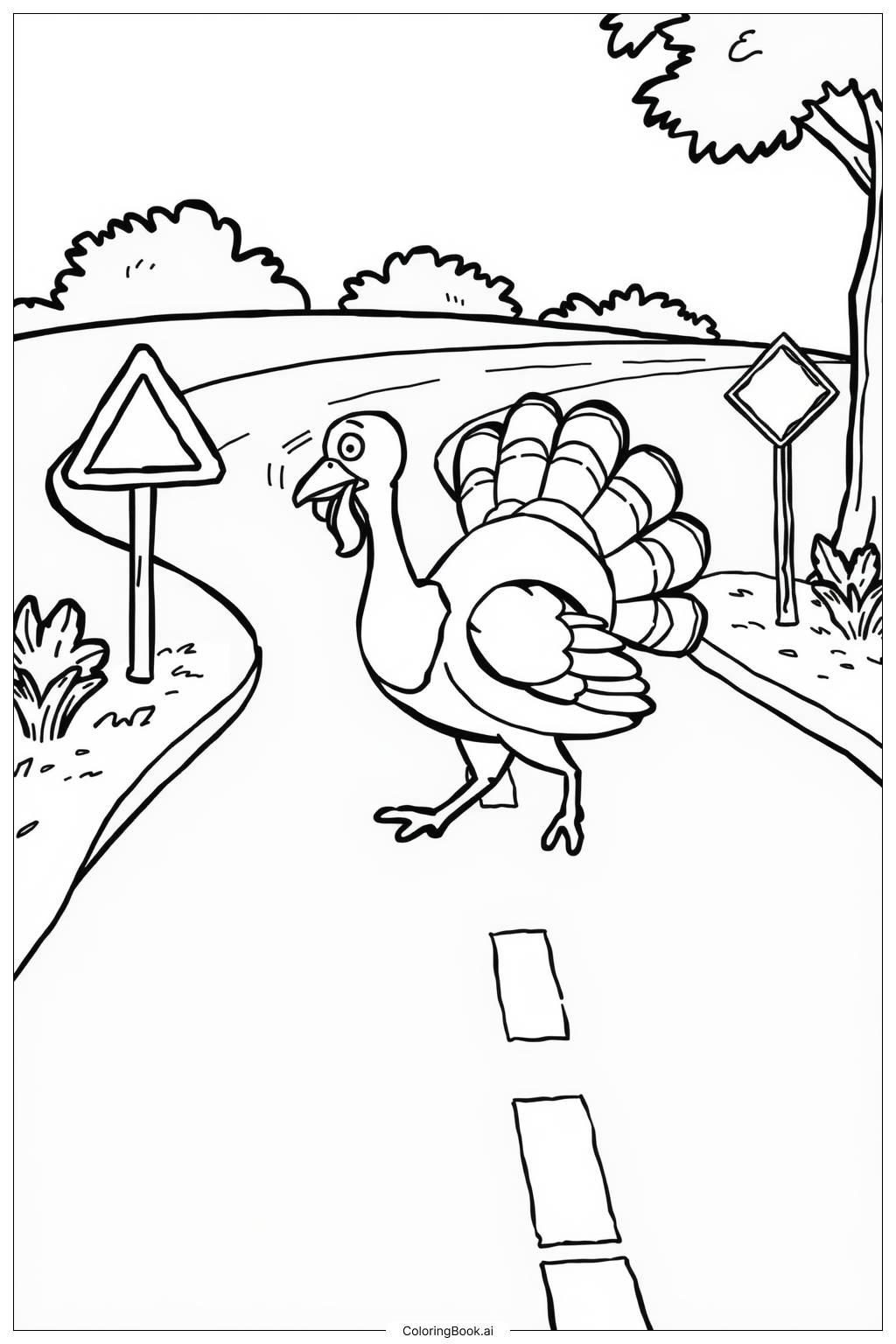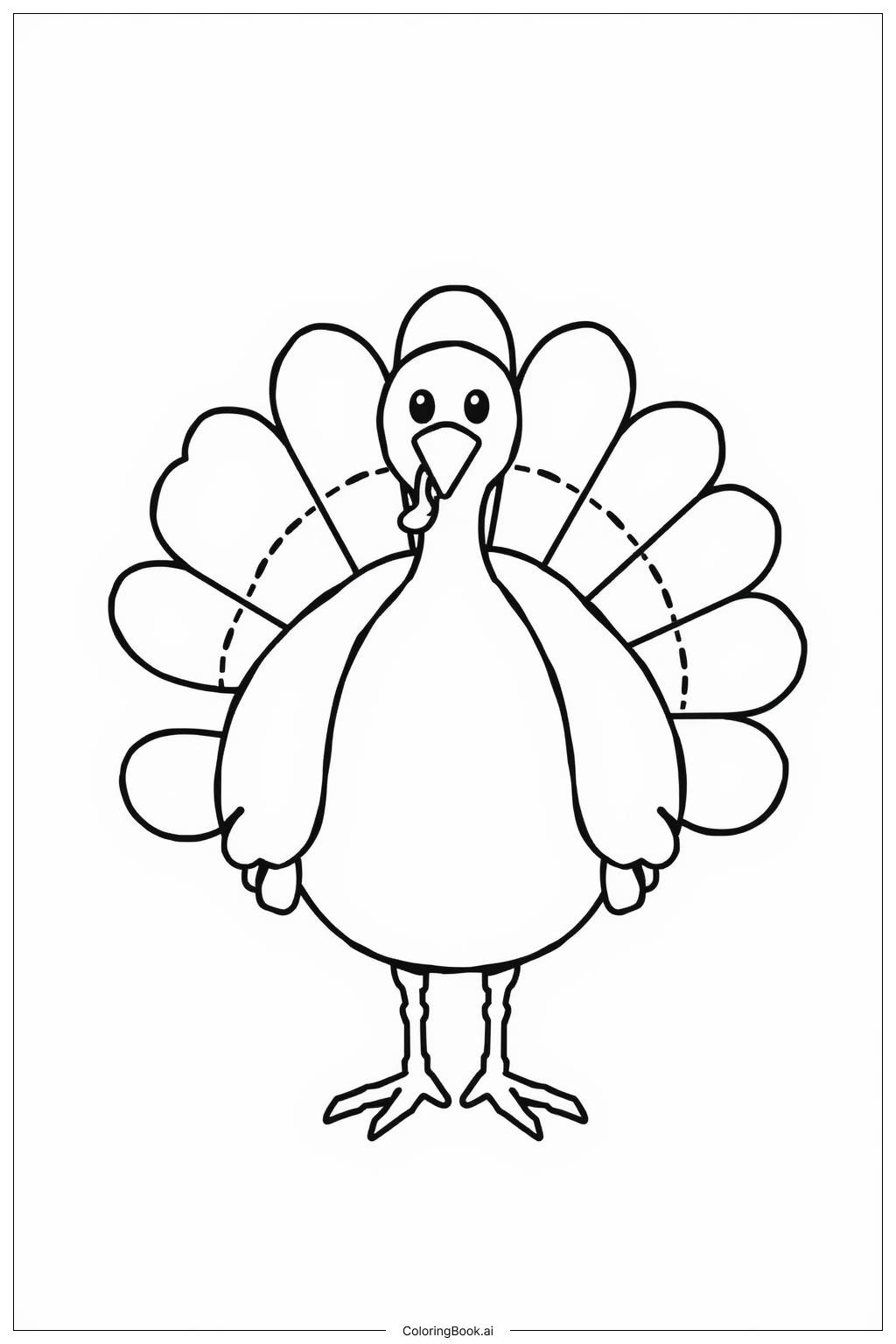
Coloring tips: How to color Turkey Simple Outline coloring page well?
Try using warm and earthy colors for the turkey’s body, such as brown, tan, or rust shades. The tail feathers can be colorful—mix red, orange, yellow, and even some dark green or blue for variety. You can keep the beak yellow or gold to make it stand out. For the legs, use a light orange or peach color. Feel free to add subtle shading by coloring darker near the edges to create depth. You can also decorate the background with green grass or simple blue sky if you like. Bright colors can make your turkey look lively and festive. Have fun experimenting with your favorite colors to bring this Turkey Simple Outline to life.
Coloring challenges: Which parts are difficult to color and need attention for Turkey Simple Outline coloring page?
• Tail Feather Pattern: The fan of tail feathers may be tricky to color neatly because the lines curve and overlap slightly. Coloring within the feather outlines needs careful attention to avoid going over the edges. • Small Details: The turkey’s feet and beak have smaller areas that require precision to color accurately, which can be challenging for younger children. • Color Choices: Choosing colors that look natural yet vibrant can be difficult since turkeys have a mix of earthy and bright tones. • Feather Layering: Capturing the layered look of feathers with shading or different colors requires some skill to make the bird look three-dimensional and lifelike. • Maintaining Clean Edges: Since the image is simple but bold, coloring close to the lines without smudging or leaving gaps demands focus and control.
Benefits of coloring books: Advantages of drawing Turkey Simple Outline coloring page
Coloring this Turkey Simple Outline helps develop fine motor skills by encouraging careful hand movements within the outlined shapes. It stimulates creativity as children choose colors and think about natural appearances or imaginative designs. The image fosters concentration and patience, especially when coloring the detailed tail feathers and smaller body parts. Using varied colors supports learning about color theory, such as mixing warm and cool tones. Finally, coloring a familiar animal like a turkey can build awareness and appreciation for wildlife. It also provides a fun and relaxing activity suitable for all skill levels, promoting artistic confidence.