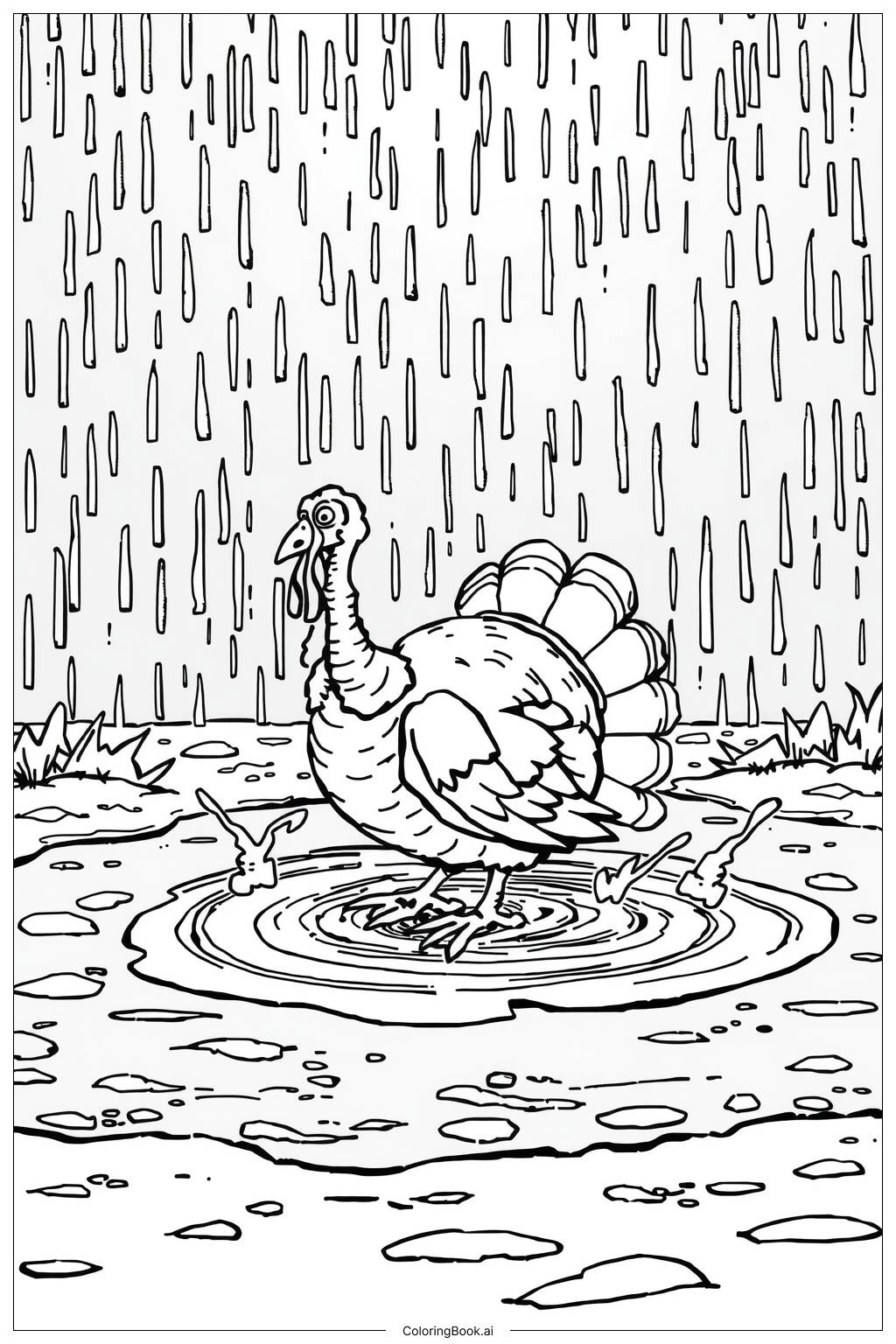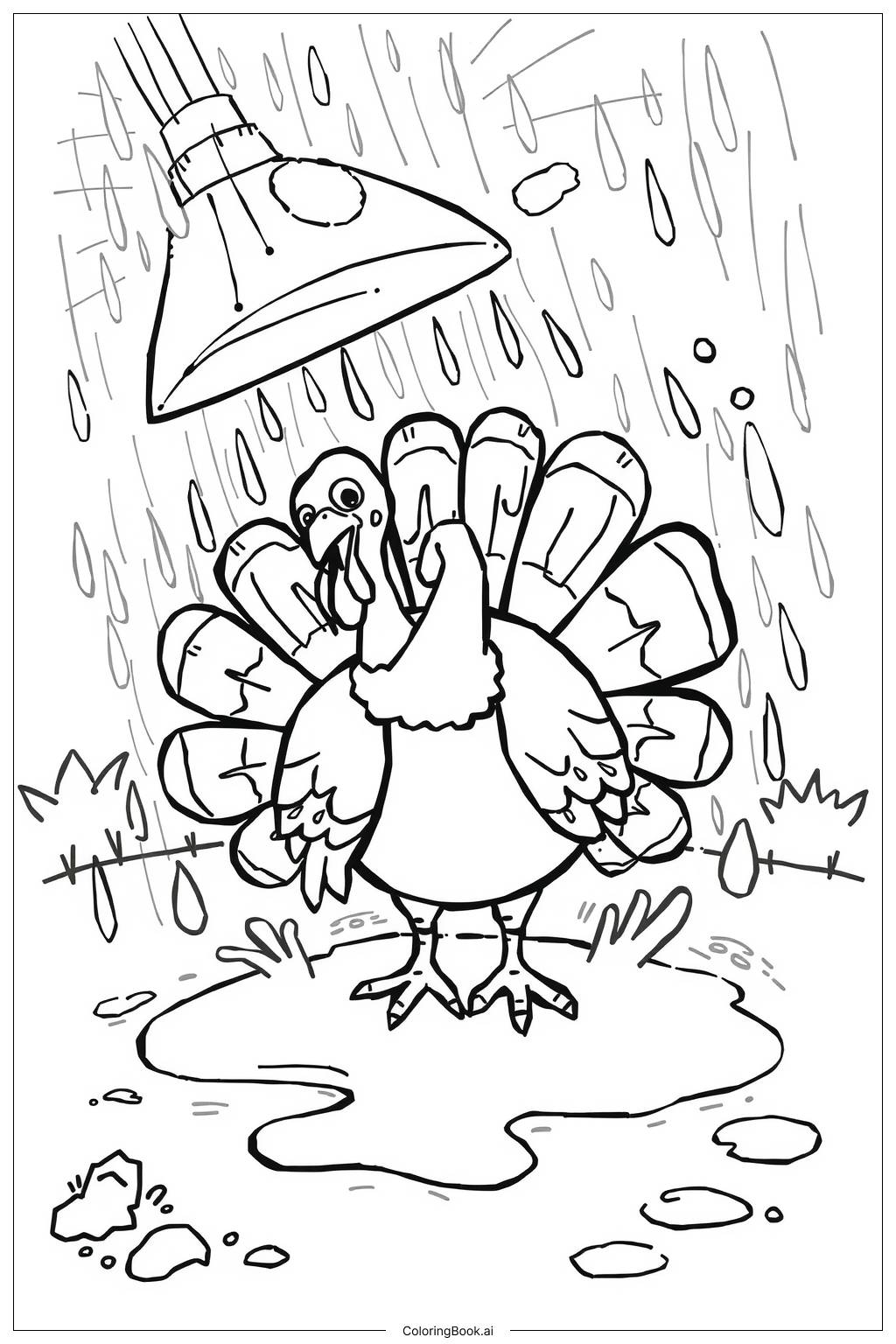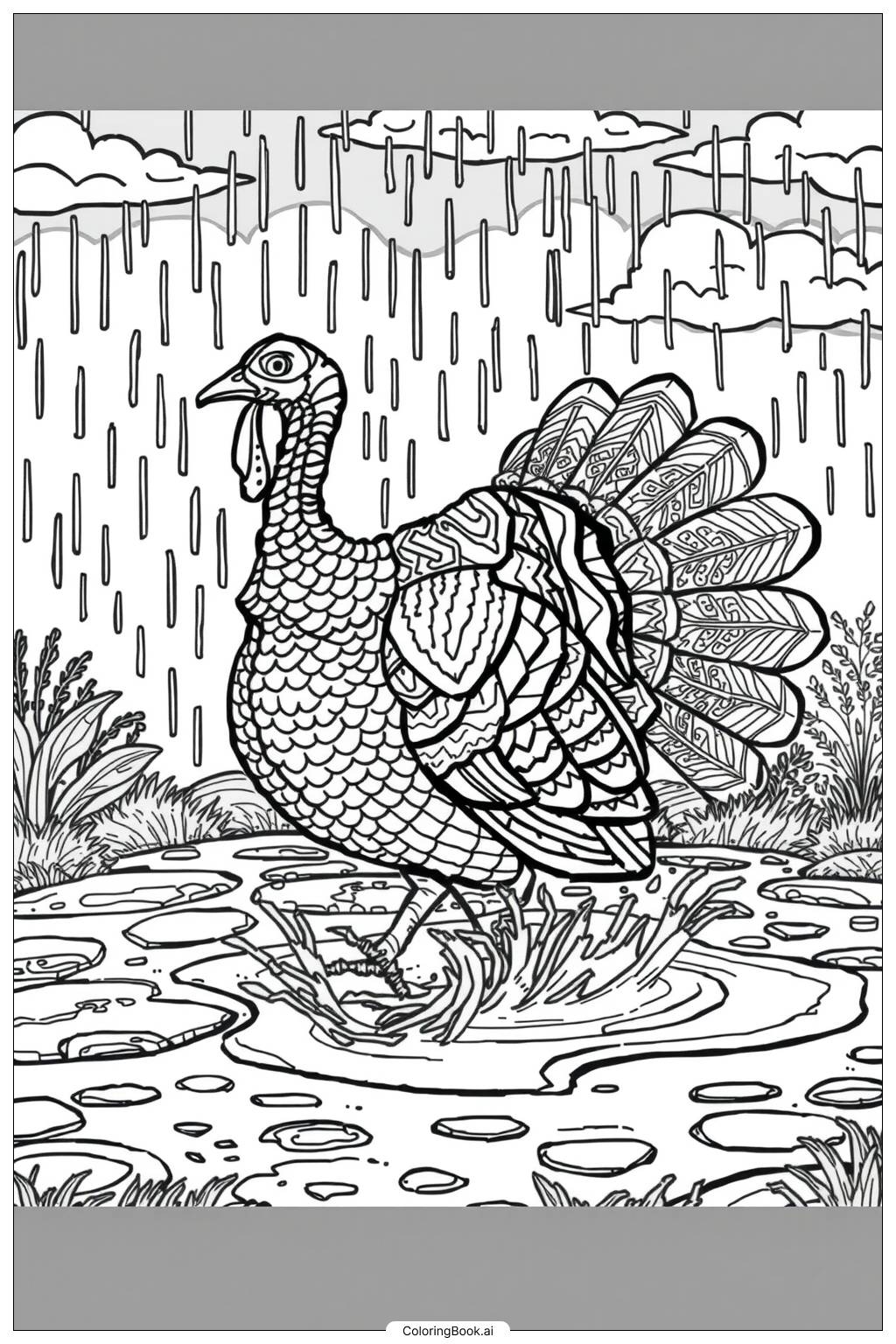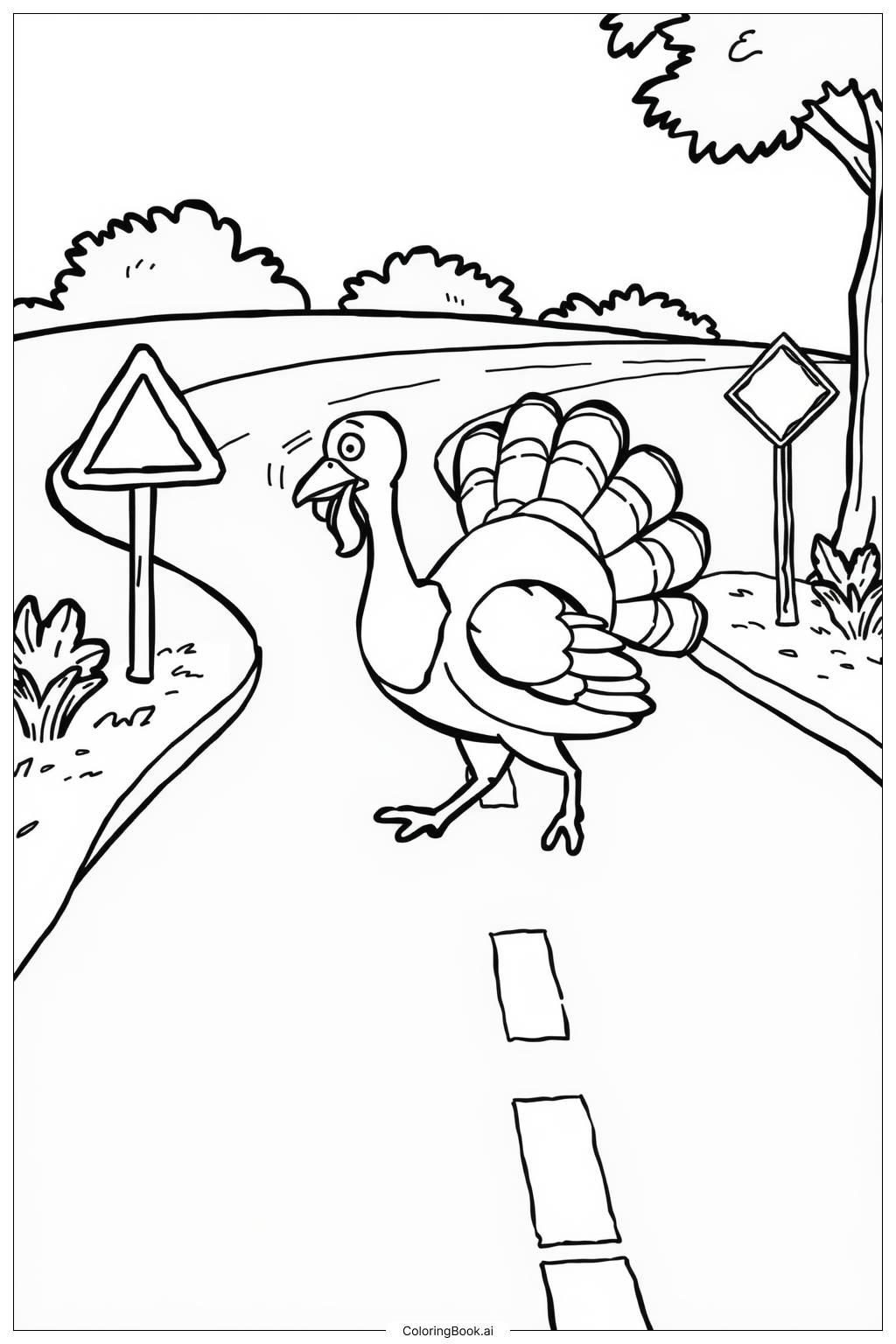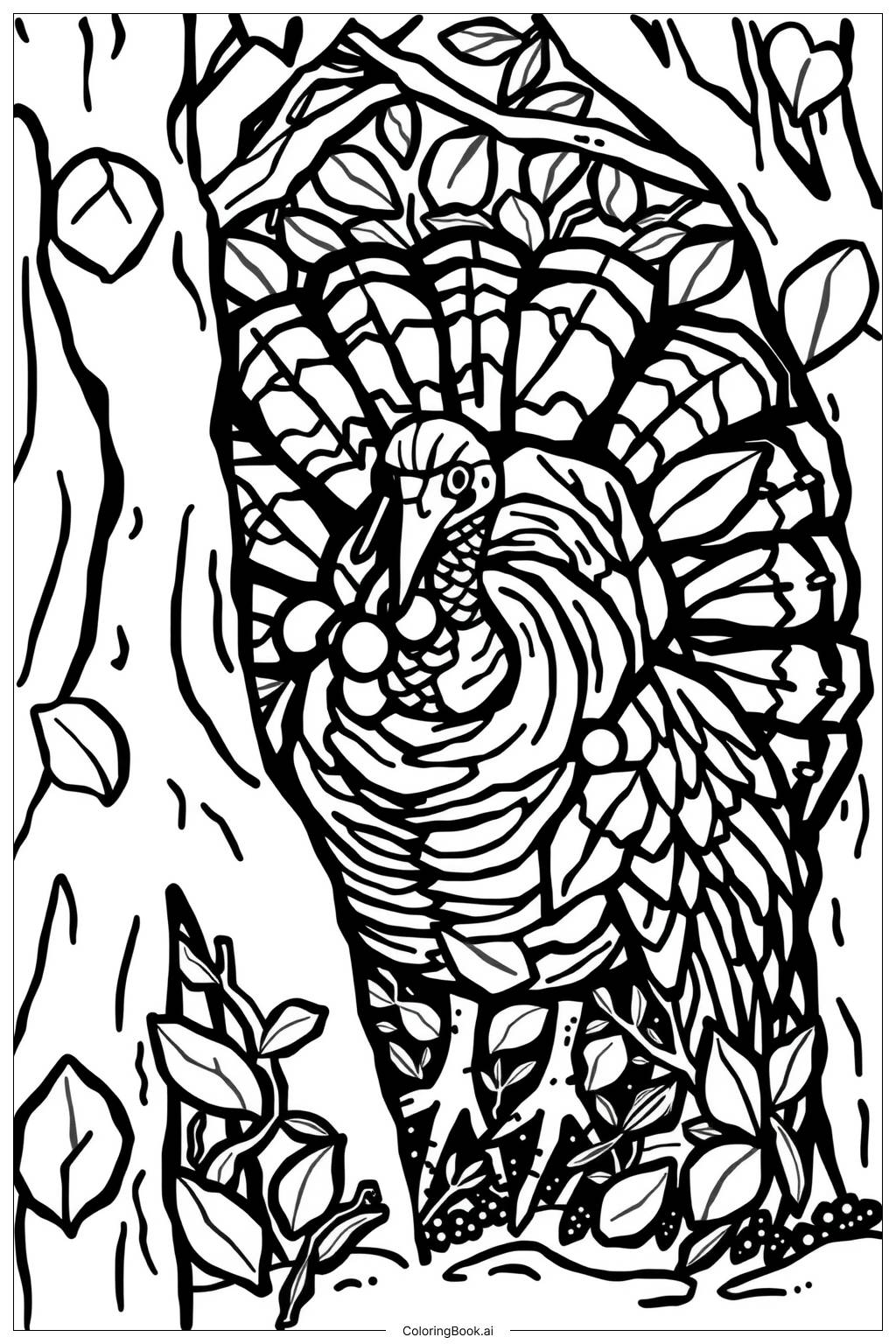
Coloring tips: How to color Turkey Hunter Camouflage coloring page well?
Use shades of green, brown, and tan to bring the hunter’s camouflage to life. Start with earthy greens and browns for the camouflage suit, mixing light and dark tones to show texture. For the turkey, choose rich browns, oranges, and hints of red on the feathers and face to create realism. Add some soft yellows and greens for the leaves and woodland plants in the background. Use darker colors under the turkey’s feathers and lighter ones on top to give depth. Feel free to add a blue sky or sun filtering through the trees to brighten the whole scene.
Coloring challenges: Which parts are difficult to color and need attention for Turkey Hunter Camouflage coloring page?
• Detailed Camouflage Patterns: Coloring the hunter’s camouflage requires careful attention to small irregular shapes and color variations to keep the realistic look.
• Turkey Feathers: The turkey’s feathers have many fine lines and overlapping sections, making it challenging to color within the lines while maintaining feather texture.
• Natural Background: The trees, bushes, and leaves contain many small elements that demand patience for detailed coloring without smudging.
• Light and Shadow: Achieving a sense of depth by coloring shadows and highlights on the hunter and turkey requires blending skills.
• Layered Elements: The overlapping parts of the hunter’s clothing and the turkey’s body create complex sections where colors need to stay separate but harmonious.
Benefits of coloring books: Advantages of drawing Turkey Hunter Camouflage coloring page
Coloring this Turkey Hunter Camouflage image helps improve concentration as you focus on detailed patterns like feathers and camouflage shapes. It develops hand-eye coordination through careful coloring within small areas. The scene encourages learning about nature, wildlife, and outdoor activities like hunting in a respectful way. Blending colors for shadows and light supports creativity and understanding of how colors can create a 3D effect. Overall, this image offers a fun challenge that builds fine motor skills and encourages appreciation for detailed natural designs.