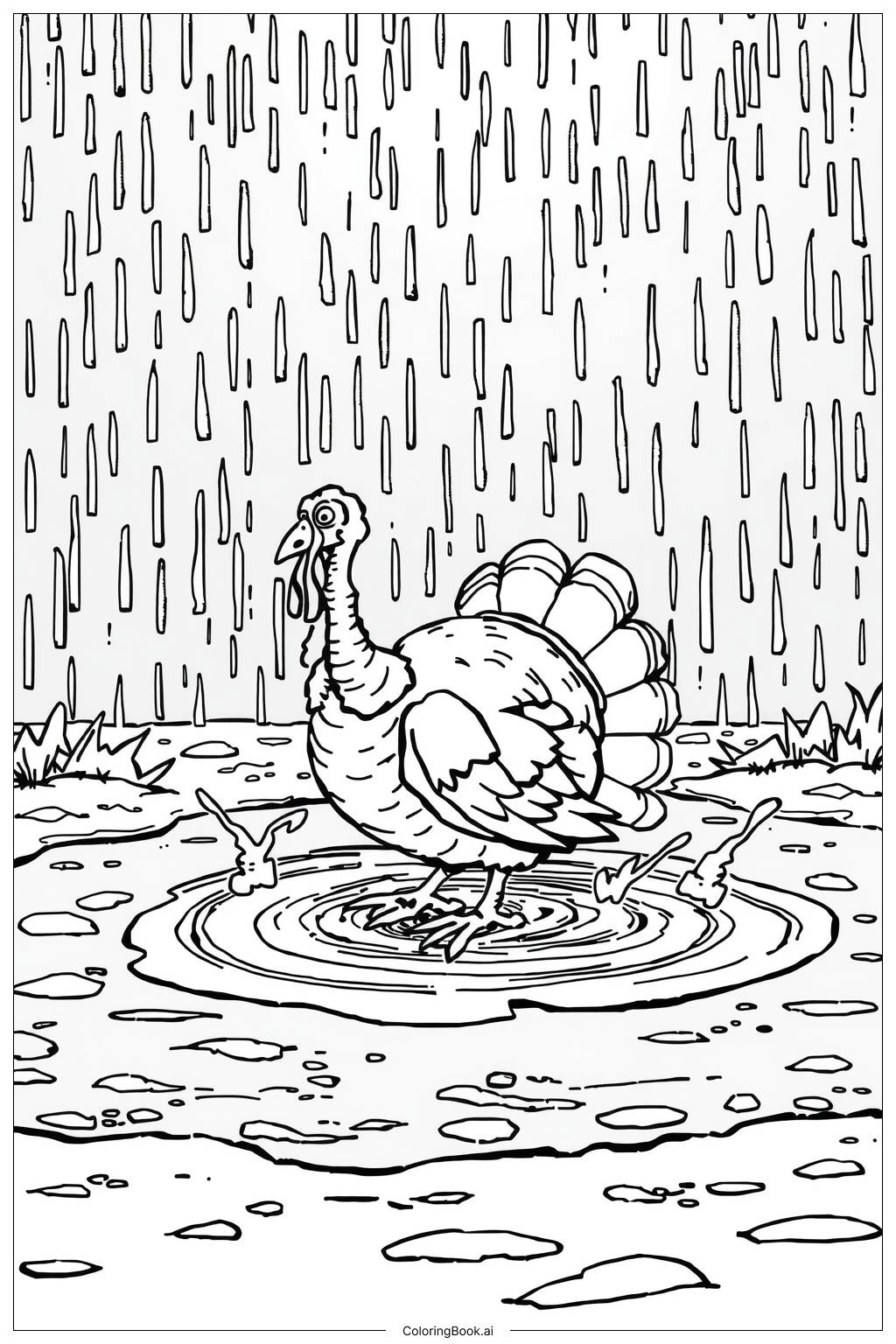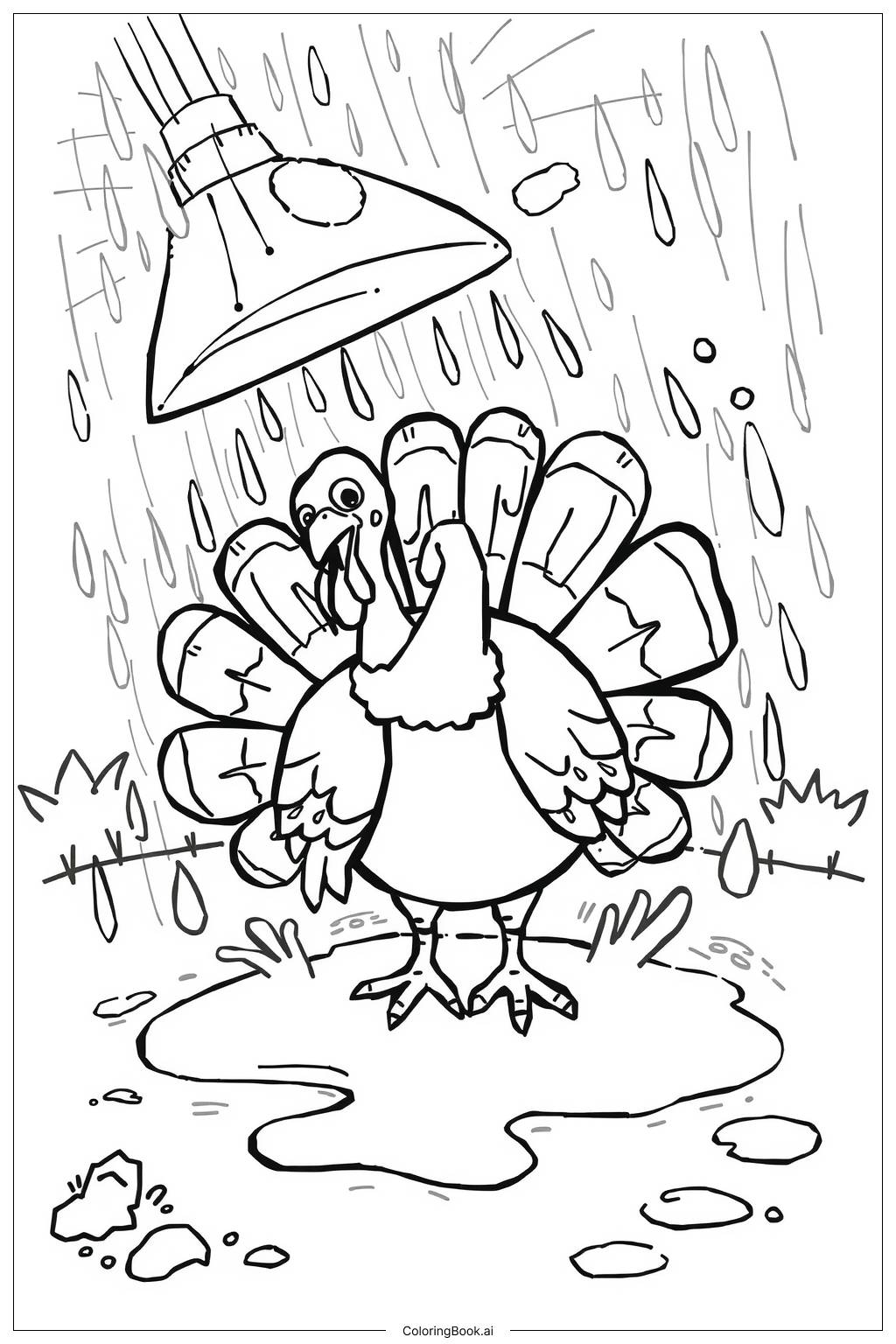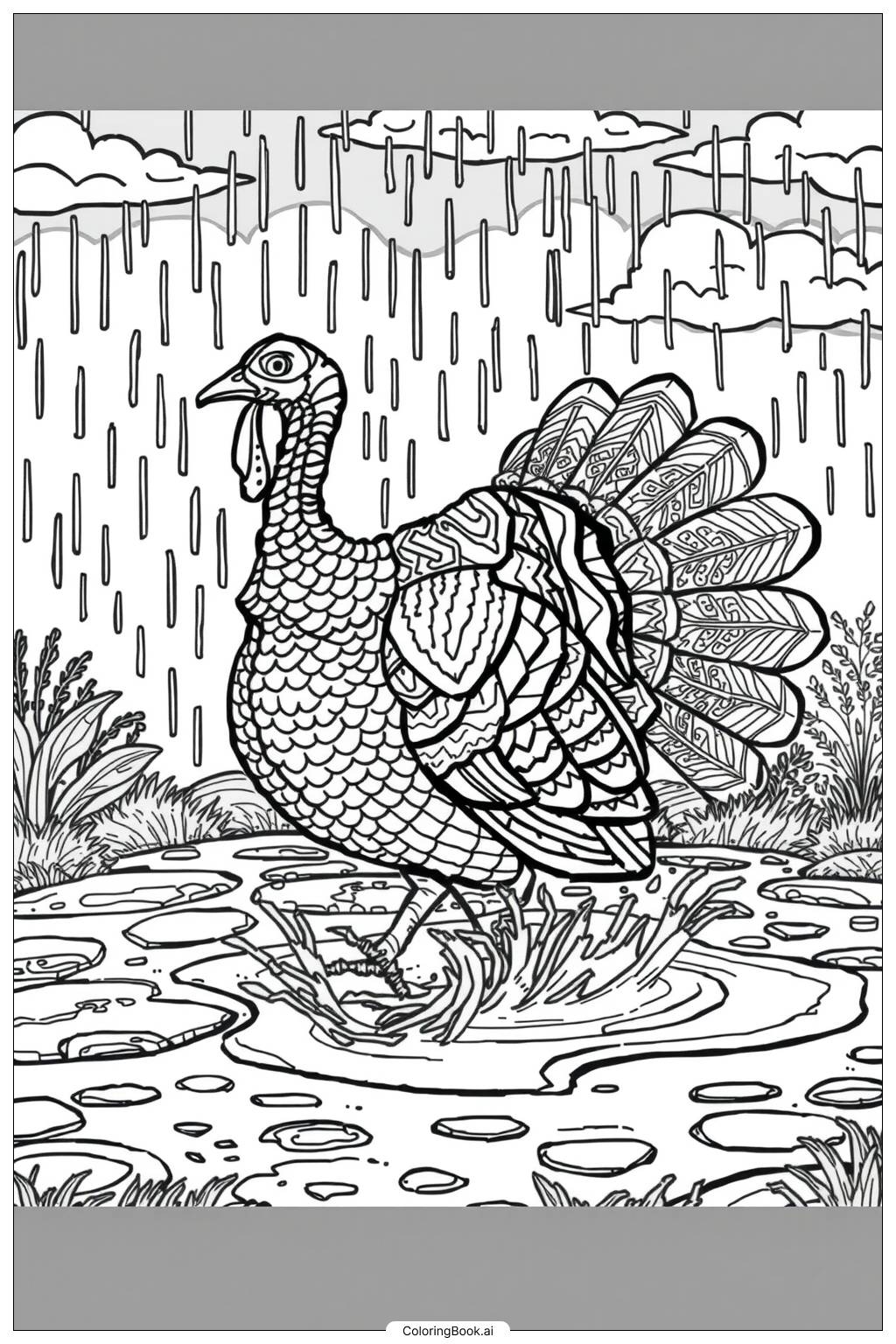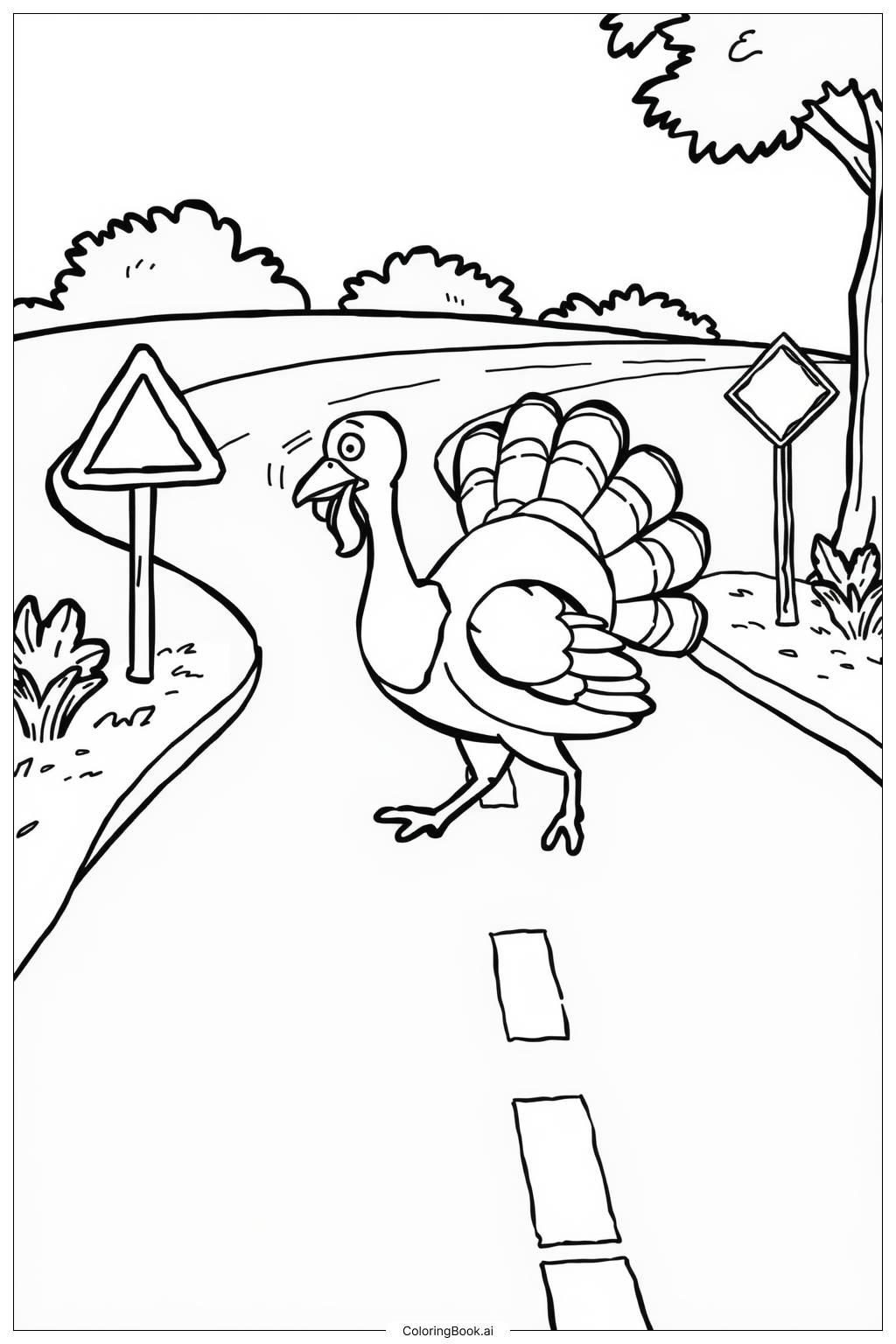
Coloring tips: How to color Turkey Feather Display coloring page well?
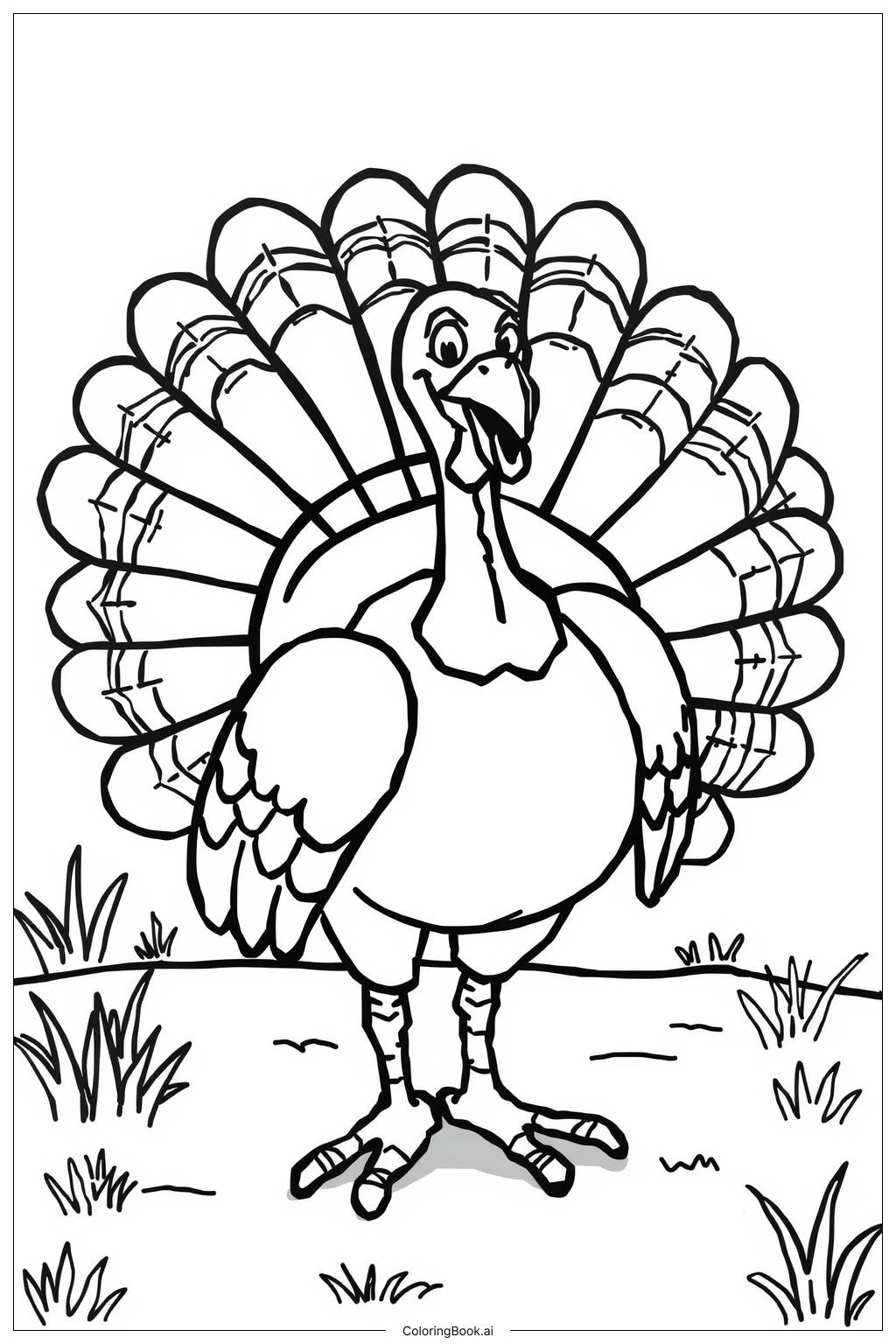
To color this Turkey Feather Display, use warm and natural tones to give the feathers a realistic look. Shades of brown, orange, and gold work well for the feathers. For the eye spots on the tail feathers, try adding hints of blue, green, or bronze to imitate the iridescent colors. The turkey’s head and neck are often red or pinkish, so use bright reds and soft pinks in those areas. The body can be a deep brown or black shade. You can also experiment with brighter colors if you want a fun and creative version. Don’t forget to color each feather carefully to show the pattern and detail in the image.
Coloring challenges: Which parts are difficult to color and need attention for Turkey Feather Display coloring page?
• Feather Details: The turkey’s display has many feathers layered closely together, so coloring each feather neatly without overlapping lines can be challenging. Staying inside the thin lines requires patience and precision. • Small Patterns: Each feather includes detailed patterns and lines that add texture. Coloring these small areas without mixing colors can be tricky and demands focus. • Color Blending: To show the natural shading of feathers, blending different shades of brown, gold, and hints of green or blue works best, but blending colors smoothly with pencils or markers can be difficult for beginners. • Wattle and Head: The turkey’s head and wattle have irregular shapes and must be colored carefully to look natural and lifelike. • Consistency: Maintaining a consistent color theme that brings out the turkey’s rich tones while following the natural look adds complexity, especially when coloring a large and detailed image like this.
Benefits of coloring books: Advantages of drawing Turkey Feather Display coloring page
Coloring this Turkey Feather Display helps improve fine motor skills as it requires detailed attention to color inside the lines and manage small spaces. It encourages creativity by letting you choose natural or imaginative colors for feathers. This activity enhances focus and patience due to the complexity and repetitive feather patterns. It also teaches kids about nature, helping them appreciate the beauty of animals and their features. By completing the image, colorers gain a sense of accomplishment and learn to observe details in art and life.