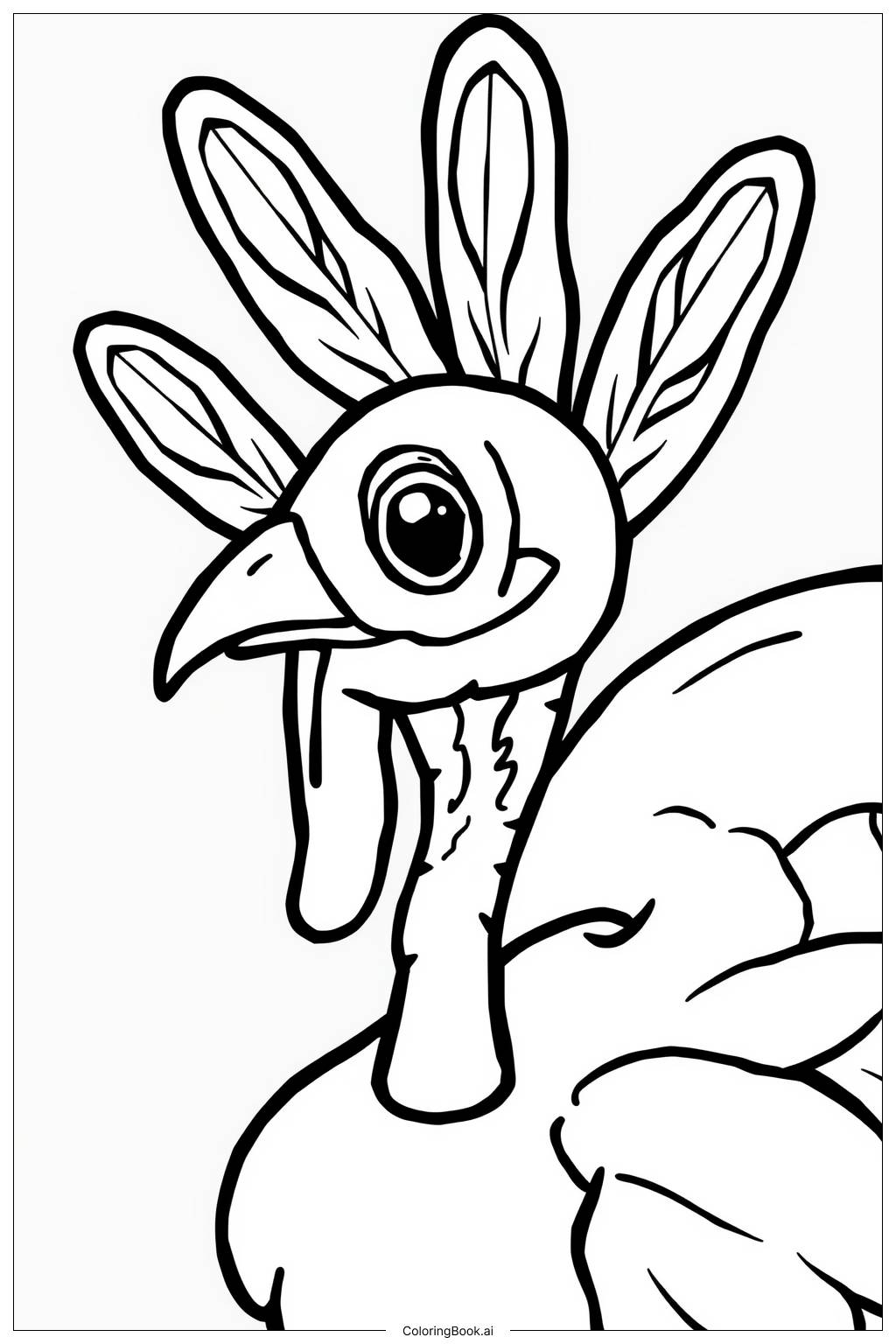
Coloring tips: How to color Single Turkey Feather coloring page well?
For this Single Turkey Feather, try using warm, earthy colors like rich browns, soft tans, and golden yellows to bring out its natural beauty. You can add hints of iridescent colors such as blues, greens, or purples along the feather strands to reflect how turkey feathers sometimes shimmer in sunlight. Use lighter shades near the tip to give a feathery softness and darker shades near the base for depth. Feel free to blend colors gently to create a smooth transition. You might also experiment with bright or imaginative colors to make a creative and playful design. Remember to color slowly and carefully along the fine lines to keep the details clear and neat.
Coloring challenges: Which parts are difficult to color and need attention for Single Turkey Feather coloring page?
• Fine Details: The feather has many thin lines and small barbs that can be hard to color inside without going outside the lines. Staying within these delicate shapes requires careful hand control.
• Gradients and Shading: Creating smooth color transitions from dark to light along the feather shaft and barbs can be tricky, especially for younger children or beginners.
• Texture Representation: Capturing the soft, silky feel of the feather using only color requires subtle blending techniques and varied strokes.
• Symmetry and Shape: Maintaining the curved shape and symmetrical appearance of the feather while coloring evenly on both sides can be challenging.
• Color Choice Balance: Choosing colors that look natural yet vibrant without overpowering the delicate lines demands a good eye for color harmony and restraint.
Benefits of coloring books: Advantages of drawing Single Turkey Feather coloring page
Coloring this Single Turkey Feather helps improve fine motor skills as you practice staying inside the small detailed areas. It encourages patience because carefully shading and blending the feather’s delicate structure takes time. Coloring natural objects like feathers connects children to nature and introduces them to textures and patterns they see in the real world. This activity also sparks creativity when choosing colors and experimenting with blending or imaginative designs. Overall, it supports focus, color recognition, and an appreciation for the beauty found in simple natural elements.