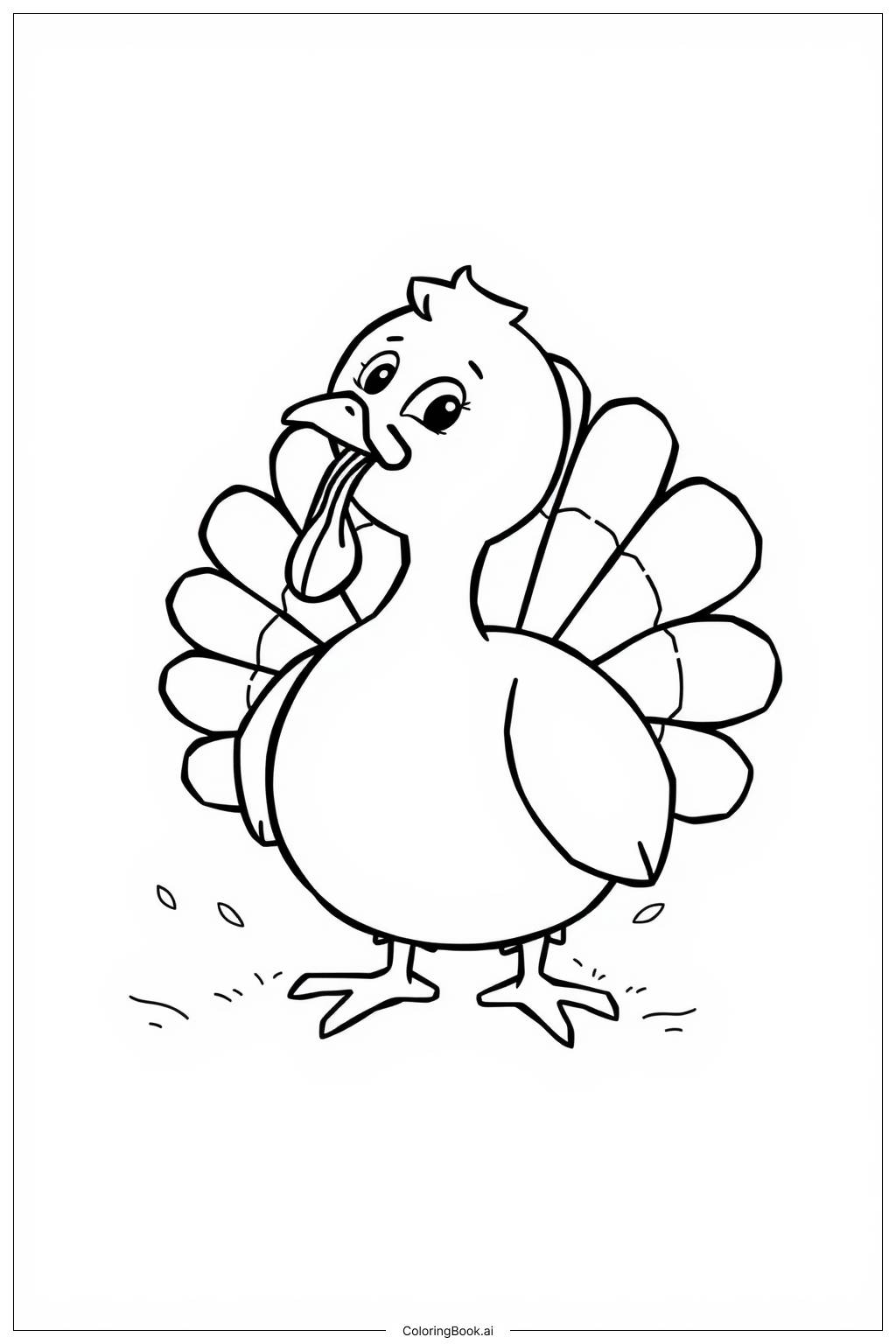
Coloring tips: How to color Baby Turkey Wobbling coloring page well?
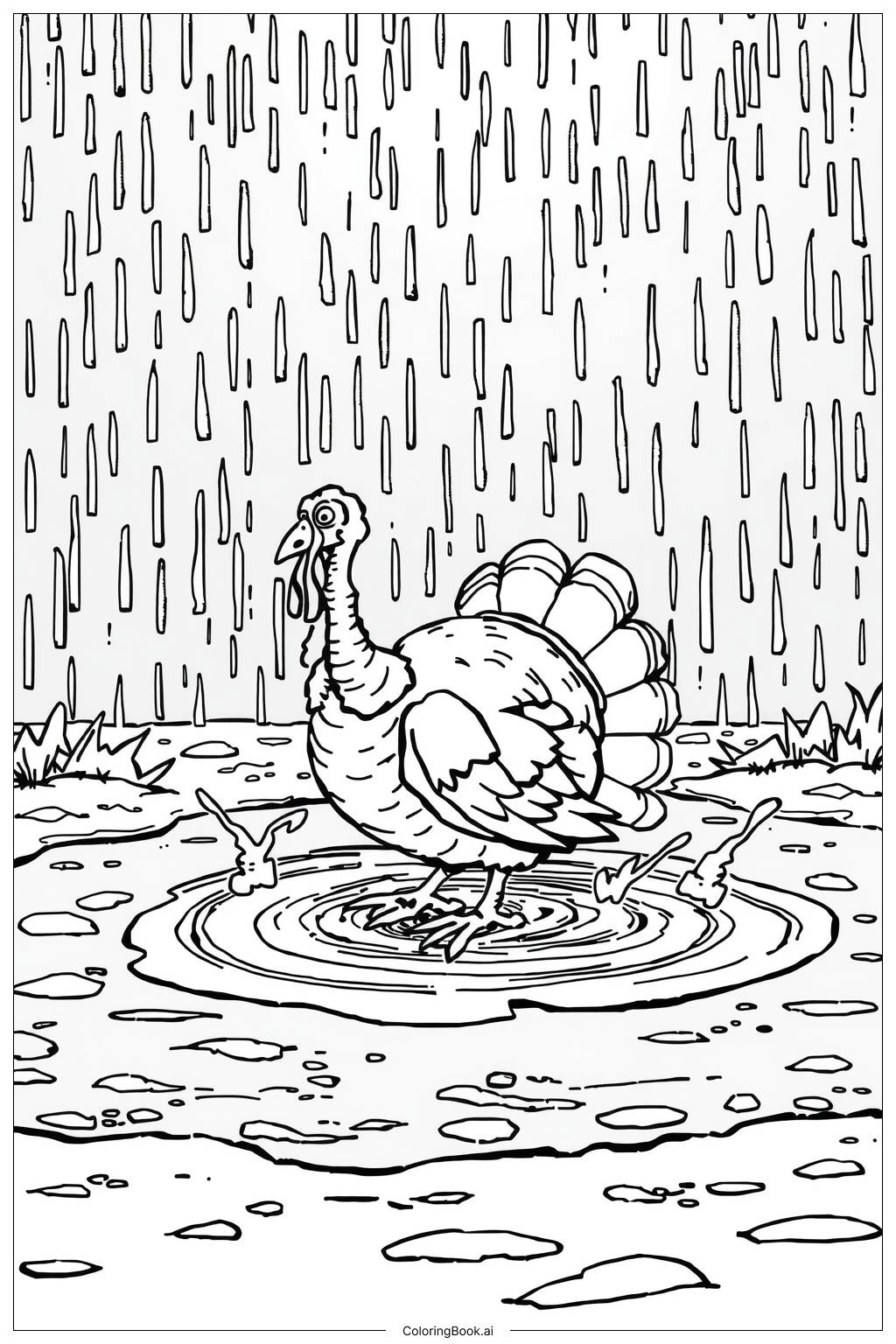
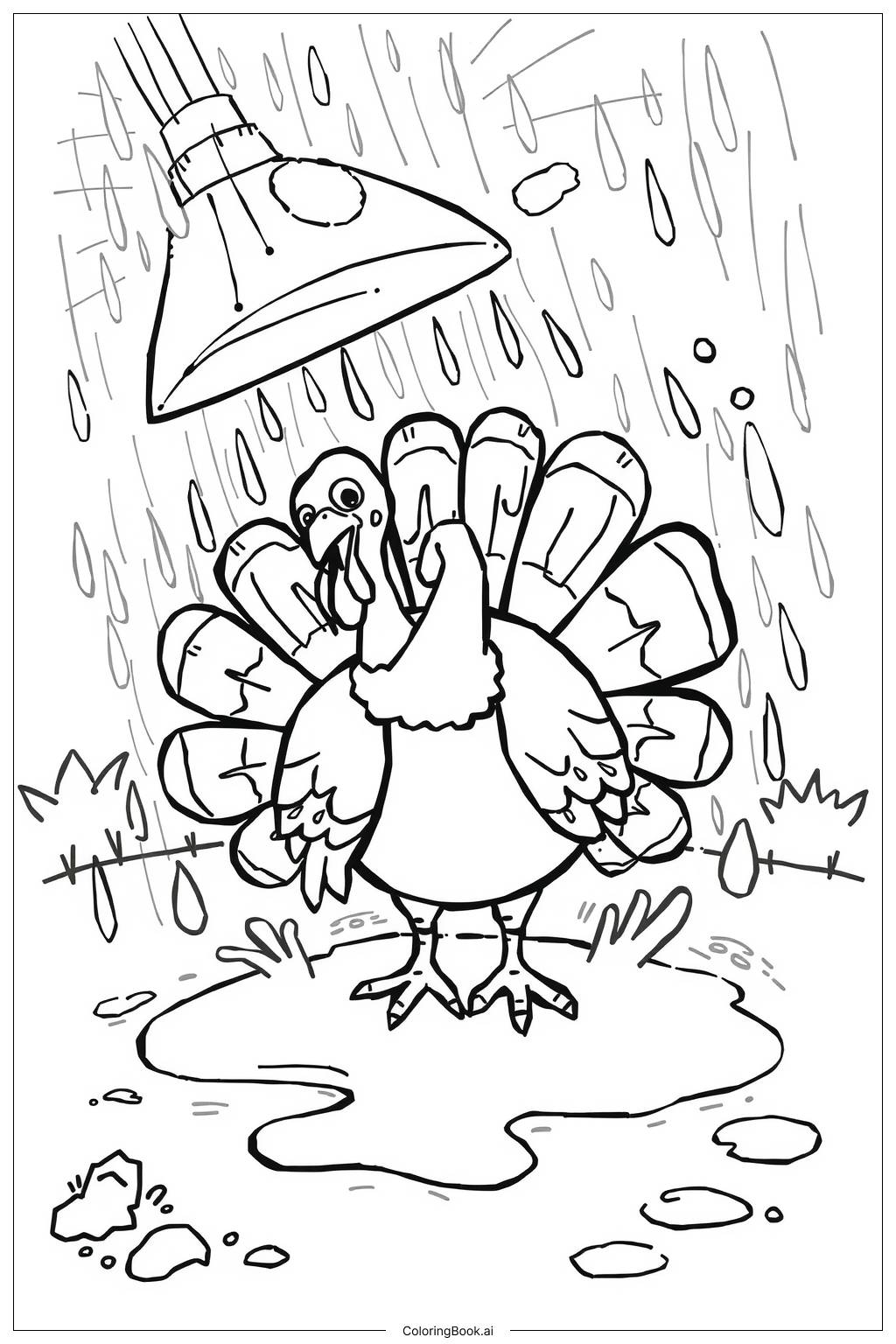
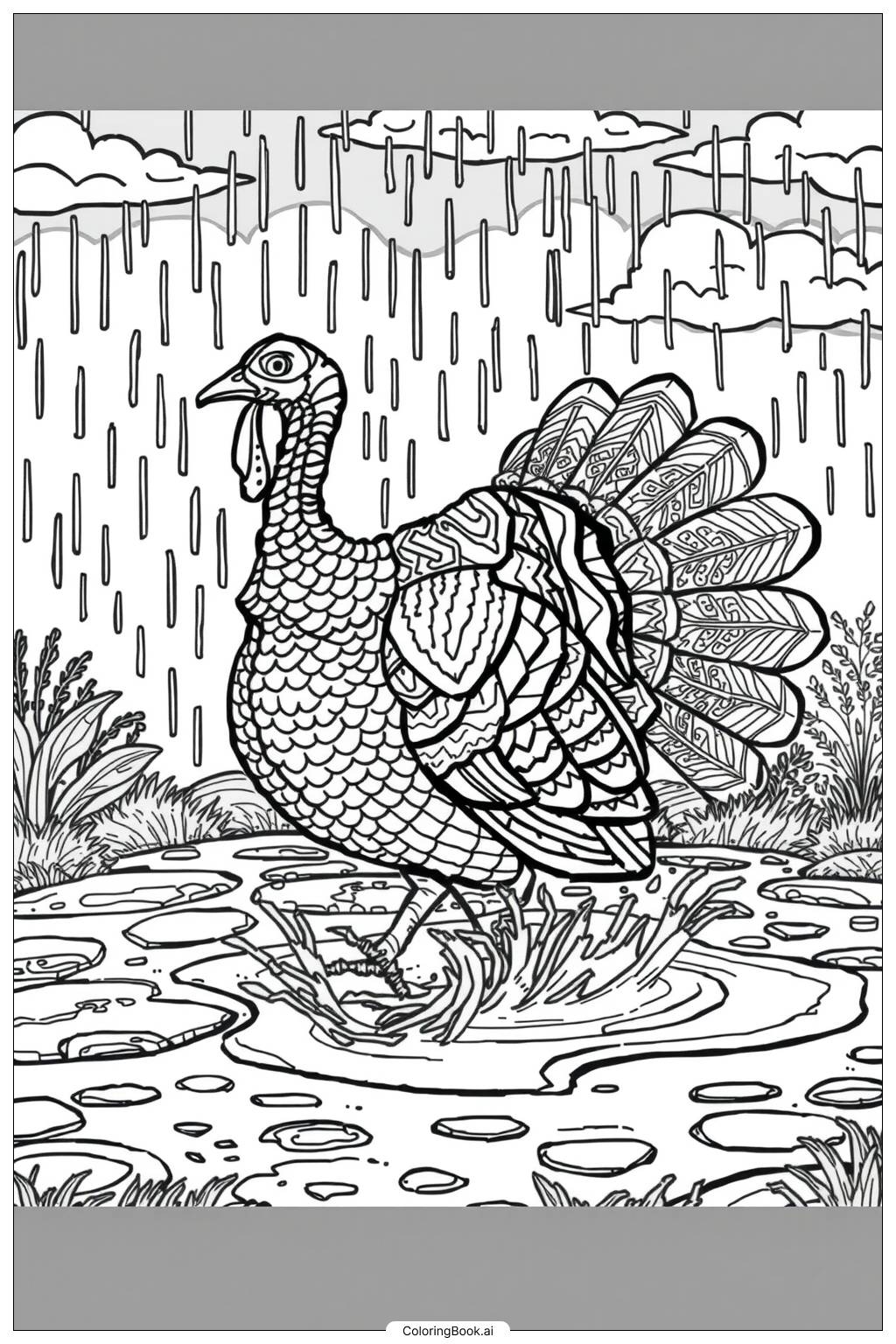
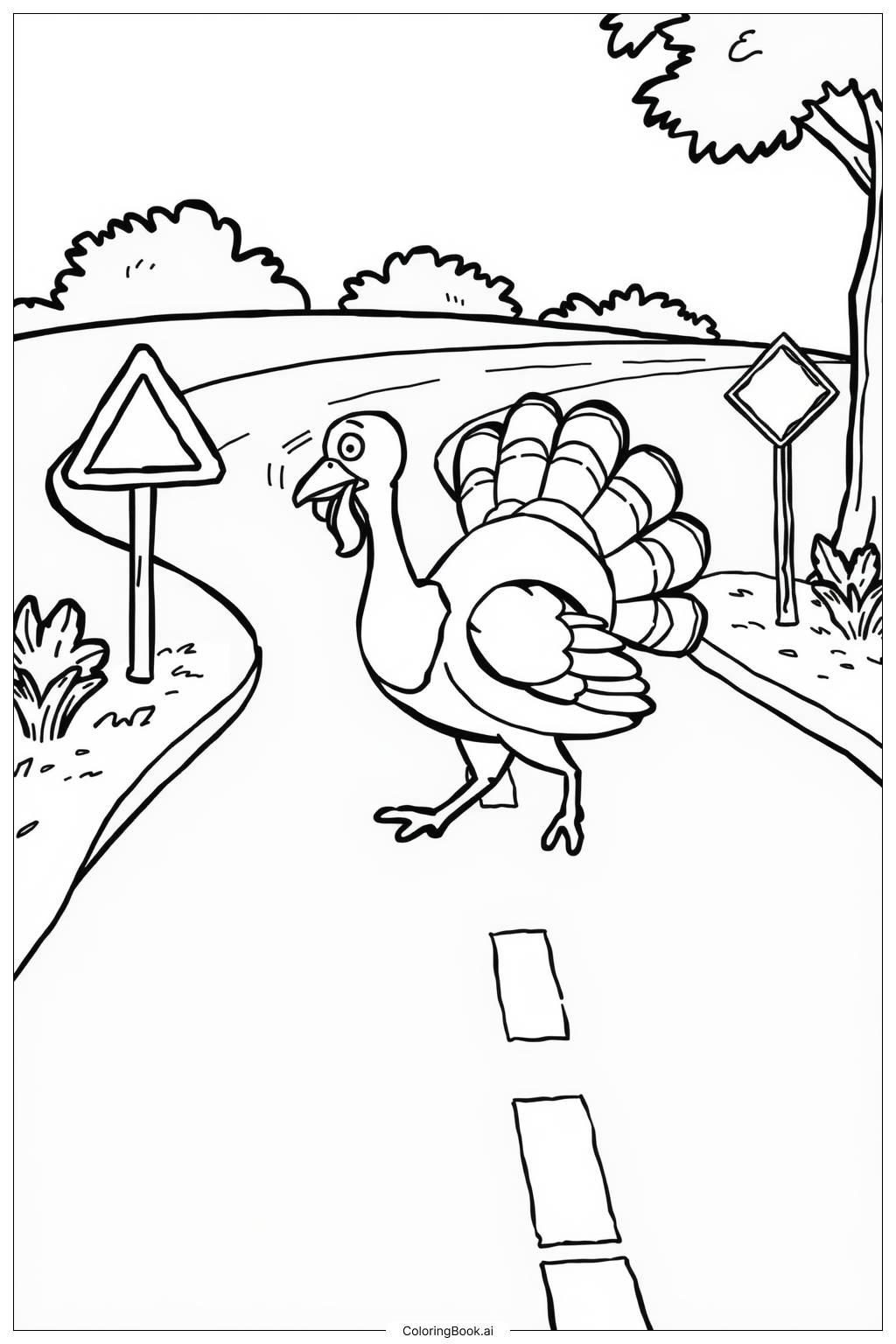
For this picture, warm browns and soft oranges work very well to color the baby turkey's feathers. You can use lighter shades for the fluffier parts to show softness. Bright yellow or beige is great for the small feet and beak. For added fun, try coloring the eyes with dark brown and add a little white highlight to make them sparkle. The tail feathers can be colored with a mix of dark brown and warm reds to create a nice contrast. Keep the background light or use soft pastel colors to make sure the baby turkey stands out. Feel free to be creative with patterns or speckles on the feathers for extra charm.
Coloring challenges: Which parts are difficult to color and need attention for Baby Turkey Wobbling coloring page?
• Feather texture: The baby turkey's feathers are fluffy and detailed. Coloring each feather area while keeping the softness can be tricky for young colorers who find blending colors challenging. • Wobbling pose: The turkey’s unsteady stance includes lifted wings and uneven legs. Capturing the sense of movement through coloring might require careful attention to shadows and highlights which can be difficult. • Small details: The tiny feet, beak, and eyes have fine details that require precise coloring to avoid going outside the lines, which can be hard for beginners. • Feather layers: The tail and body feathers overlap in several places. Distinguishing the separate layers through color shading demands patience and some skill. • Minimal background: Because the background is simple, the baby turkey’s colors must stand out strongly, so choosing the right balance of colors is important to avoid a flat look.
Benefits of coloring books: Advantages of drawing Baby Turkey Wobbling coloring page
Coloring this baby turkey image helps children practice fine motor skills as they carefully fill in small details like the feet and feathers. It encourages creativity by allowing them to experiment with different shades of brown, orange, and red. The image’s wobbly pose teaches attention to movement and balance, which can enhance observational skills. Coloring soft textures like fluffy feathers improves hand-eye coordination and the ability to layer colors gently. Overall, it offers a fun and engaging way for kids and adults alike to connect with nature and learn about the appearance of baby animals while developing artistic skills.