Coloring tips: How to color Tree With Swing coloring page well?
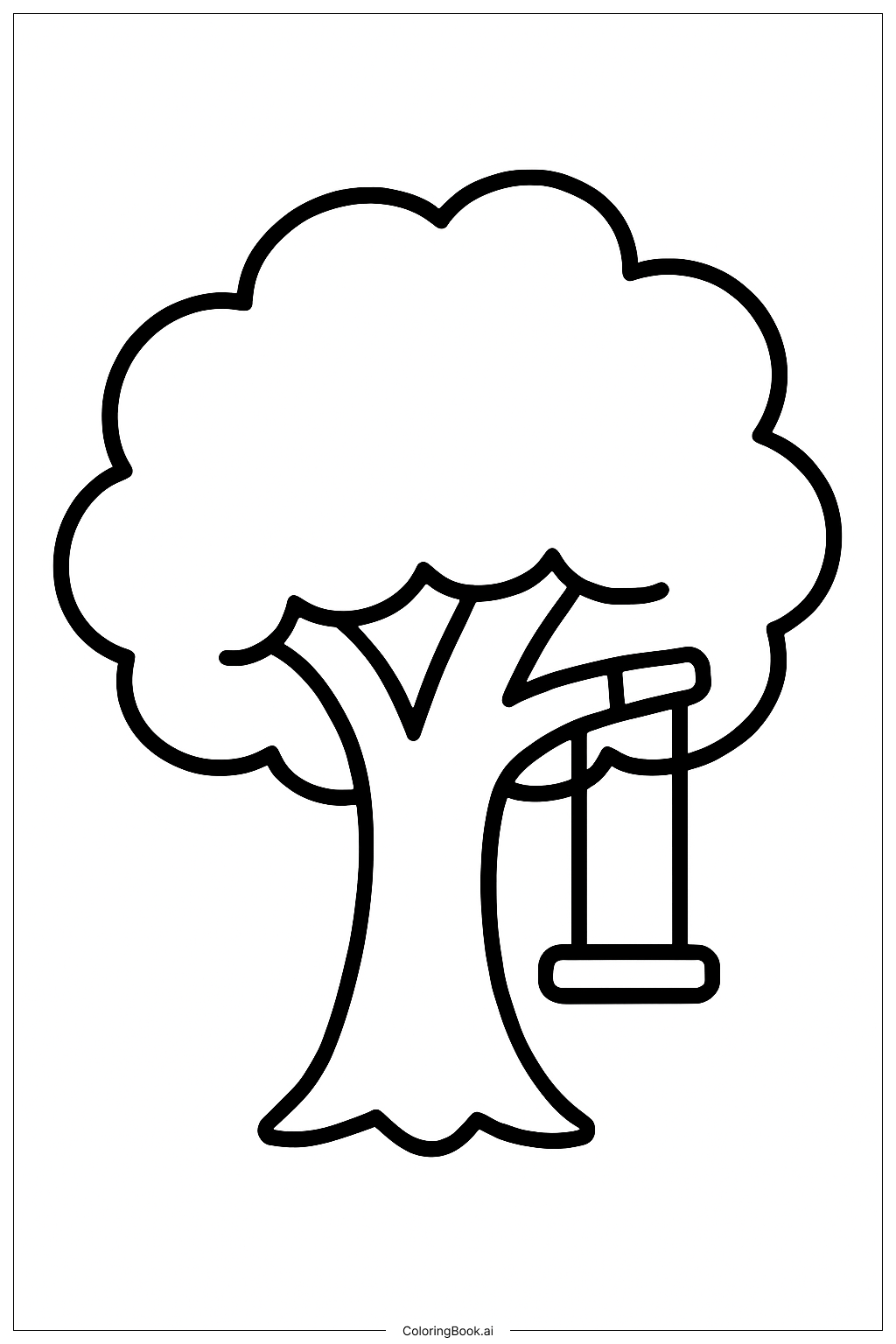
For coloring this Tree With Swing, try using different shades of green to make the leaves look lively and natural. You can blend light and dark greens or add touches of yellow or brown to show sunlight and shadows. The Tree trunk can be colored using rich browns with some texture to give it a rough look. For the Swing, use bright colors like red, blue, or yellow to make it stand out from the Tree. You might also add a soft blue or warm orange for the sky background. Don’t forget to color the ground in earth tones, such as light brown or green. Have fun mixing colors to bring this peaceful scene to life!
Coloring challenges: Which parts are difficult to color and need attention for Tree With Swing coloring page?
• Leaf Details: The many leaves in the Tree’s canopy can be tricky to color carefully without smudging or mixing too much. Finding a balance between darker and lighter tones helps show depth but requires attention to small shapes. • Rope Texture: Coloring the ropes of the Swing to look like tightly twisted fibers needs smooth, consistent strokes and can be challenging to make them appear real. • Shadow Areas: Some parts of the Tree trunk and branches are shaded, so adding shadow with darker browns or greens while maintaining the light areas can be difficult for beginners. • Consistent Filling: Avoid leaving white spots inside the leaves or trunk requires patience and steady hand movements to fill in all gaps evenly. • Swing Position: Since the Swing hangs from the Tree branch, getting the proportions and angles right when coloring helps the image look natural and balanced.
Benefits of coloring books: Advantages of drawing Tree With Swing coloring page
Coloring this Tree With Swing helps improve focus and hand-eye coordination, as children need to carefully fill in the leaves and small details. It encourages creativity by letting them choose different shades of green and bright colors for the Swing. This activity also promotes patience and fine motor skills because it requires coloring small, repetitive shapes like leaves and rope textures. Additionally, it can inspire a connection with nature, helping children appreciate outdoor play and the beauty of a Tree. Coloring the simple yet lively scene can be relaxing and boost confidence as kids see their colorful creation come to life.