Coloring tips: How to color Tiny Bonsai Tree coloring page well?
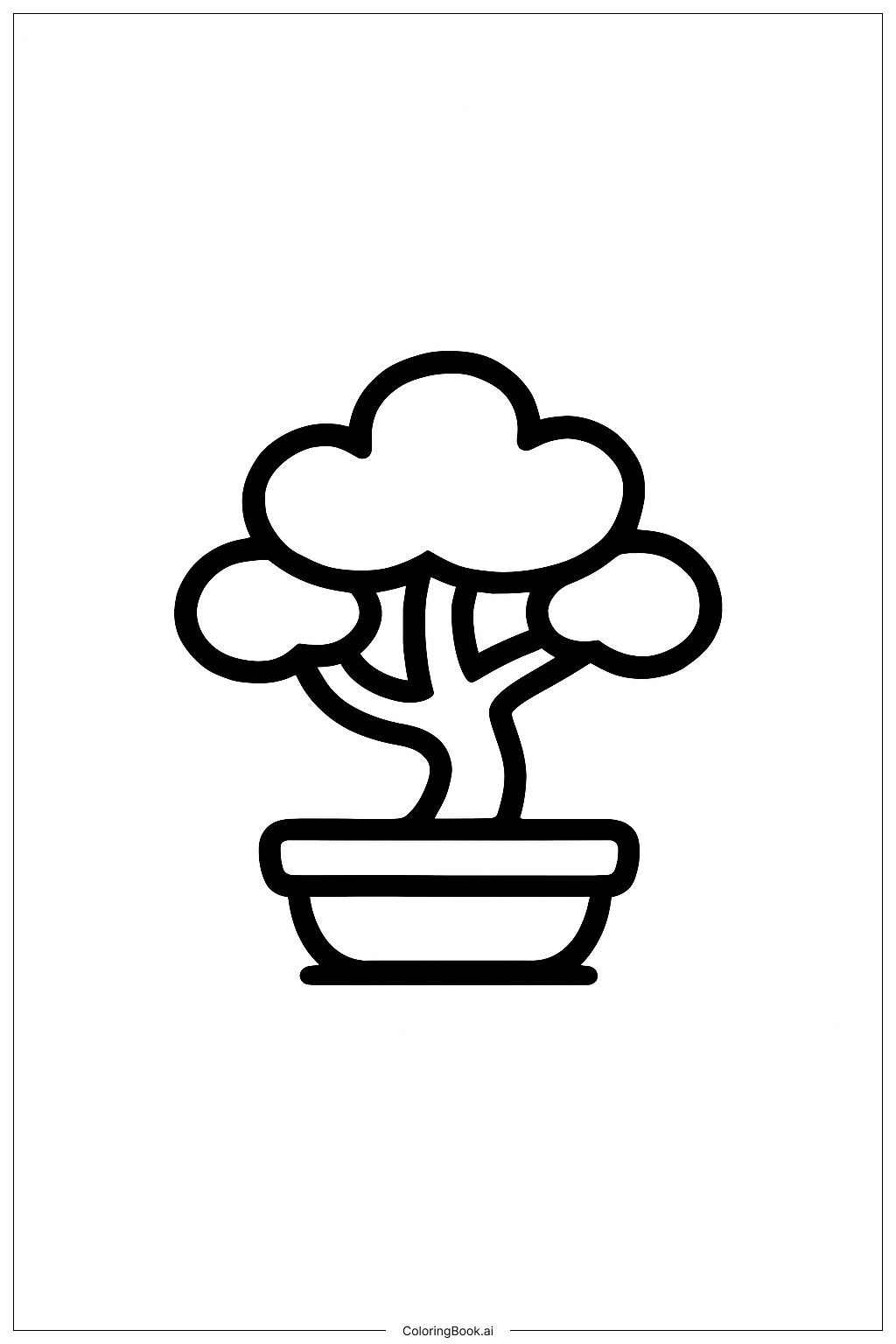
Start with the trunk and branches. Use warm browns and tans, adding darker shades along the edges and in the grooves to show the bark's texture. For the leaves, try different shades of green — light green for the newer growth and deeper green for the inner clusters. You can also add a touch of yellow-green to make the tree look fresh and alive. Color the pot in earthy tones like terracotta, soft gray, or pale blue — simple colors work best so the tree stays the focus. The soil inside the pot can be dark brown or reddish-brown. If there is a tray or base, use a light neutral shade. Take your time with the small details. Blending colors gently will make your bonsai look full and natural.
Coloring challenges: Which parts are difficult to color and need attention for Tiny Bonsai Tree coloring page?
Coloring this tiny bonsai tree comes with several challenges that will test your patience and skill:
• Trunk Texture Details: The trunk has many fine ridges, grooves, and curves. Staying inside these small lines while shading to show depth requires a sharp pencil or thin marker. Rushing this step can make the bark look flat instead of realistic.
• Layered Leaf Clusters: The leaves appear in overlapping groups along the branches. Each cluster needs slightly different shades of green to look separate and three-dimensional. Keeping the colors distinct without muddying them together takes careful planning.
• Branch Proportions: The branches vary in thickness from the base to the tips. Coloring thicker branches darker and thinner branches lighter helps show their shape, but it is easy to accidentally make them all look the same weight.
• Small Pot Details: The ceramic pot is compact and may include subtle rim lines or a drip tray. These tight spaces are difficult to color neatly, especially near the edges where the pot meets the soil and the tree base.
• Balancing the Overall Composition: Because the tree is small and detailed, keeping visual balance between the trunk, leaves, and pot is tricky. If the leaves are colored too dark or the pot too bright, the natural harmony of the bonsai scene can be lost. Stepping back often to check the overall look will help you maintain a peaceful, unified result.
Benefits of coloring books: Advantages of drawing Tiny Bonsai Tree coloring page
Coloring this tiny bonsai tree page offers many wonderful benefits for kids and beginners alike. Bonsai trees have a calm, peaceful quality, and simply spending time coloring one can help you feel relaxed and focused. It is a great way to take a quiet break from screens and busyness.
Working through the fine details of the trunk, branches, and leaf clusters helps build patience. You learn to slow down, pay attention, and take things one small step at a time — a skill that helps in school and everyday life too.
Choosing colors for the bark, leaves, and pot encourages creative thinking. There is no single right answer, so you get to make your own artistic choices and feel proud of the result.
The detailed linework also strengthens hand control and fine motor skills. Coloring carefully inside small spaces trains the hands and fingers in ways that support writing and drawing.
Finally, learning about bonsai through coloring sparks curiosity about nature, plants, and different cultures. It is a gentle introduction to the art and history of bonsai, making this page both fun and educational.