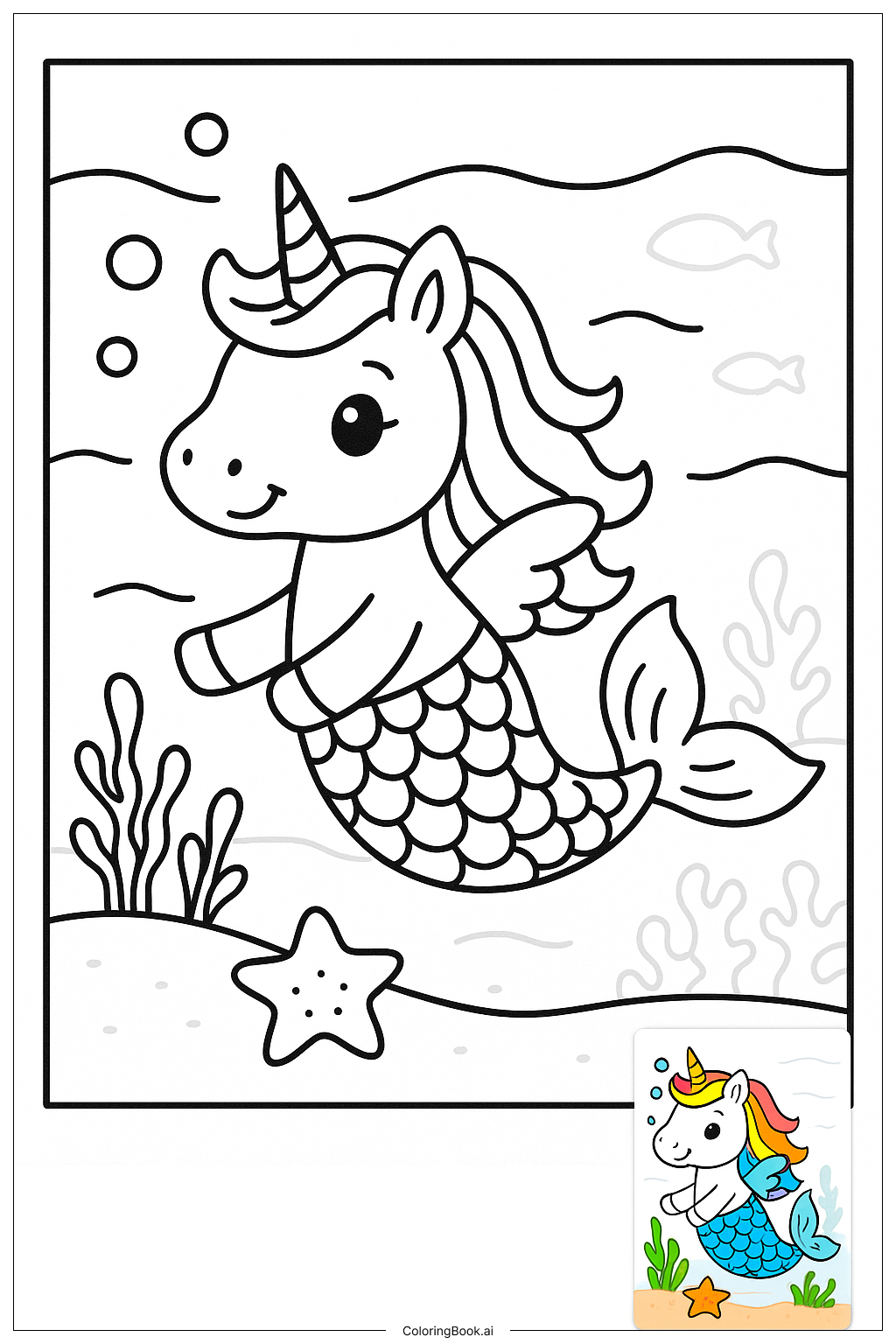
Coloring tips: How to color Tinkerbell Smiling with Wings Open coloring page well?
Start with Tinkerbell's skin using a soft peach or warm beige tone to give her a gentle, glowing look. Color her iconic dress in bright green, which is her classic color. Use a slightly darker green for any folds or shadow areas on the dress to add depth. For her hair, go with a golden yellow or light blonde shade, and add a touch of orange for warmth. Her wings are the most magical part — try a light blue, soft lavender, or shimmery silver to make them look translucent and fairy-like. You can layer two light colors together to create a glowing effect. Use a bright pink or red for her lips, and add rosy cheeks with a light pink or blush tone. Her eyes can be colored in blue or green to match her magical personality. Keep the background simple — a soft sky blue or pale yellow helps Tinkerbell stand out beautifully. Don't forget tiny sparkles or star shapes around her wings if you want to add extra fairy magic!
Coloring challenges: Which parts are difficult to color and need attention for Tinkerbell Smiling with Wings Open coloring page?
• Wing Detail and Transparency: Tinkerbell's wings have very fine, delicate vein-like lines running through them. Staying within these tiny sections without smudging or going over the lines is tricky. Creating a transparent or shimmery look using colored pencils or markers takes patience and a light touch. Layering colors gently is key to making the wings look magical rather than flat and solid.
• Facial Expression and Small Features: Her smiling face includes small details like eyes, eyebrows, lips, and rosy cheeks. These features are very close together and require a fine-tipped tool to color accurately. Getting the smile to look bright and cheerful without darkening the area too much can be challenging, especially for younger colorists.
• Dress Shading and Folds: Her short dress has folds and curves that suggest movement. Adding shading to these areas with a slightly darker green requires blending skills. Without careful shading, the dress can look flat. Understanding where light hits the fabric and where shadows fall helps bring the outfit to life.
• Hair Texture and Highlights: Tinkerbell's hair is tied up in a neat bun with flyaway strands. Coloring hair naturally means using at least two tones — a base color and a highlight. Keeping the highlight areas light while darkening the roots and shadows gives the hair a smooth, realistic look.
• Overall Color Balance: Because Tinkerbell has many different elements — skin, wings, dress, and hair — balancing the colors so they all work together is a real challenge. Choosing colors that are harmonious and not too bold in one area helps keep the whole image looking fairy-tale perfect.
Benefits of coloring books: Advantages of drawing Tinkerbell Smiling with Wings Open coloring page
Coloring this Tinkerbell page brings a wonderful mix of fun and learning for kids. Tinkerbell is a beloved character, so children feel instantly excited and motivated to pick up their coloring tools. This enthusiasm makes the activity feel like play, not work.
Working on her detailed wings and tiny facial features helps children develop fine motor skills and hand-eye coordination. Carefully staying within the lines builds focus and patience, which are useful skills both in and out of the classroom.
Choosing colors for her wings, dress, and hair encourages creative thinking. Children get to make their own color choices, boosting confidence and self-expression. There is no wrong answer — every version of Tinkerbell can be unique and beautiful.
The calming, repetitive motion of coloring also helps reduce stress and anxiety. It gives children a quiet, peaceful activity where they can slow down and enjoy the moment. For older kids and teens, the more detailed areas like the wings offer a satisfying artistic challenge.
Completing the page gives children a sense of pride and accomplishment. Displaying their finished Tinkerbell artwork is a great confidence booster. Overall, this coloring page is a magical way to support creativity, focus, and emotional well-being for children of all ages.