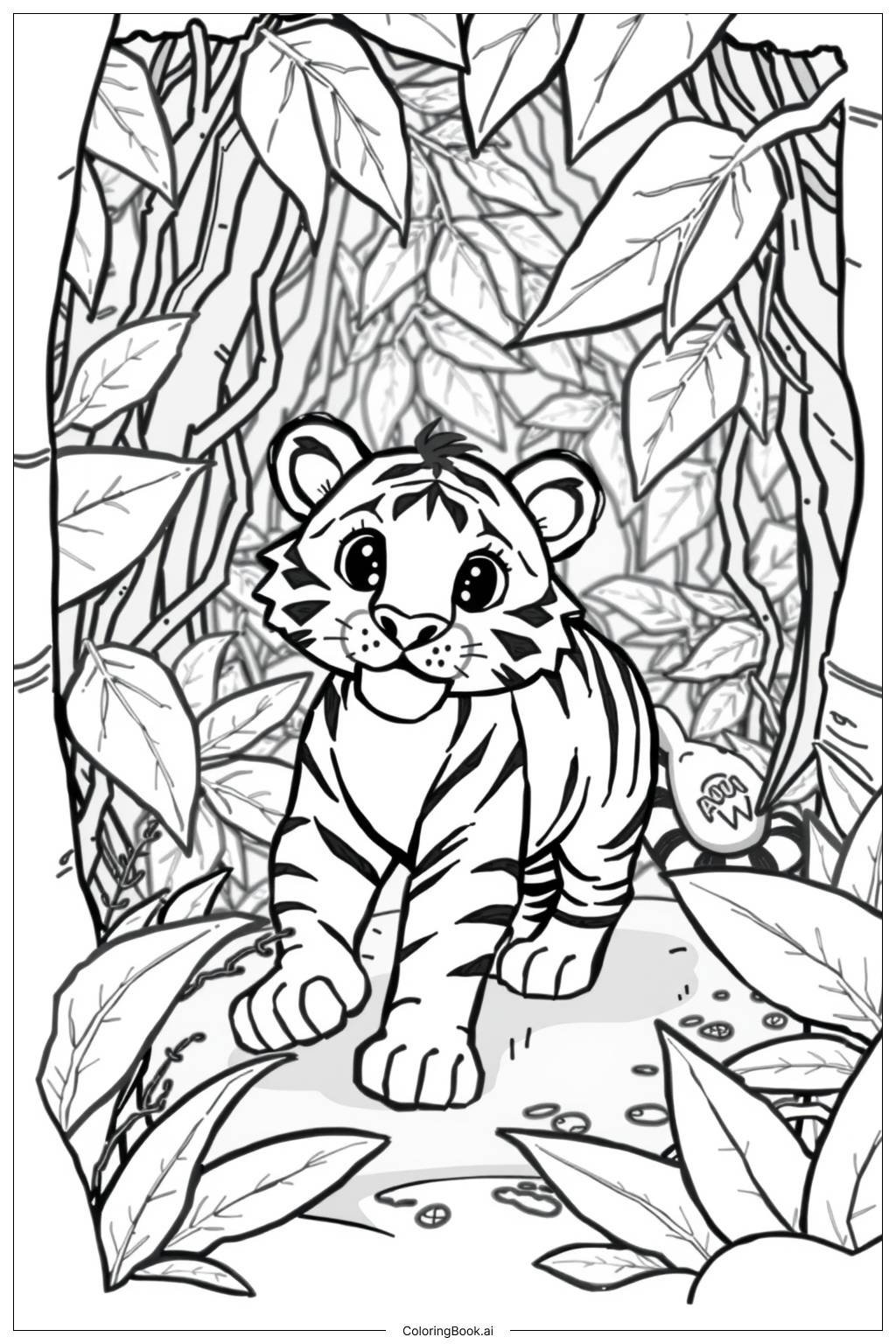
Coloring tips: How to color Tiger in Jungle coloring page well?
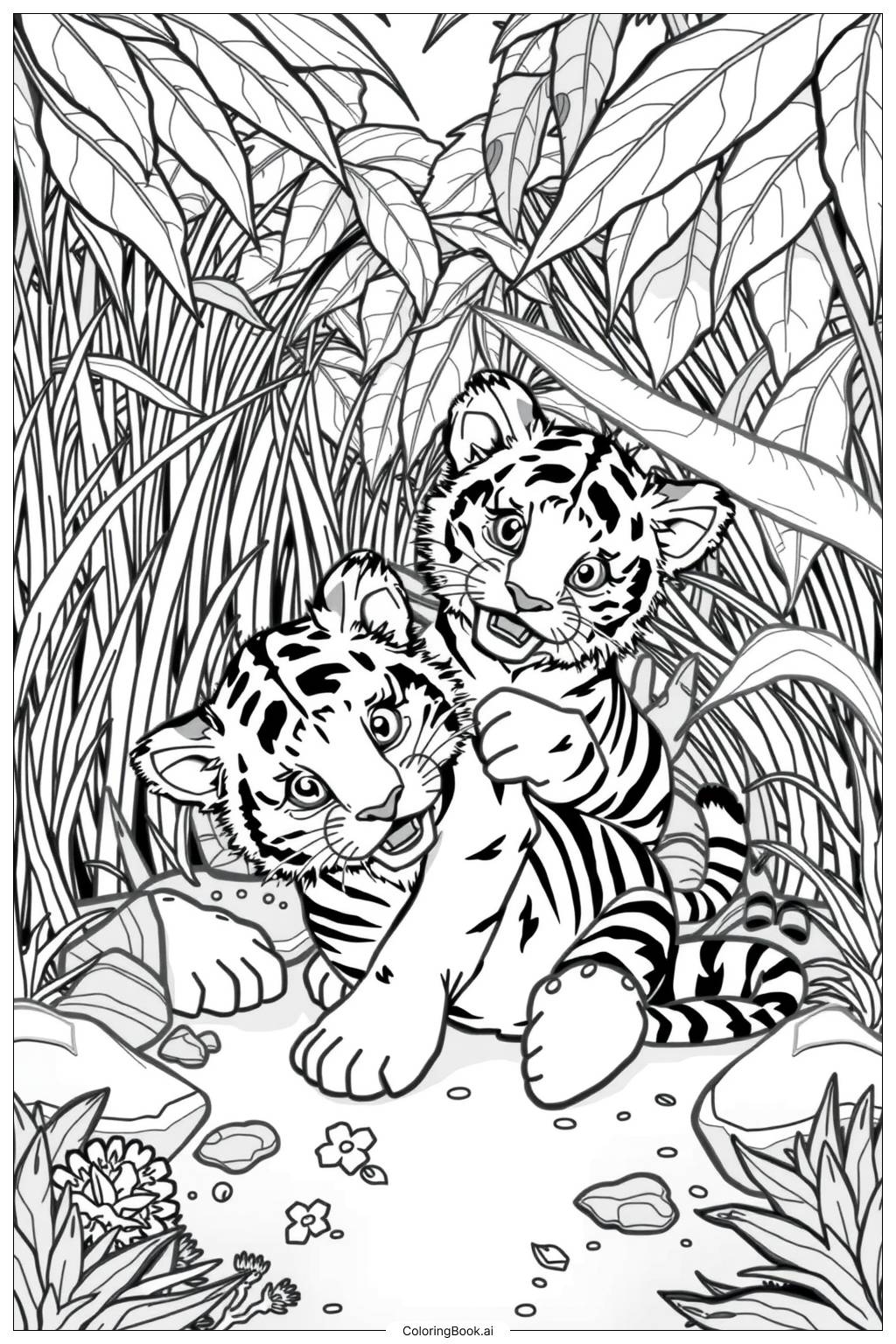
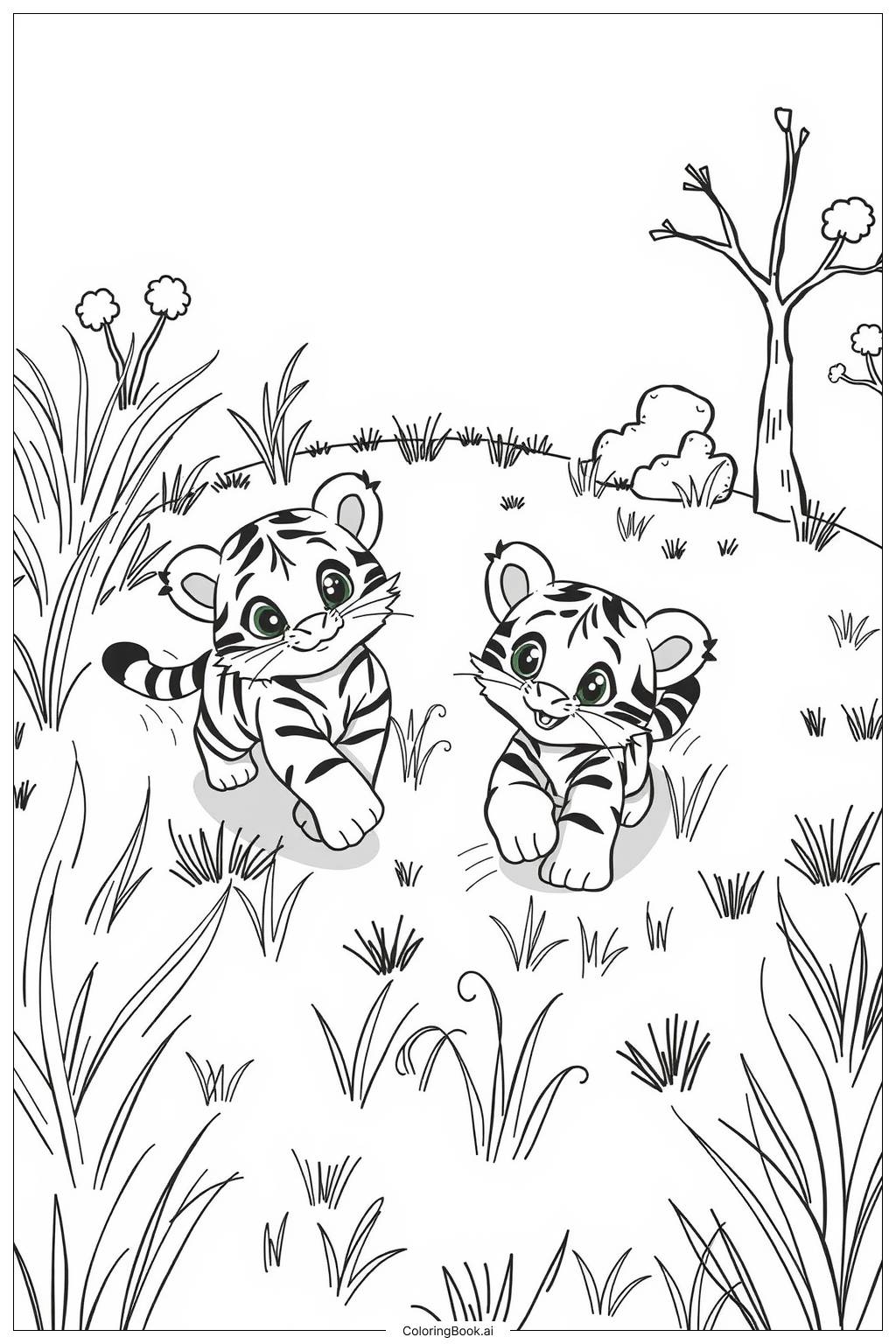
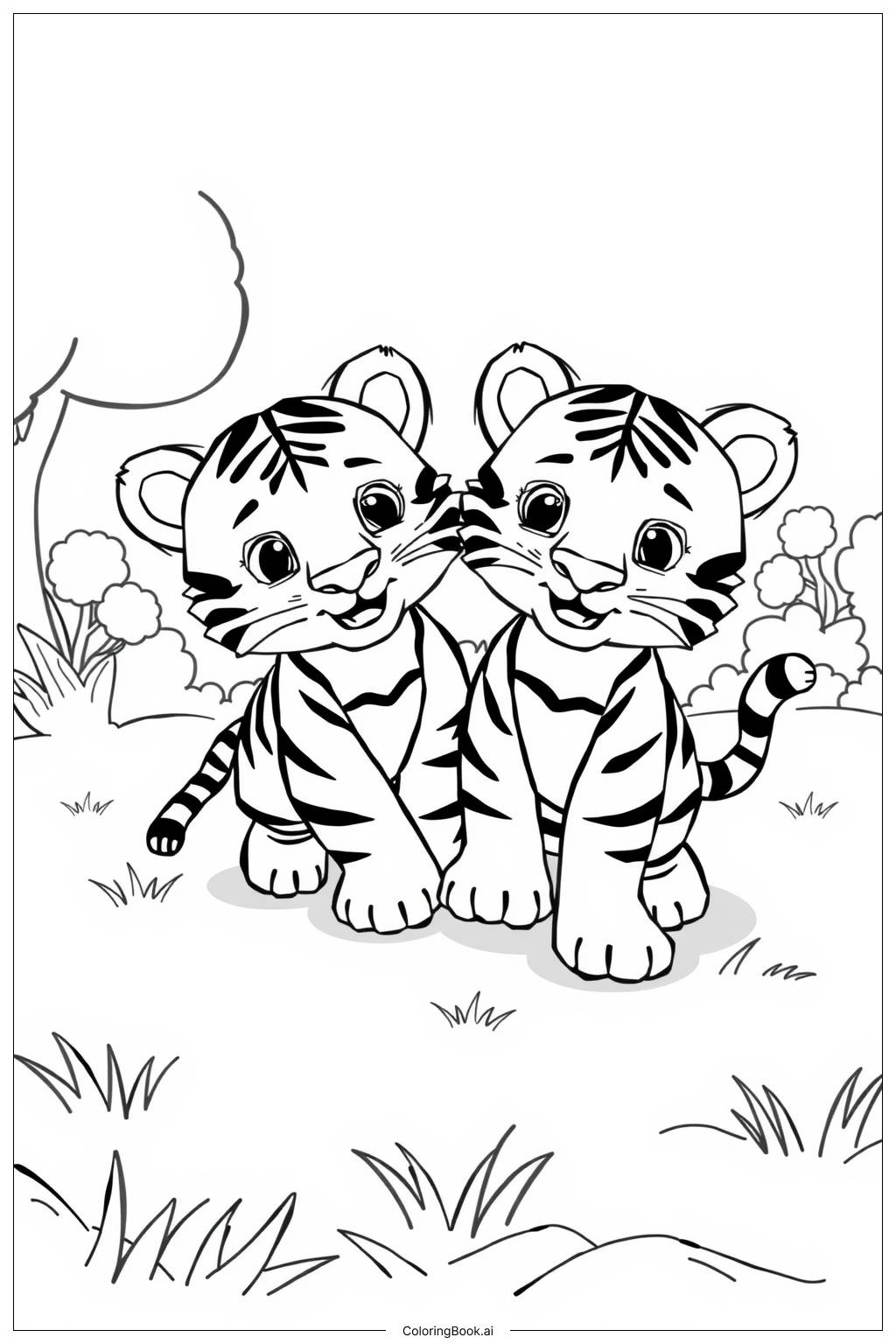
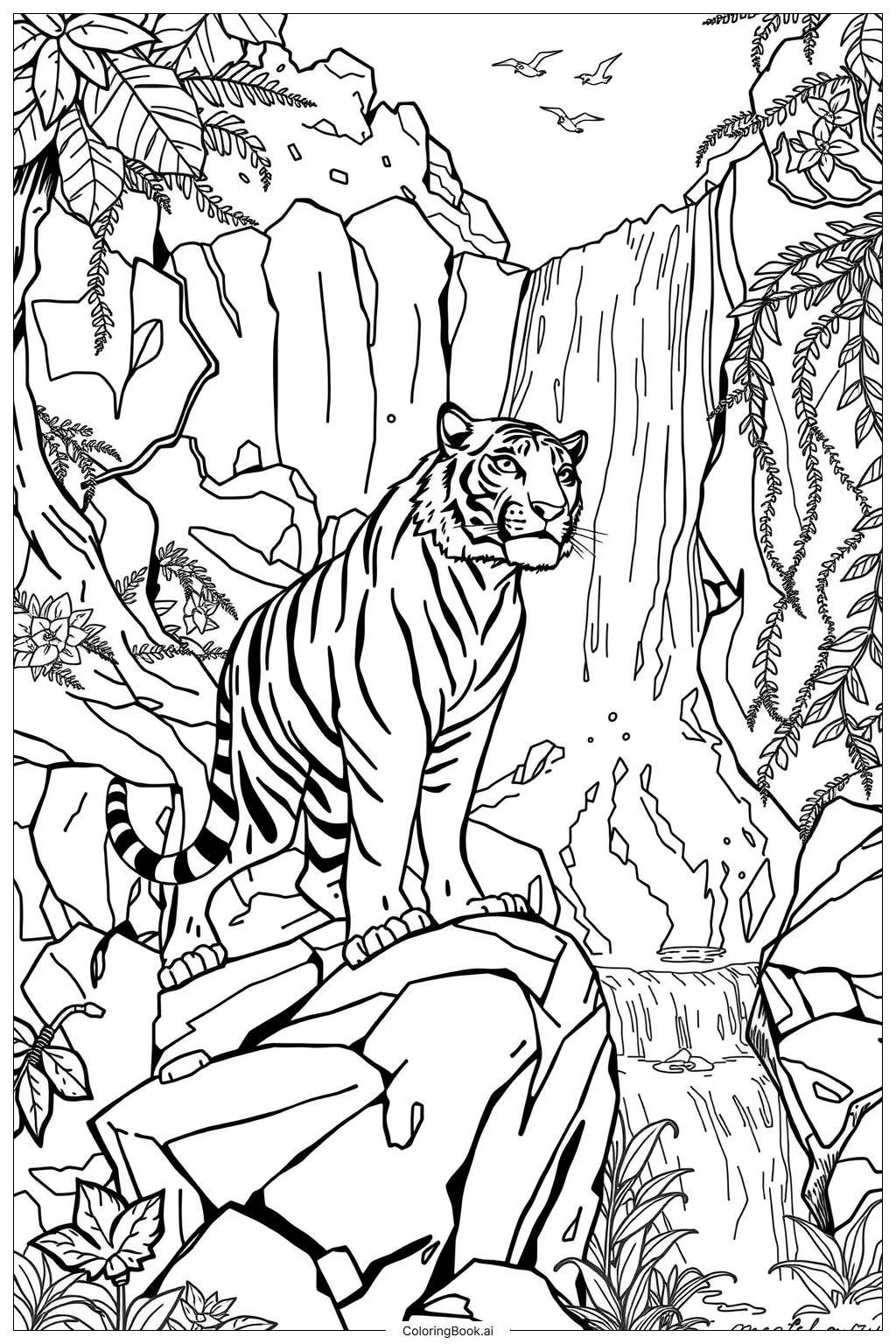
Start with the tiger's body using bright orange as your base color. Use a darker orange or brown to shade areas under the chin, belly, and legs. Fill the stripes with black or very dark brown. Leave the chest, inner legs, and muzzle area white or very light cream. For the eyes, use golden yellow with a dark pupil in the center. Color the jungle leaves in many shades of green — use light green for leaves in the front and darker green for leaves further back. Add some yellow-green to make the scene feel sunny and alive. Brown and tan tones work well for any branches or tree bark. Feel free to mix colors and experiment to make your jungle feel unique and vibrant.
Coloring challenges: Which parts are difficult to color and need attention for Tiger in Jungle coloring page?
• Tiger Stripe Placement: The stripes on the tiger follow the natural curves of its body. Keeping each stripe properly shaped while coloring around the orange base color requires patience. Stripes that are too wide or too narrow can change how the tiger looks, so take your time and work carefully along each stripe.
• Layered Jungle Foliage: The background is filled with leaves at different depths. Coloring each layer a slightly different shade of green helps show distance and depth. This can be tricky because there are many leaves overlapping each other, and it is easy to color two touching leaves the same shade, making them blend together and lose definition.
• Facial Details: The tiger's face has many small features — whisker dots, eye highlights, nose shading, and fur texture around the muzzle. These small areas require a fine-tipped coloring tool and a steady hand. Getting the eyes to look bright and lifelike is one of the most challenging parts of the whole image.
• Smooth Fur Texture: To make the tiger's coat look soft and realistic, short directional strokes work better than flat solid fills. This technique takes practice and time, especially over large body areas like the back and sides.
• Color Transitions: Where the orange fur meets white areas or where light hits the tiger's shoulder and head, blending colors smoothly creates a more natural look. Abrupt color changes can make the tiger look flat, so gentle gradients between shades add realism and dimension.
Benefits of coloring books: Advantages of drawing Tiger in Jungle coloring page
Coloring this Tiger in Jungle scene offers many wonderful benefits for kids and adults alike. Working through the intricate stripe patterns helps develop fine motor skills and hand-eye coordination. Choosing colors for the fur, eyes, and surrounding leaves encourages creative thinking and builds confidence in making artistic decisions.
The jungle setting introduces children to the natural world. As they color the tiger and its environment, they naturally learn about wildlife, tropical plants, and ecosystems in a fun and engaging way.
Focusing on a detailed image like this also promotes concentration and patience. Completing each section step by step teaches children to break big tasks into smaller, manageable parts — a skill that helps in school and everyday life.
For older kids and adults, coloring detailed scenes like this one is a great way to relax and reduce stress. The repetitive motion of coloring is calming and meditative, giving your mind a chance to rest from daily pressures.
Finally, finishing the page gives a strong sense of achievement. Seeing a completed, colorful tiger come to life is rewarding and motivating, encouraging a love of art and creativity that can last a lifetime.