Coloring tips: How to color Thank You Little Fish coloring page well?
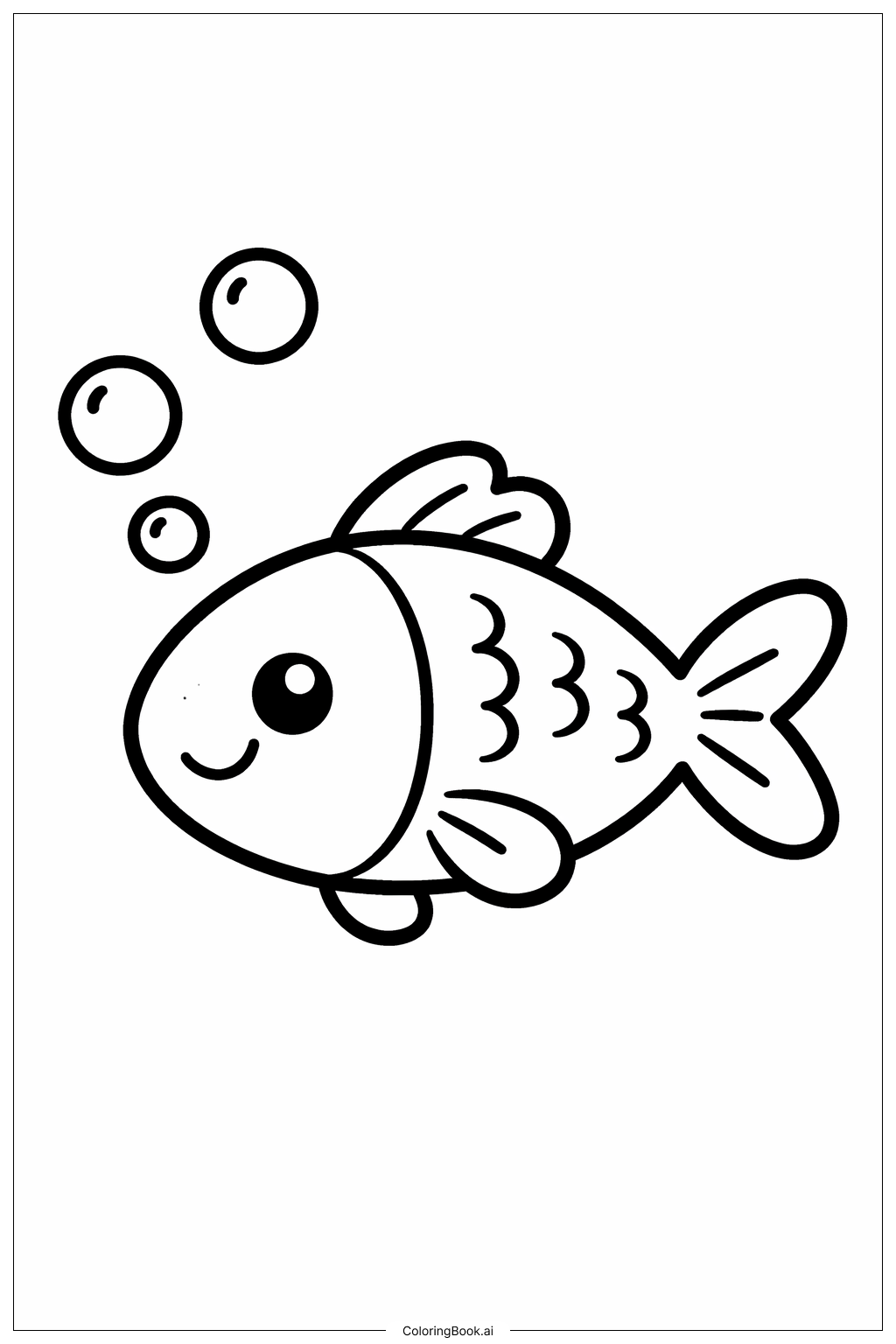
Use bright and lively colors to make the little fish stand out. You can color the fish in shades of orange, yellow, or blue, which are common and attractive fish colors. Color the scales and fins in slightly different shades to add depth. For the bubbles, use light blue or even leave them white to show their transparency. Adding some light shading around the fish can create a sense of water. Avoid very dark colors to keep the image cheerful and appealing.
Coloring challenges: Which parts are difficult to color and need attention for Thank You Little Fish coloring page?
1. Small Details: The fish’s scales and fins have small areas that need careful coloring to avoid going outside the lines.
2. Curved Lines: The bubbles and fins have round shapes, which may be tricky to color neatly for younger children.
3. Even Shading: Adding light shading to represent water can be difficult to blend smoothly without making the picture look messy.
4. Color Choices: Choosing colors that make the fish look friendly and vibrant can be a challenge, as some color combinations might clash or dull the image.
5. Staying Inside Lines: Maintaining clean borders around the fish and bubbles is important for a neat finished look, requiring steady hand control.
Benefits of coloring books: Advantages of drawing Thank You Little Fish coloring page
Coloring this little fish helps improve hand-eye coordination as children carefully fill in each part. It encourages creativity by allowing them to choose different colors and shading techniques. Coloring also supports focus and patience while working on details such as scales and bubbles. Additionally, it can be a calming activity, reducing stress and providing a fun way to express gratitude through art. Overall, this picture is perfect for young artists to practice and enjoy coloring.