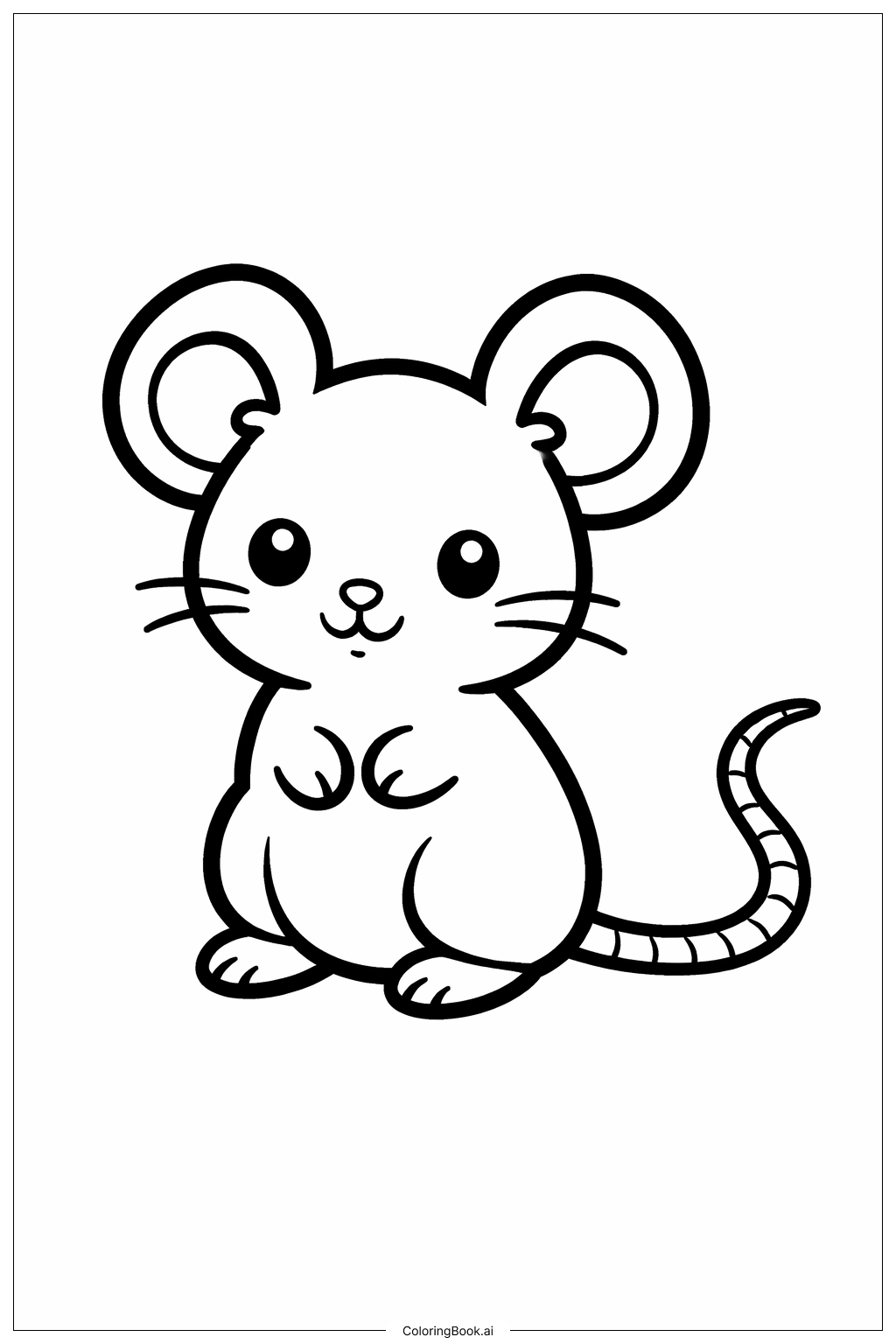
Coloring tips: How to color Tiny Mouse Tails coloring page well?
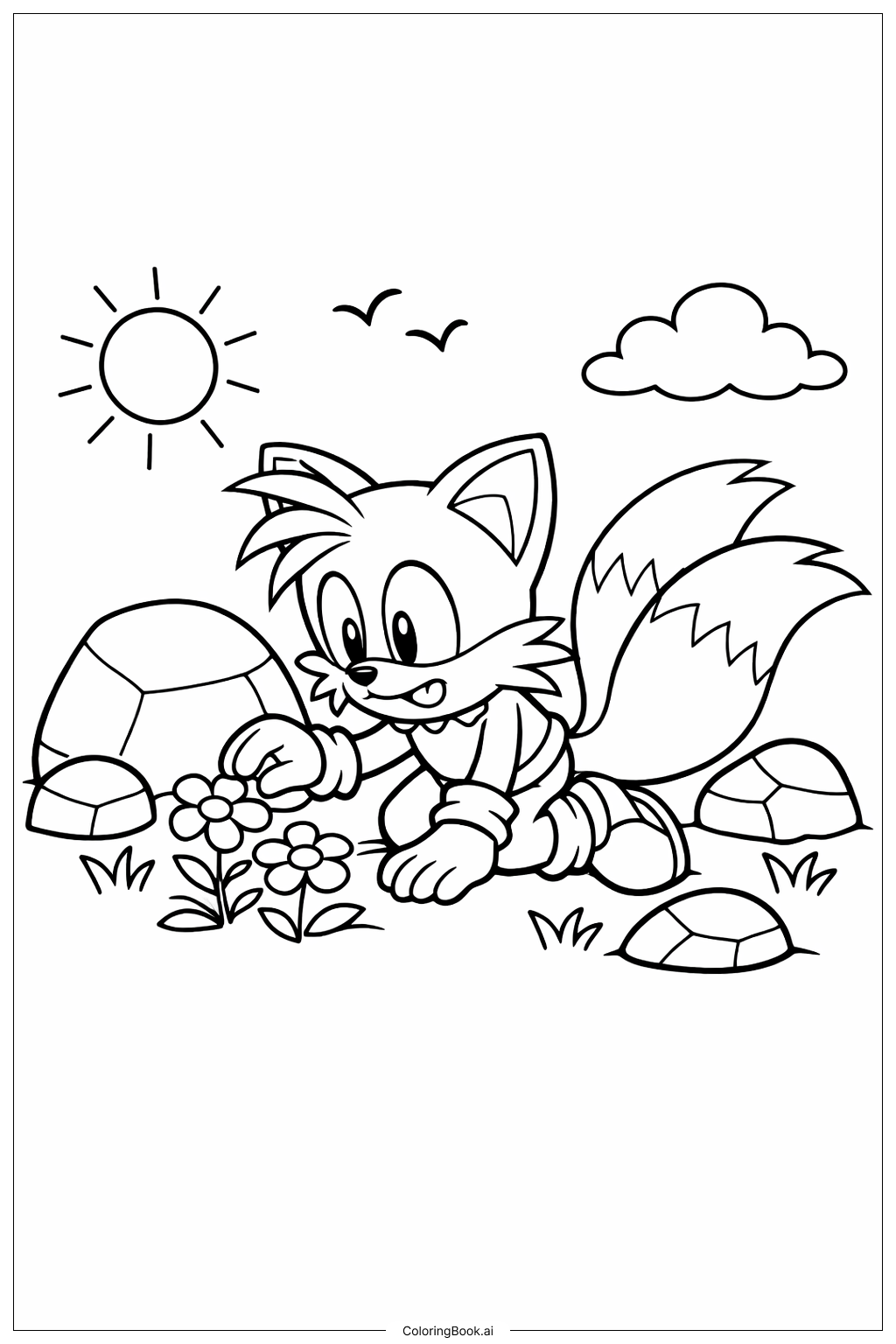
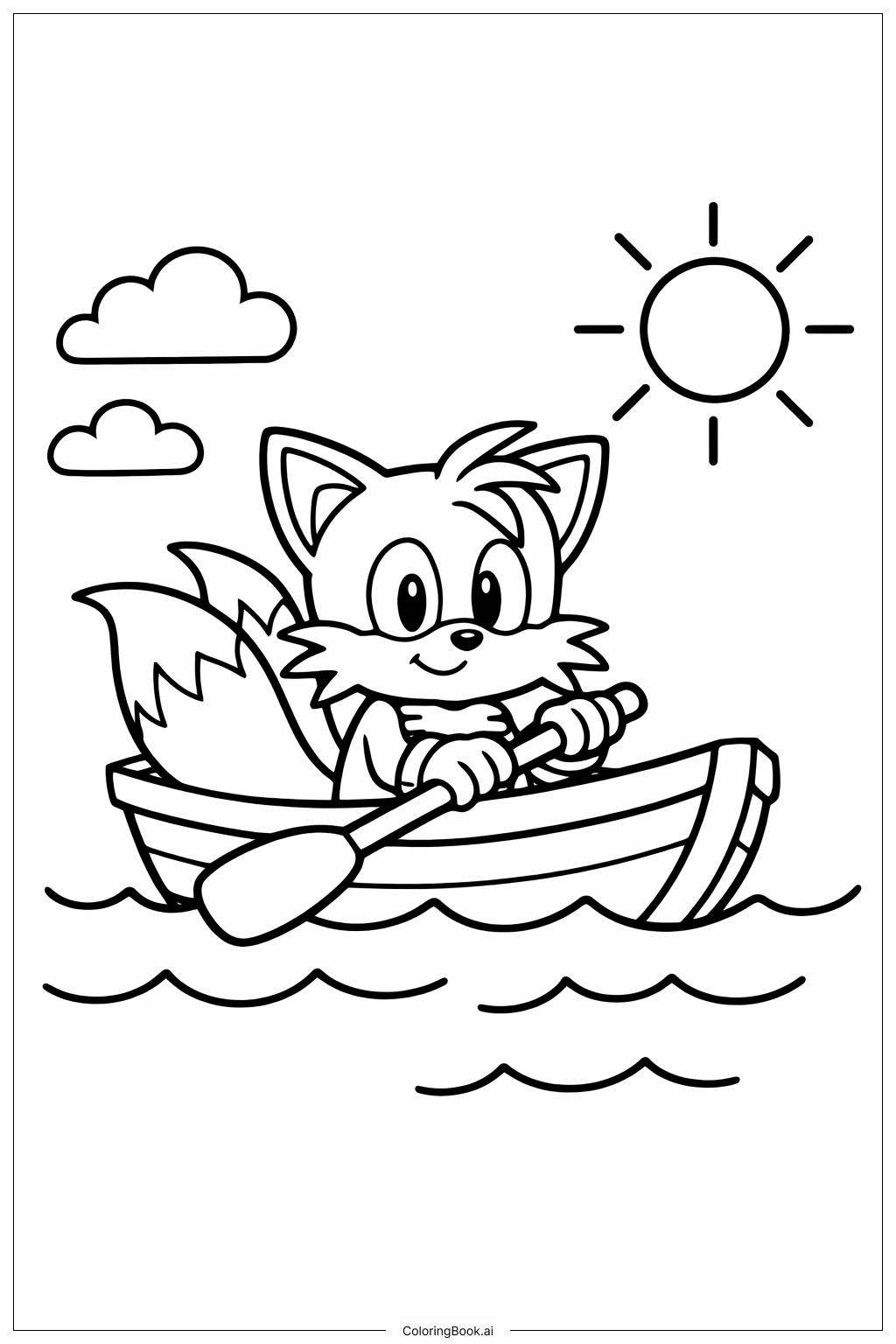
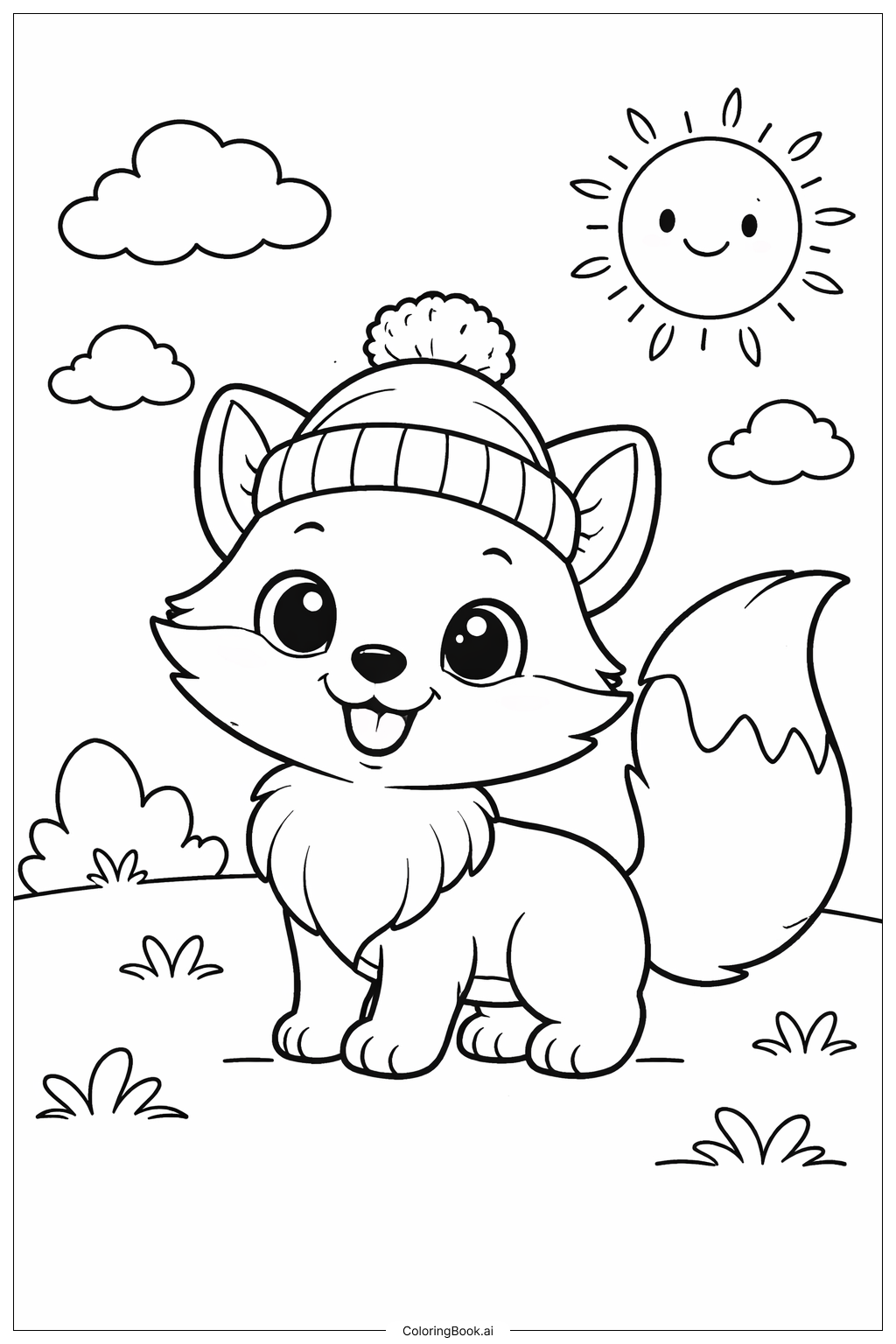
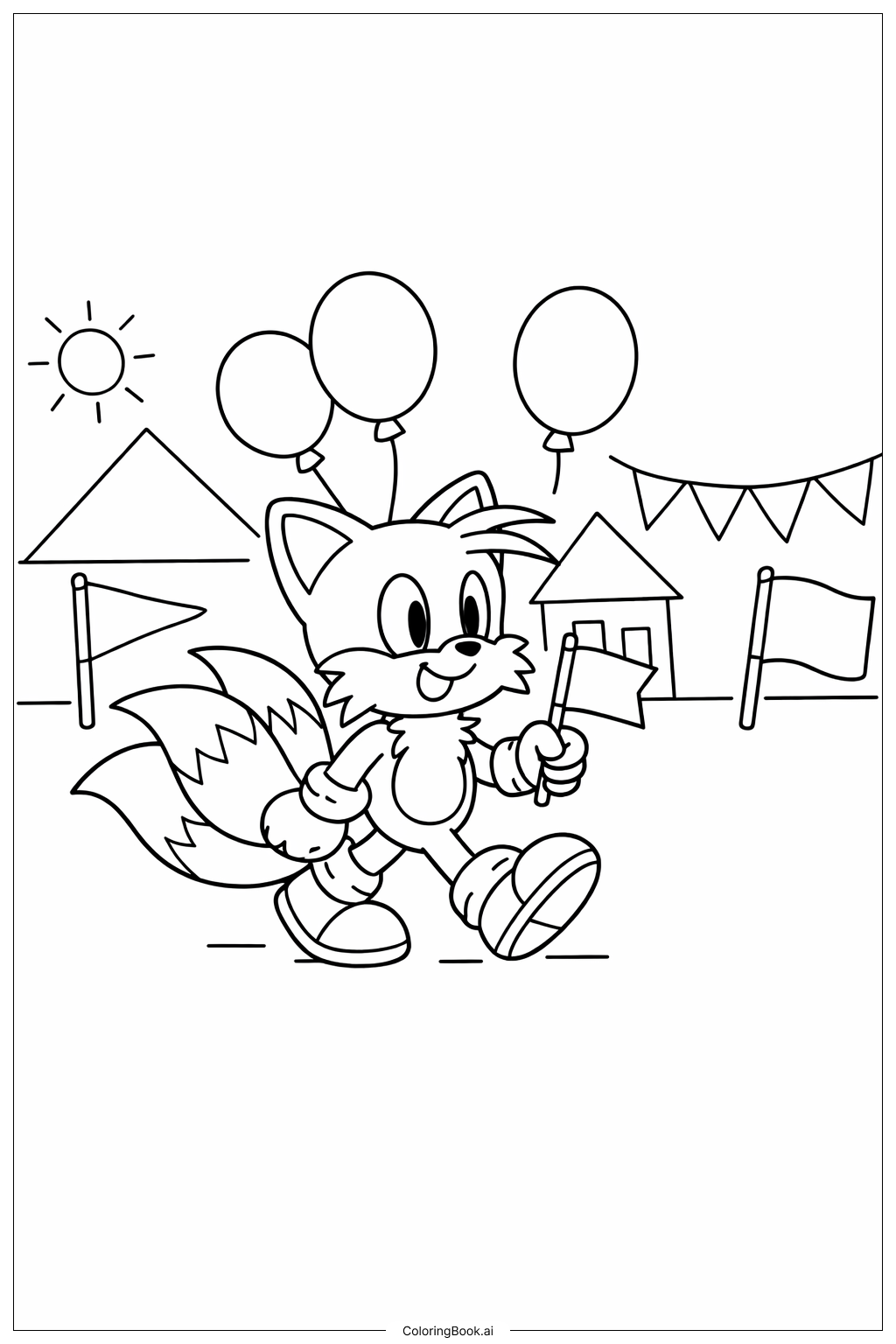
For coloring this tiny mouse, try using light and soft colors like grey or light brown for the body to give it a natural look. You can add a pink shade to the inside of its ears, nose, and cheeks to make it look more lively and cute. The eyes should be colored black or dark brown, but leave a small white spot for a shiny effect. Use a slightly darker shade for the tail to show its texture and make it stand out. You can also add a gentle shadow under the mouse to create depth. Don’t be afraid to use your creativity and try different color combinations to make your mouse unique!
Coloring challenges: Which parts are difficult to color and need attention for Tiny Mouse Tails coloring page?
1. Small details like the mouse's tiny paws and nose can be tricky to color neatly because they are very close together.
2. The tail has many stripes that may require careful attention to keep the lines clean and colors separated.
3. The inside of the ears are small curved areas, so coloring inside the lines here might be a bit challenging for younger children.
4. Keeping the eyes shiny while coloring them dark requires leaving a small white space, which can be hard to do precisely.
5. Balancing shading and colors to keep the mouse looking soft and natural rather than flat or overly bright can be difficult when choosing colors and applying them evenly.
Benefits of coloring books: Advantages of drawing Tiny Mouse Tails coloring page
Coloring this tiny mouse picture helps children improve their fine motor skills and hand-eye coordination as they color small spaces carefully. It encourages creativity by letting kids choose colors and create shading effects. Coloring animals like this mouse also teaches children about nature and empathy as they connect with cute animal characters. Additionally, coloring builds focus and patience, providing a calm and enjoyable activity that can boost confidence when they finish their colorful artwork.