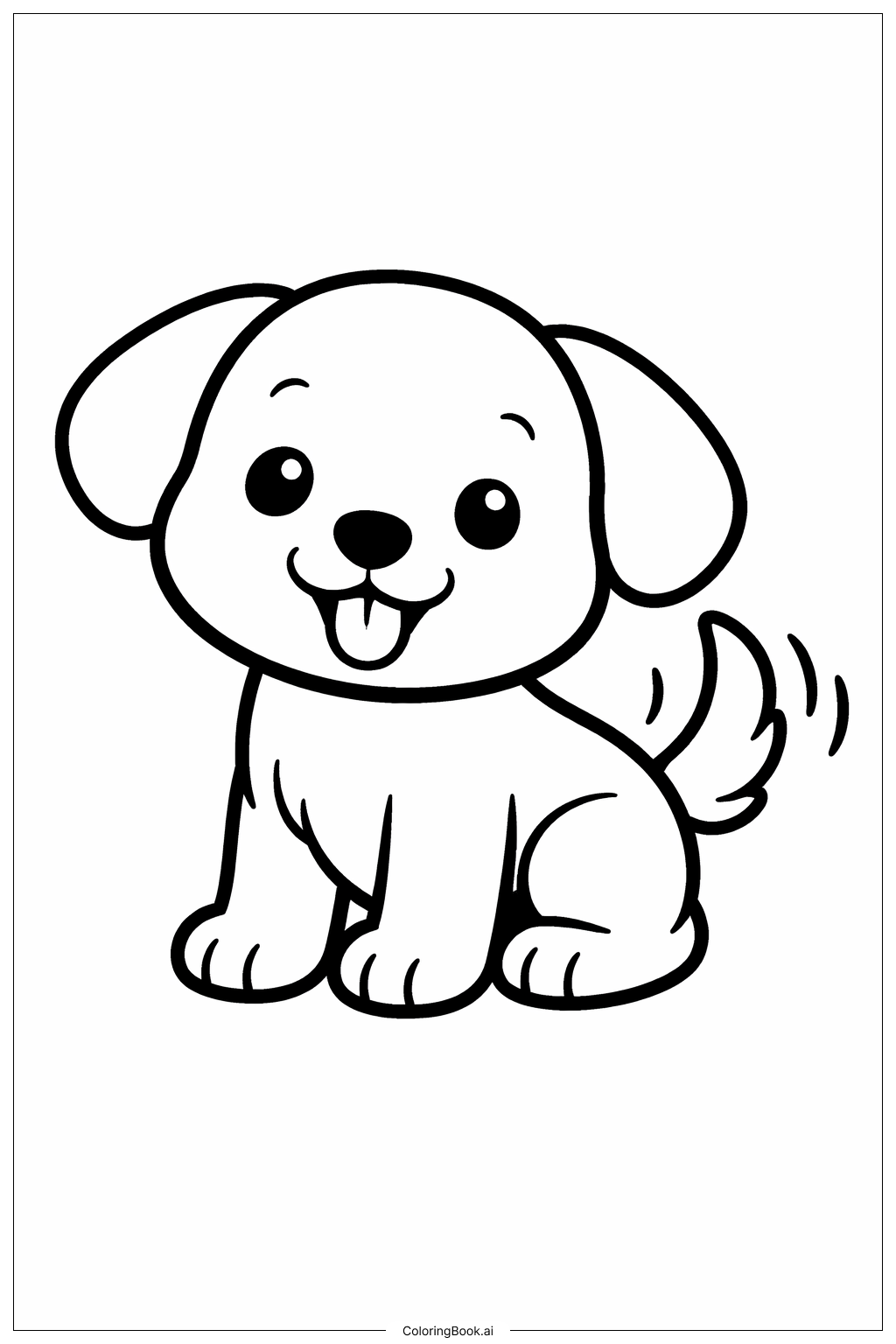
Coloring tips: How to color Puppy Wagging Tails coloring page well?
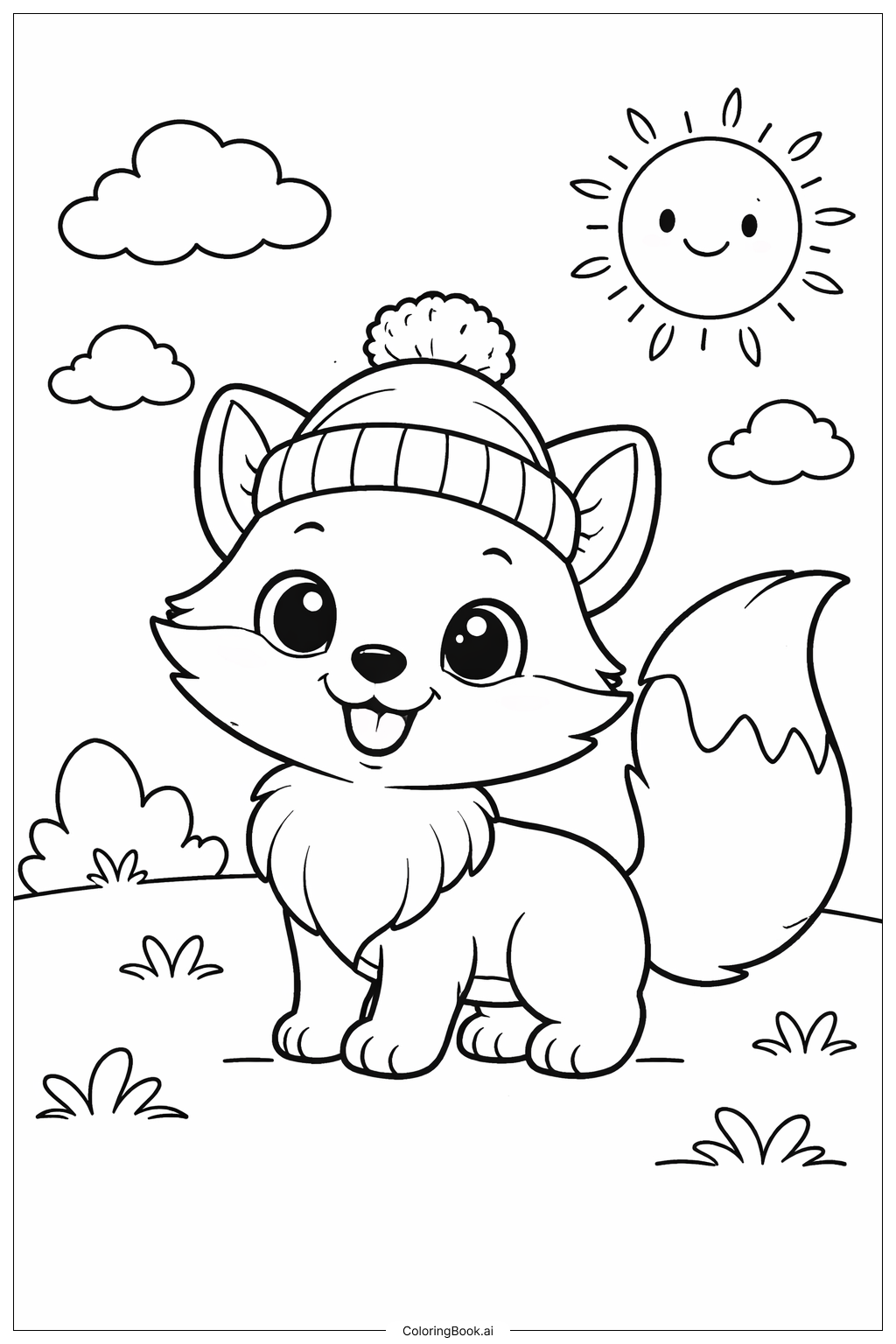
Use soft shades of brown, beige, or white for the puppy’s body to make it look fluffy and warm. You can add light pink or red for the tongue to show its excitement. The eyes can be colored black with a little white spot to make them shiny and lively. For the ears and tail, use slightly darker shades to add depth. You may also add a background color like green grass or blue sky to make the picture more lively. Try to use gentle strokes to stay inside the lines, and blend colors softly for a smooth look.
Coloring challenges: Which parts are difficult to color and need attention for Puppy Wagging Tails coloring page?
1. The puppy’s tail is small and has fine lines around it to show wagging, so it may be tricky to color without going outside the lines. Take your time and use a fine-tip pen or pencil. 2. Creating the shiny effect in the eyes can be challenging, as you need to leave small white spots uncolored. 3. Color shading on the puppy’s body, ears, and paws to give it a fluffy look may be hard because you need to blend different tones smoothly. 4. The mouth and tongue have small areas that need precision to color evenly. 5. Coloring inside the small areas near the paws could be difficult for younger children but practicing will help improve their fine motor skills.
Benefits of coloring books: Advantages of drawing Puppy Wagging Tails coloring page
Coloring this happy puppy helps children improve hand-eye coordination and fine motor skills. It encourages creativity as kids choose colors to bring the puppy to life. The simple shapes and clear lines are perfect for young artists to practice staying inside the lines. Coloring also promotes focus and patience. By adding details like the wagging tail and shiny eyes, children learn to observe and appreciate small features. Plus, coloring this joyful puppy can make kids feel happy and relaxed!