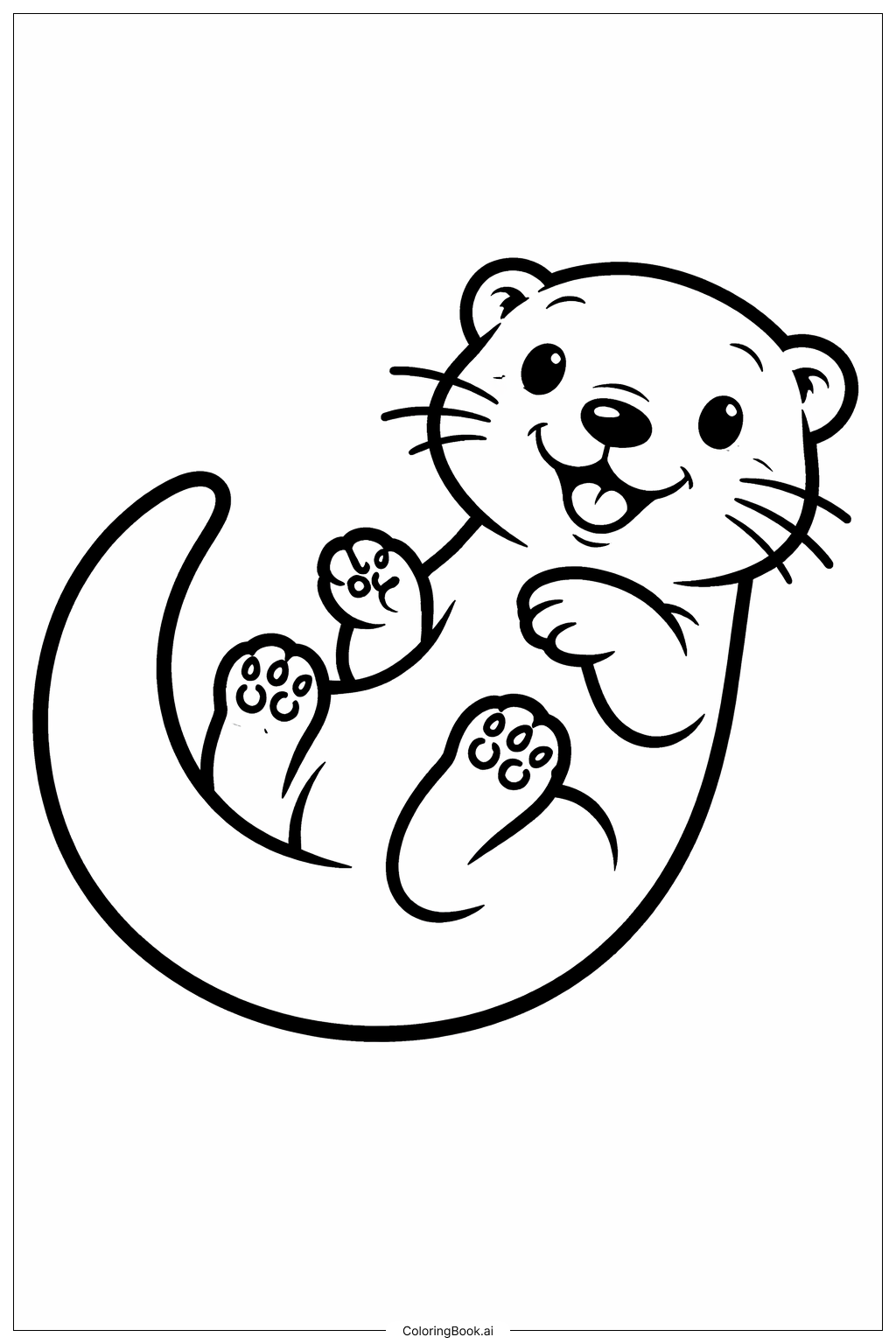
Coloring tips: How to color Otter Play Tails coloring page well?
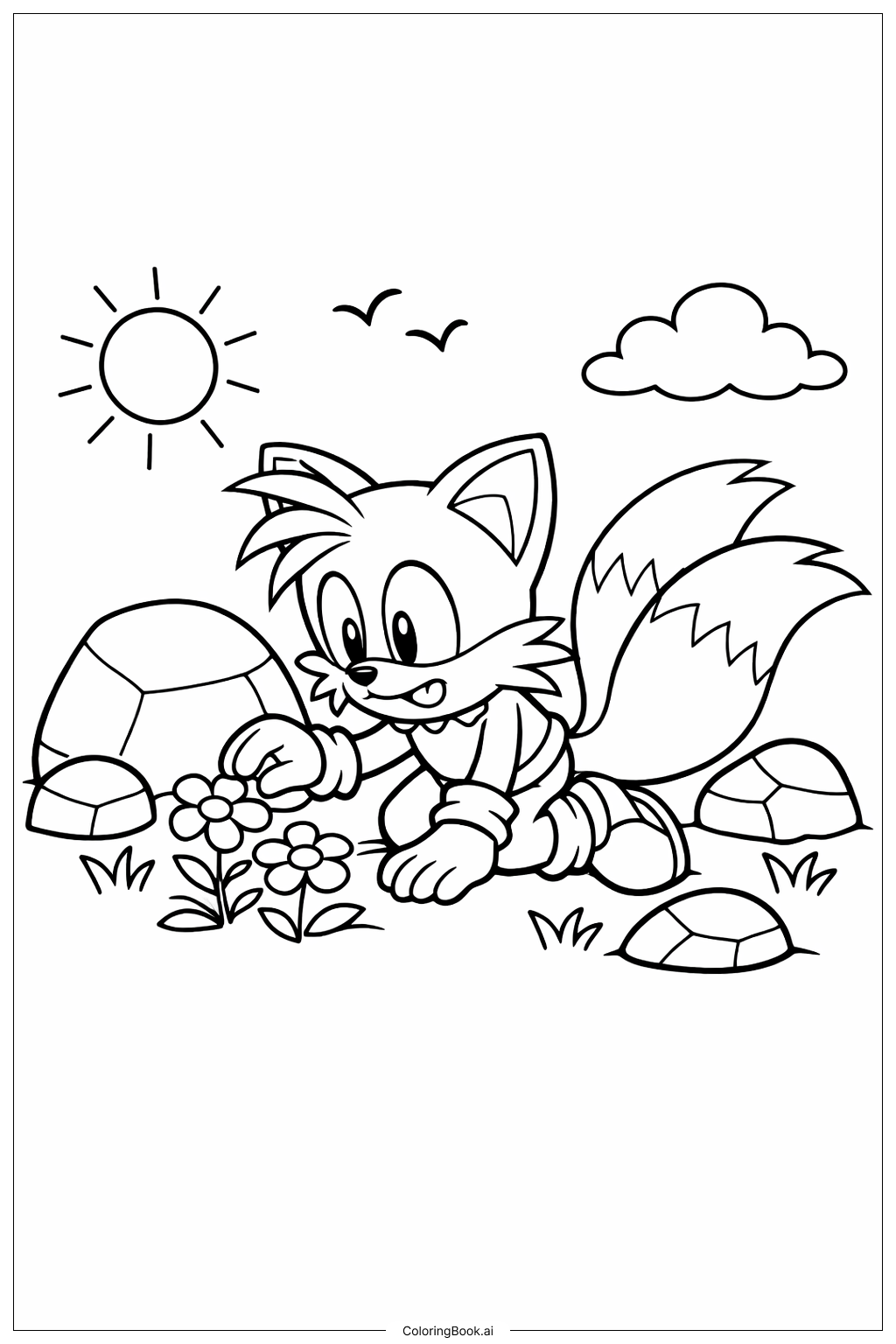
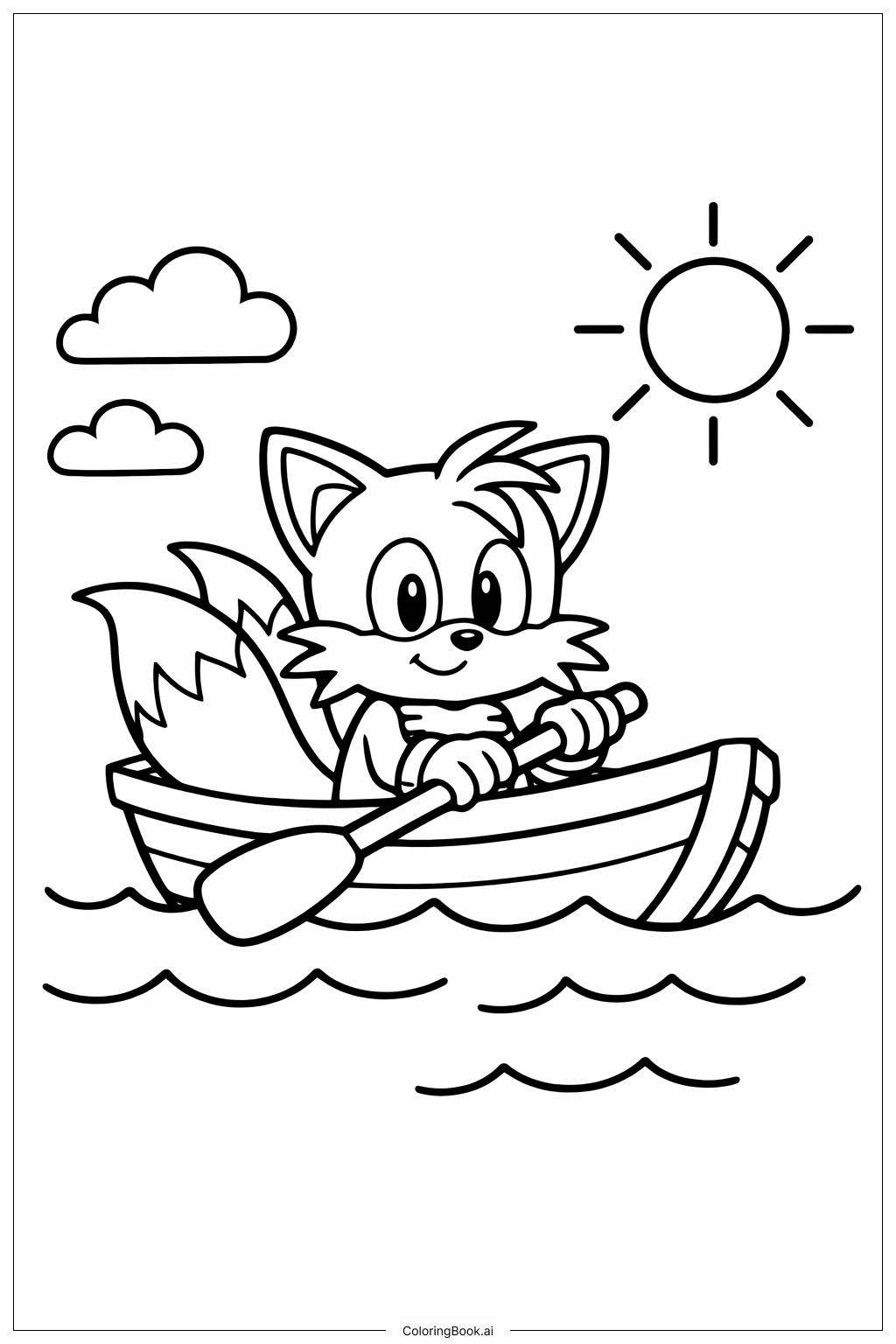
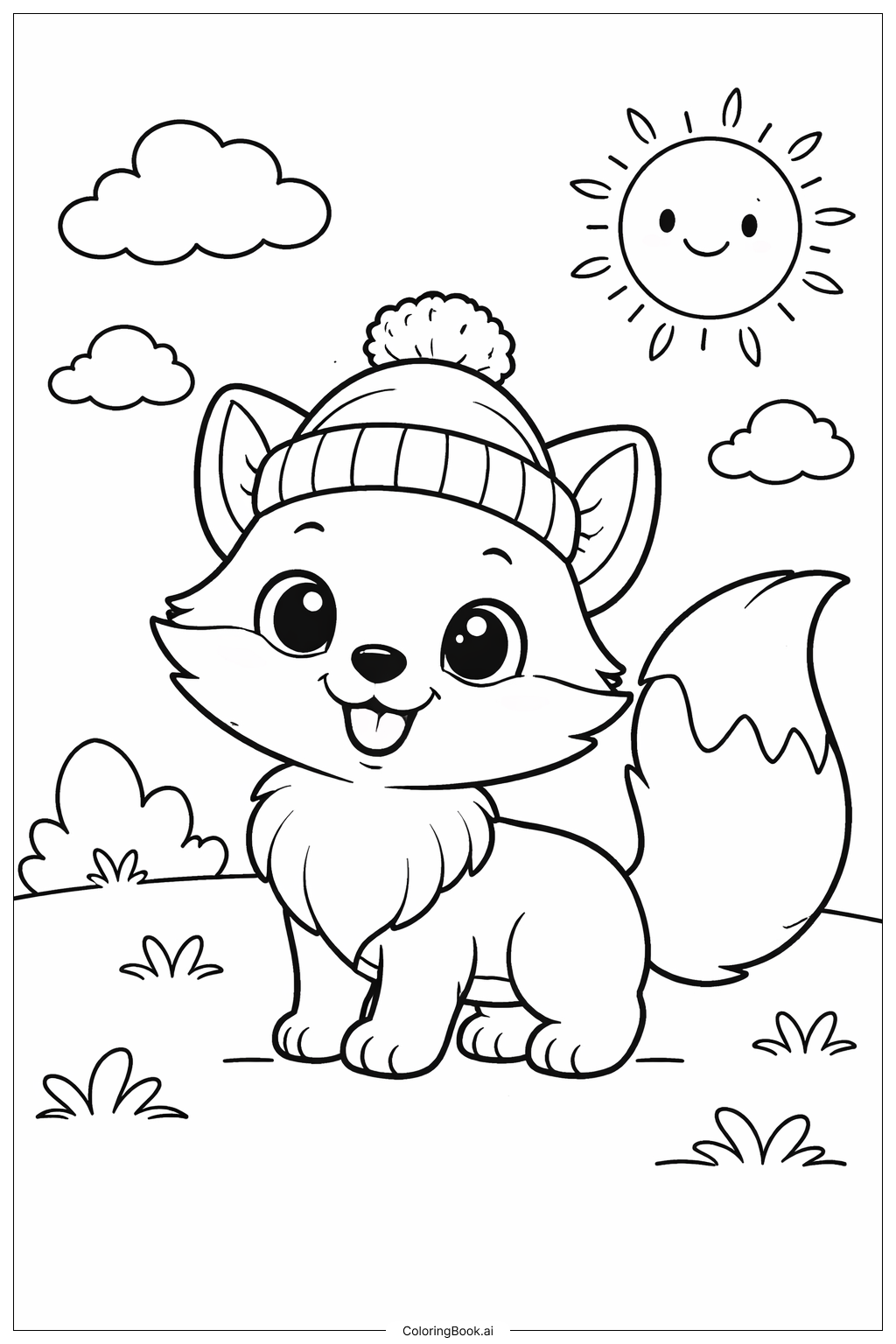
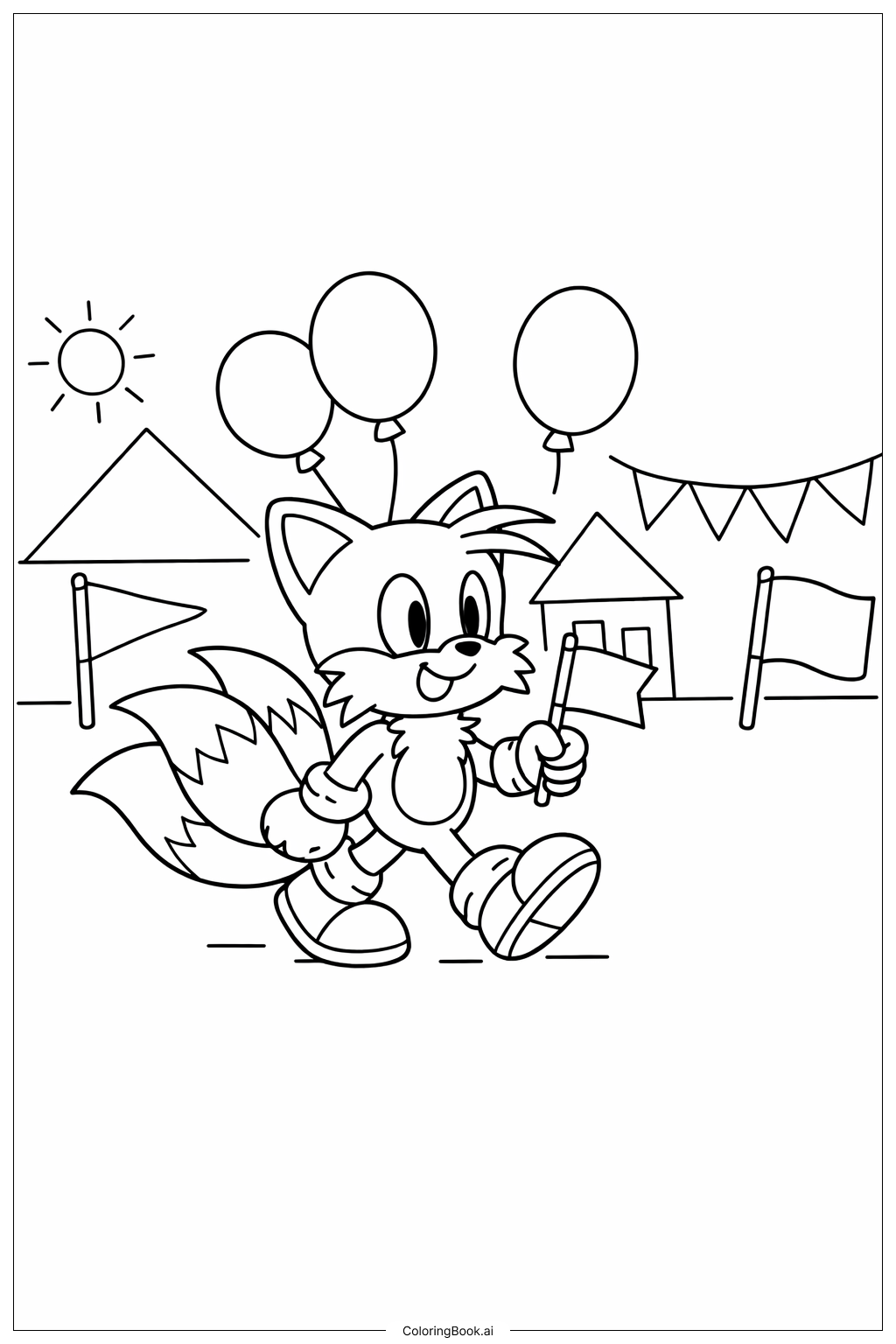
Use soft brown or gray shades to color the otter's fur, as otters usually have these colors. Light pink can be used for the nose and the paw pads to give a cute touch. Color the eyes black but leave a small white spot to show the shine. Use gentle strokes to make the otter look fluffy and soft. For the background, try light blue or green shades to give a natural water or forest feel. Keep the colors bright and cheerful to match the otter's playful mood.
Coloring challenges: Which parts are difficult to color and need attention for Otter Play Tails coloring page?
1. The small details like the whiskers and paw pads need careful coloring to avoid coloring outside the lines. 2. The curved tail requires smooth strokes to keep the coloring even and neat. 3. Staying inside the thin outlines of the face and paws can be challenging for younger children. 4. Balancing light and dark shades to show the fluffy texture of the fur can be tricky. 5. Making the eyes shiny and lively by leaving white spots needs fine control of the coloring tools.
Benefits of coloring books: Advantages of drawing Otter Play Tails coloring page
Coloring this otter helps children practice fine motor skills by focusing on small details like paws and whiskers. It encourages creativity as kids choose colors to bring the otter to life. The playful scene can make coloring fun and relaxing. It also teaches children about animals and their appearance. Overall, it supports hand-eye coordination and concentration while allowing kids to enjoy art and nature.