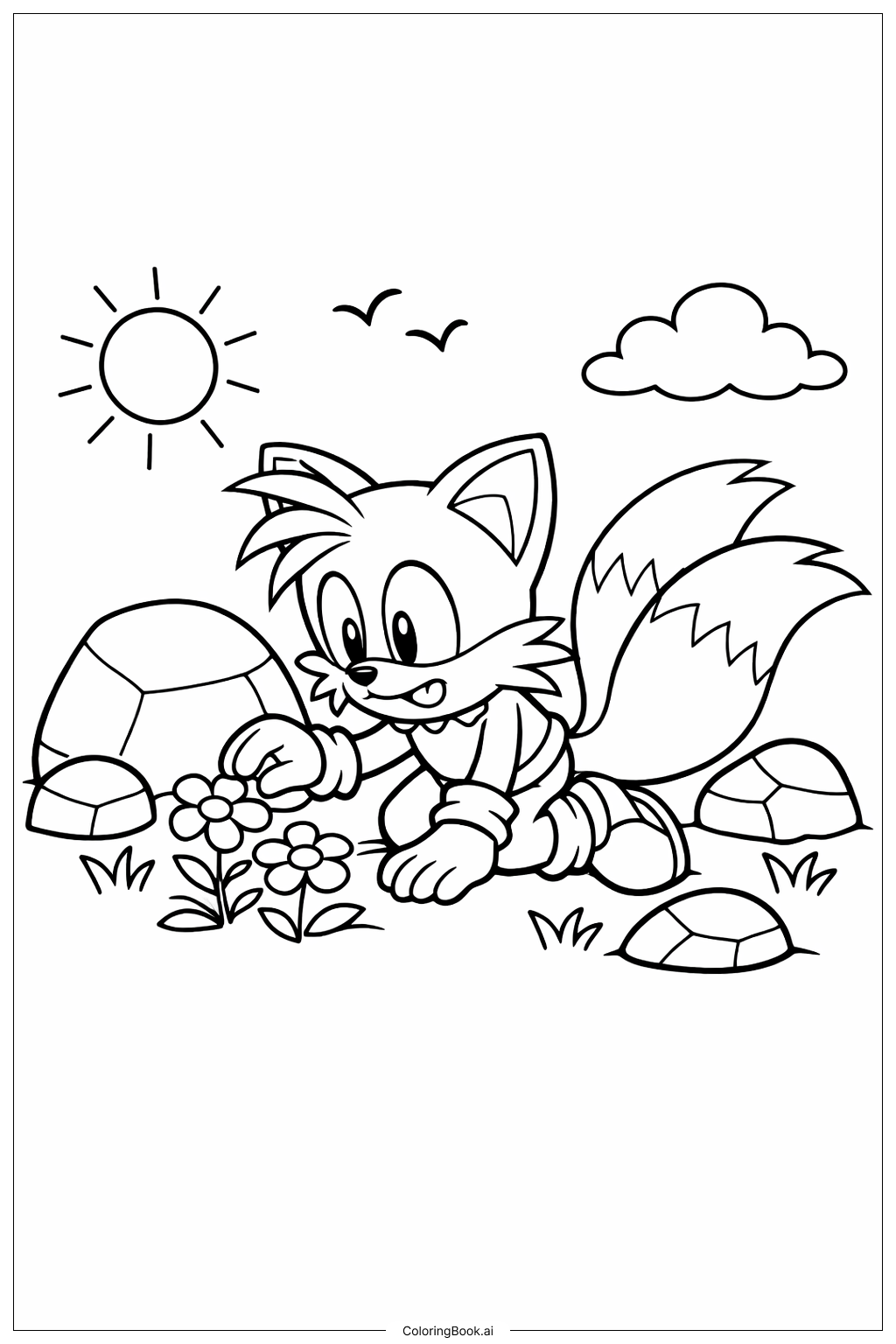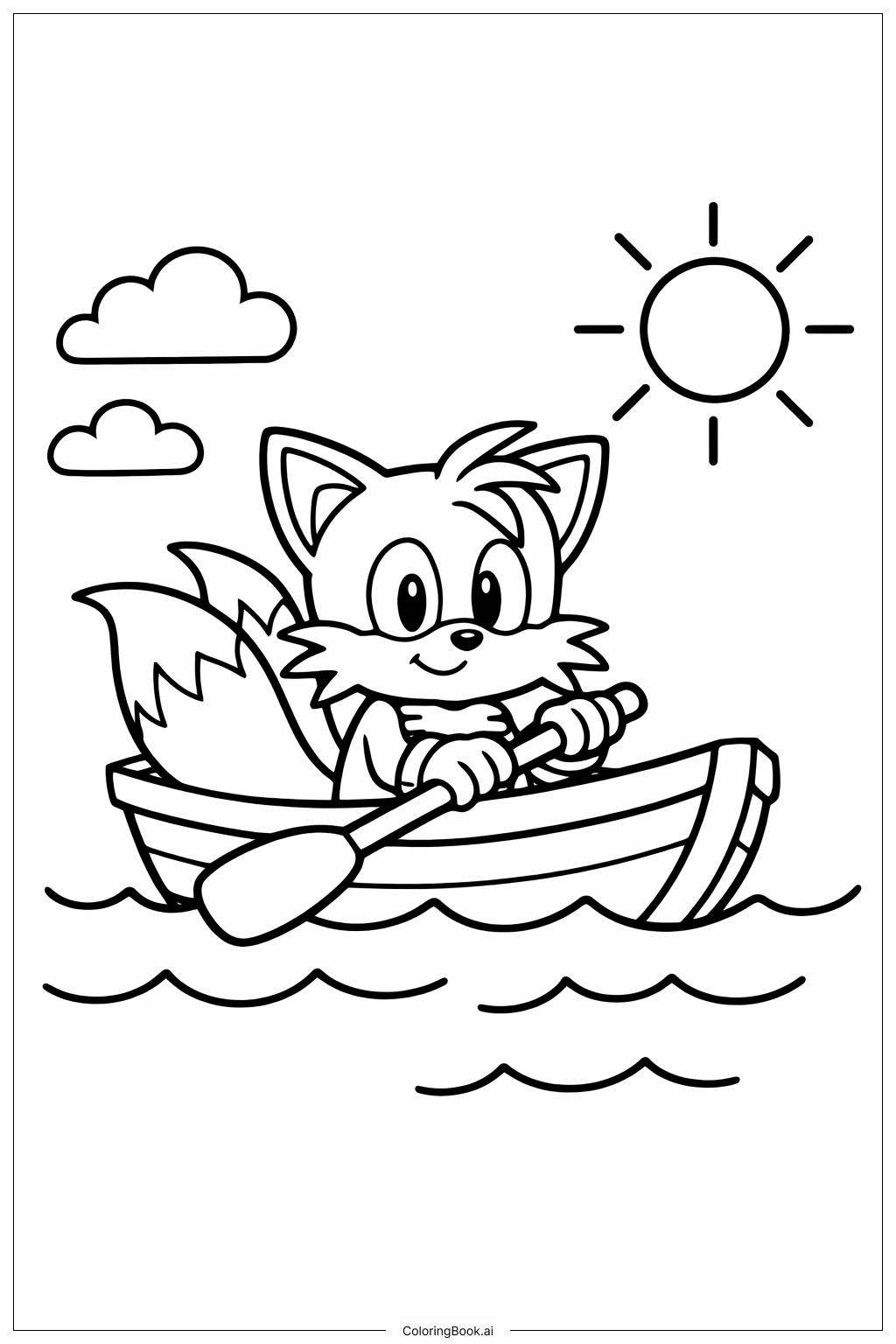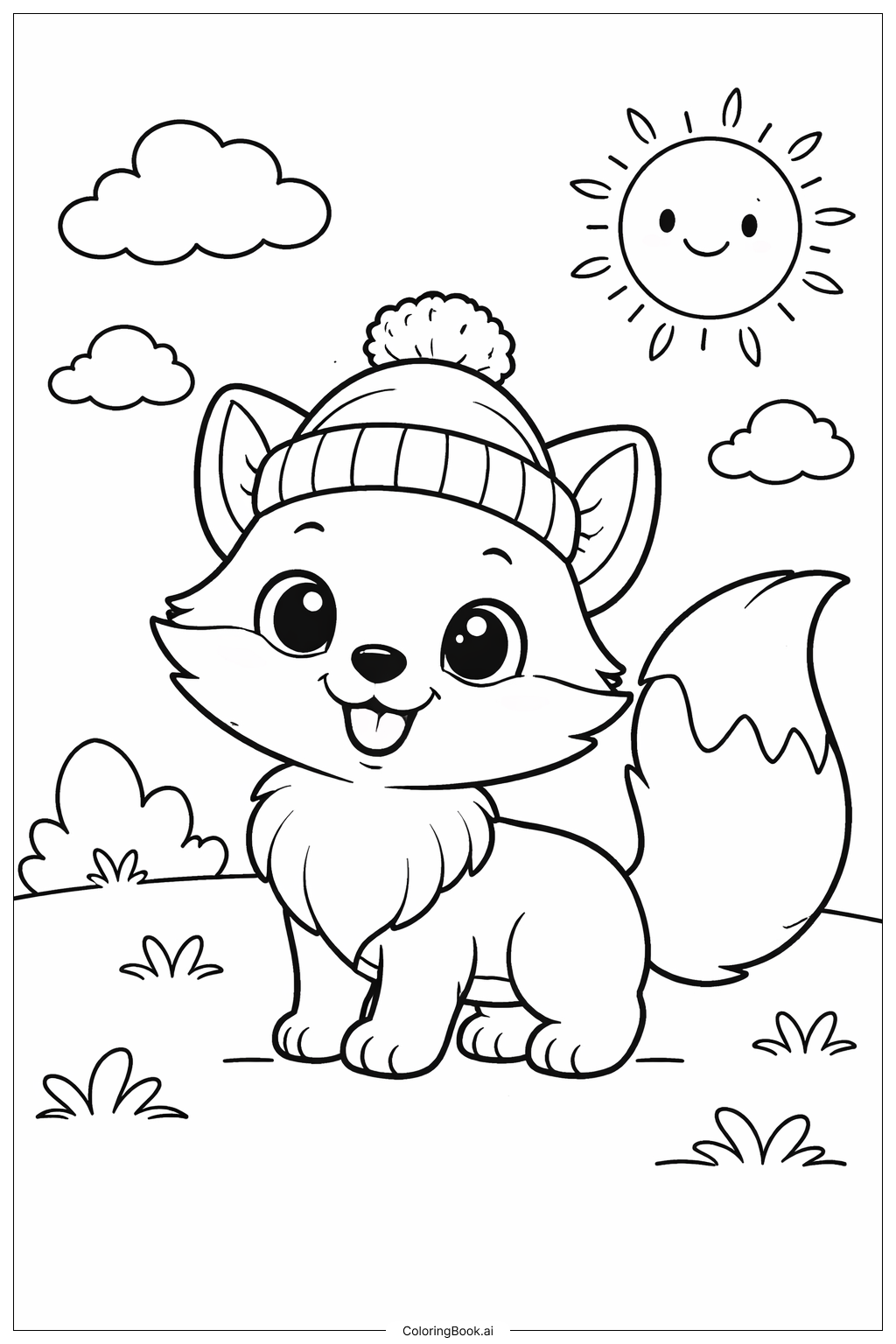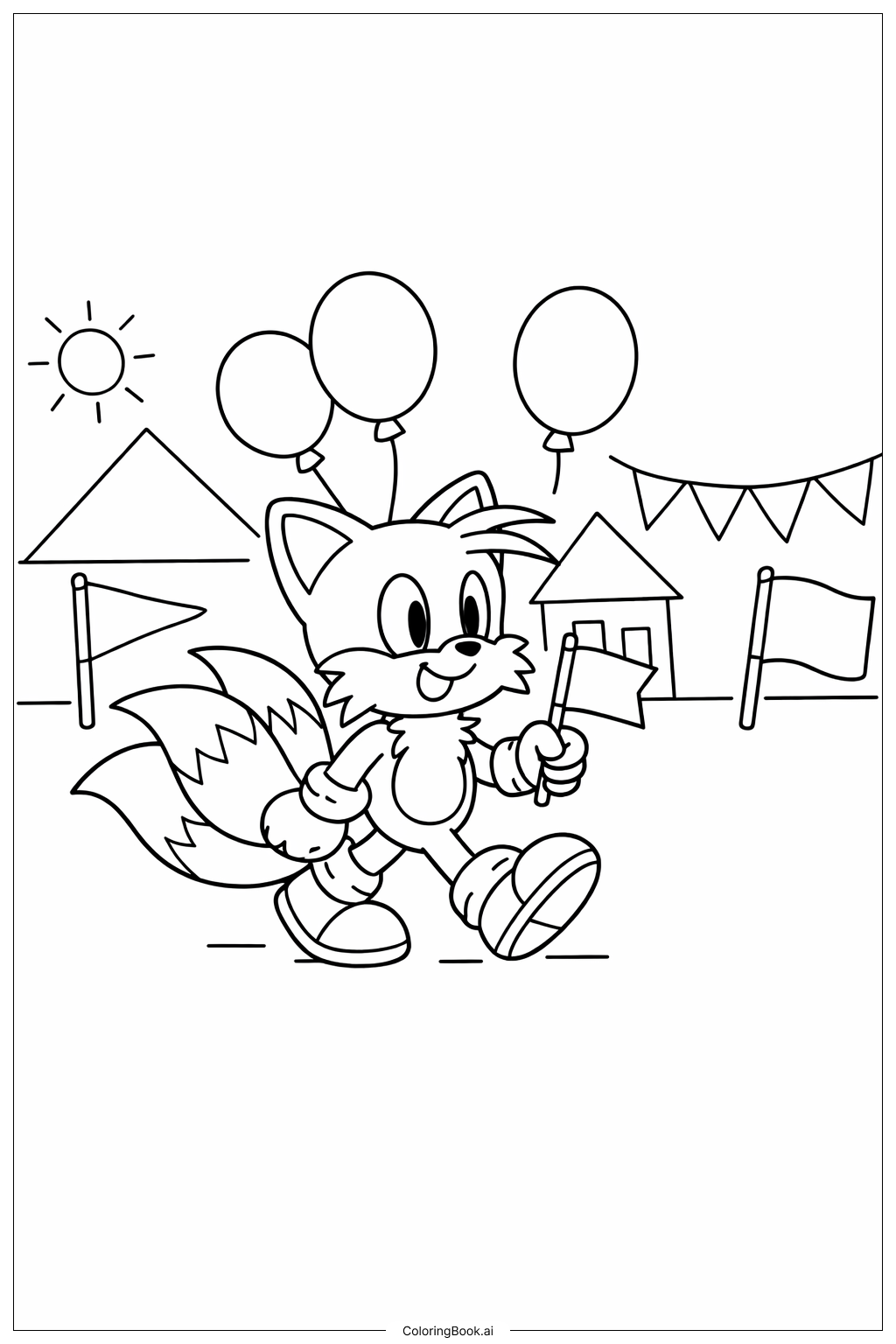
Coloring tips: How to color Lion Cub Tails coloring page well?
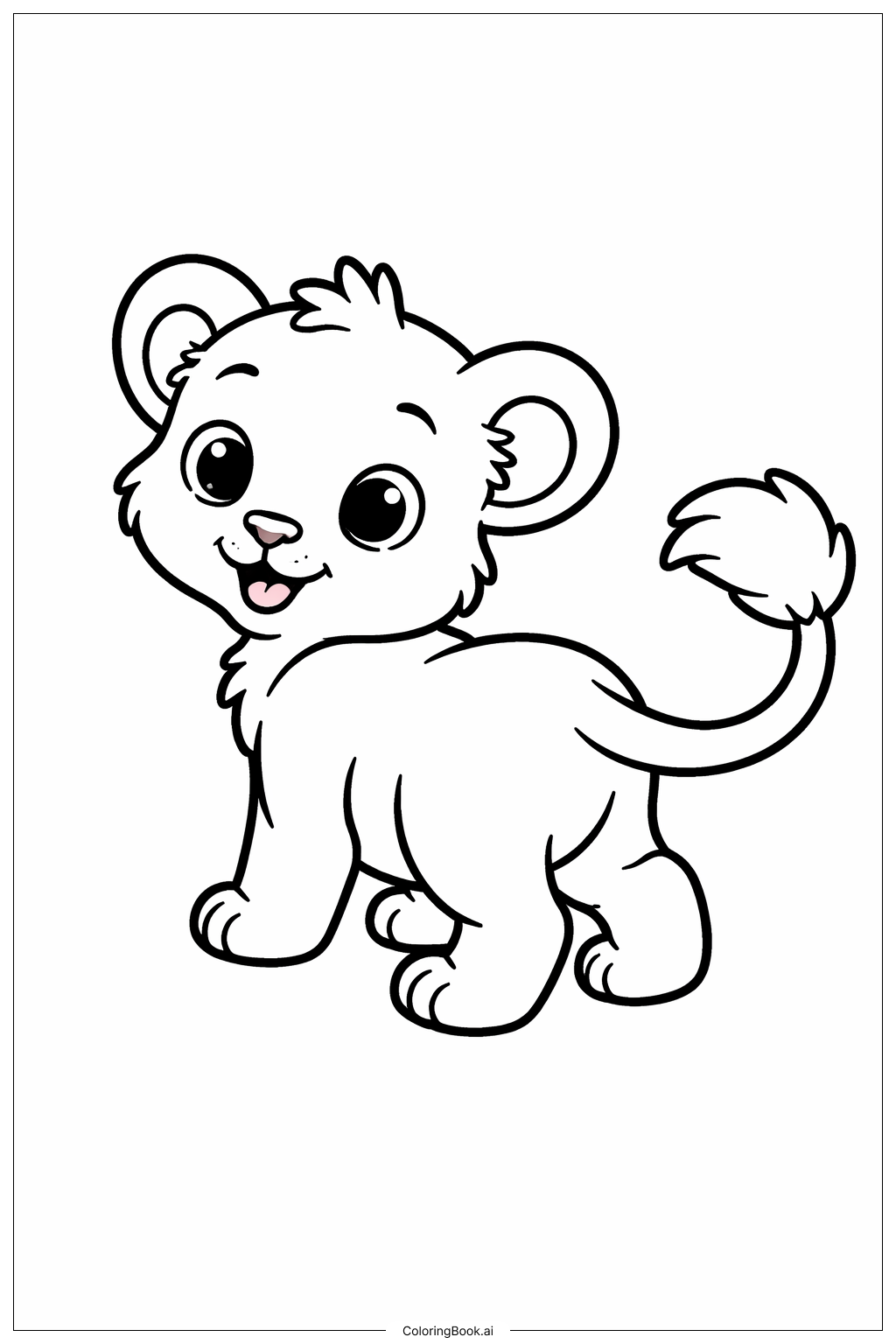
For coloring this lion cub, use warm colors like light yellow, orange, or golden brown for the body to make it look like a real lion. Use a darker shade for the tips of the ears and the tuft at the end of the tail. The eyes should be colored black or dark brown, but leave some white spots for the shiny reflection. The inside of the ears can be a soft pink or light brown, and the nose can be a soft brown or grayish color. Try to color gently inside the lines for a neat look. You can also add a light shade under the belly and near the legs to show shadows.
Coloring challenges: Which parts are difficult to color and need attention for Lion Cub Tails coloring page?
1. Small detailed areas: The ears, eyes, nose, and tail tip have small sections that need careful coloring to avoid going outside the lines.
2. Maintaining smooth shading: To make the lion cub look soft and fluffy, applying smooth color transitions can be tricky.
3. Consistent color choice: Picking colors that match to make the lion cub look realistic and consistent can be difficult.
4. Even coloring inside curves: The curved lines on the body and head require steady hands to stay within the lines without patchiness.
5. Highlighting reflections in eyes: Leaving the highlights white and coloring the rest evenly without smudging can be challenging for young artists.
Benefits of coloring books: Advantages of drawing Lion Cub Tails coloring page
Coloring this lion cub helps children improve their fine motor skills and hand-eye coordination. It encourages focus as kids stay inside the lines. Choosing colors and shading the body also boosts creativity and helps them learn about animal colors and textures. Coloring this friendly animal can be fun and relaxing, building confidence while expressing artistic skills.