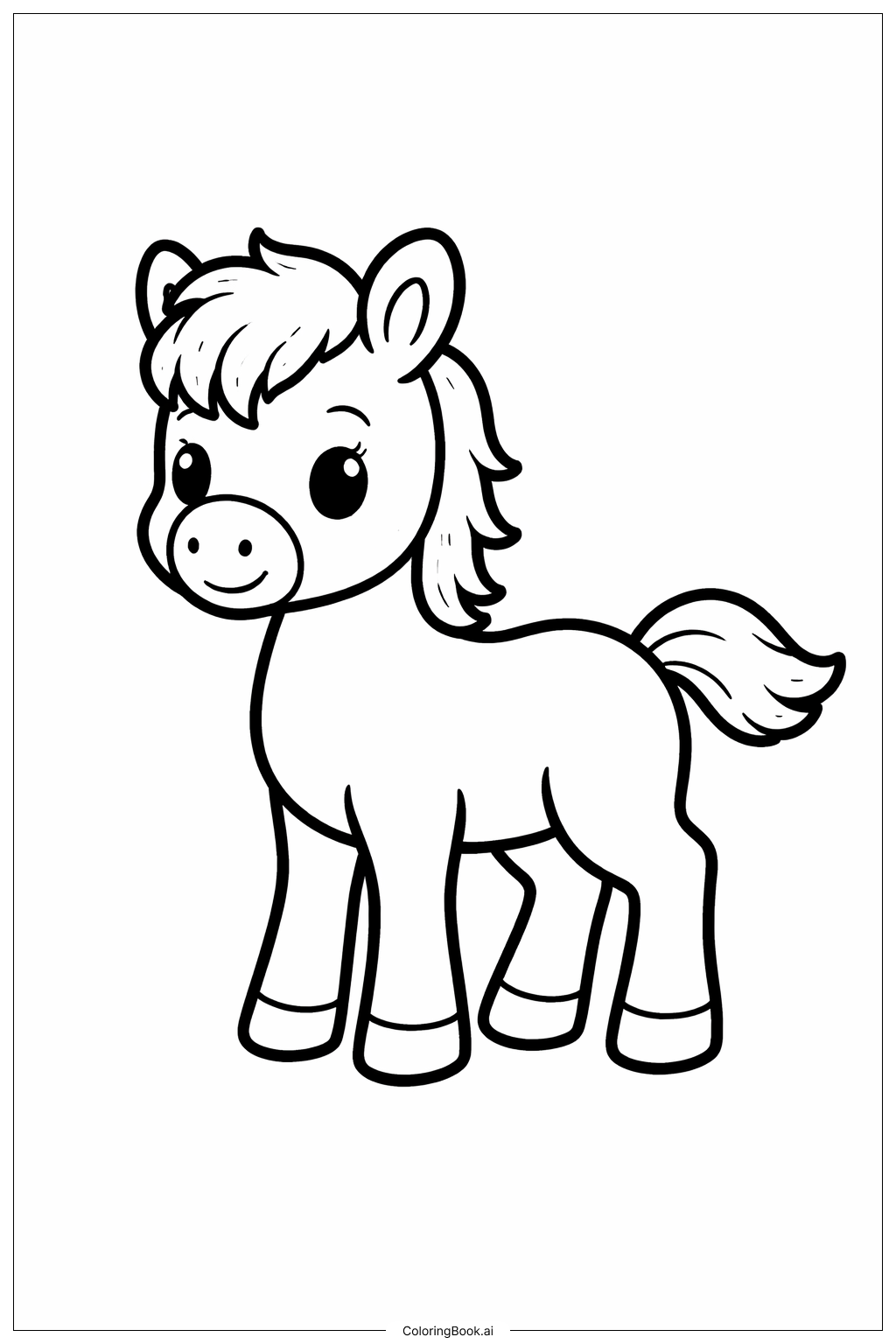
Coloring tips: How to color Horse Foal Tails coloring page well?
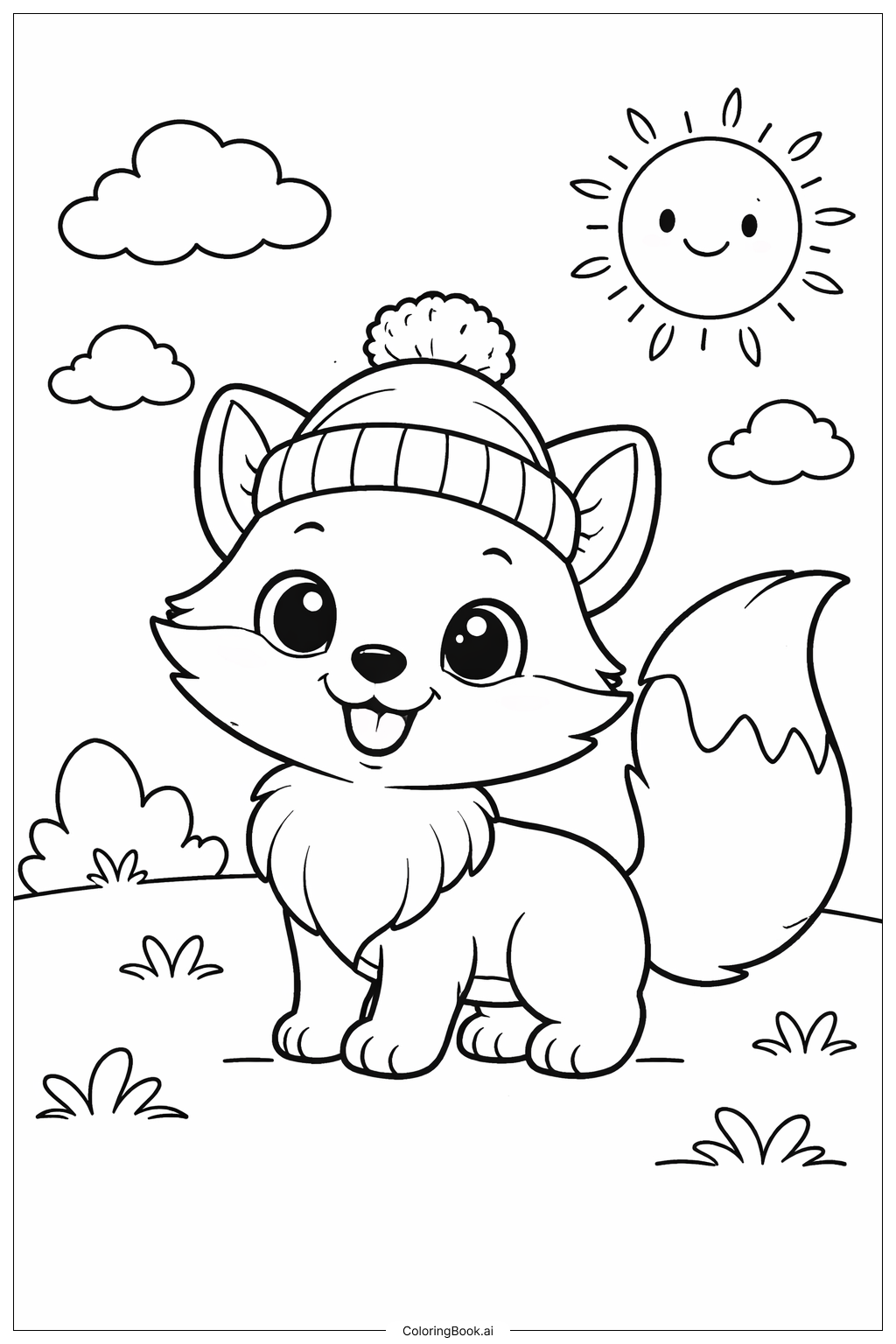
Use soft and warm colors like light brown, beige, or cream for the foal's body to make it look natural and gentle. The mane and tail could be colored with a darker shade like dark brown or chestnut to create contrast. You can add some pink on the inside of the ears and a little blush on the cheeks for a cute effect. The eyes should be filled with black or dark brown, leaving a small white spot for a shiny look. Don’t forget to color the hooves in grey or black.
Coloring challenges: Which parts are difficult to color and need attention for Horse Foal Tails coloring page?
1. Mane and tail strands can be tricky to color as they have small sections and curves that need careful attention.
2. Coloring the eyes might be hard because you need to keep the shiny spot white to make them look lively.
3. The legs and hooves require precise coloring since the hooves are separated from the legs by a clear line.
4. Keeping the colors within the lines around the small ears can be challenging for younger children.
5. Adding subtle shading or gradients to show the softness of the foal’s body requires a little more skill.
Benefits of coloring books: Advantages of drawing Horse Foal Tails coloring page
Coloring this foal helps children improve fine motor skills by practicing control and precision. It encourages creativity when choosing colors and thinking about how to shade the mane and tail. The friendly expression of the foal can boost a child's mood and make coloring time fun. It also teaches kids about animals, helping them recognize parts like the ears, hooves, and tail. Overall, this coloring page develops focus and imagination in young artists.