Coloring tips: How to color Realistic single sunflower coloring page well?
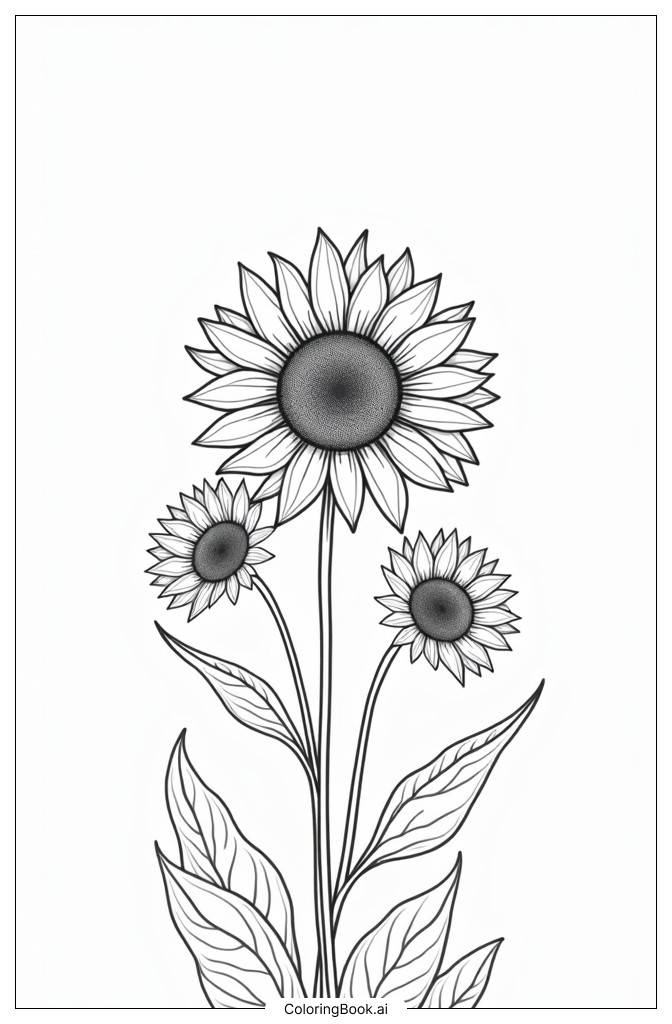
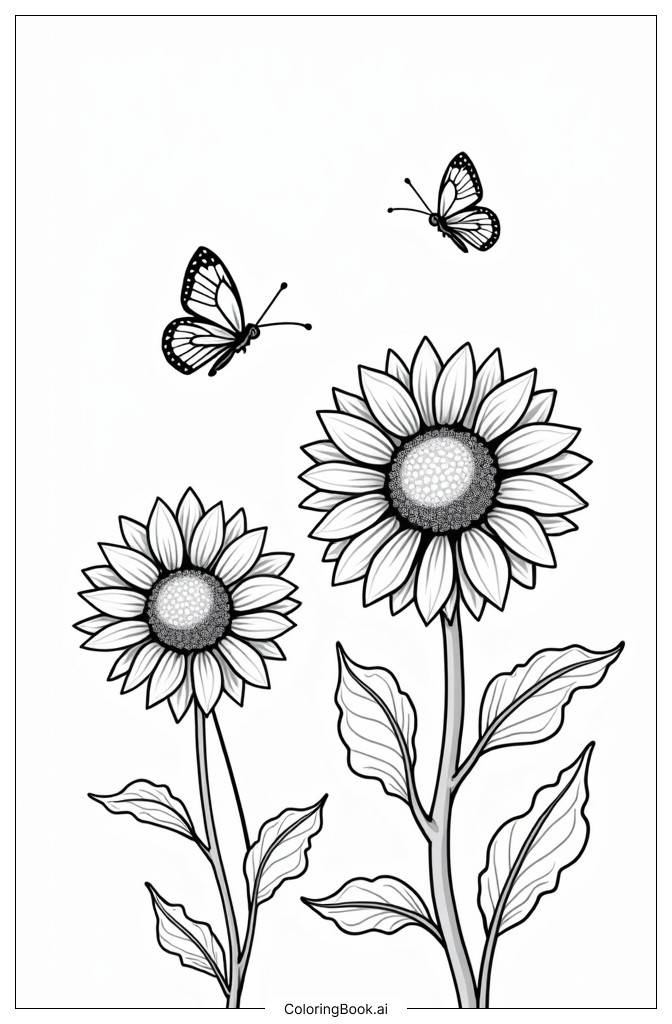
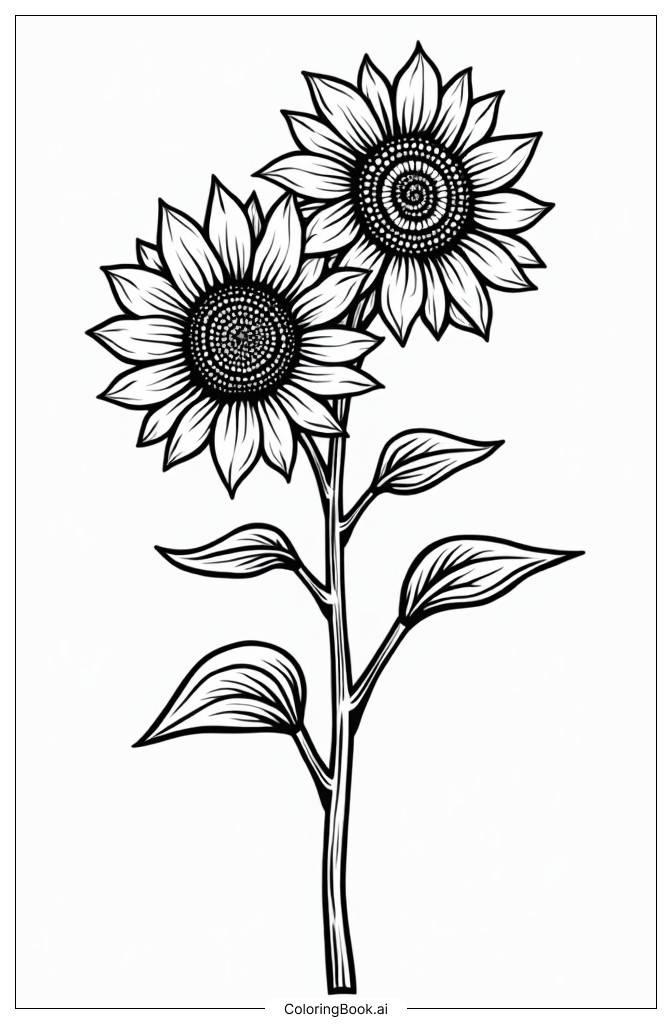
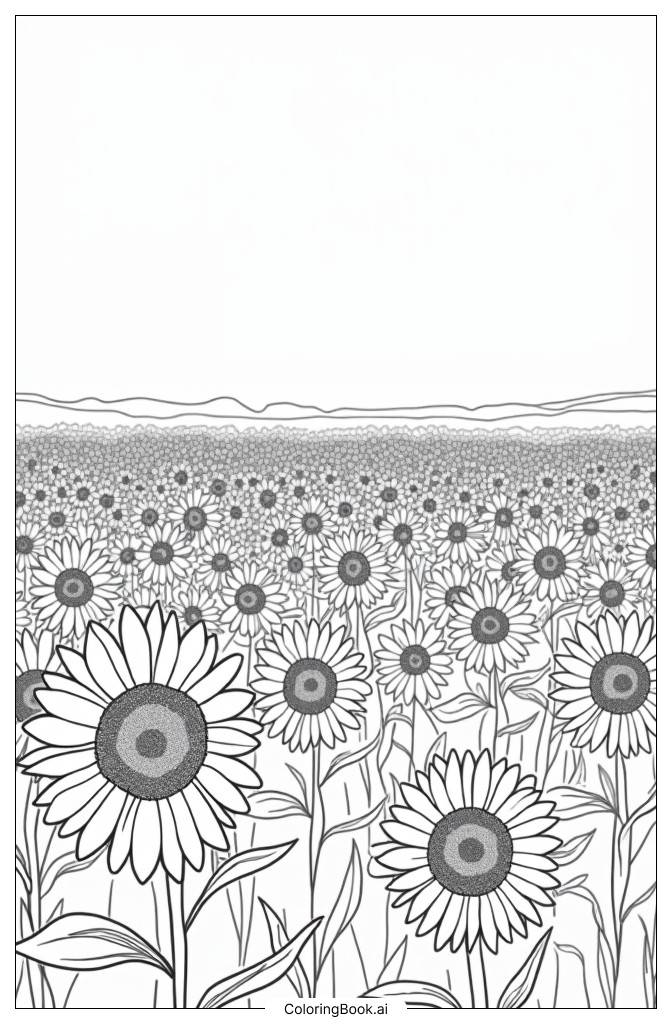
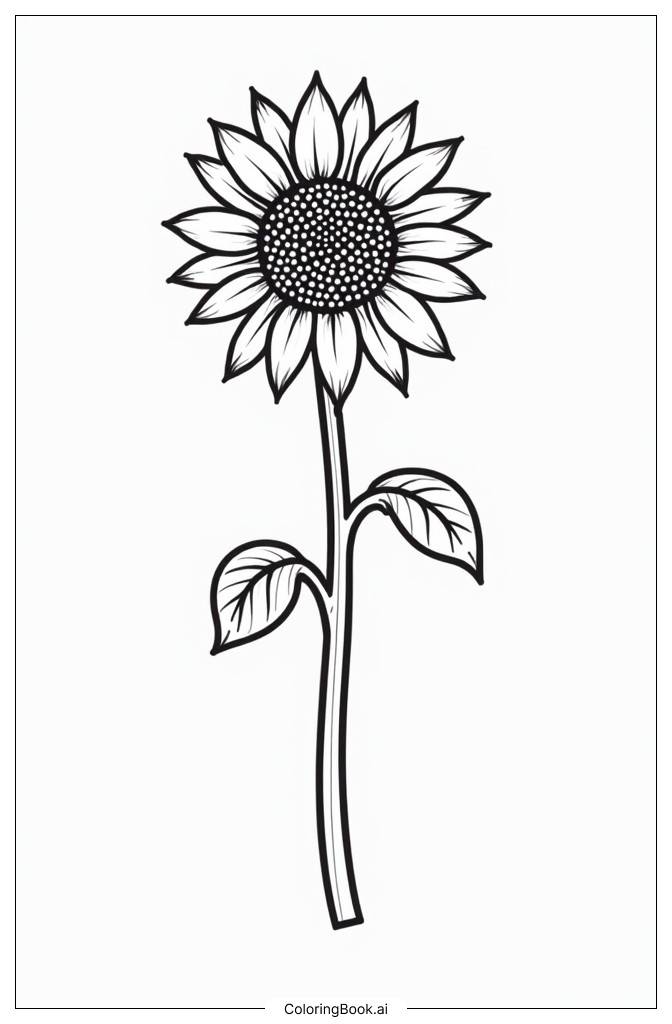
When coloring this sunflower, start with bright yellows for the petals to capture their sunny glow. You can use a range of yellows—from pale lemon to deep gold—to add depth and make the petals look lively. The center of the flower can be colored with browns and reddish-browns to highlight the seeds’ texture. Try using a darker brown for shading and a lighter brown for highlights. For the stem and leaves, choose different shades of green, such as grass green, olive, or moss green, to bring out their natural look. You might also add a little yellow or white to the leaf veins to make them stand out. Feel free to experiment with blending colors gently for a more realistic effect or keep it bold and simple for a fun, bright look.
Coloring challenges: Which parts are difficult to color and need attention for Realistic single sunflower coloring page?
• Fine Petal Details: The petals are long, narrow, and slightly curved, which requires careful coloring to stay within the lines and maintain their delicate shape. Coloring even strokes helps preserve their natural look.
• Center Texture: The intricate spiral arrangement of the seeds in the sunflower’s center demands attention to small areas and shading variations. It can be challenging to color these tiny parts distinctly without making the center look flat.
• Leaf Veins: The leaves have visible veins and detailed texture. Highlighting these veins with lighter colors while keeping the darker tones around them can be tricky but is important for realism.
• Color Layering: To achieve the realistic look of petals and leaves, layering different shades smoothly is needed. Blending one color into another may require practice and patience.
• Stem Shading: The stem’s cylindrical shape needs subtle shading to appear three-dimensional. Uneven or harsh shading might make it look unnatural rather than realistic.
Benefits of coloring books: Advantages of drawing Realistic single sunflower coloring page
Coloring this realistic single sunflower helps improve hand-eye coordination and fine motor skills as you carefully stay within the detailed lines. It encourages attention to small textures and patterns like the seed spirals and leaf veins, which enhances observation skills. The variety of shapes and sizes of the petals offers a creative opportunity to explore blending and shading with colors. Coloring nature-themed images like a sunflower can promote calmness and mindfulness, making it a relaxing activity. For children and beginners, this image provides a wonderful chance to practice different coloring techniques while enjoying the beauty of a familiar flower.