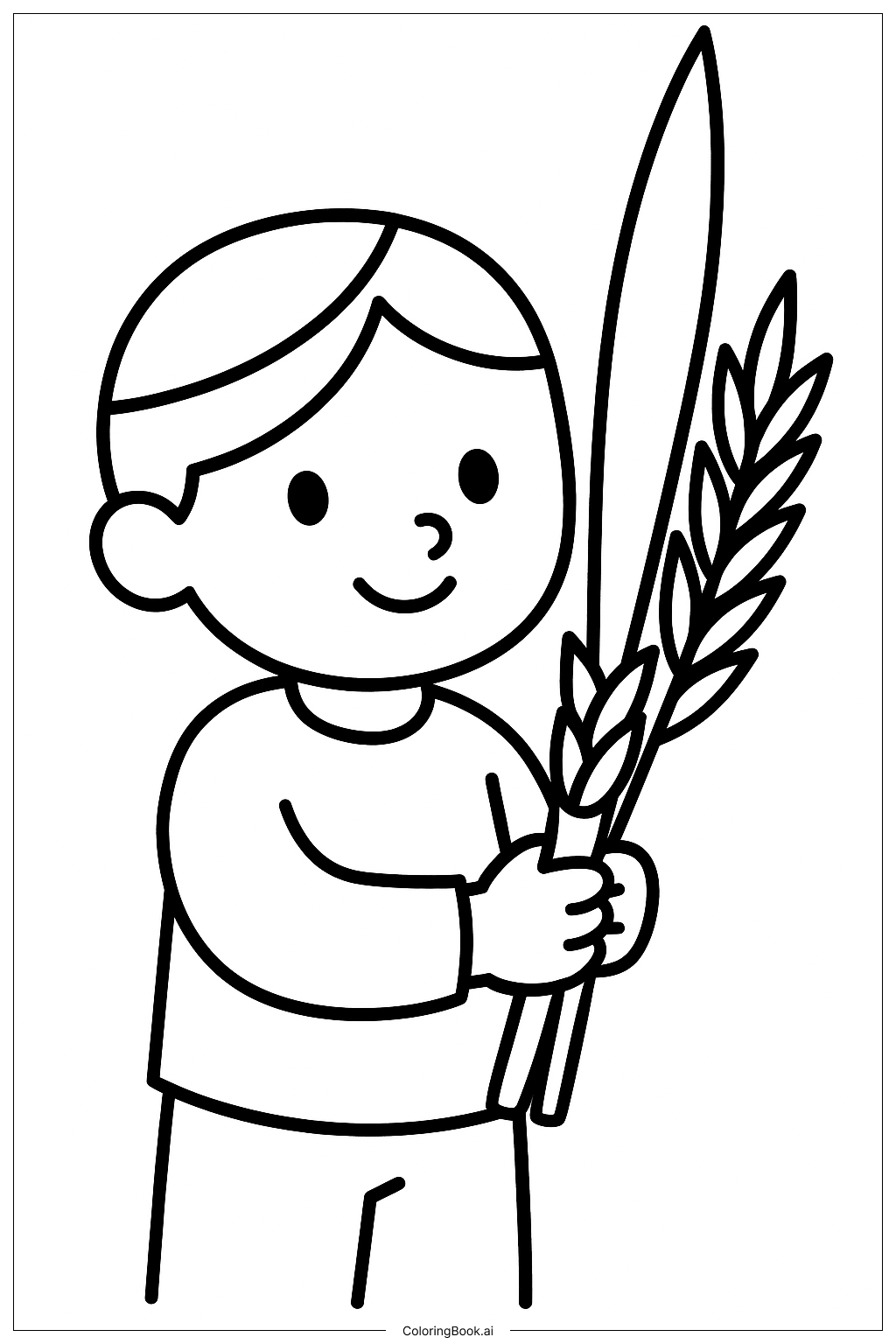
Coloring tips: How to color My First Sukkot Lulav coloring page well?
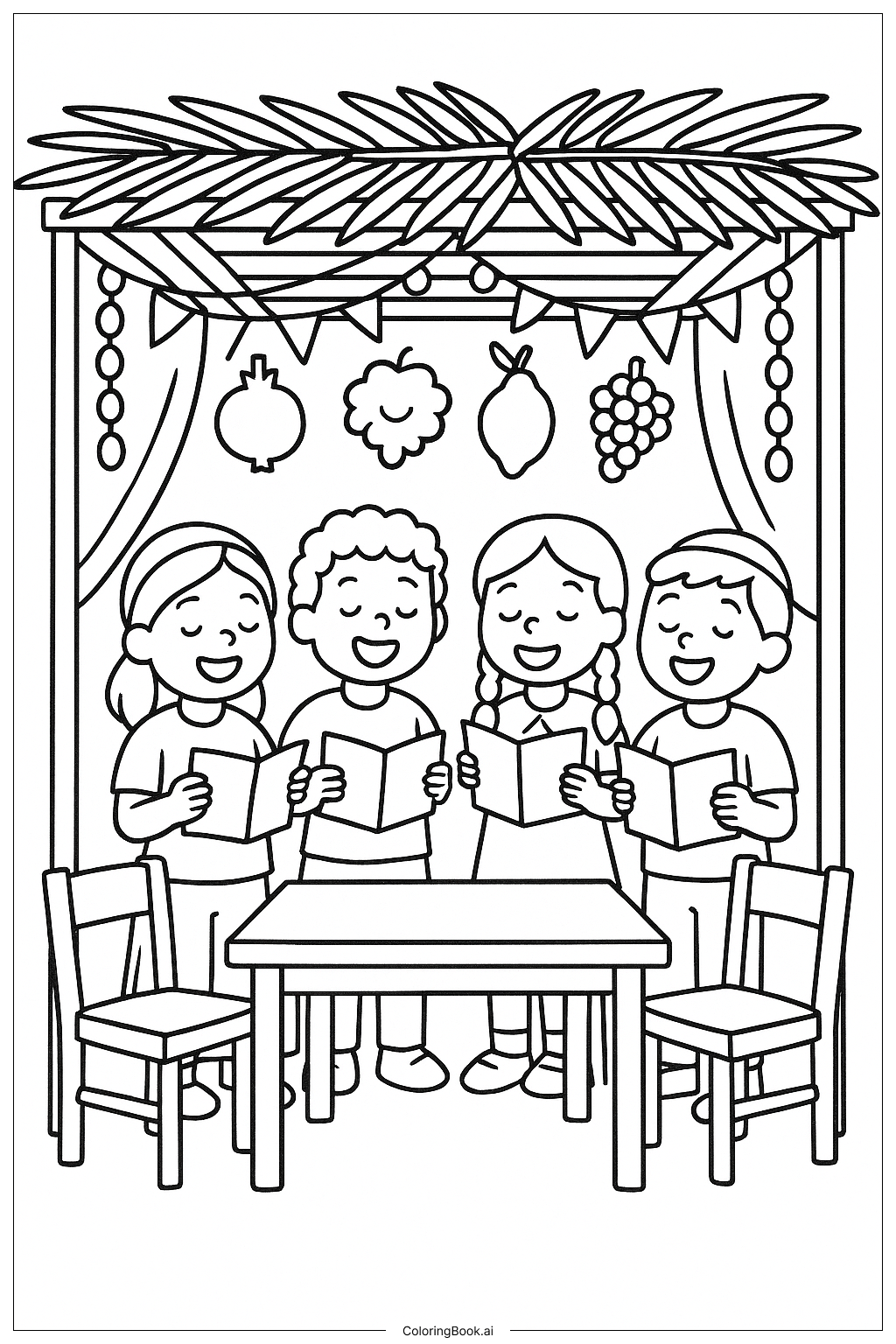
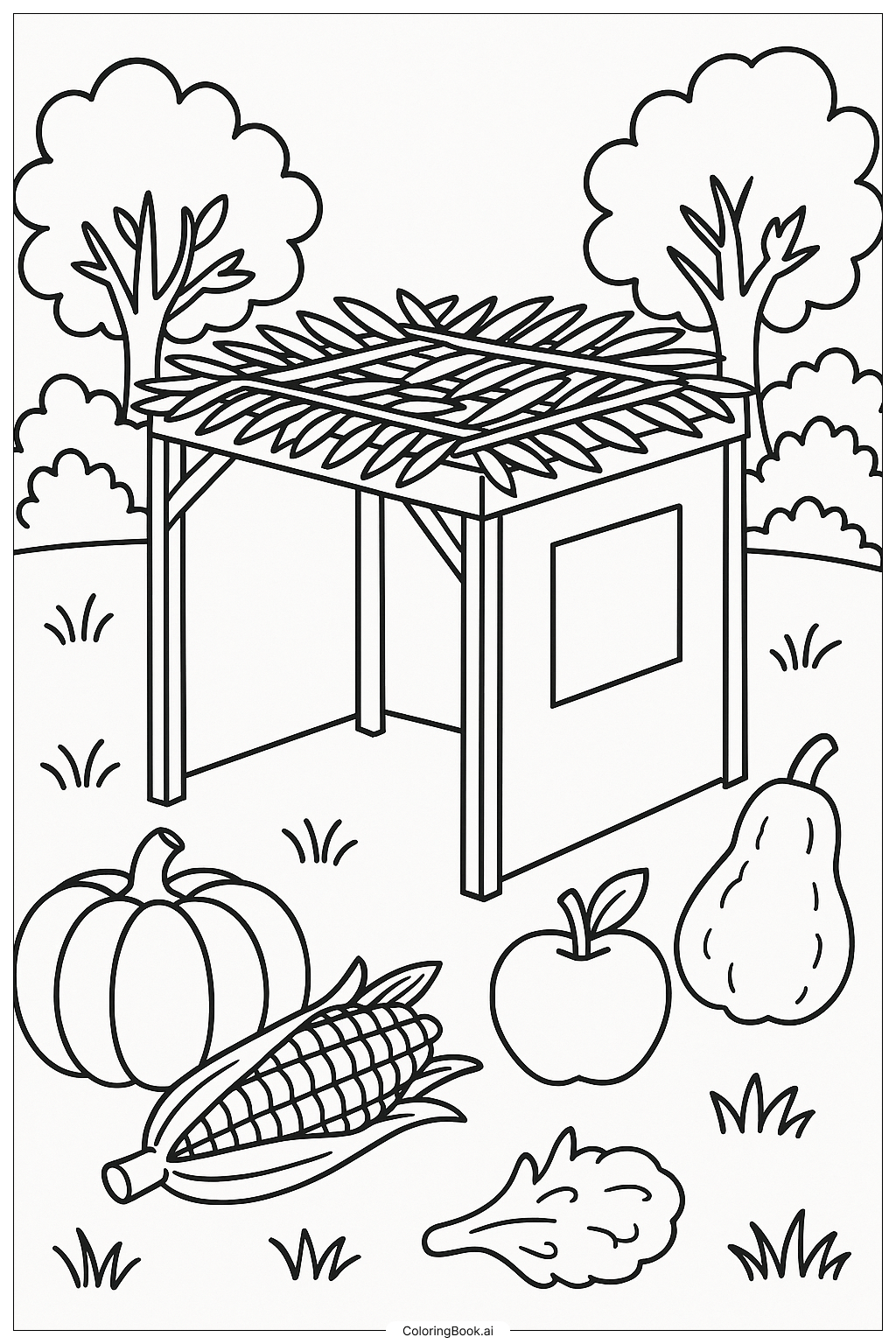
Use bright and natural colors to bring this page to life. For the lulav, try green shades for the palm, myrtle, and willow leaves to capture their fresh look. The sukkah walls can be colored with warm tones like light brown or cream, resembling wood or bamboo. Add colorful dots for the hanging fruits, maybe oranges, yellows, and reds, to show a festive spirit. For the child’s clothes, vibrant primary colors like red, blue, or yellow can make the character stand out. Keep the background soft with pale blues or light greens to highlight the main scene. Encourage layering colors gently to create texture on the leaves and walls.
Coloring challenges: Which parts are difficult to color and need attention for My First Sukkot Lulav coloring page?
• Leaf Details: The lulav’s palm, myrtle, and willow leaves are drawn with many thin lines. Coloring inside these small sections can be tricky, requiring careful attention to stay within the lines and bring out the shape of each leaf. • Sukkah Roof Texture: The natural roof texture has multiple overlapping lines suggesting leaves or branches. Coloring this evenly without making it look too dark or messy may be challenging for younger children. • Fruit Shapes: The hanging fruits are small and round, needing precise coloring to avoid overlapping the branches or leaves. • Facial Features: The child’s face has subtle details like eyes, mouth, and hair. It needs gentle coloring to preserve the expression without overpowering the lines. • Background Areas: Filling in larger spaces around the sukkah and child smoothly, while balancing contrast with the detailed lulav and roof, tests careful shading and color choice.
Benefits of coloring books: Advantages of drawing My First Sukkot Lulav coloring page
Coloring this image helps children learn about the special holiday of Sukkot and its symbols like the lulav. It encourages fine motor skills as they carefully color small leaves, fruits, and details. This activity also boosts focus and patience by requiring them to stay inside the lines. Using different colors for natural elements and clothing develops creativity and an understanding of color harmony. Additionally, coloring the smiling child celebrating teaches positive feelings about tradition and new experiences. Overall, this page provides a fun and meaningful way to connect with cultural heritage while practicing key artistic skills.