Coloring tips: How to color Starfish With Spots coloring page well?
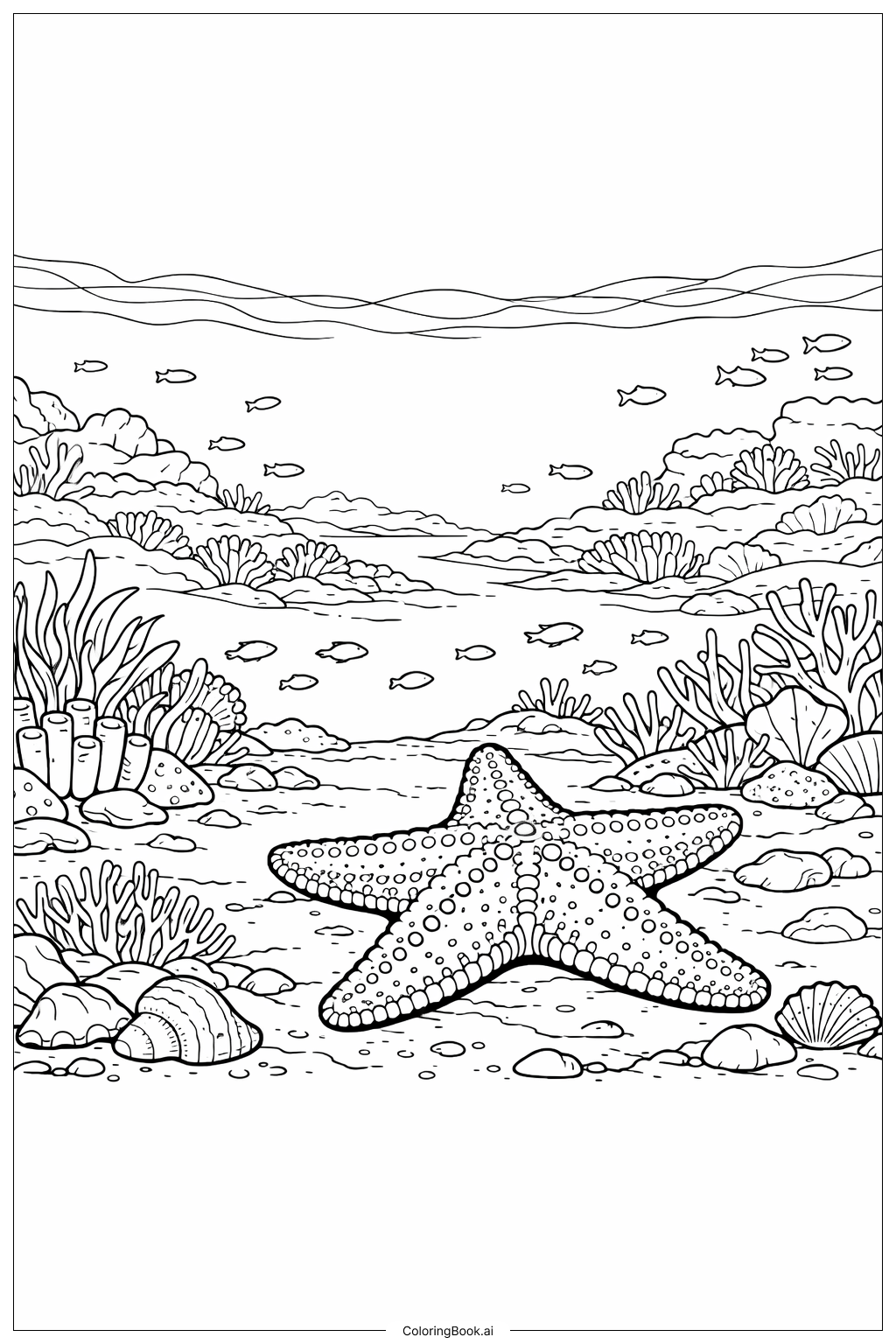
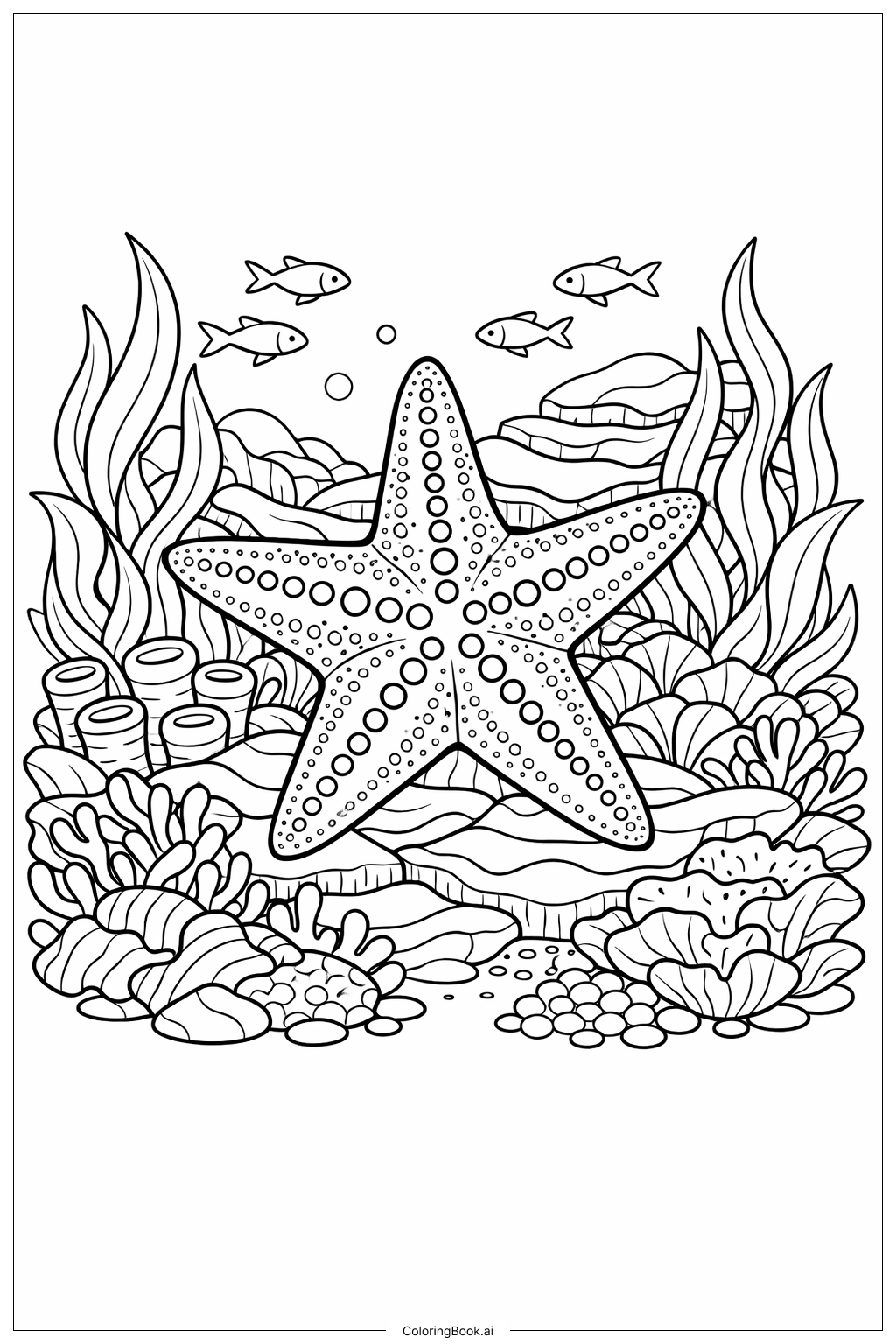
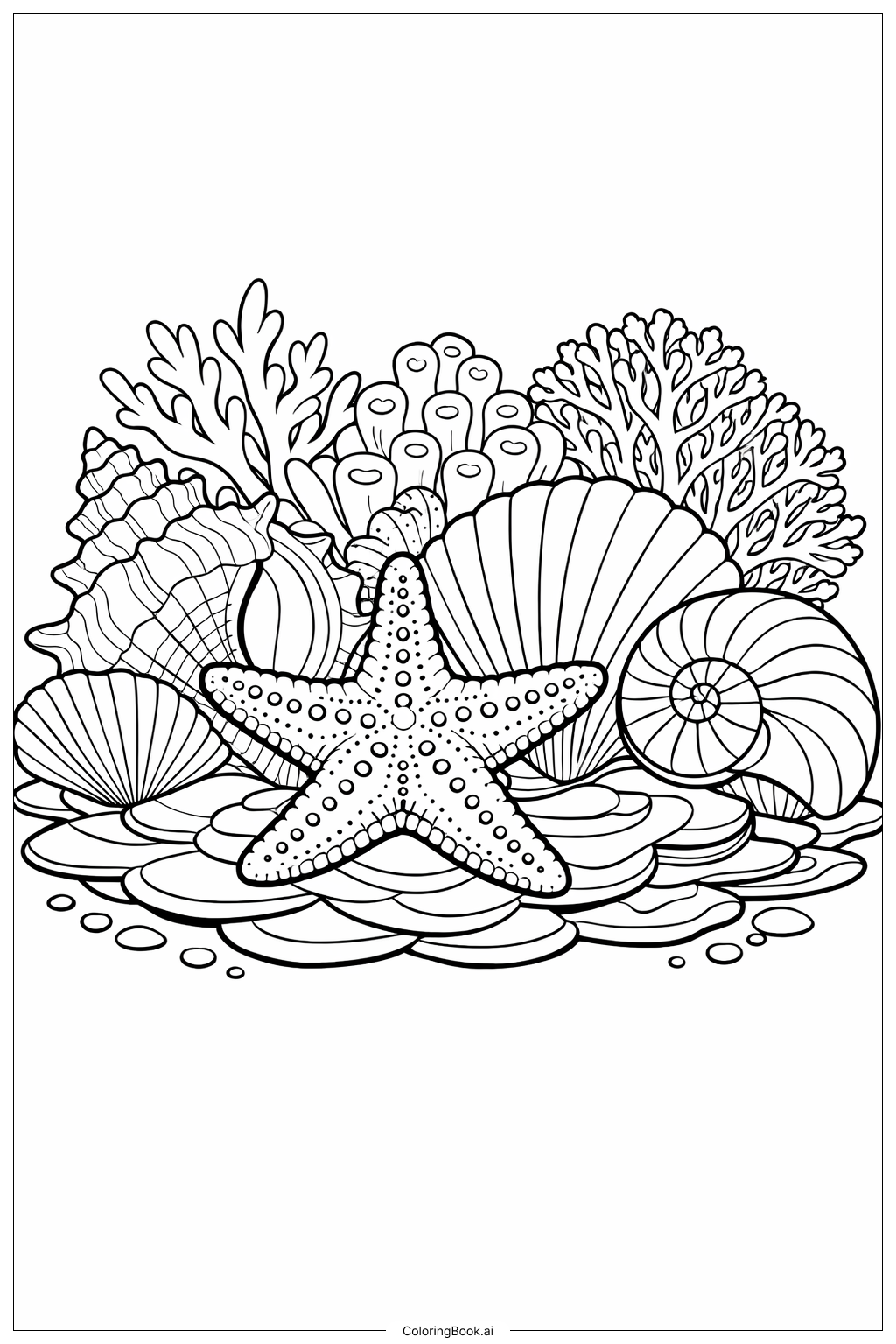
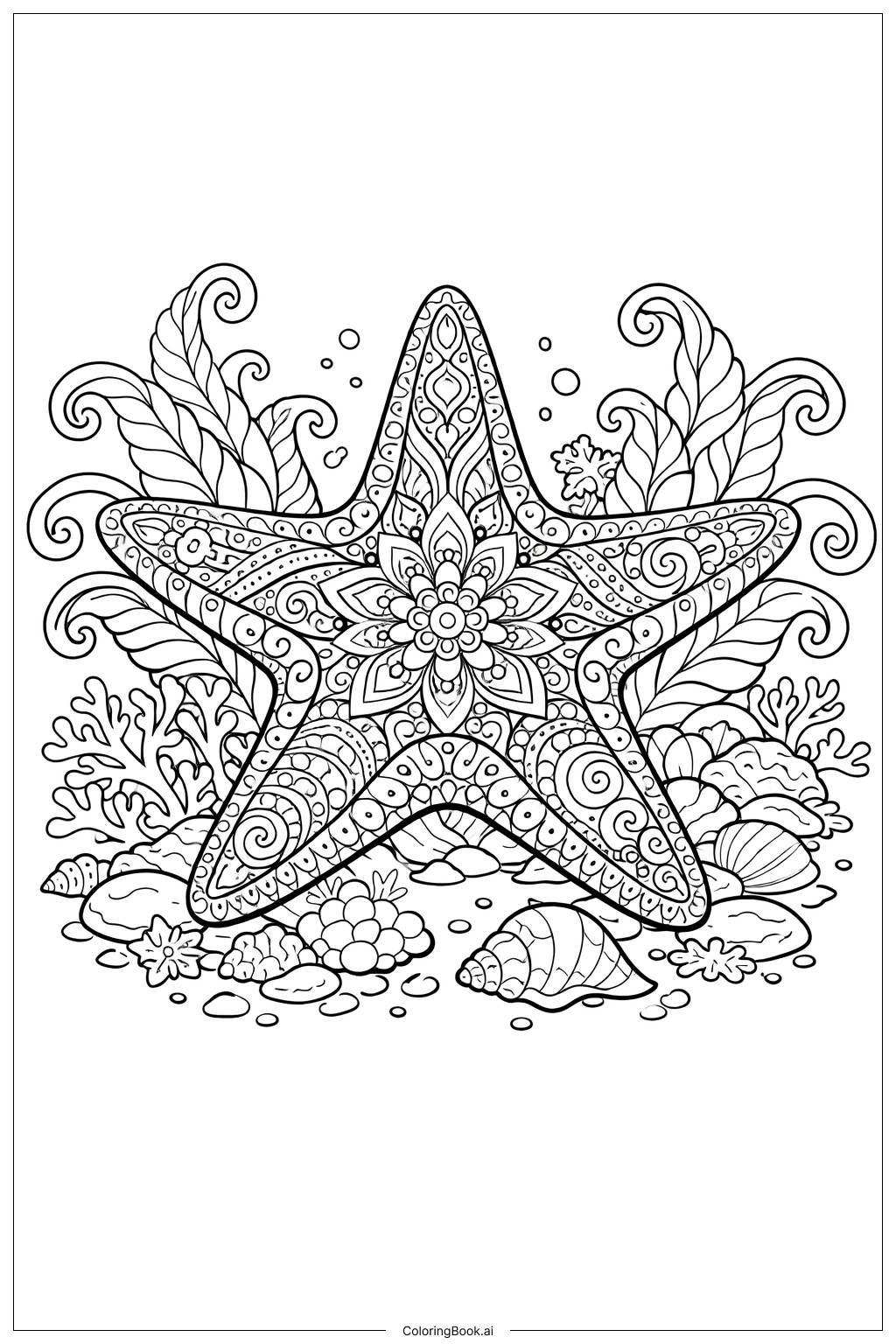
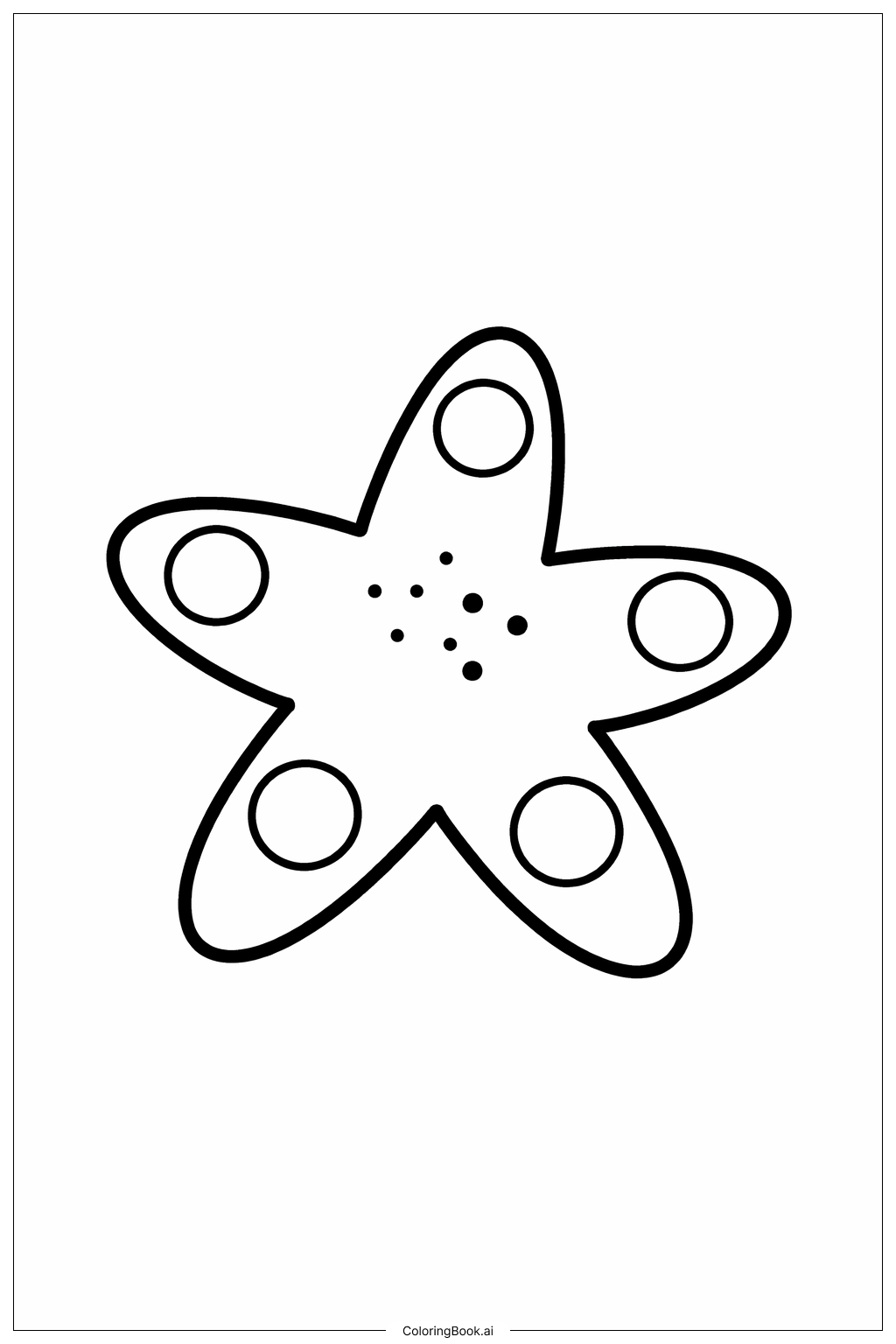
Start with the starfish body using warm shades like orange, coral, red, or golden yellow. These colors feel natural and bright. Use a slightly darker version of the same color to fill in the spots, so they stand out without clashing. You can also try purple or deep red spots for a fun contrast. For the texture lines on the arms, use a thin marker or a colored pencil in a shade just a bit darker than the base color. Color the sandy ocean floor in light tan or beige. Add shells and pebbles in soft grays, creams, or light pinks. If you want a more magical look, try mixing pink and lavender for the starfish body. Younger kids can use crayons and keep the colors simple. Older kids can blend colored pencils to create smooth gradients along each arm, making the starfish look round and three-dimensional. Have fun and use any colors you love!
Coloring challenges: Which parts are difficult to color and need attention for Starfish With Spots coloring page?
• Staying Inside the Spot Outlines: The starfish has many small spots spread across all five arms. Coloring each spot neatly without going over the edges can be tricky, especially where spots are close together. Using a sharp colored pencil or a fine-tip marker will help you stay within the lines and keep each spot looking clean and separate.
• Shading the Curved Arms: Each arm of the starfish curves and narrows toward the tip. Creating a smooth gradient or adding shading along these curved shapes takes patience. The rounded form can be hard to capture with flat color alone, so try pressing lightly at the edges and more firmly in the center to build a gentle sense of depth.
• Keeping Colors Consistent Across All Five Arms: Because the starfish has five arms that all look similar, it can be easy for colors to drift slightly from one arm to the next. Keeping the same base color and spot color throughout all five arms helps the finished image look balanced and unified.
• Detailing the Background Elements: The small shells, pebbles, and sandy floor surrounding the starfish each need their own color. These tiny shapes sit close to the starfish, so switching between the background colors and the main starfish colors without smudging or overlapping requires a steady hand and careful tool selection.
• Balancing the Overall Color Palette: Choosing colors that make the starfish stand out from the background without clashing is a real artistic challenge. Picking colors with enough contrast between the starfish, the spots, and the sandy floor ensures the whole scene looks vibrant and well-composed.
Benefits of coloring books: Advantages of drawing Starfish With Spots coloring page
Coloring this starfish page brings many wonderful benefits for children and young learners. Tracing around the spots and arms with care builds fine motor skills and strengthens hand control, which helps with writing and drawing. Choosing which colors to use for the body, spots, and ocean floor encourages creative thinking and builds confidence in making artistic decisions. Focusing on staying inside the lines also trains concentration and attention to detail, skills that are useful in school and everyday life. The peaceful underwater theme has a calming effect, making this a great activity for quiet time or winding down after a busy day. For younger children, this page introduces basic ocean animals and natural patterns in a fun, hands-on way. Older children can challenge themselves by experimenting with color blending and shading techniques, turning a simple coloring page into a mini art project. Completing the finished page gives a real sense of pride and accomplishment. Whether done alone or with friends and family, coloring this spotty starfish is a joyful and rewarding creative experience for kids of all ages.