Coloring tips: How to color Starfish On Sand coloring page well?
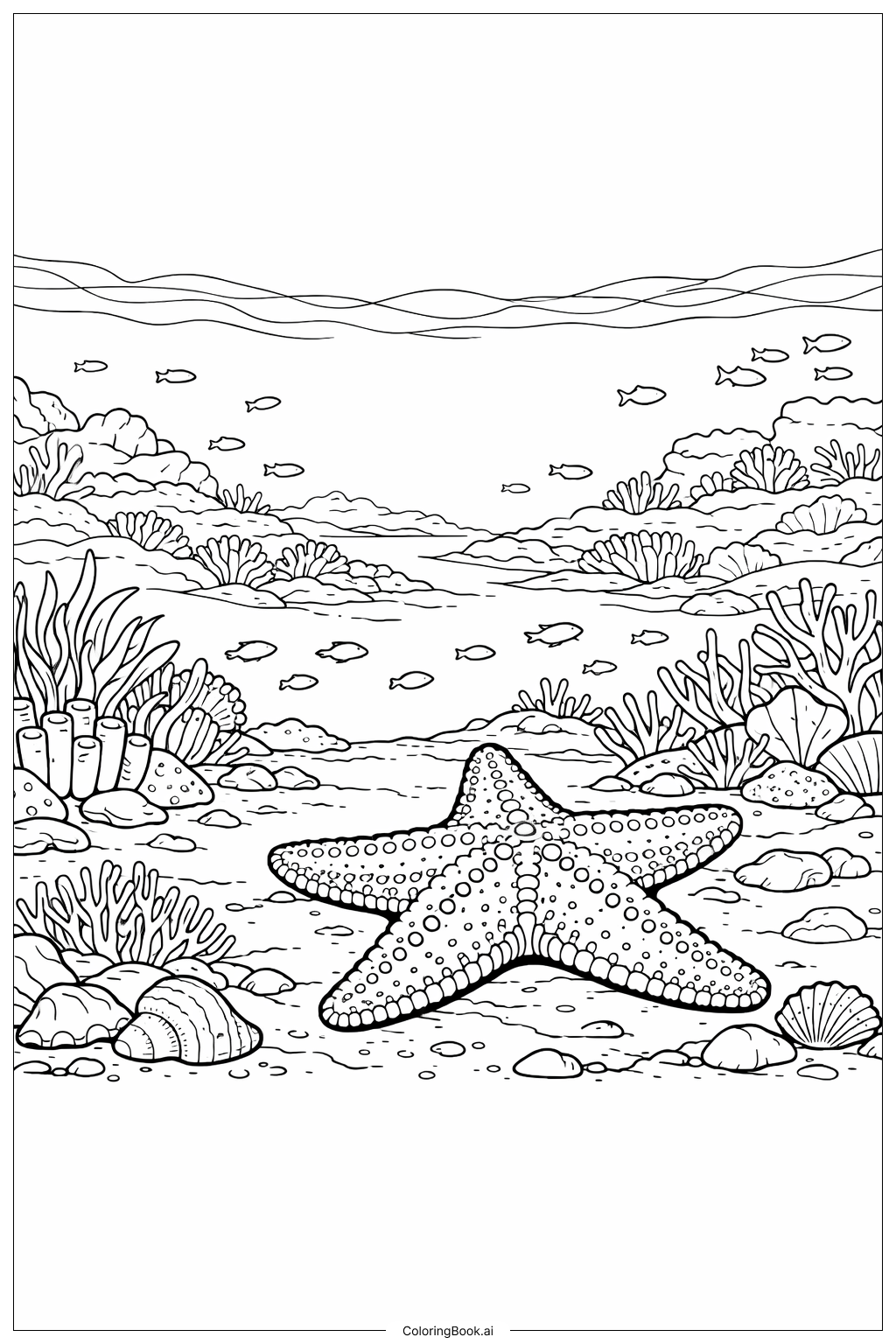
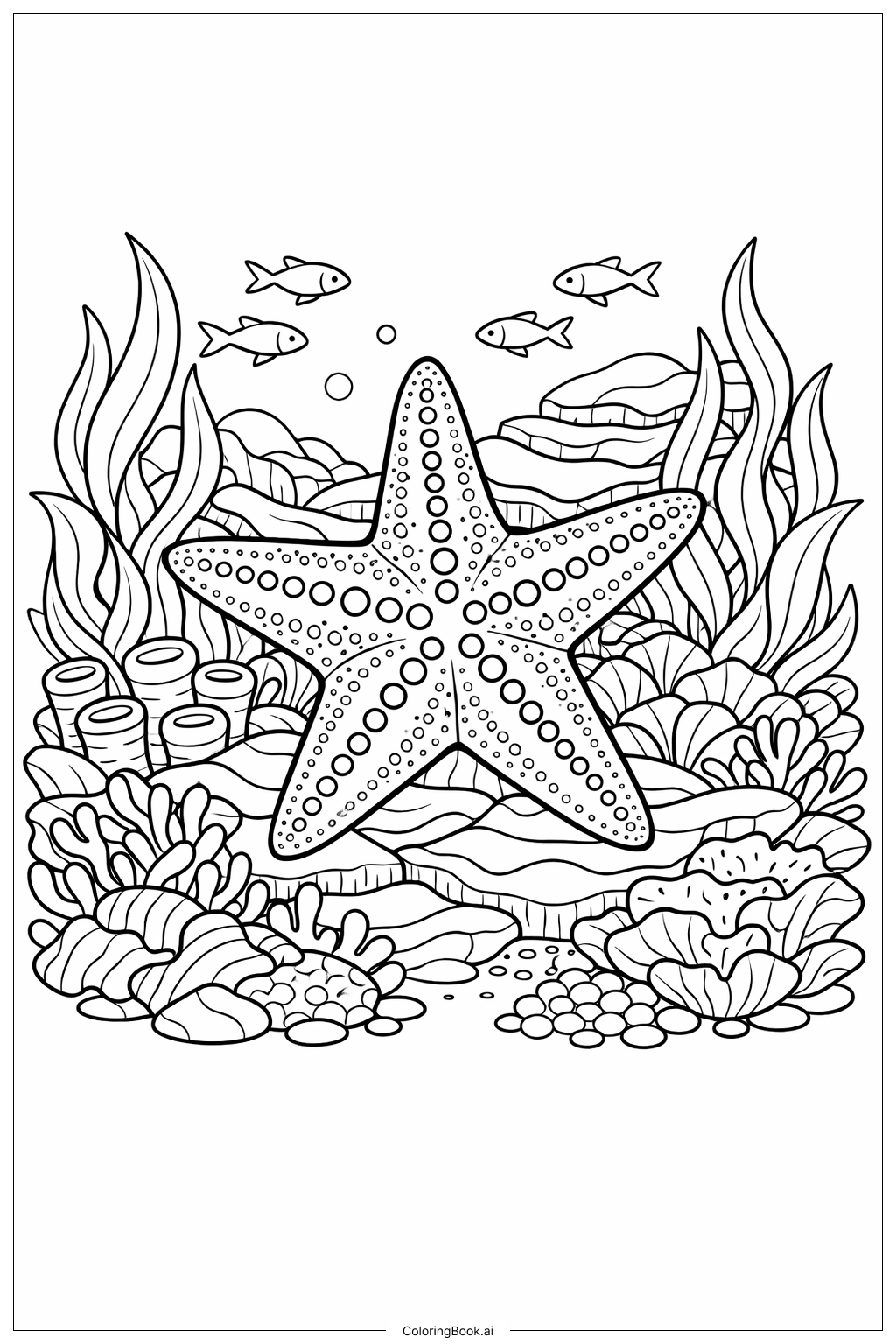
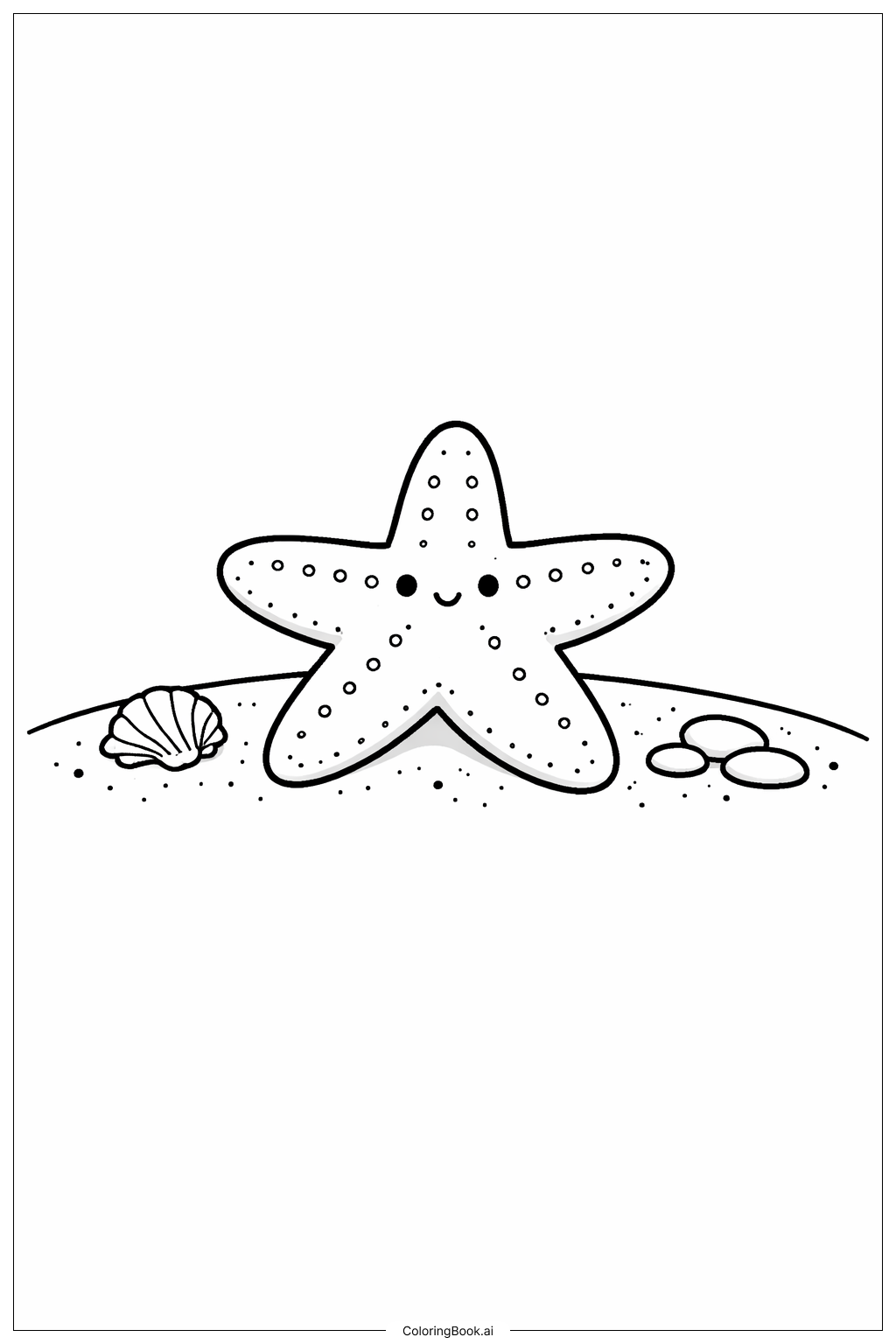
Start with the starfish itself. Orange and red are classic colors for starfish, but you can also try purple, yellow, or even a mix of warm tones to make it look unique. Use a slightly darker shade along the edges of each arm to give it a rounded, three-dimensional look.
For the sandy beach, light tan, beige, or pale yellow works well. You can add small strokes of brown or cream to suggest texture and individual grains of sand.
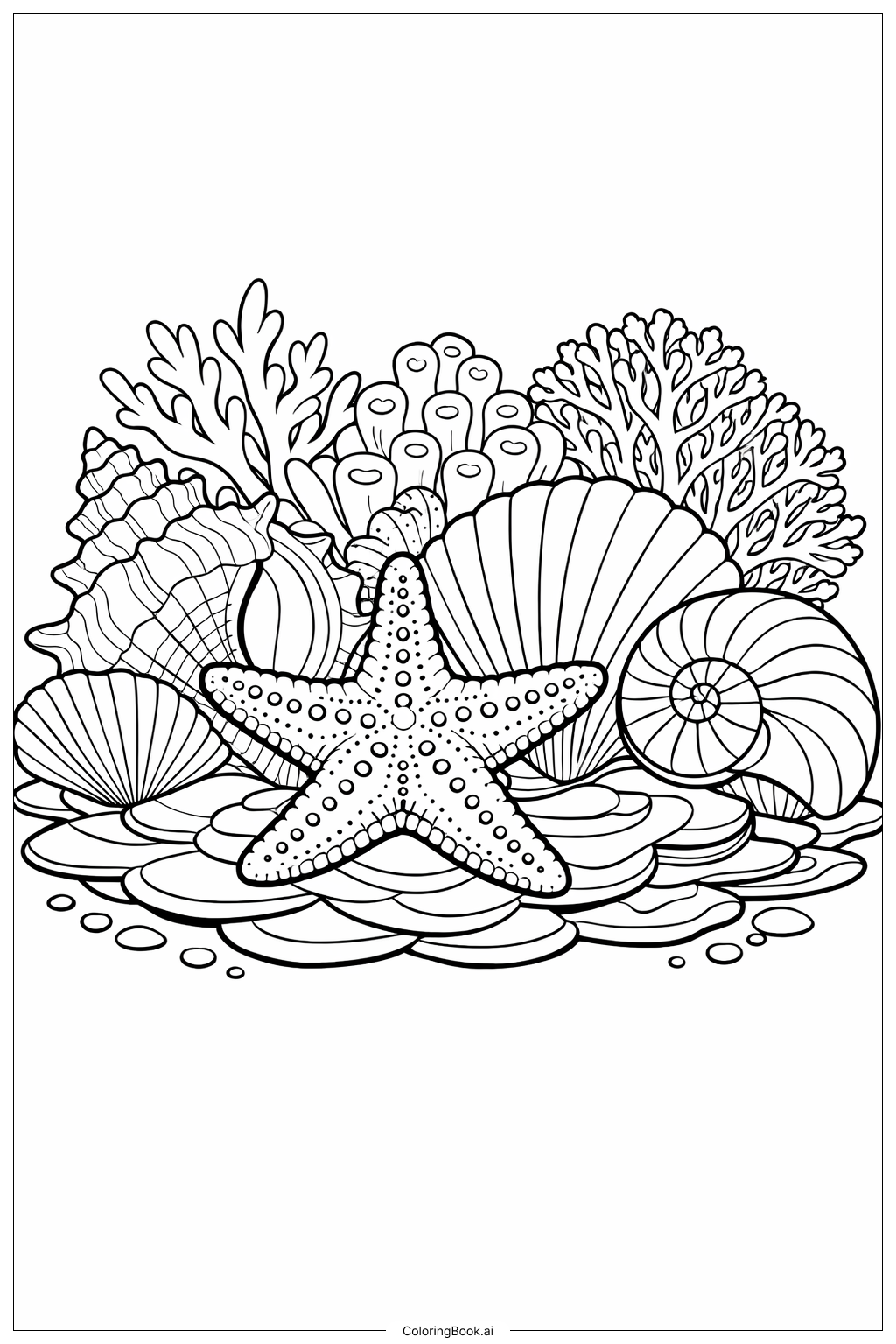
Color the seashells in soft pinks, whites, or peach tones. Add small spots or stripes to make each shell look special.
For the background ocean or wave hints, light blue or aqua shades keep the beach feeling fresh and sunny. You can blend a deeper blue near the edges for a soft gradient effect.
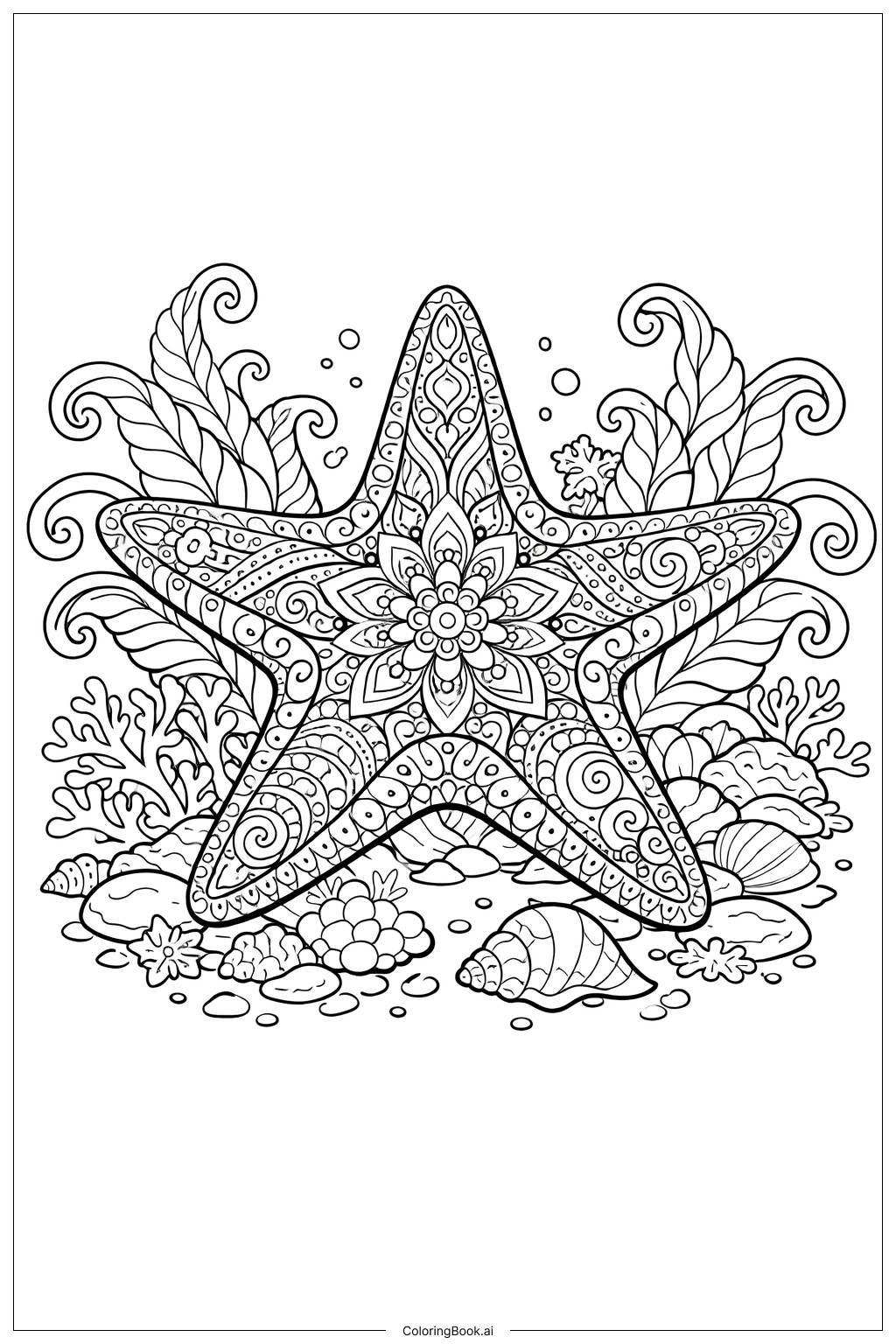
Take your time with the starfish's bumps and dots. Coloring each texture point carefully makes the finished picture really stand out. Kids can keep it simple with one main color, while older colorists can enjoy layering shades for a more realistic result.
Coloring challenges: Which parts are difficult to color and need attention for Starfish On Sand coloring page?
• Starfish Texture Details: The surface of the starfish is covered in many small bumps, ridges, and dots. Staying inside these tiny shapes requires a steady hand and a sharpened pencil or a fine-tipped marker. Rushing through this area may cause colors to bleed outside the lines, making the texture look messy rather than detailed.
• Smooth Color Blending on the Arms: The five arms of the starfish curve and taper toward the tips. Creating a smooth gradient or shading effect along each arm can be tricky, especially for younger colorists. Applying light pressure and building up color gradually helps avoid harsh, uneven patches.
• Sandy Ground Texture: The sand surrounding the starfish is made up of many small irregular shapes representing grains and pebbles. Coloring each tiny grain individually is time-consuming. Achieving a natural, gritty look without making the sand appear too flat or too dark requires careful color choice and light, varied strokes.
• Small Seashells and Pebbles: The scattered shells and pebbles near the starfish are small and closely spaced. Switching between different colors for each shell while keeping them looking distinct and neat takes patience and a fine coloring tool.
• Background Ocean and Sand Boundary: Where the sand meets the hinted ocean background, keeping a clean and natural-looking border can be difficult. The two areas need contrasting colors that still feel harmonious, and blending them too much or too little can disrupt the overall peaceful beach atmosphere.
Benefits of coloring books: Advantages of drawing Starfish On Sand coloring page
Coloring this Starfish On Sand image offers a wonderful mix of fun and learning for kids and adults alike.
For younger children, filling in the starfish and sandy scene helps develop fine motor skills and hand-eye coordination. Choosing colors encourages creative thinking and builds confidence in making their own decisions.
For older kids and teens, the detailed texture of the starfish surface provides a satisfying challenge. Working carefully through the bumps, ridges, and tiny shell shapes builds focus and patience, skills that carry over into schoolwork and other tasks.
For adults, this peaceful beach scene makes a relaxing coloring experience. The repetitive, mindful action of coloring can reduce stress and bring a sense of calm, much like a quiet walk along the shore.
The ocean theme also sparks curiosity about marine life. Children may become interested in learning more about starfish, seashells, and beach ecosystems after coloring this page, making it an easy bridge between creativity and nature education.
Overall, this image is a joyful, accessible coloring activity that suits a wide range of ages. It rewards both quick, playful coloring sessions and longer, more careful artistic work.