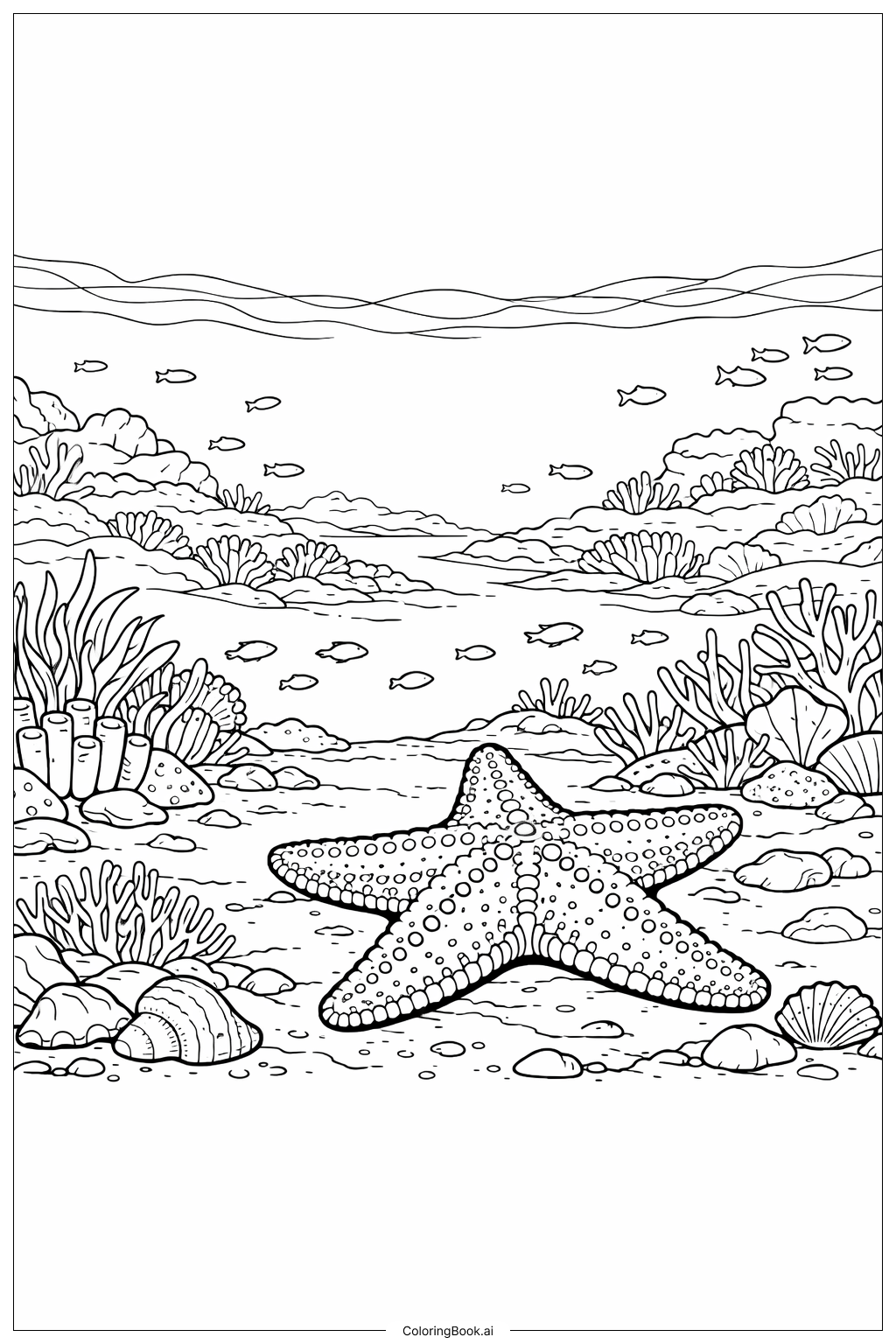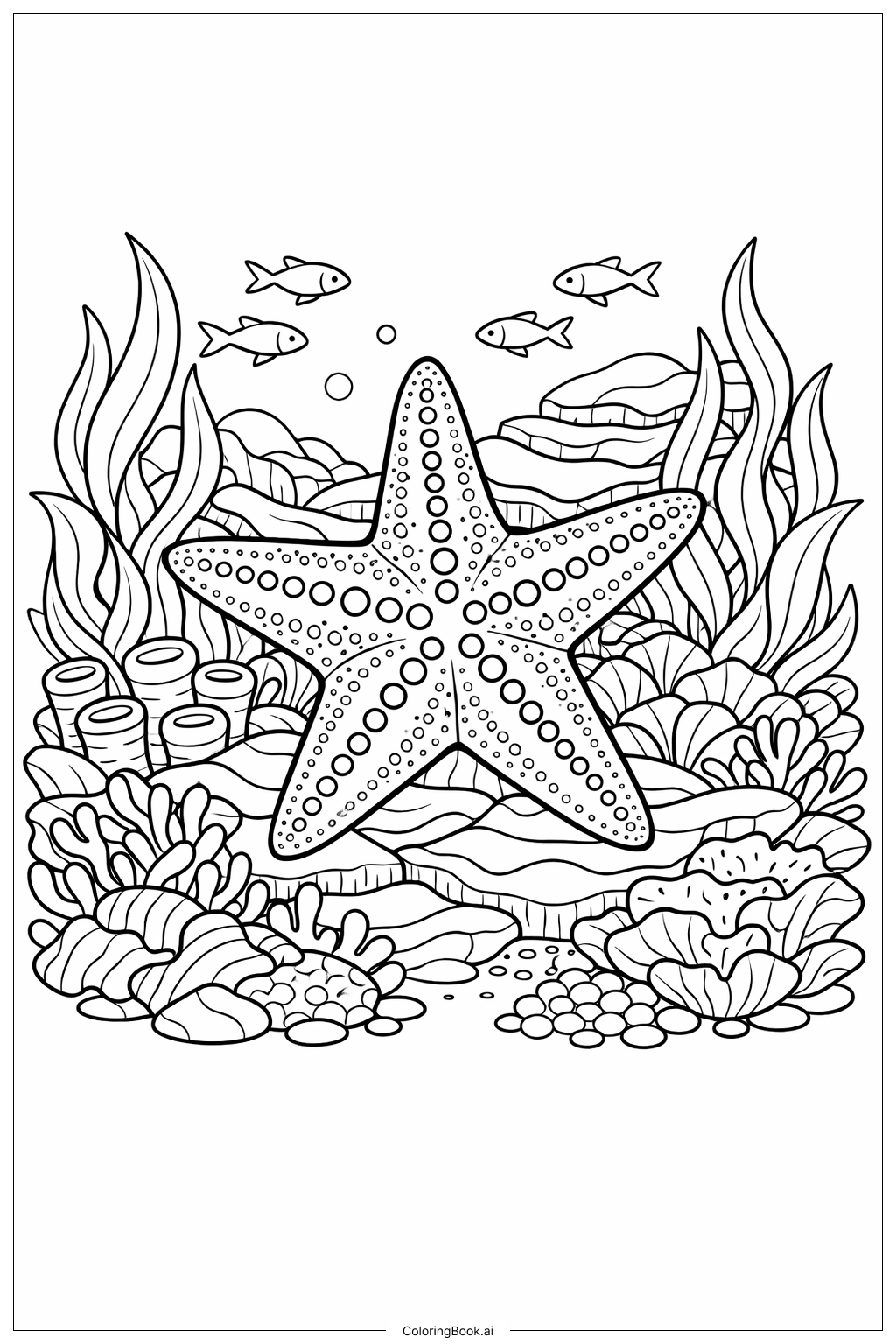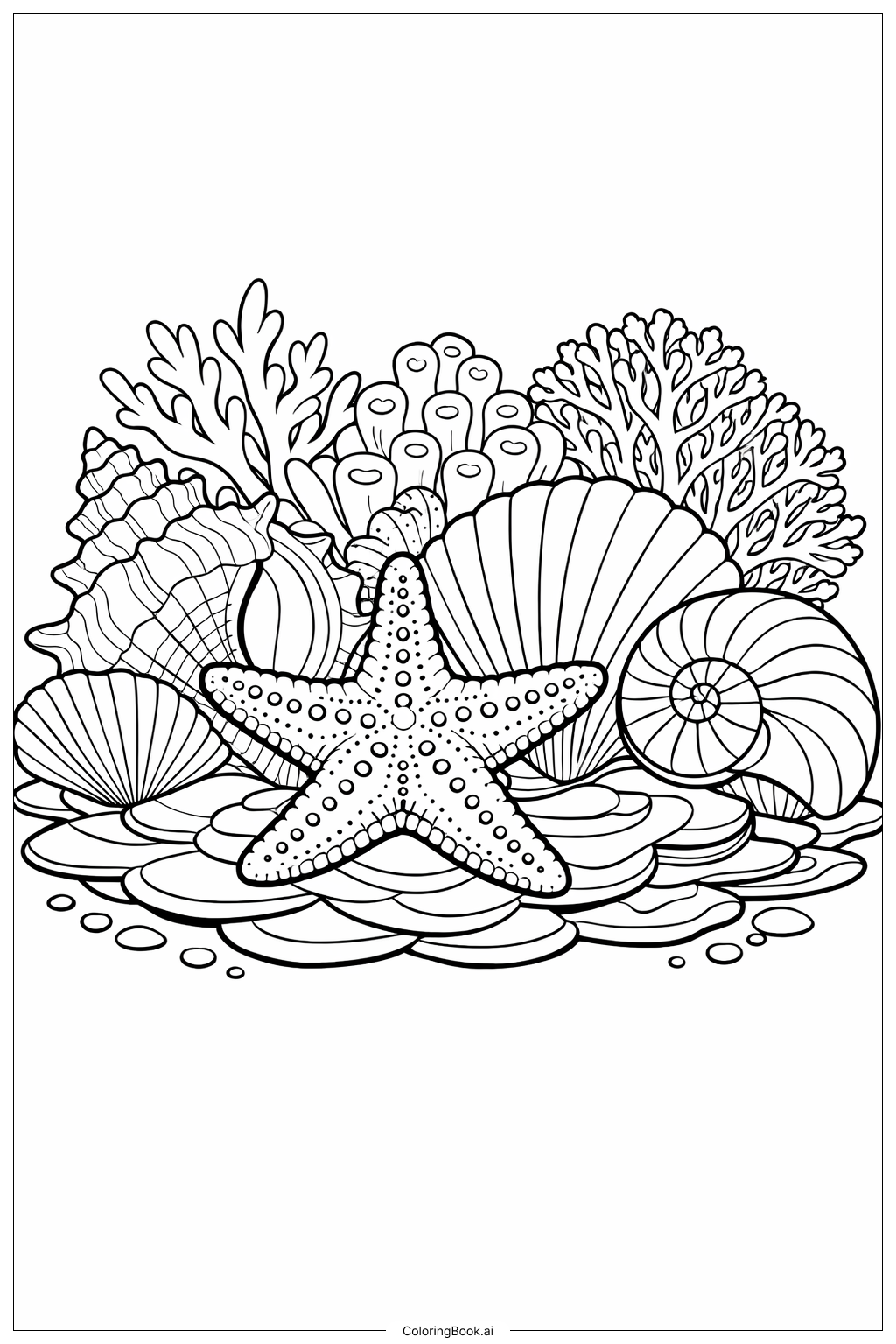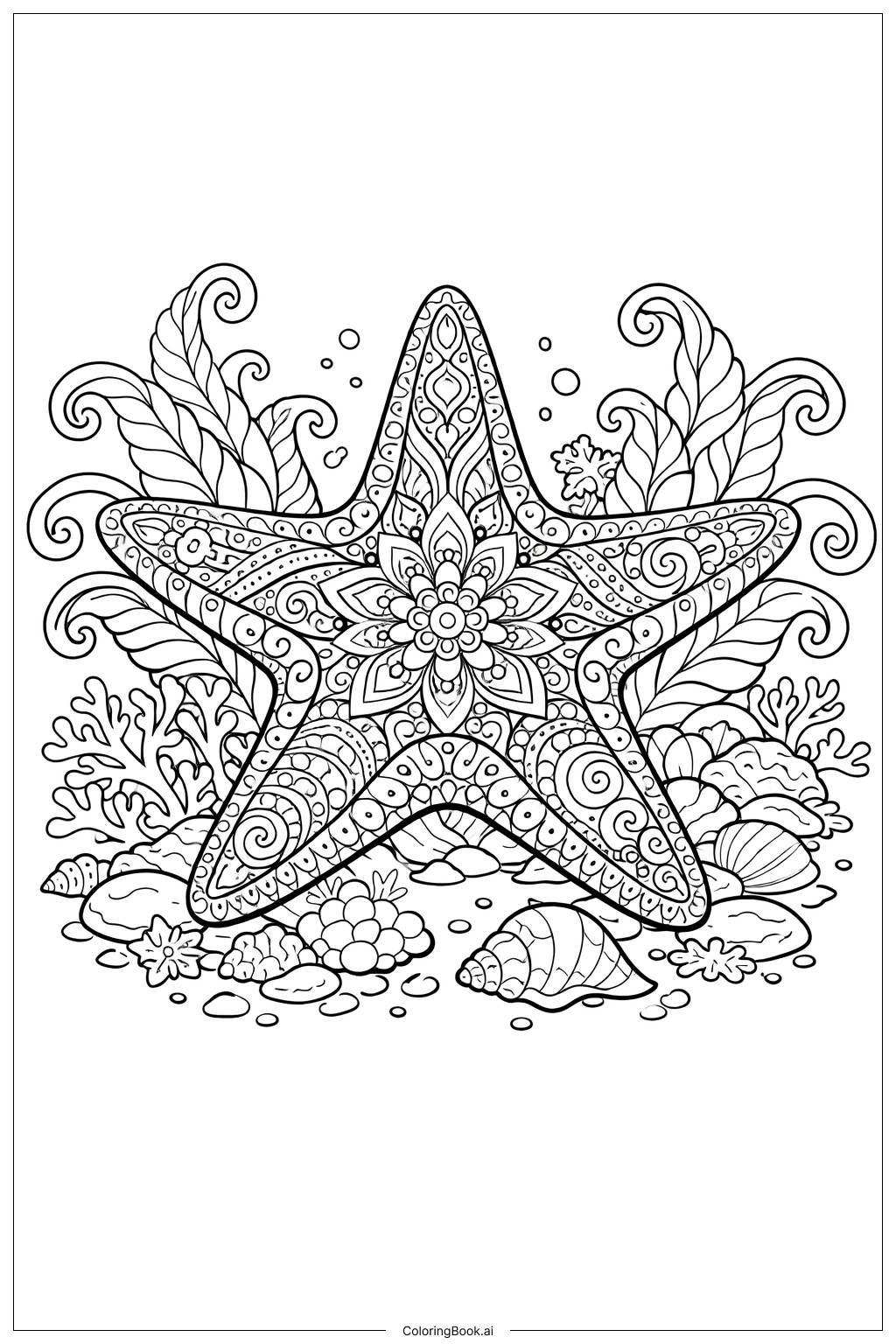
Coloring tips: How to color Starfish On Rock coloring page well?
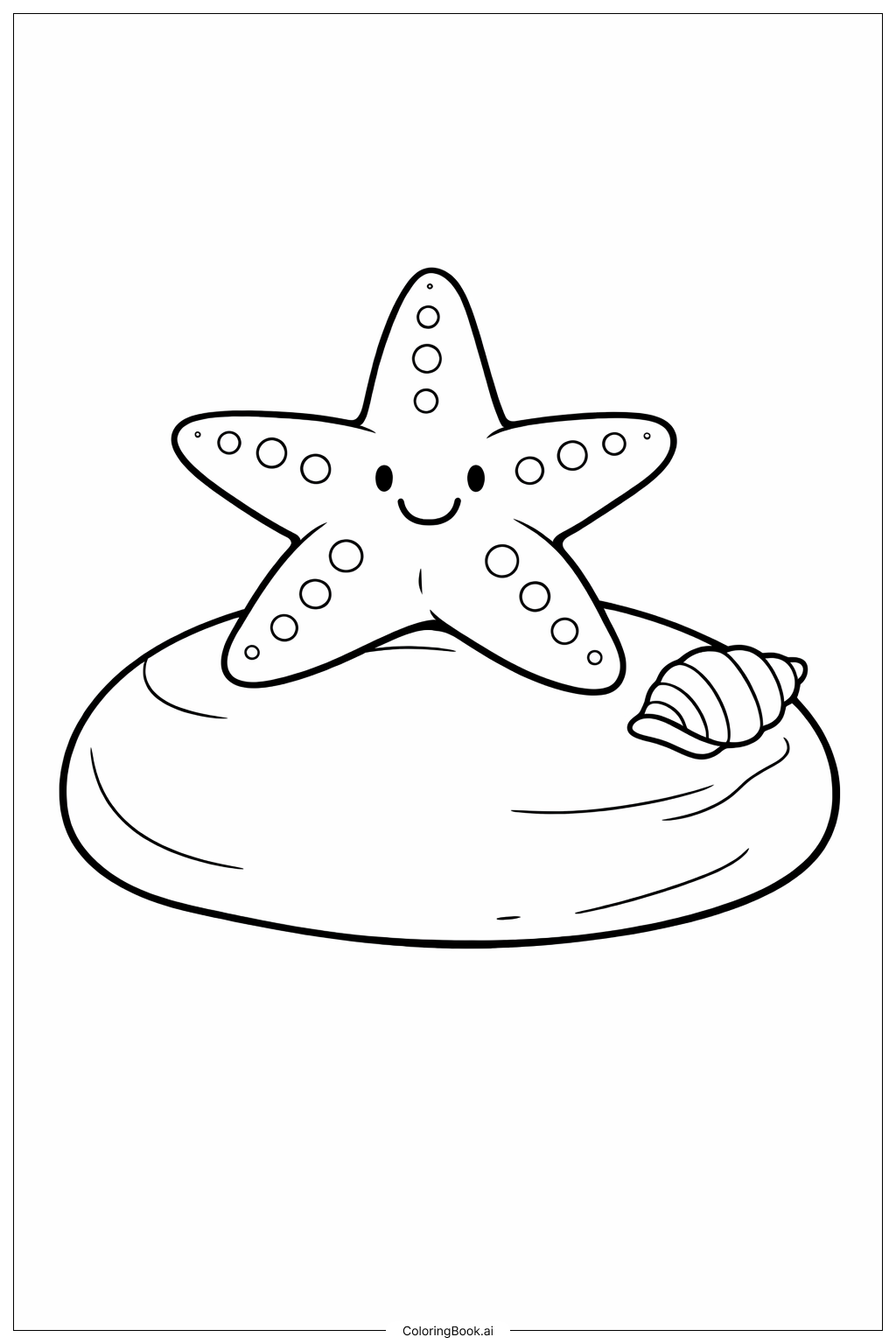
Start with the starfish and choose warm colors like orange, red, coral, or golden yellow — these are the most common colors found in real starfish. Use a slightly darker shade along the edges of each arm to add depth and dimension. For the rock, shades of gray, brown, or tan work great. Add some streaks of darker gray to show the cracks and rough texture. Try a soft blue or green for any water or wet patches on the rock's surface. If there are shells or pebbles nearby, use cream, white, or light pink. Small details like bumps on the starfish arms can be highlighted with a slightly lighter dot of color. Take your time with the textures — they make the picture look really alive. Kids can also get creative and use their favorite colors to make a fantasy starfish!
Coloring challenges: Which parts are difficult to color and need attention for Starfish On Rock coloring page?
• Starfish Arm Texture: The surface of the starfish is covered with many tiny bumps and raised dots. Coloring each of these small details carefully takes patience and a sharp pencil or thin marker. It can be tricky to stay within such small areas without smudging the surrounding color.
• Rock Surface Details: The rock has uneven ridges, cracks, and rough patches across its surface. Getting the shading right to make the rock look three-dimensional is a challenge. You need to layer different shades of gray or brown carefully to show depth without making the whole rock look flat or muddy.
• Blending Colors on the Starfish: Real starfish often show color variation from the center to the tips of their arms. Trying to blend from a darker center to a lighter edge, or vice versa, requires a gentle hand. Using colored pencils and blending in small circular strokes helps, but it takes practice to make it look smooth.
• Distinguishing the Starfish from the Rock: Since the starfish is sitting directly on top of the rock, their outlines meet closely. Keeping the colors of the starfish and the rock clearly separate — without the colors bleeding into each other — is one of the harder parts of this image. Using a light outline or coloring the border areas first can help.
• Small Surrounding Details: Any tiny shells, pebbles, or water droplets around the scene are small and closely packed. Coloring them neatly without accidentally filling in the wrong section requires careful attention and a fine-tipped coloring tool.
Benefits of coloring books: Advantages of drawing Starfish On Rock coloring page
Coloring this Starfish On Rock image offers a wide range of wonderful benefits for children and young artists. First, it builds fine motor skills. Carefully filling in the small bumps on the starfish and the rough lines of the rock helps train hand-eye coordination and pencil control. Second, it encourages creativity. Choosing colors for the starfish and its rocky home lets kids express their imagination freely — there is no single right answer. Third, it sparks curiosity about nature. This scene introduces children to real ocean creatures and coastal environments, making learning about marine life fun and visual. Fourth, it supports focus and patience. Working through the detailed textures of the image teaches kids to slow down, pay attention, and complete a task step by step. Fifth, it provides a calming activity. The quiet, repetitive motion of coloring is known to reduce stress and help children relax. Finishing the page also gives a real sense of pride and accomplishment, boosting confidence and motivation to keep creating.