Coloring tips: How to color St Valentine Heart Tree coloring page well?
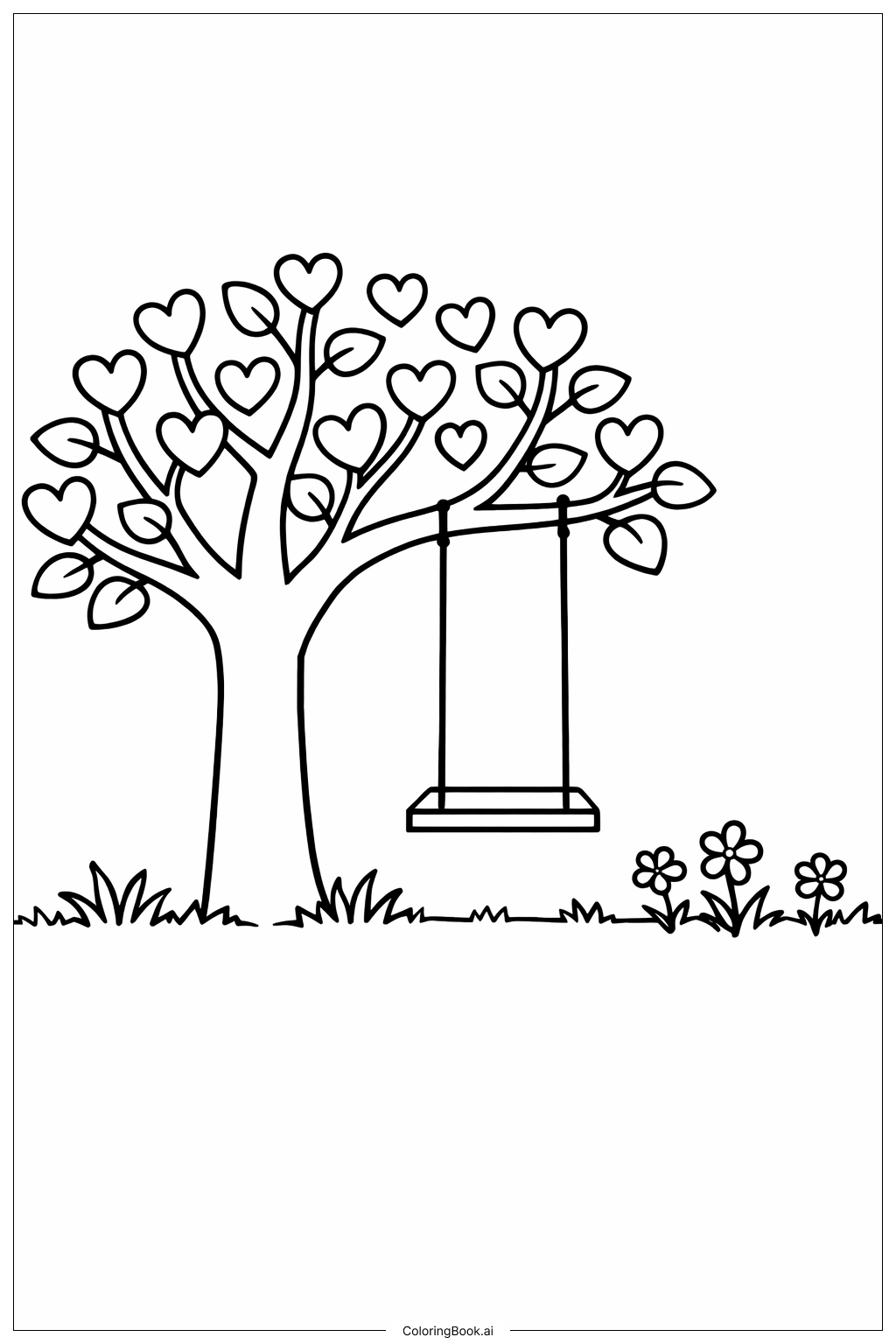
Start with the tree trunk and branches. Use warm brown or dark tan shades to give the trunk a natural, earthy feel. Add lighter brown highlights along the edges to show texture and depth. For the hearts, have fun mixing shades of red, pink, and purple. Try using different shades on each heart to make the tree look lively and colorful. You can also use soft coral, peach, or magenta for variety. Leave some hearts lighter and make others deeper in color to create contrast. For the background, pale yellow, soft lavender, or light sky blue works beautifully. If there are swirls or small flowers, use gold, white, or bright accent colors to make them pop. Younger colorists can keep things simple with solid colors, while older ones can try blending or shading for a more polished look. There are no rules here — just enjoy the process and let your creativity shine through every heart on this St Valentine Heart Tree.
Coloring challenges: Which parts are difficult to color and need attention for St Valentine Heart Tree coloring page?
Coloring this image comes with a few fun challenges worth knowing before you begin:
• Heart Variety and Scale: The tree is covered in hearts of many different sizes. Coloring each one individually takes patience. Small hearts near the branch tips are especially tricky to fill neatly without going outside the lines. Using a fine-tipped colored pencil or a thin marker will help you stay precise on the smaller shapes.
• Branch and Trunk Texture: The trunk and branches have flowing lines and curves that suggest natural wood grain. Simply filling them with one flat color will look dull. To do this area justice, you need to layer at least two or three shades of brown, adding shadows along one side and lighter tones on the other to create a sense of roundness and depth.
• Color Cohesion Across the Canopy: Because the heart canopy contains so many individual shapes, choosing colors randomly can make the final result look scattered or chaotic. Planning a color palette in advance — such as a gradient from deep red at the bottom hearts to soft pink at the top — helps the whole tree feel unified and intentional.
• Decorative Details: Small swirls, dots, and tiny floral accents are sprinkled throughout the image. These fine details are easy to overlook but make a big difference in the finished piece. Coloring them requires a steady hand and a sharp pencil tip, especially where details sit close to the larger heart shapes.
• Background Balance: Choosing the right background color is harder than it looks. The background must complement the vibrant hearts without competing with them, so soft and muted tones work best here.
Benefits of coloring books: Advantages of drawing St Valentine Heart Tree coloring page
Coloring this St Valentine Heart Tree page offers a wonderful mix of creative and emotional benefits for kids and adults alike. First, it builds fine motor skills. Carefully coloring the many hearts, branches, and small decorative details requires precise hand movements that strengthen grip and improve pencil control. Second, it encourages creative thinking. Choosing which colors to use for each heart and how to blend shades across the tree canopy helps develop personal artistic judgment and decision-making. Third, it promotes emotional expression. Hearts are a universal symbol of love and warmth. Filling this tree with color gives colorists a gentle, joyful way to connect with feelings of kindness, affection, and happiness — especially meaningful around St Valentine's Day. Fourth, it supports focus and mindfulness. Sitting quietly and working through a detailed image trains attention and helps calm a busy or anxious mind. It is a simple but effective way to unwind after a long day. Finally, completing the page gives a real sense of achievement. Seeing a finished, colorful tree full of vibrant hearts is genuinely rewarding and builds confidence in young and older colorists alike.