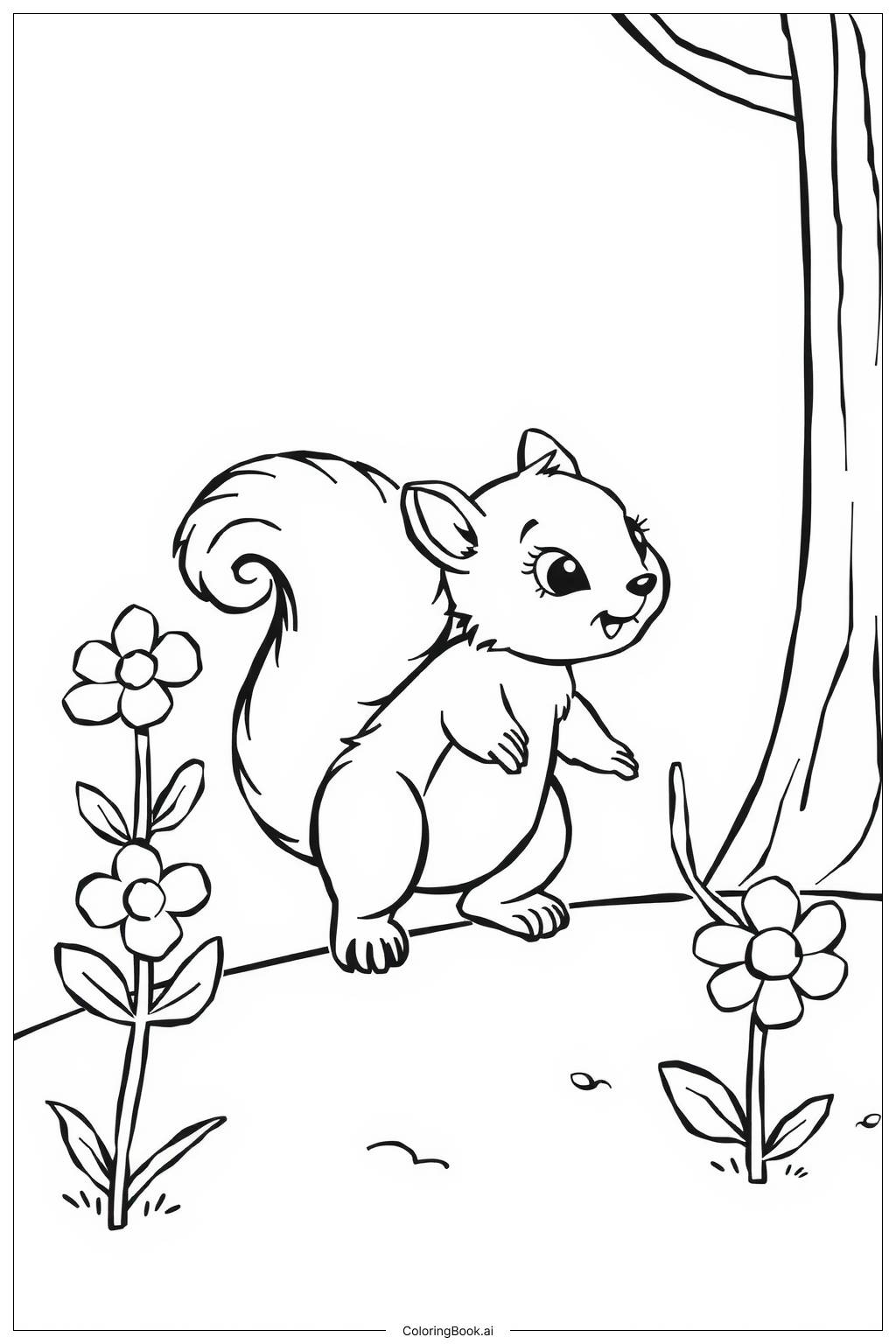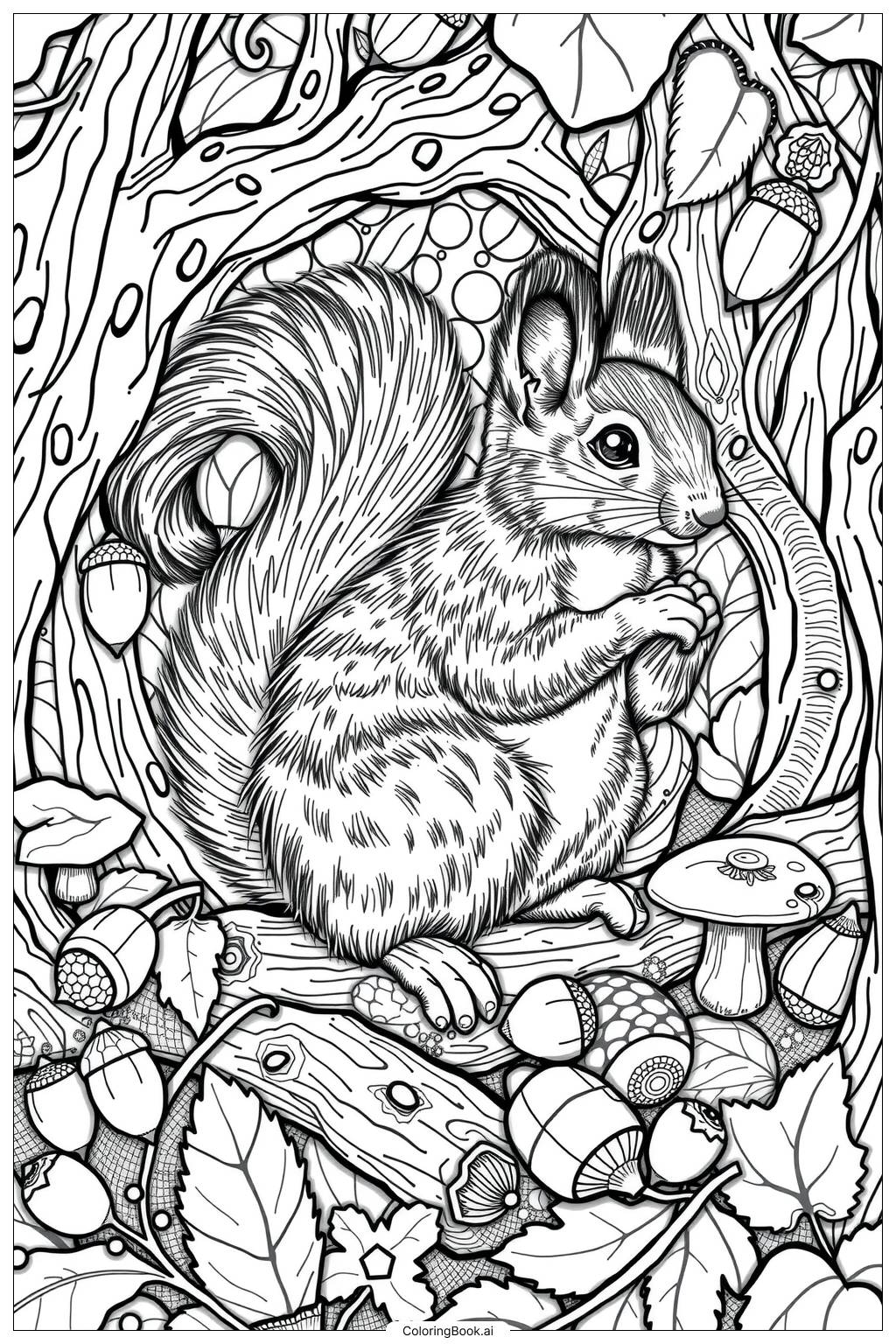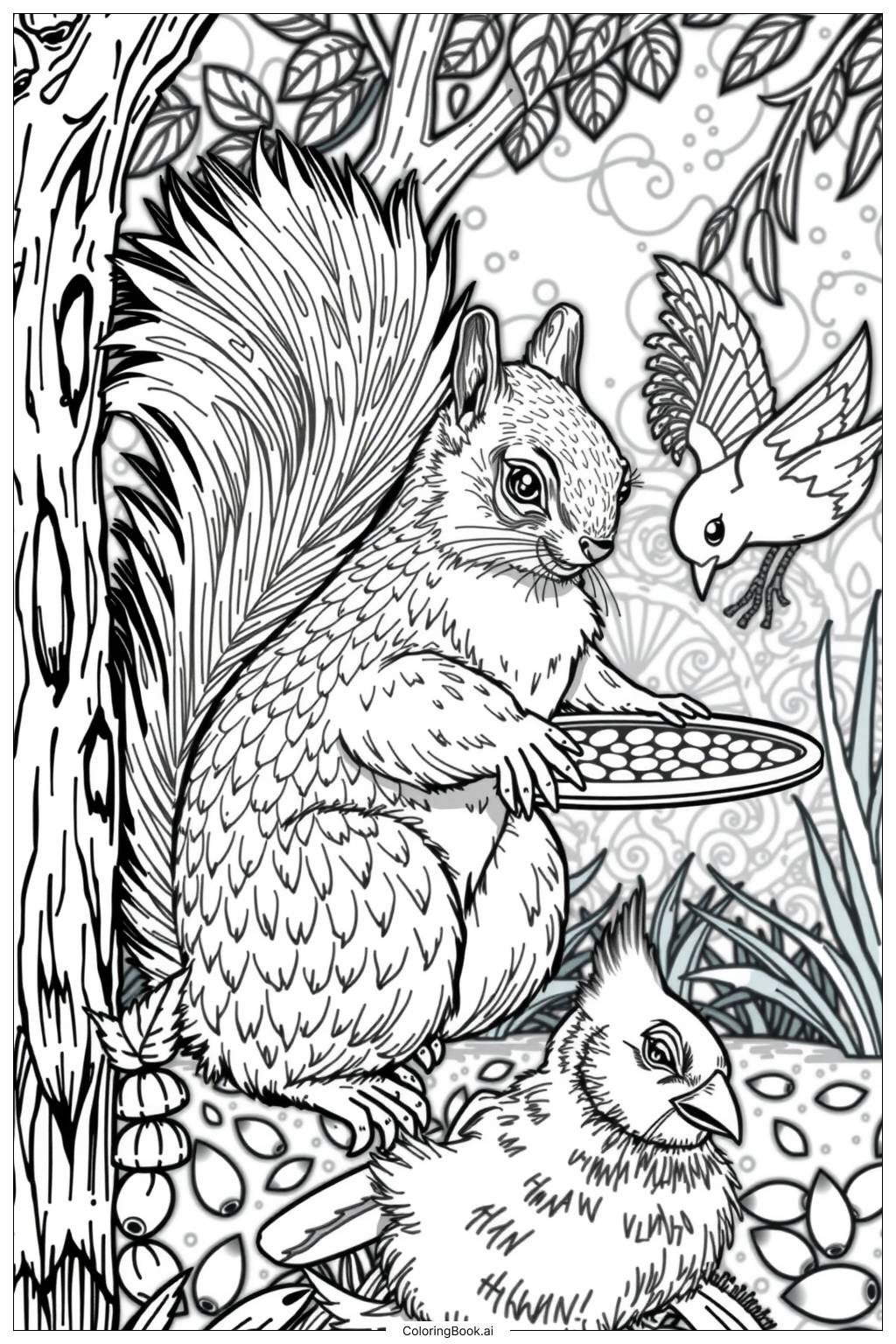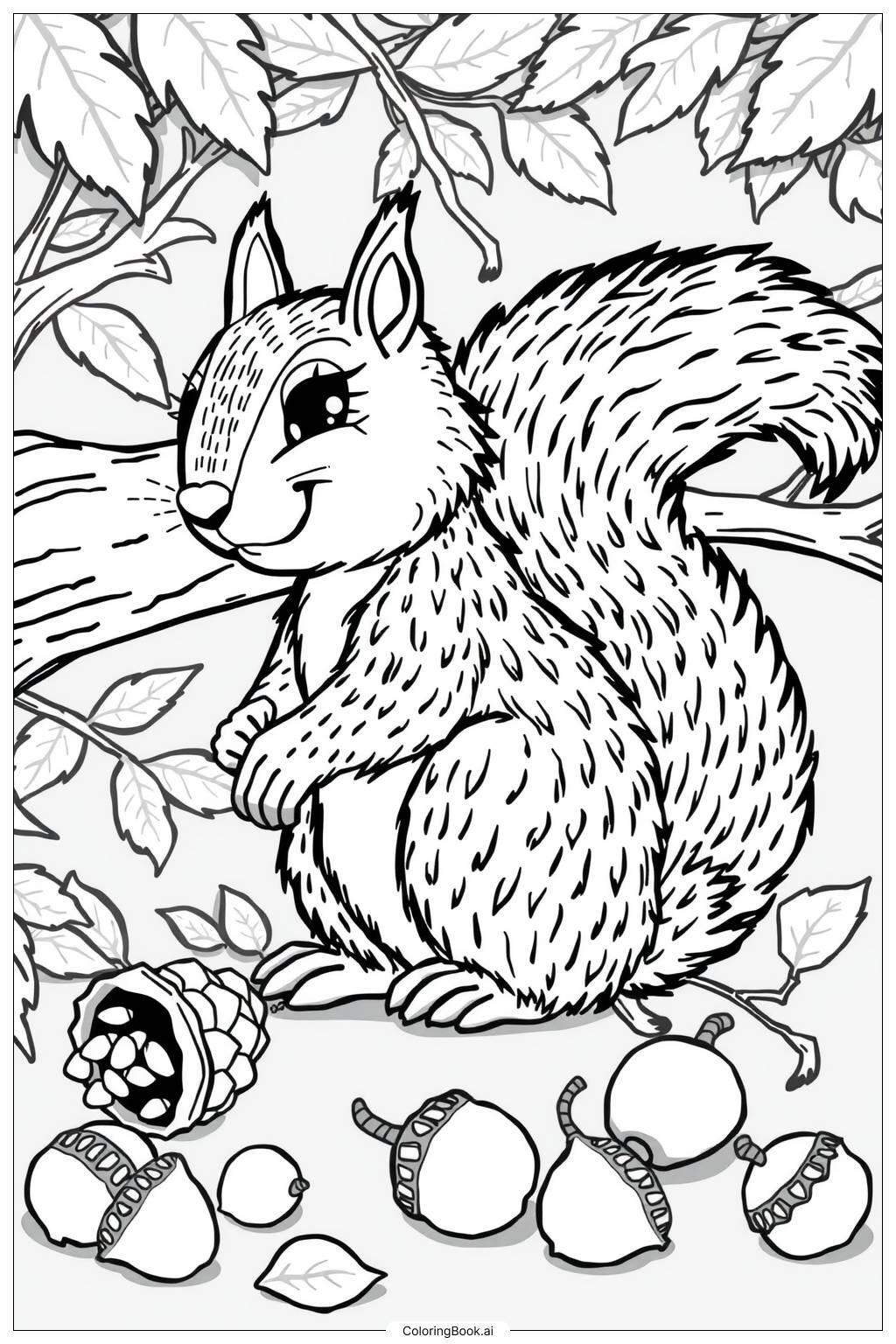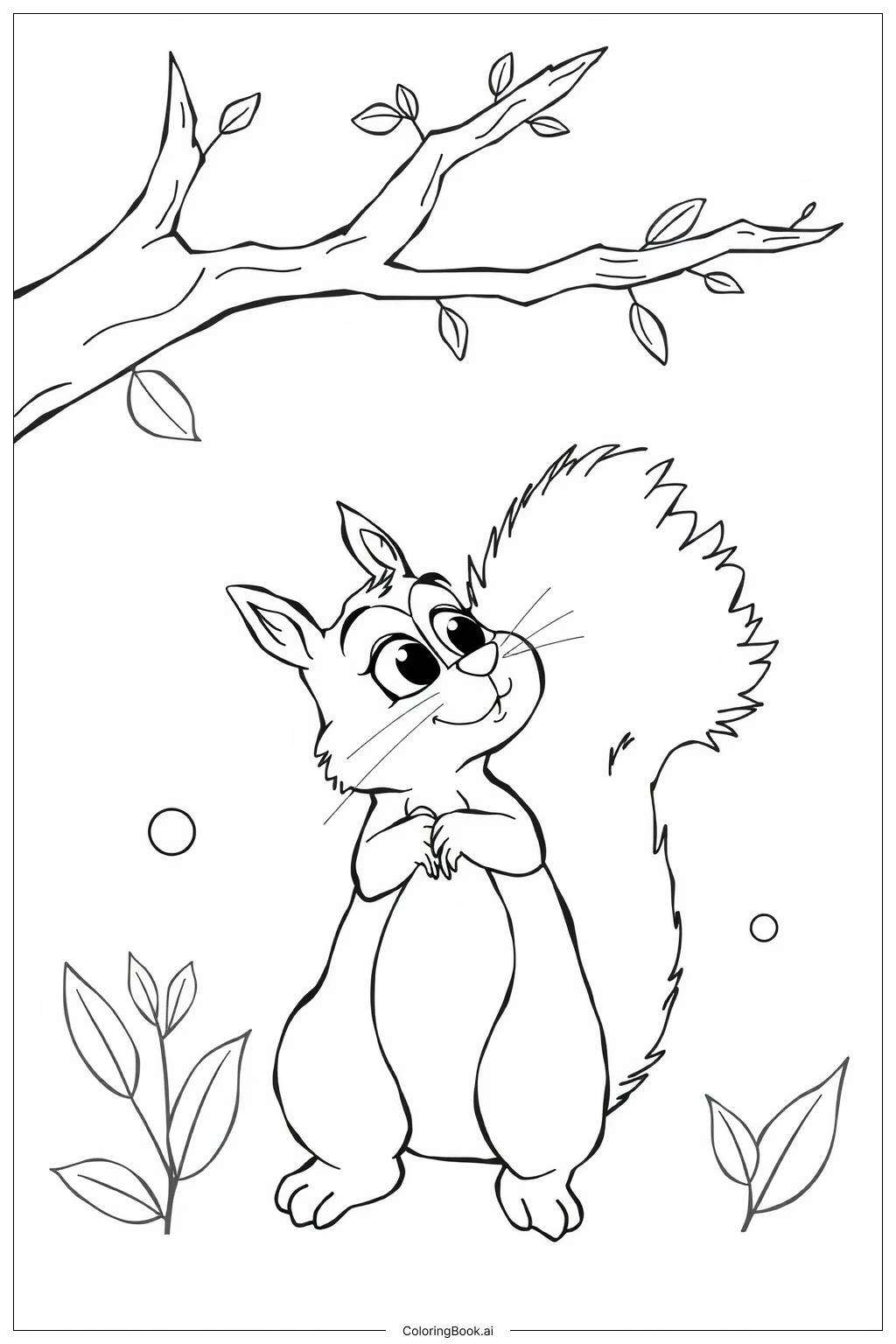
Coloring tips: How to color Squirrel Watching Birds from a Tree coloring page well?
Start with the squirrel's body using warm shades of orange, brown, or reddish-tan. Use a lighter cream or white for the belly area. The bushy tail can be a mix of brown and golden tones with soft, feathery strokes to show its fluffiness. For the birds, try bright and cheerful colors like red, blue, yellow, or green to make them stand out. The tree bark looks great in dark brown with streaks of gray. Use different shades of green for the leaves to give depth. Try light green for sunlit leaves and darker green for shadowed ones. Color the background sky a soft blue, and add pale yellow or white to suggest sunlight filtering through the trees. Take your time with small details like the squirrel's eyes and claws. Use a dark brown or black for those tiny features. Have fun mixing colors to make your scene feel alive and full of nature's beauty!
Coloring challenges: Which parts are difficult to color and need attention for Squirrel Watching Birds from a Tree coloring page?
• Squirrel Fur Texture: The squirrel's body has soft, layered fur that can be tricky to color realistically. To show depth, try using two or three shades of brown or orange, applying lighter tones in the center and darker tones along the edges. Short, light pencil strokes in the direction of the fur will help it look natural rather than flat.
• Bushy Tail Detail: The tail is large and fluffy with many fine lines radiating outward. Keeping the colors smooth while still showing individual hairs takes patience. Layering colors gently and leaving some white space between strokes can help create that soft, airy look that a squirrel tail is known for.
• Tree Bark Complexity: The bark of the tree has lots of rough, uneven lines and grooves. Filling these in neatly without smudging nearby areas requires a steady hand and a finely sharpened pencil or thin marker. Using contrasting shades of brown and gray adds realism to the texture.
• Multiple Birds with Small Details: There are several birds in the scene, each with small features like beaks, eyes, and feathers. Coloring each one carefully without blending their colors into each other or into the branches behind them is a real challenge, especially in tight spaces.
• Background Depth and Balance: Creating a sense of distance in the background, with leaves, sky, and foliage layered together, requires thoughtful color choices. Using lighter, cooler tones for distant elements and warmer, bolder colors for the foreground helps the main characters stand out clearly.
Benefits of coloring books: Advantages of drawing Squirrel Watching Birds from a Tree coloring page
Coloring this squirrel and birds scene offers a wonderful range of benefits for children and young artists. Focusing on the many small details, like the squirrel's fur, tiny bird feathers, and tree bark, helps build concentration and patience. These are skills that carry over into school and everyday life. Choosing colors for each animal encourages creative thinking and helps children explore how colors work together in nature. Staying within the lines and handling fine details also improves hand-eye coordination and fine motor skills, which are important for writing and other tasks. The peaceful woodland theme gives the activity a calming quality. Spending quiet time coloring can reduce stress and help kids feel relaxed and focused. Learning about squirrels and birds through art also sparks curiosity about the natural world, making it a gentle introduction to wildlife and habitats. Whether colored quickly for fun or carefully for detail, this page gives young artists a real sense of achievement when they see their finished work come to life.