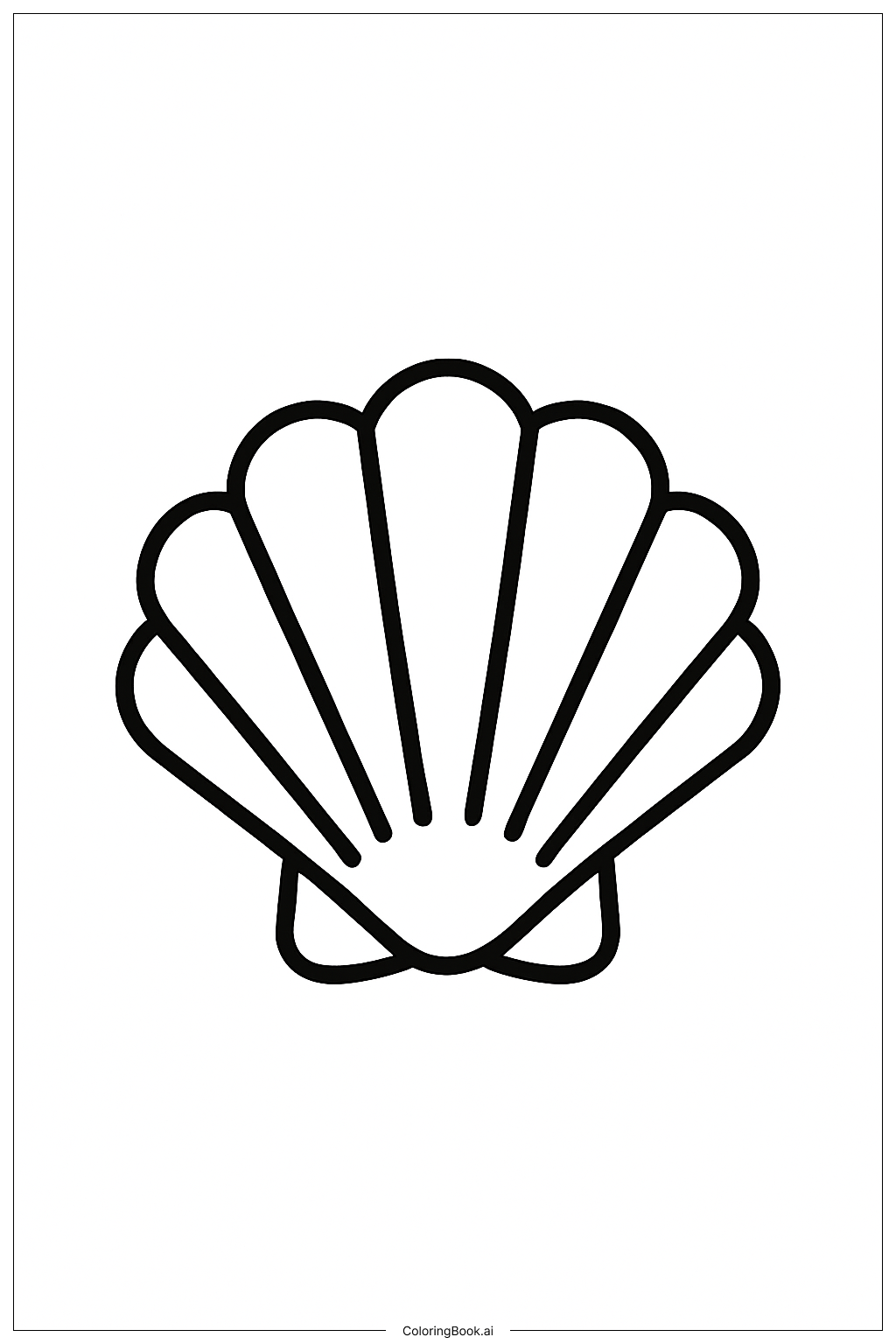
Coloring tips: How to color Spring Break Seashell coloring page well?
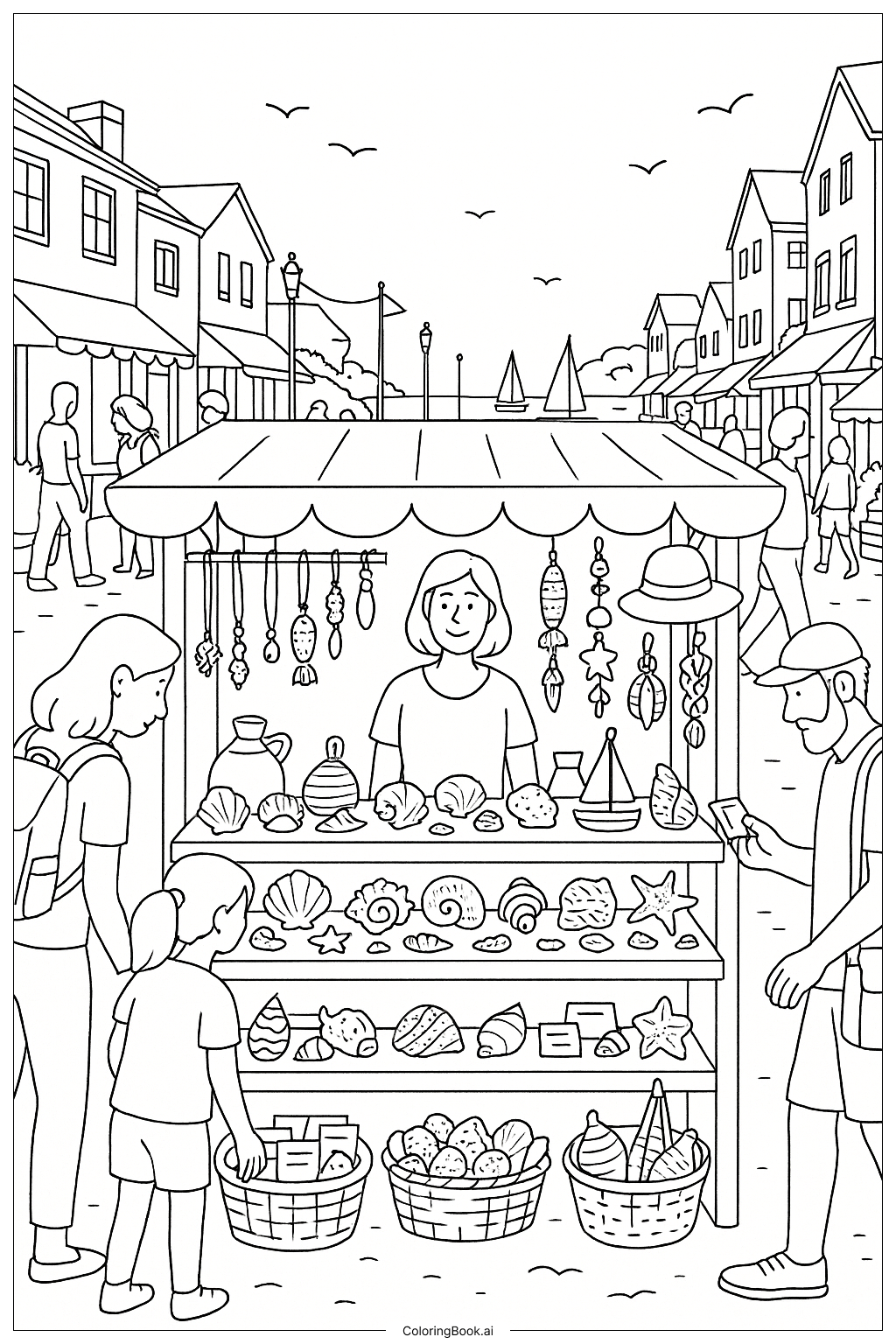
Use soft colors like light pink, peach, or beige to create a realistic look for the seashell. You can also try bright colors such as orange, purple, or blue to make it more playful and fun. Start coloring from the center and work your way out to keep neat lines. You could add shading by using a slightly darker color on one side of each section to show depth and make the seashell look 3D. Don’t be afraid to mix colors for a more natural effect. Add dots or small lines for texture. Surround the seashell with colors like sandy brown or ocean blue if you want to color the background.
Coloring challenges: Which parts are difficult to color and need attention for Spring Break Seashell coloring page?
1. Keeping the color inside the thin lines can be tricky for younger kids.
2. Shading each section evenly to give a 3D effect may require practice.
3. Choosing colors that look natural but still fun can be challenging.
4. Adding texture details like dots or small lines needs patience.
5. Coloring the tiny areas near the base of the shell might need careful attention to avoid smudging.
Benefits of coloring books: Advantages of drawing Spring Break Seashell coloring page
Coloring this seashell helps children improve fine motor skills by staying inside the borders. It encourages creativity by letting kids choose their own colors and design. It also teaches attention to detail and patience, especially when adding shading or texture. Coloring nature-related images like shells helps kids connect with the environment and learn about sea life. Lastly, it provides a relaxing and fun activity that can boost mood and focus.