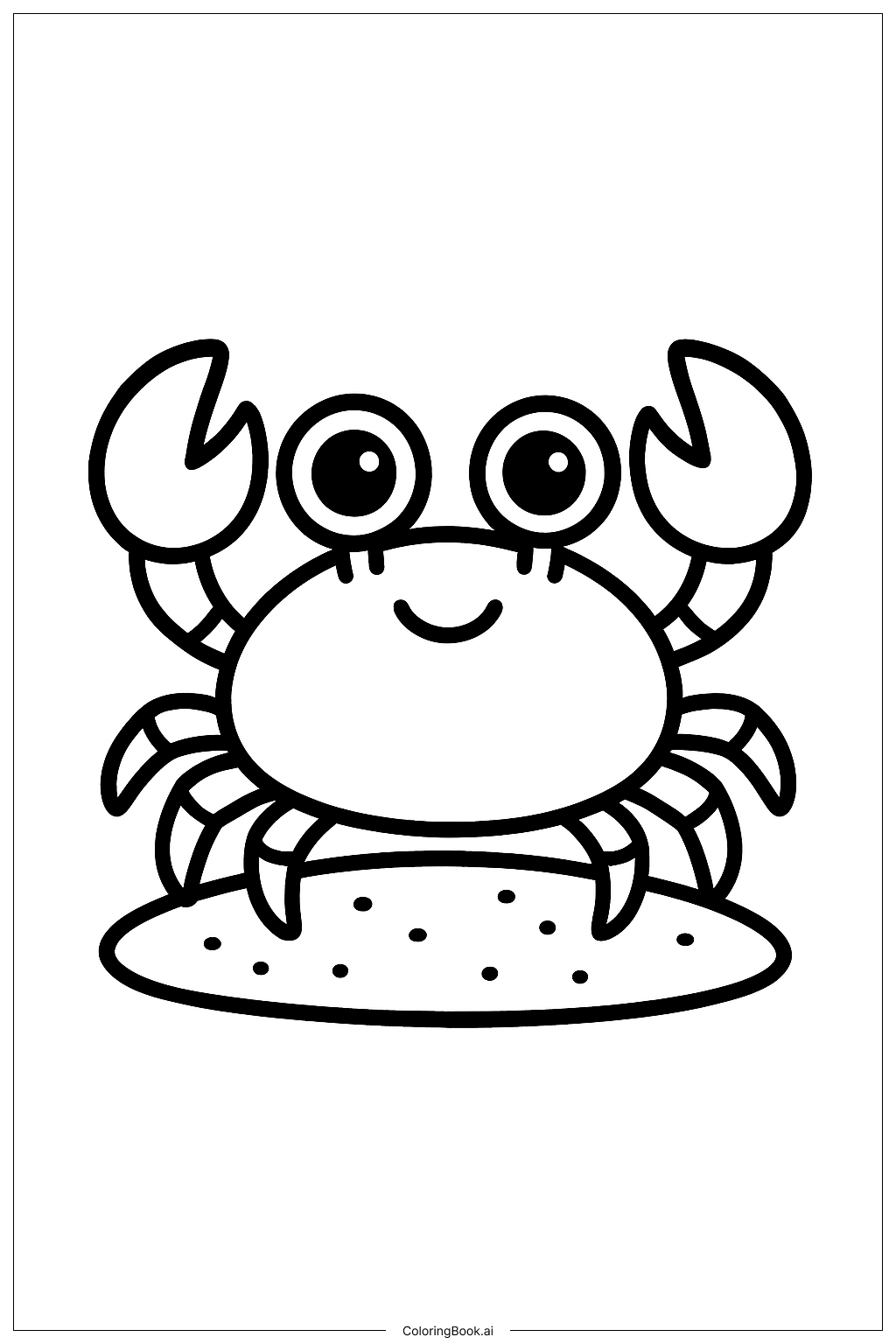
Coloring tips: How to color Spring Break Happy Crab coloring page well?
Try using bright oranges and reds for the crab to make it stand out as the main character. You can color the sand with soft yellows and light browns to give it a warm and sunny look. The seashells can be colored in pastel pinks, purples, and blues to add variety and interest. For the sky, a light blue gradient with some fluffy white clouds will make the scene fresh and cheerful. Feel free to add some yellow or light green highlights to the beach plants to bring more life to the picture. Remember, you can use any colors you like — creativity is key!
Coloring challenges: Which parts are difficult to color and need attention for Spring Break Happy Crab coloring page?
• Small Details: The crab’s claws and body have many small patterns that require careful coloring within tight spaces to keep neat lines and distinct shapes.
• Color Blending: Adding smooth gradients for the sky and sand may be tricky for younger children but helps create a more realistic and vibrant scene.
• Pattern Consistency: Maintaining consistent colors across repeated shapes like seashells can be challenging but adds to the overall harmony of the picture.
• Wave Shapes: The rolling waves in the background need blending of different blue shades to give a natural water effect, which might be difficult for beginners.
• Balance of Colors: Choosing colors that balance bright crab tones with softer background hues requires attention to prevent the image from looking too busy or dull.
Benefits of coloring books: Advantages of drawing Spring Break Happy Crab coloring page
Coloring this happy crab scene helps develop fine motor skills through careful filling of detailed areas. It encourages creativity as children choose colors and experiment blending techniques. The picture promotes focus and patience because of the multiple small patterns and shapes involved. Additionally, coloring a cheerful Spring Break theme can enhance mood and inspire positive feelings about nature and outdoor fun. This activity also aids in color recognition and learning about different beach elements, making it an enjoyable and educational experience for children aged 4 to 16.