Coloring tips: How to color Solar Eclipse with Colorful Sky coloring page well?
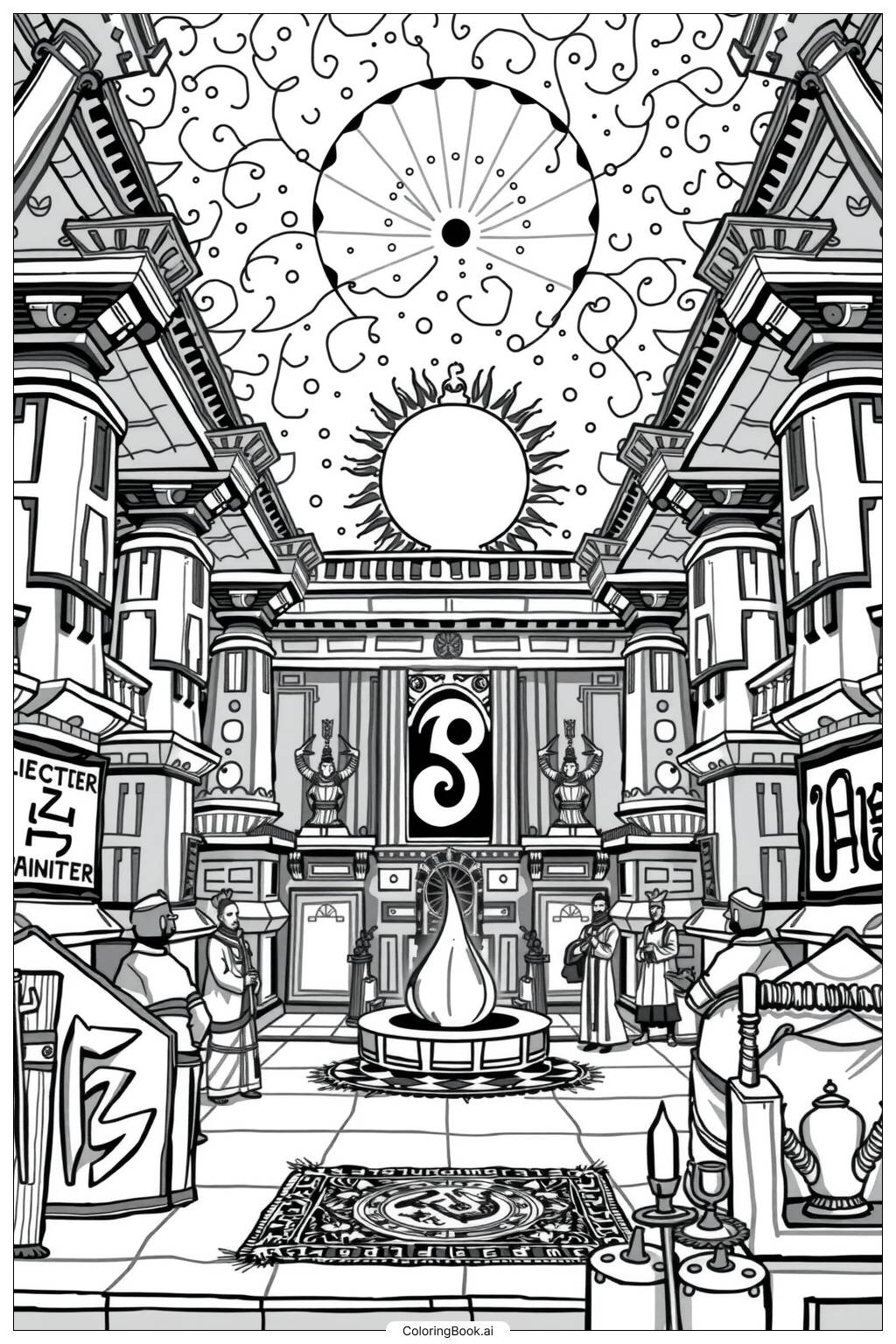
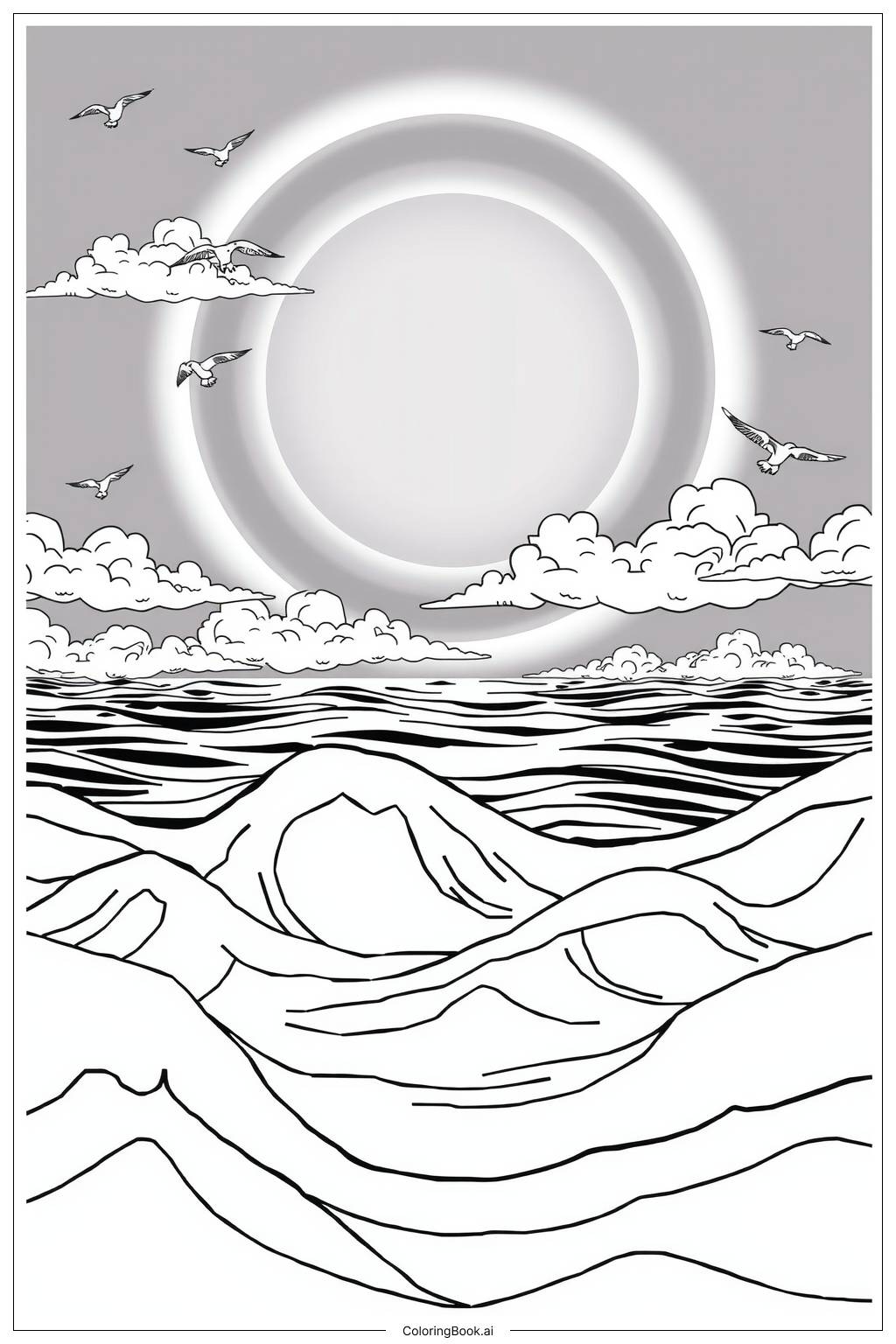
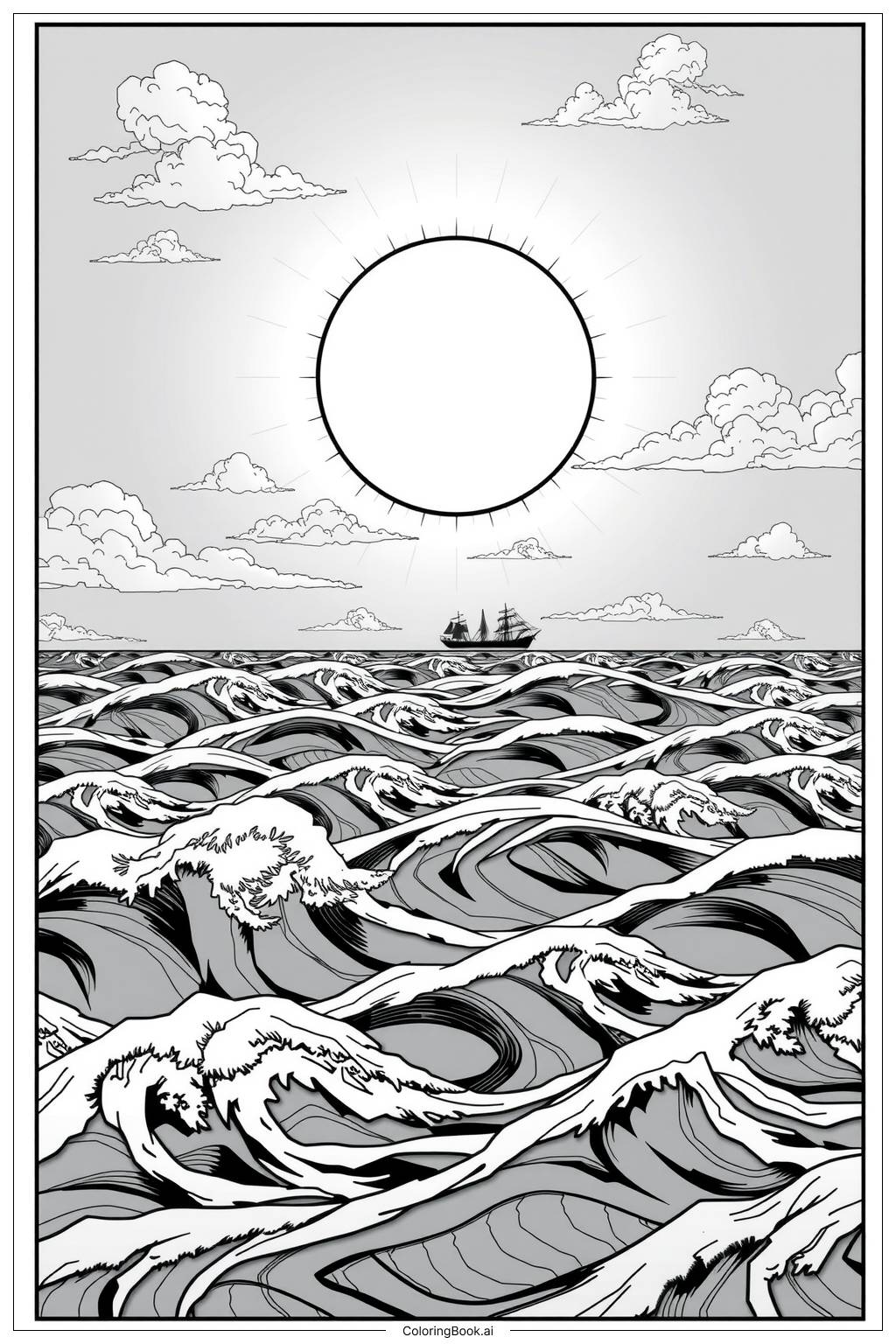
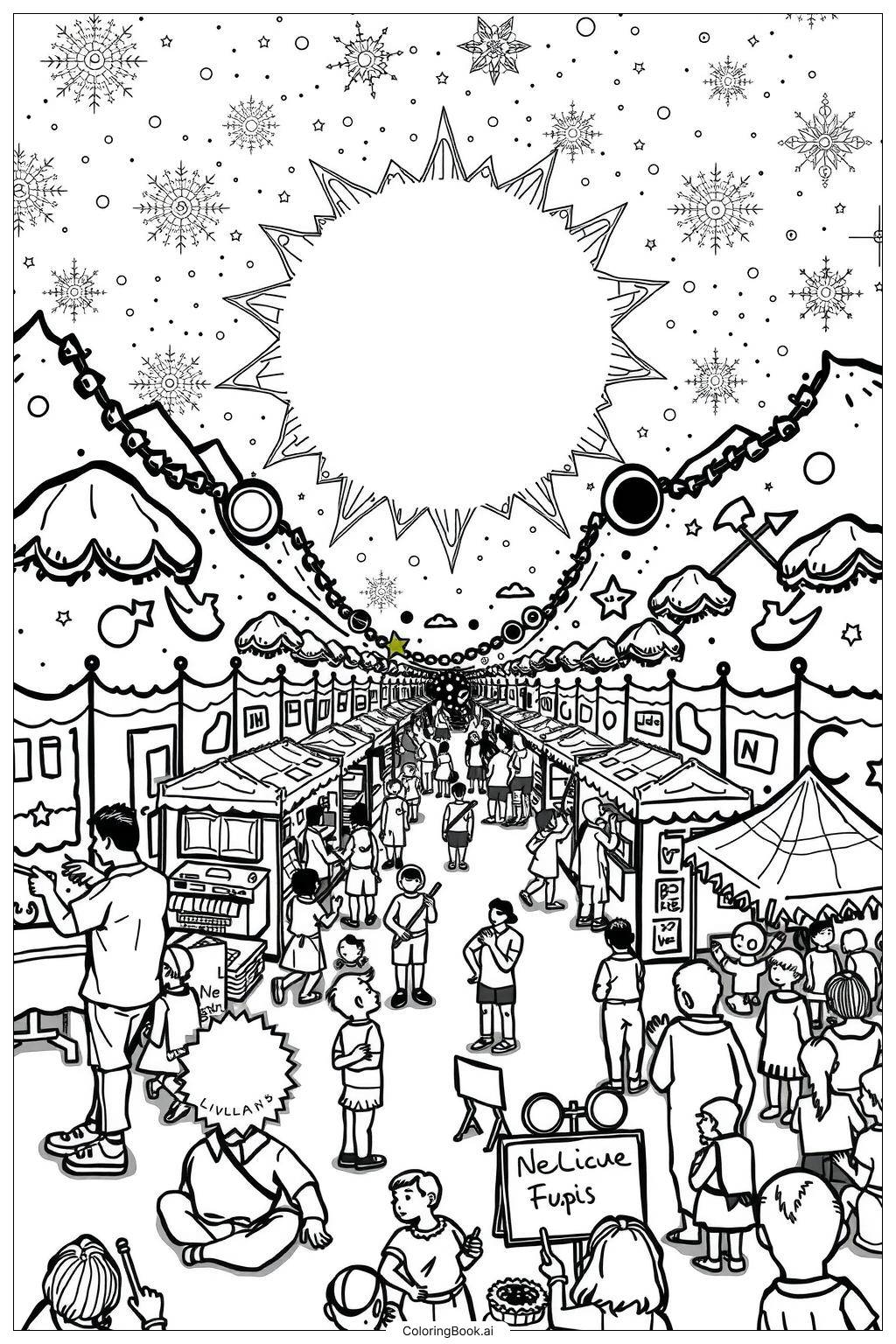
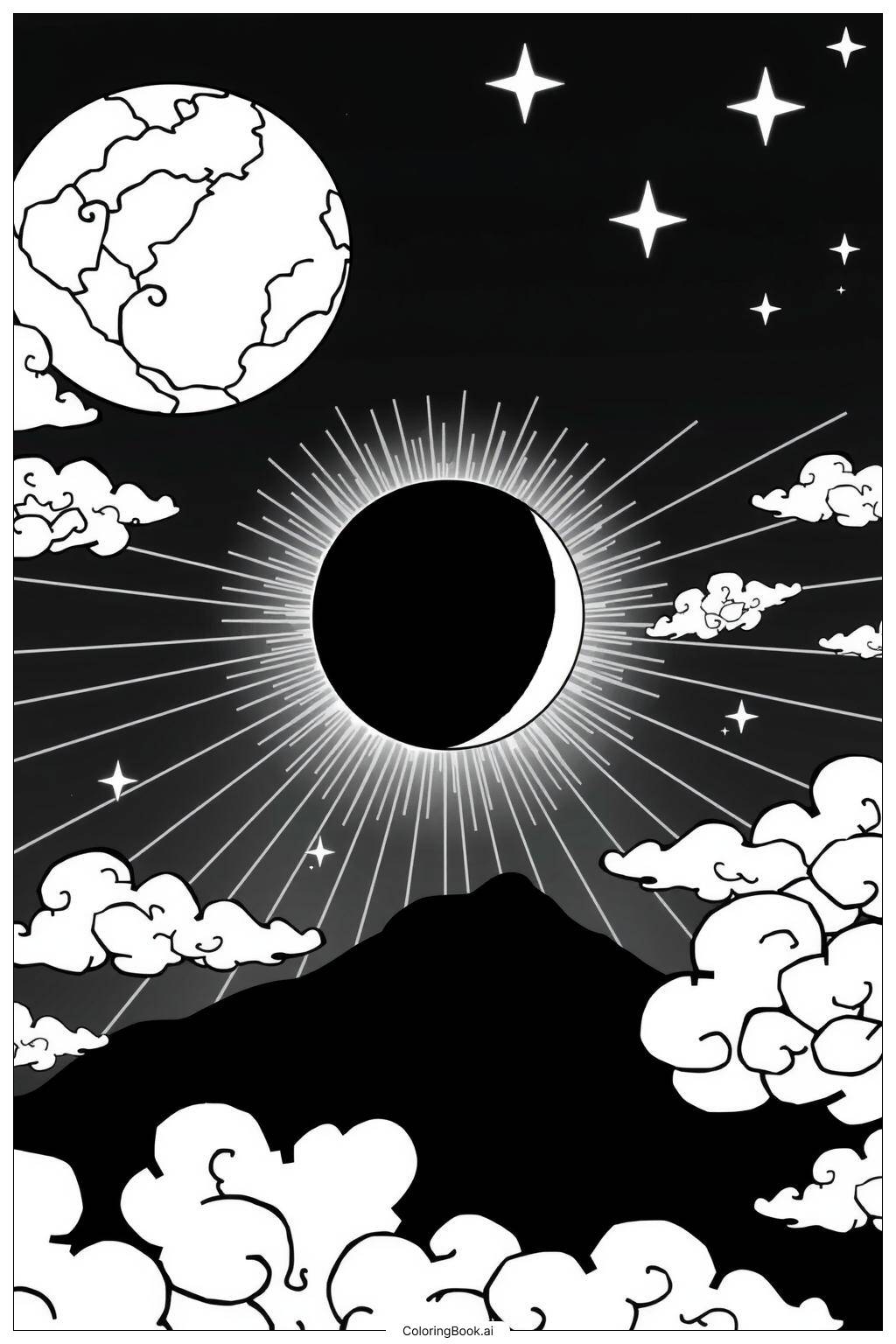
Start with the eclipse itself. Use a deep, rich black or dark gray for the moon's silhouette at the center. For the glowing ring around it, try bright yellow, warm gold, or a fiery orange to mimic the sun's corona. As you move outward into the sky, blend from deep indigo or navy near the eclipse into vibrant purples, magentas, and teals. Layer soft pinks and warm oranges along the horizon to suggest the unusual twilight colors seen during a real eclipse. Use white or pale yellow for the radiating sun rays. For the clouds and swirling background details, try soft lavender or light blue to contrast with the bold sky tones. Stars can be dotted in silver, gold, or bright white. Feel free to experiment — this scene has no single right palette, so let your imagination guide the colors!
Coloring challenges: Which parts are difficult to color and need attention for Solar Eclipse with Colorful Sky coloring page?
Coloring this image comes with several creative challenges worth keeping in mind before you begin:
• The Corona Ring: The glowing ring around the moon is one of the most important parts of the image. Keeping the colors bright and luminous right at the edge, while gradually fading outward, requires careful blending. Rushing this area can make the glow look flat instead of radiant.
• Sky Color Transitions: The background sky has multiple layered zones that shift from dark to light. Creating smooth gradients between deep blues, purples, and warm sunset tones is tricky. Uneven strokes or abrupt color changes can break the flow of the sky and make it look patchy.
• Radiating Sun Rays: The long lines extending from the eclipse need consistent pressure and angle to look balanced. If the rays vary too much in thickness or color intensity, the design can feel uneven. Take your time filling each ray individually.
• Small Background Details: Stars, swirling lines, and cloud edges scattered across the sky are small and close together. Coloring inside these tiny shapes without going over the lines takes patience and a fine-tipped tool. Younger artists may find this section especially challenging.
• Balancing Light and Dark: This scene depends on strong contrast between the dark moon, the bright corona, and the colorful sky. If too many areas are colored with similar tones, the eclipse can get lost in the background. Planning your light and dark areas before starting will help the final result look bold and dramatic.
Benefits of coloring books: Advantages of drawing Solar Eclipse with Colorful Sky coloring page
Coloring this solar eclipse scene offers a wonderful range of benefits for kids and adults alike. Working through the rich sky gradients and glowing corona helps develop color blending skills and teaches how colors interact with each other. Children learn about warm and cool tones, light and shadow, and how to create a sense of depth on a flat page.
The intricate details — stars, rays, swirling clouds — build fine motor skills and improve hand-eye coordination. Staying focused on small sections of the image also strengthens attention span and patience, qualities that carry over into school and everyday life.
Beyond the technical skills, this image sparks natural curiosity about science and astronomy. Kids may start asking questions about solar eclipses, the moon's orbit, and the sun's corona — turning a simple coloring activity into a springboard for learning.
Most importantly, coloring is deeply calming. The repetitive, focused motion of filling in color reduces stress and anxiety for both children and adults. It encourages a state of mindful flow where worries fade and creativity takes over. Completing a complex, beautiful image like this also builds confidence and a genuine sense of accomplishment. It is a rewarding activity that nourishes both the mind and the imagination.