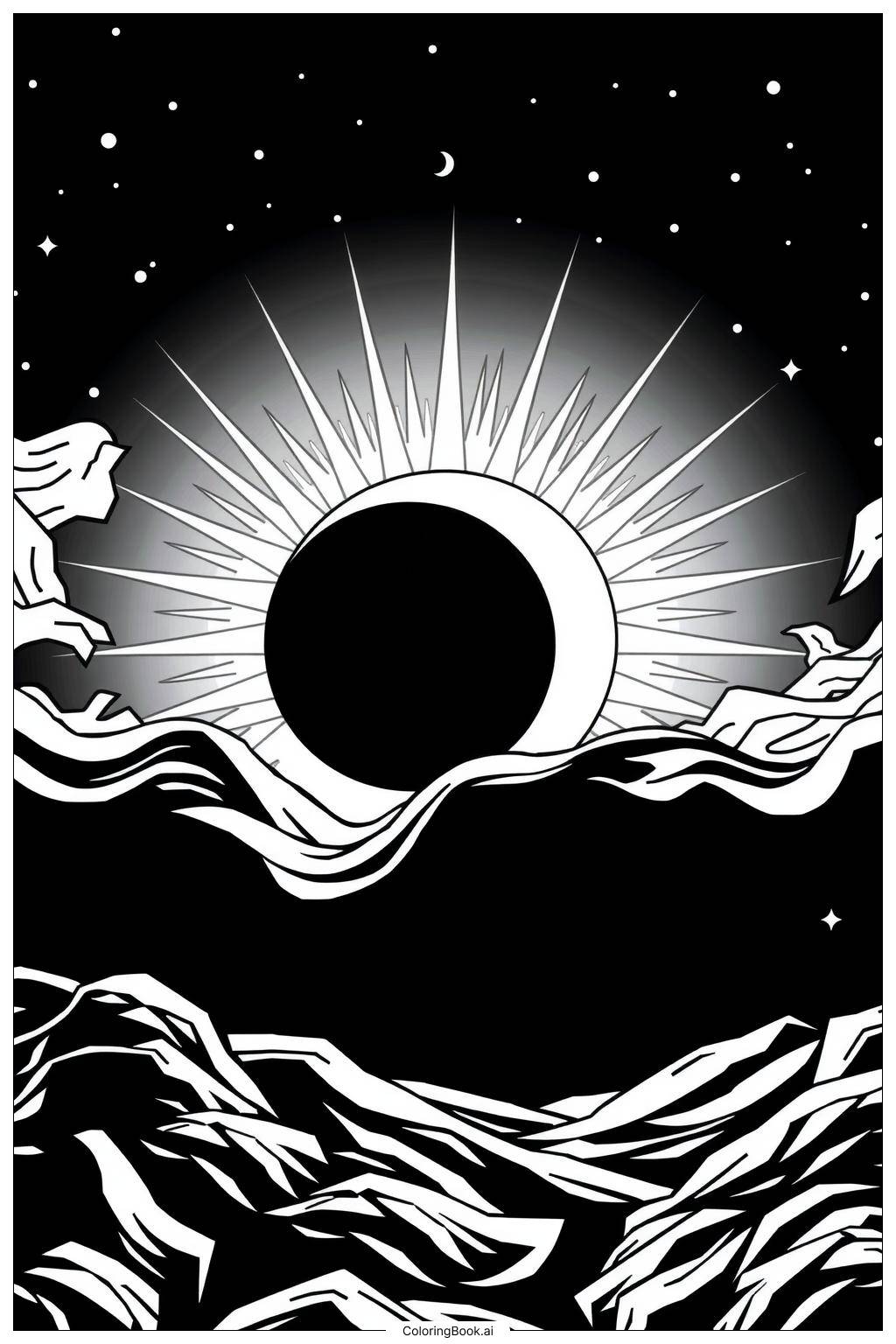
Coloring tips: How to color Solar Eclipse Phases in a Sequence-2 coloring page well?
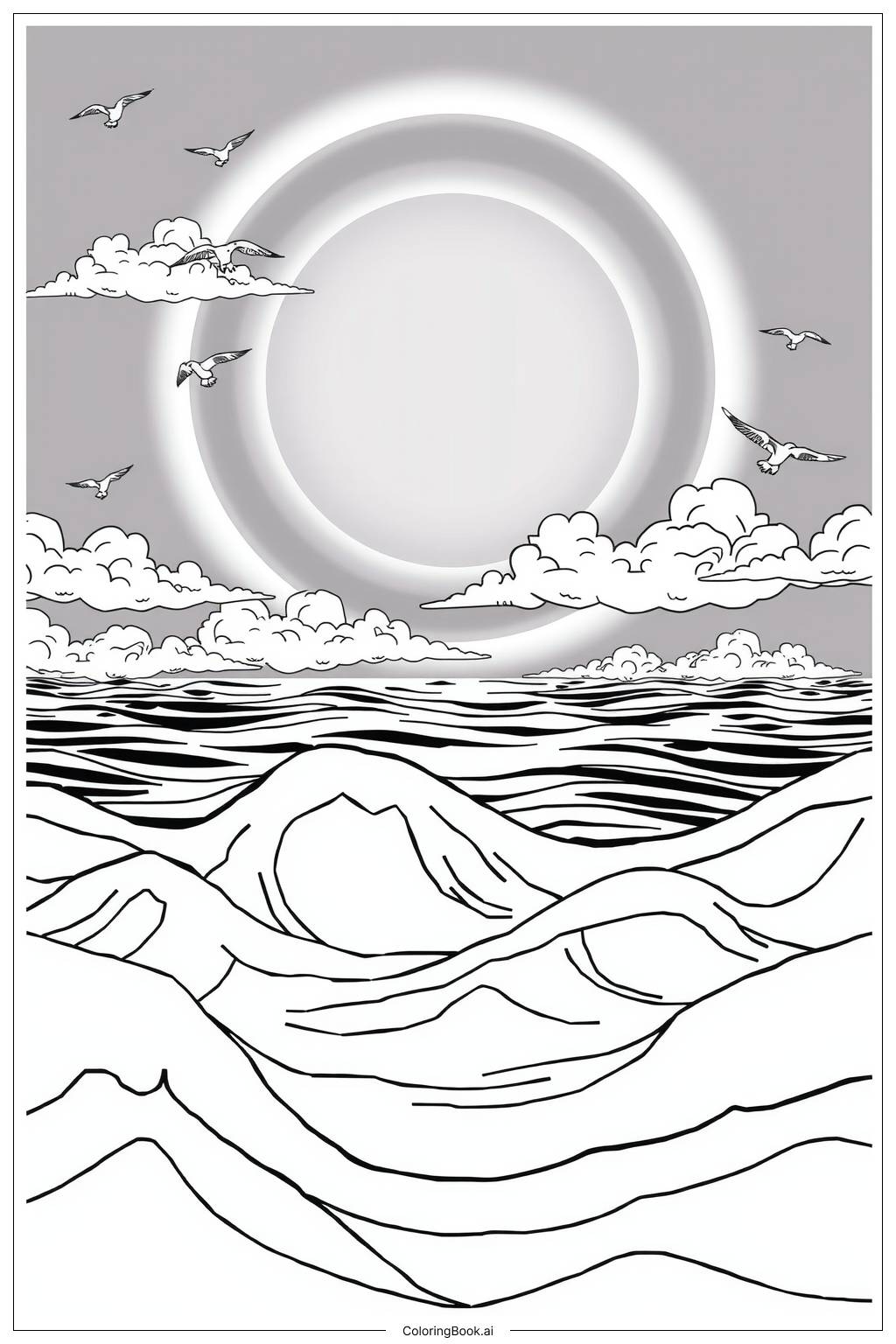
Use bright yellows and oranges to color the Sun in its full light phases. For the Moon, try soft grays or light blue shades to show its position as it covers the Sun. To highlight the corona—the glowing ring around the Moon—use white and pale yellows for a shining effect. You can also blend colors gently to show the gradual change from full sun to total eclipse. Feel free to add dark blues or purples in the background to make the eclipse stand out clearly. This will create a beautiful and realistic look while showcasing all the stages of the solar eclipse.
Coloring challenges: Which parts are difficult to color and need attention for Solar Eclipse Phases in a Sequence-2 coloring page?
• Gradual Shading: Achieving a smooth transition between the fully lit Sun and the shadowed Moon requires careful blending to make the eclipse phases believable.
• Fine Details of the Corona: The bright ring around the covered Moon is thin and intricate, which makes it challenging to color neatly without smudging.
• Circle Shapes: Keeping the round shapes of the Sun and Moon even and consistent is important but can be difficult when coloring inside curved lines.
• Light vs. Dark Contrast: Balancing the bright Sun areas and the dark Moon silhouette requires attention to avoid colors bleeding into one another.
• Small Phase Differences: Each stage is slightly different from the next, so recognizing and coloring these subtle changes demands patience and careful observation.
Benefits of coloring books: Advantages of drawing Solar Eclipse Phases in a Sequence-2 coloring page
Coloring this solar eclipse sequence helps children understand how the Moon moves in front of the Sun during an eclipse. It encourages focus and attention to detail while practicing smooth shading and color blending. This page also promotes curiosity about space and astronomy in a fun, artistic way. Younger learners develop fine motor skills by coloring small ring details, while older children can explore moods by using darker or lighter colors. Overall, this activity combines education and creativity, making science accessible and enjoyable.