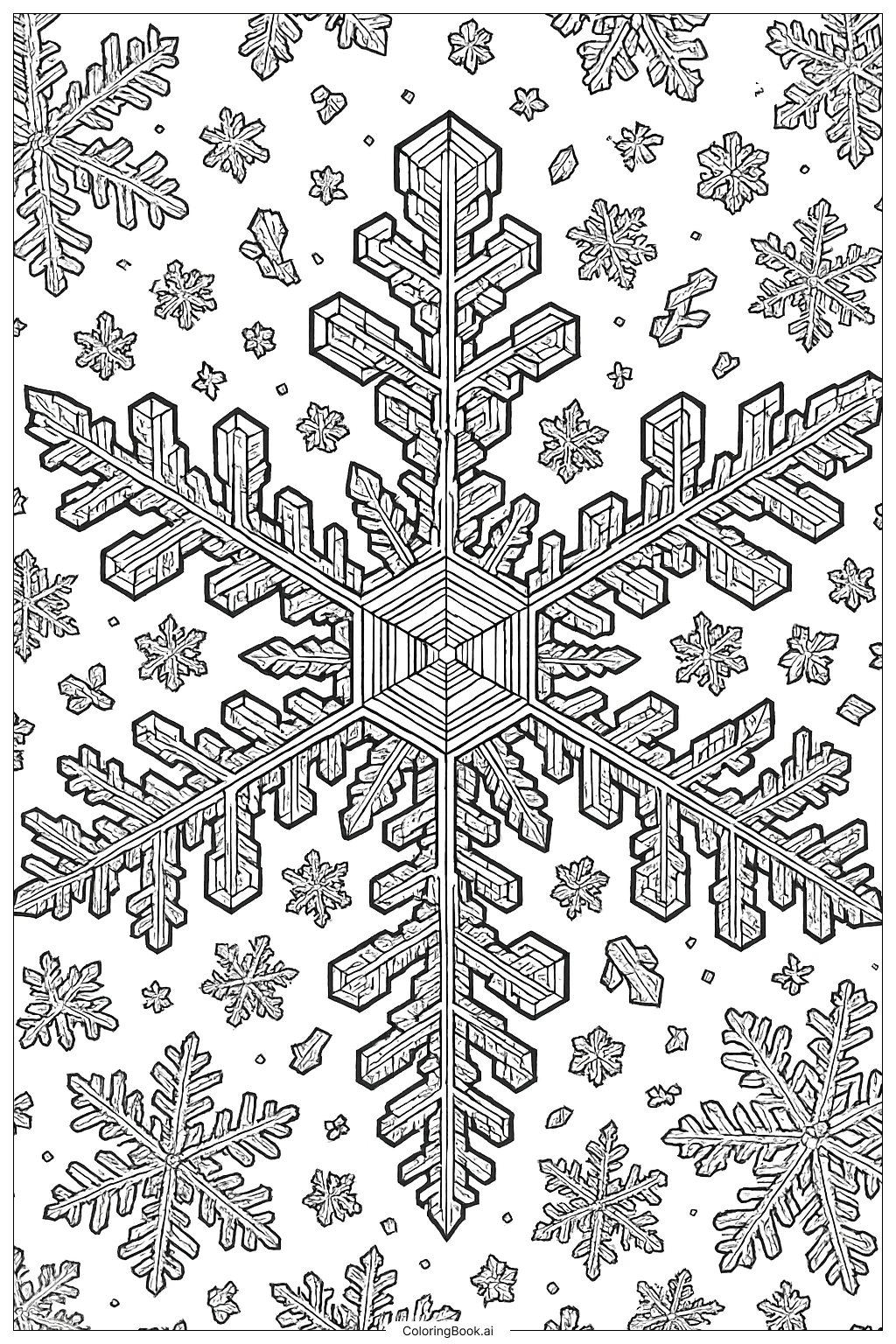
Coloring tips: How to color Microscopic View Of A Snowflake coloring page well?
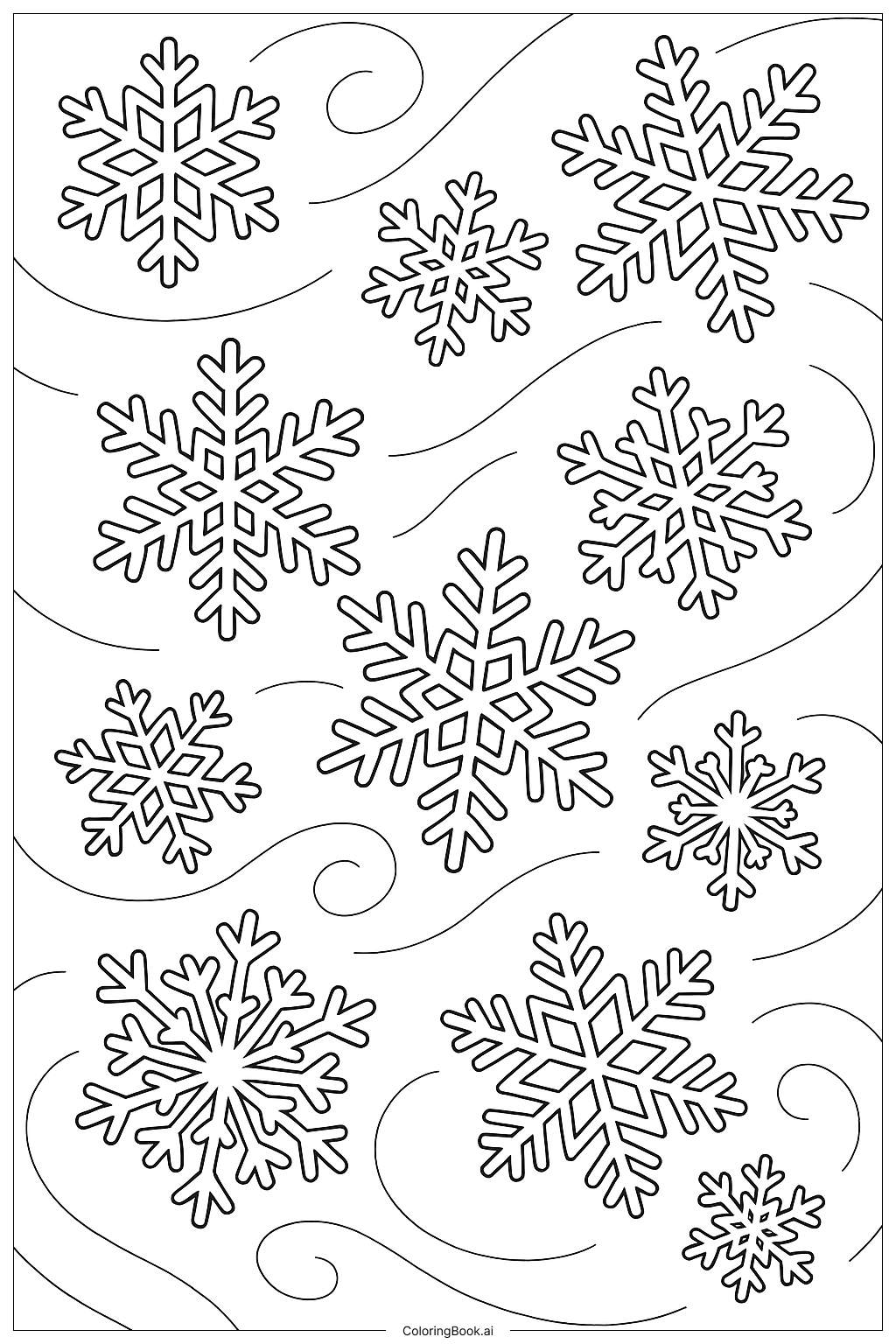
Use light blue and white colors to give a cold, icy feel to the snowflake. You can add silver or light gray to show shiny parts. Try using different shades of blue to color each arm to make it interesting. For the background, use soft pale colors like light gray or pale blue to make the snowflakes stand out. You can also add sparkle effects with glitter pens if you like. Remember to color gently and follow the shapes carefully to keep the details clear.
Coloring challenges: Which parts are difficult to color and need attention for Microscopic View Of A Snowflake coloring page?
1. The snowflake has many small details and thin lines which can be hard to color inside without going out of the lines.
2. The symmetry means you might want to color each side in the same way to keep balance, which needs concentration.
3. The small snowflakes around the big one are tiny and need careful coloring.
4. Using too dark colors may hide the fine details, so choosing the right color shades is important.
5. It can be challenging to keep the colors smooth and even in small areas without making it messy.
Benefits of coloring books: Advantages of drawing Microscopic View Of A Snowflake coloring page
Coloring this picture helps improve focus and patience because of the many fine details. It encourages creativity as children decide which colors to use and how to blend shades. It also enhances hand-eye coordination through careful coloring within small spaces. Learning about the unique shapes of snowflakes makes it educational. Finally, coloring can be relaxing and fun, helping to reduce stress and build confidence in young artists.