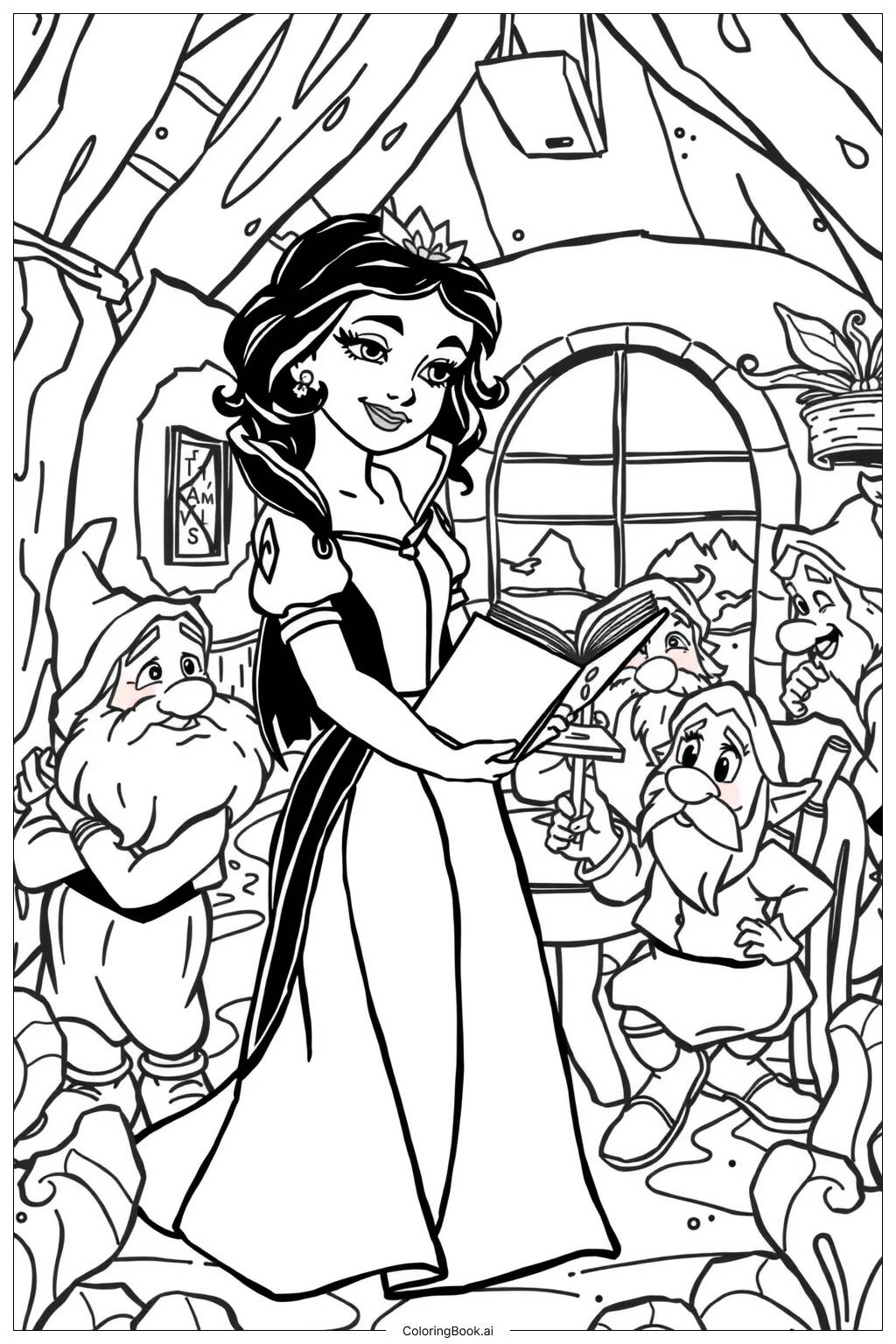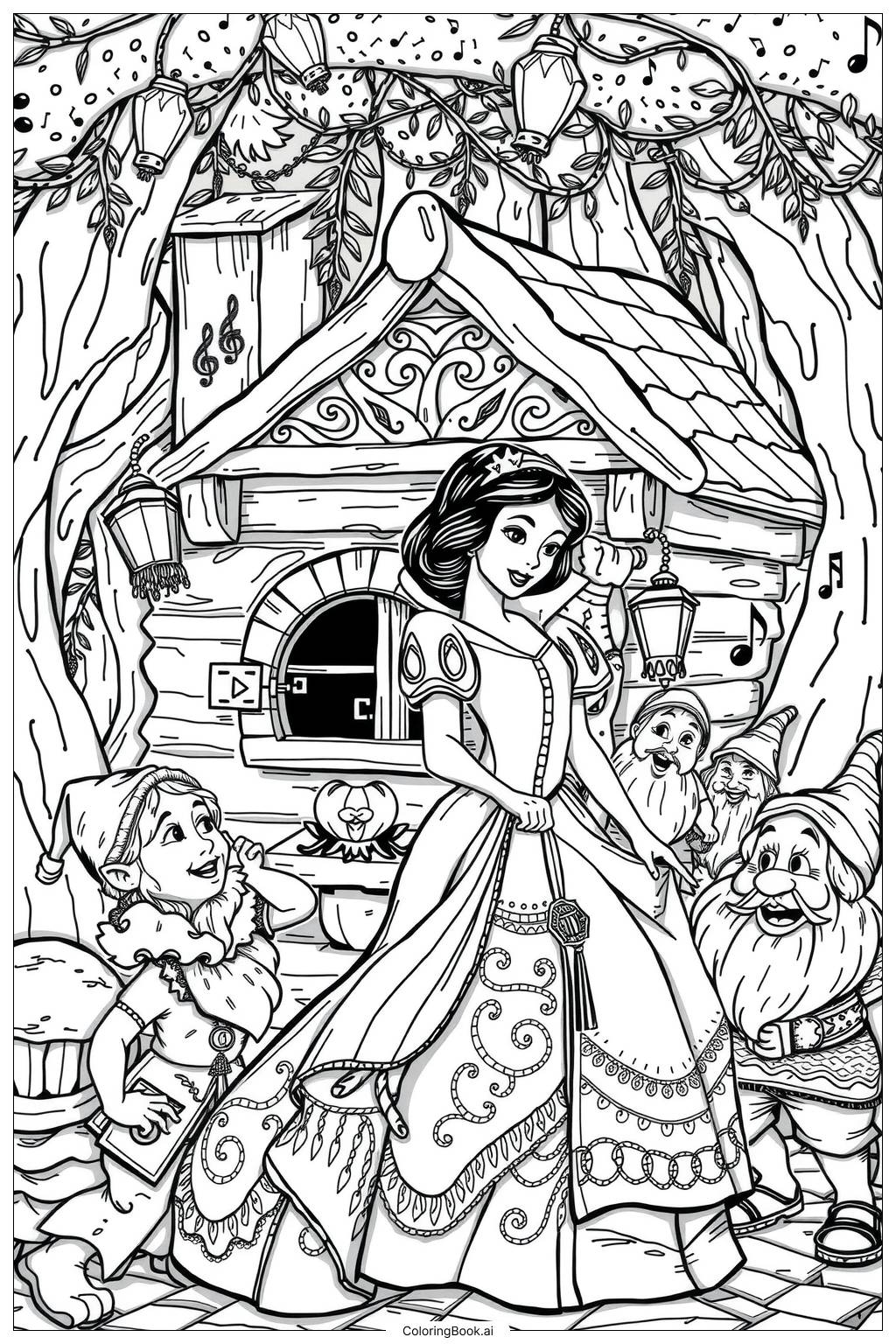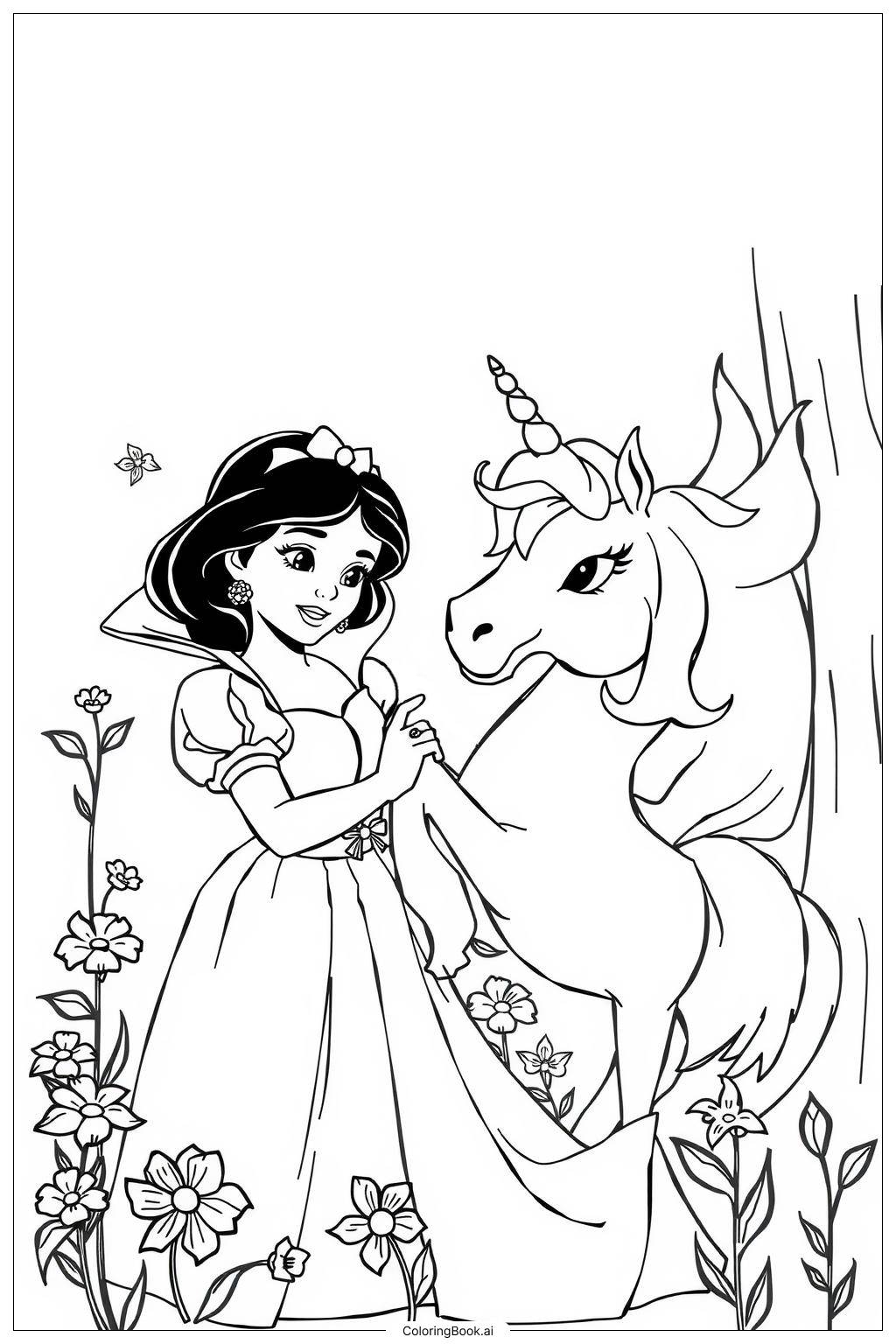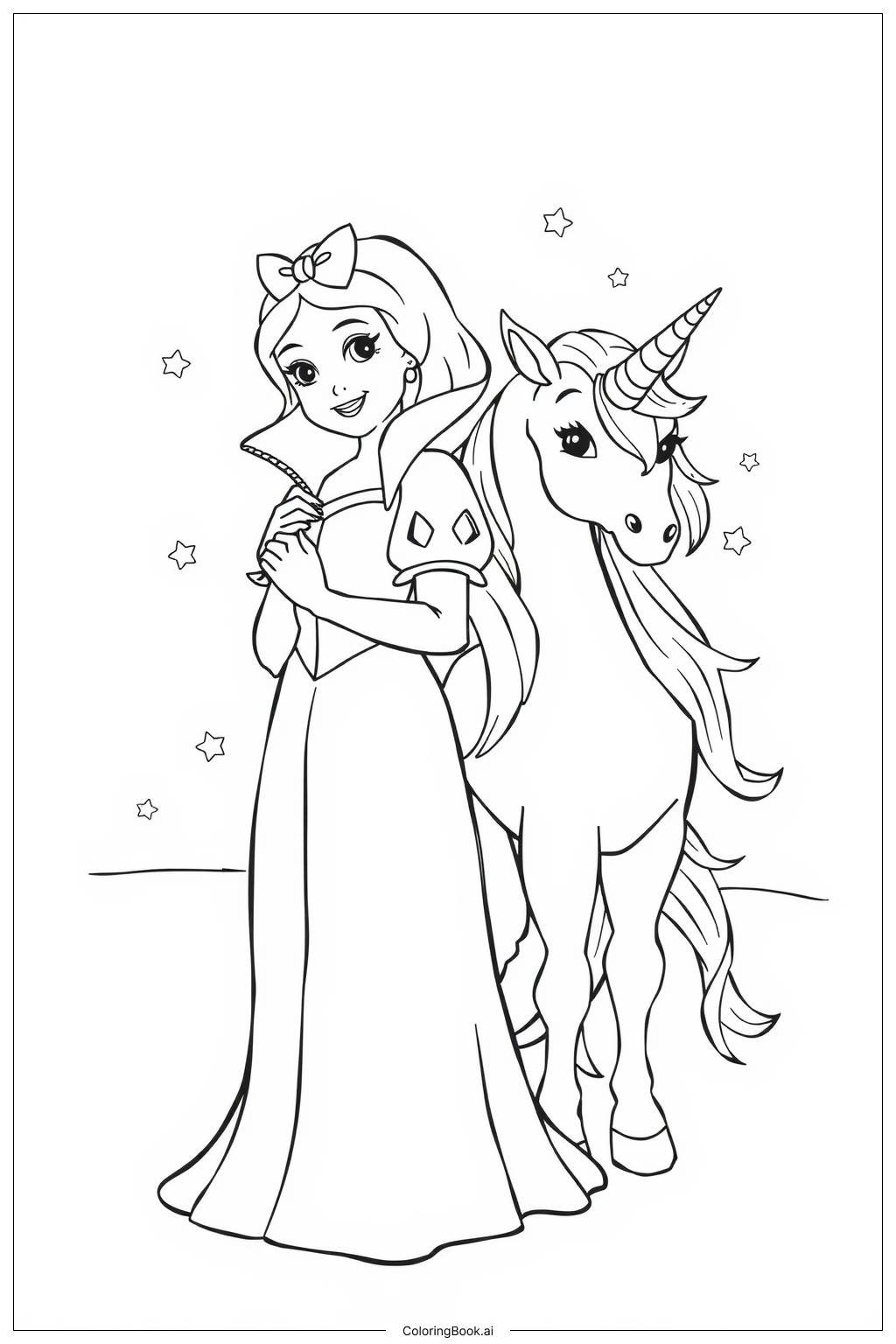
Coloring tips: How to color Snow White Singing to Forest Animals coloring page well?
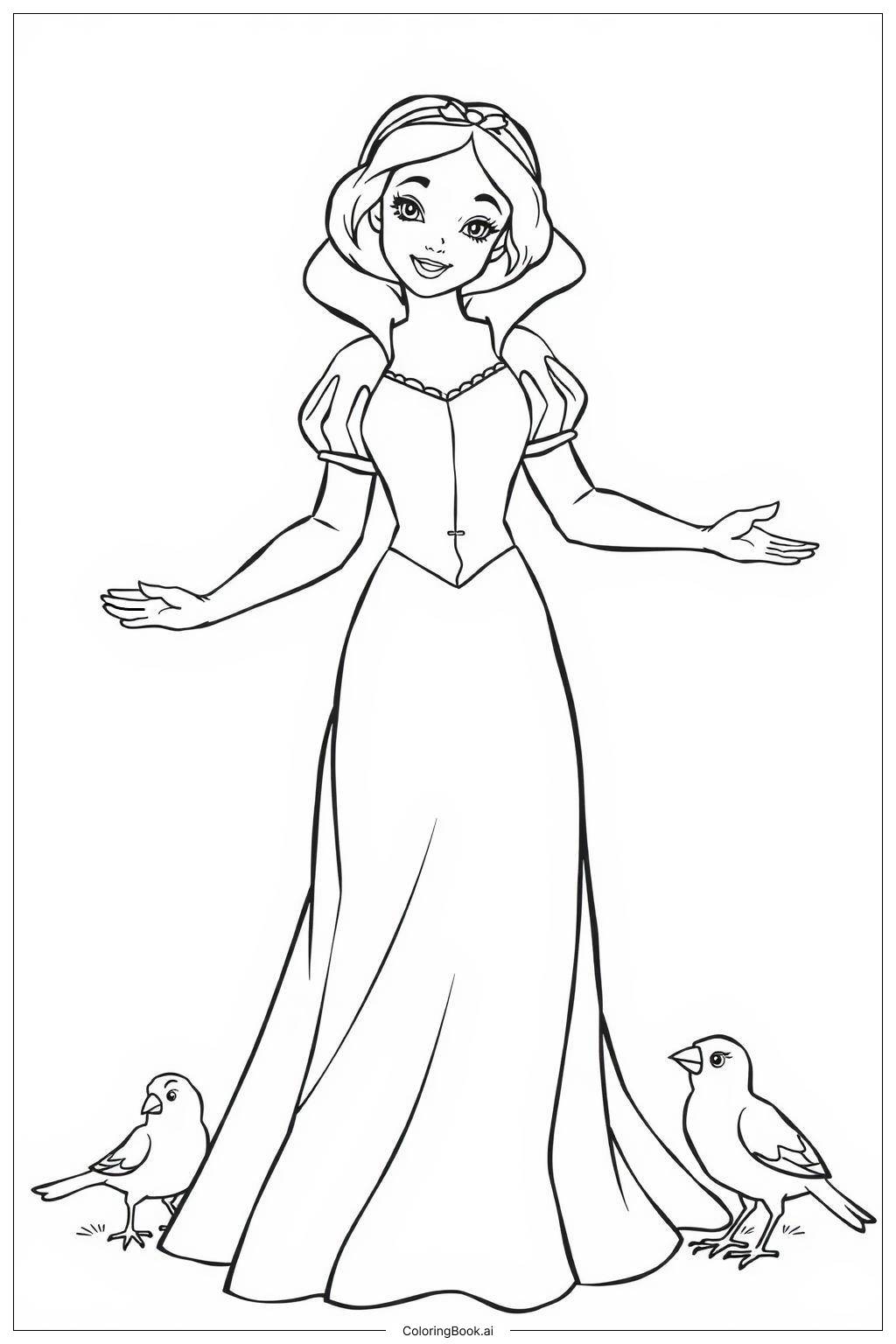
Start with Snow White's skin using a soft peach tone, then fill in her hair with deep black. Her iconic dress looks best with a bright golden-yellow skirt, a sky-blue bodice, and a white collar. Use red for her headband and lips. For the forest animals, use natural shades — warm brown for the deer and squirrels, soft gray for the rabbits, and bright colors for the birds. The forest background works well with multiple shades of green for leaves and grass. Add pops of color with pink and yellow wildflowers. Use light brown and tan for tree bark. Layering different shades of the same color adds depth and makes the scene feel more alive. Young colorists can keep things simple with flat colors, while older kids and Adults can try shading and blending for a more polished, storybook look.
Coloring challenges: Which parts are difficult to color and need attention for Snow White Singing to Forest Animals coloring page?
• Snow White's Dress Details: Snow White's dress has several distinct sections — the yellow skirt, blue bodice, white collar, and red accents. Keeping each section clean and neatly separated requires a steady hand and careful attention to boundaries. Using fine-tipped colored pencils or markers helps avoid color bleeding between zones.
• Animal Fur and Feather Textures: The forest animals each have unique textures — soft fur on the deer and rabbits, delicate feathers on the birds. Capturing these textures realistically means using short, directional strokes and layering light and dark shades of the same color. This is one of the more time-consuming parts of the page.
• Forest Background Depth: The trees, bushes, and ground cover in the background require multiple shades of green to avoid looking flat. Distinguishing foreground plants from background trees demands thoughtful color choices and gradual tonal shifts, which can be challenging for younger colorists.
• Facial Expression Details: Snow White's face is small but expressive. Coloring her eyes, lips, and cheeks accurately without smudging or going outside the lines takes patience and a light touch. Younger children may find this the trickiest part of the entire image.
• Consistent Lighting: To make the scene feel cohesive and magical, colorists should think about where the light is coming from and apply consistent highlights and shadows across Snow White, the animals, and the background. Maintaining this consistency throughout the whole page is a rewarding but demanding challenge.
Benefits of coloring books: Advantages of drawing Snow White Singing to Forest Animals coloring page
Coloring this Snow White Singing to Forest Animals page offers a wide range of benefits for children and Adults alike. For younger kids, carefully staying within the lines helps build fine motor skills and hand-eye coordination. Choosing colors and planning the scene encourages creative thinking and decision-making from an early age.
The fairy-tale setting sparks imagination and storytelling. Children may find themselves thinking about the story of Snow White as they color, which supports language development and a love of reading.
For older kids and Adults, the detailed textures of animal fur, feathers, and forest foliage provide a satisfying and meditative coloring experience. Focusing on the page helps reduce stress and quiet a busy mind — much like other mindfulness activities.
Completing a detailed page like this also builds patience and a sense of accomplishment. Finishing something beautiful encourages pride in one's work and boosts self-confidence.
Coloring together as a family or in a classroom also supports social bonding. Sharing colored pencils, discussing color choices, and admiring each other's work creates warm, positive interactions. Overall, this page is a joyful, enriching activity for Girls, Boys, and Adults of all skill levels.