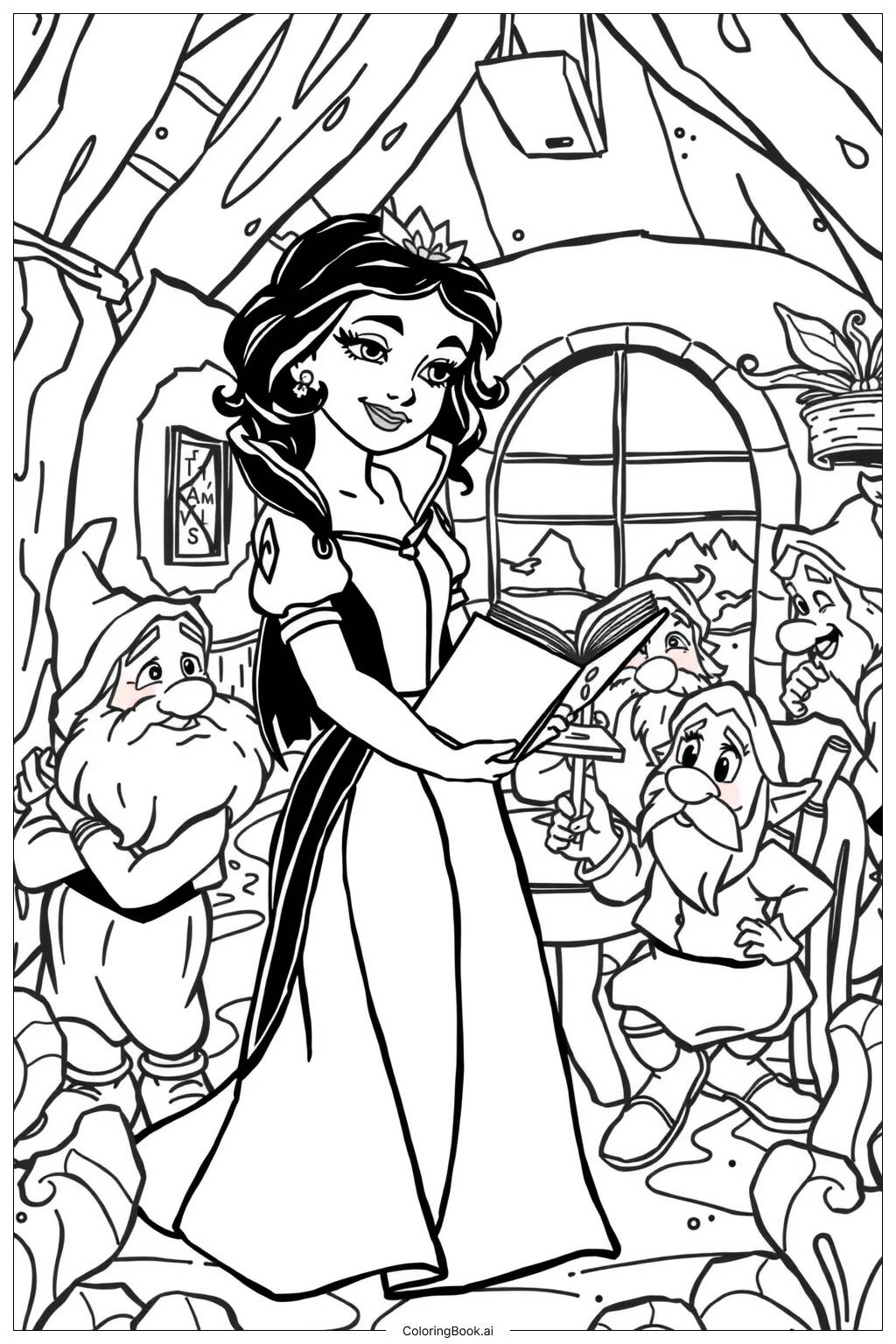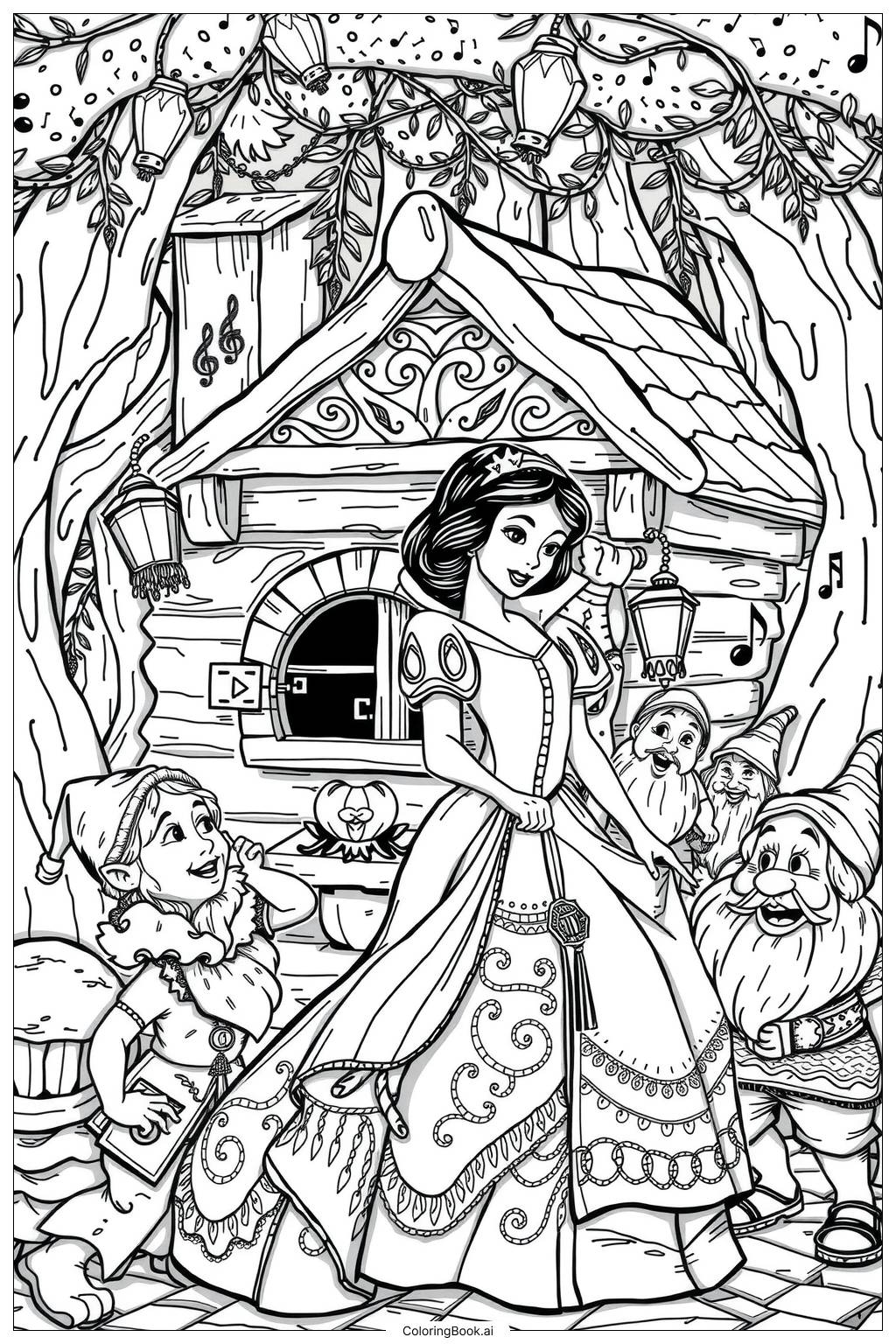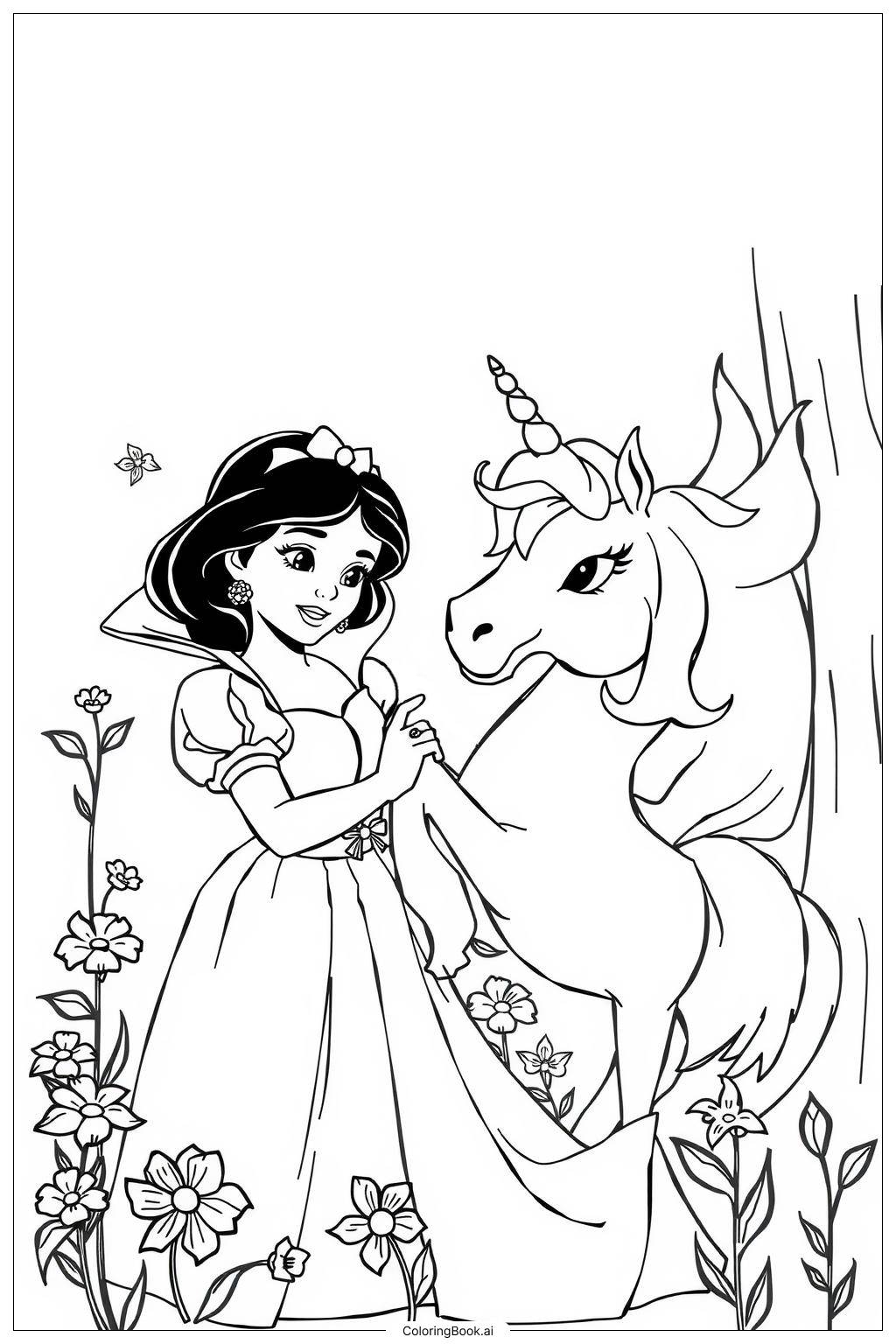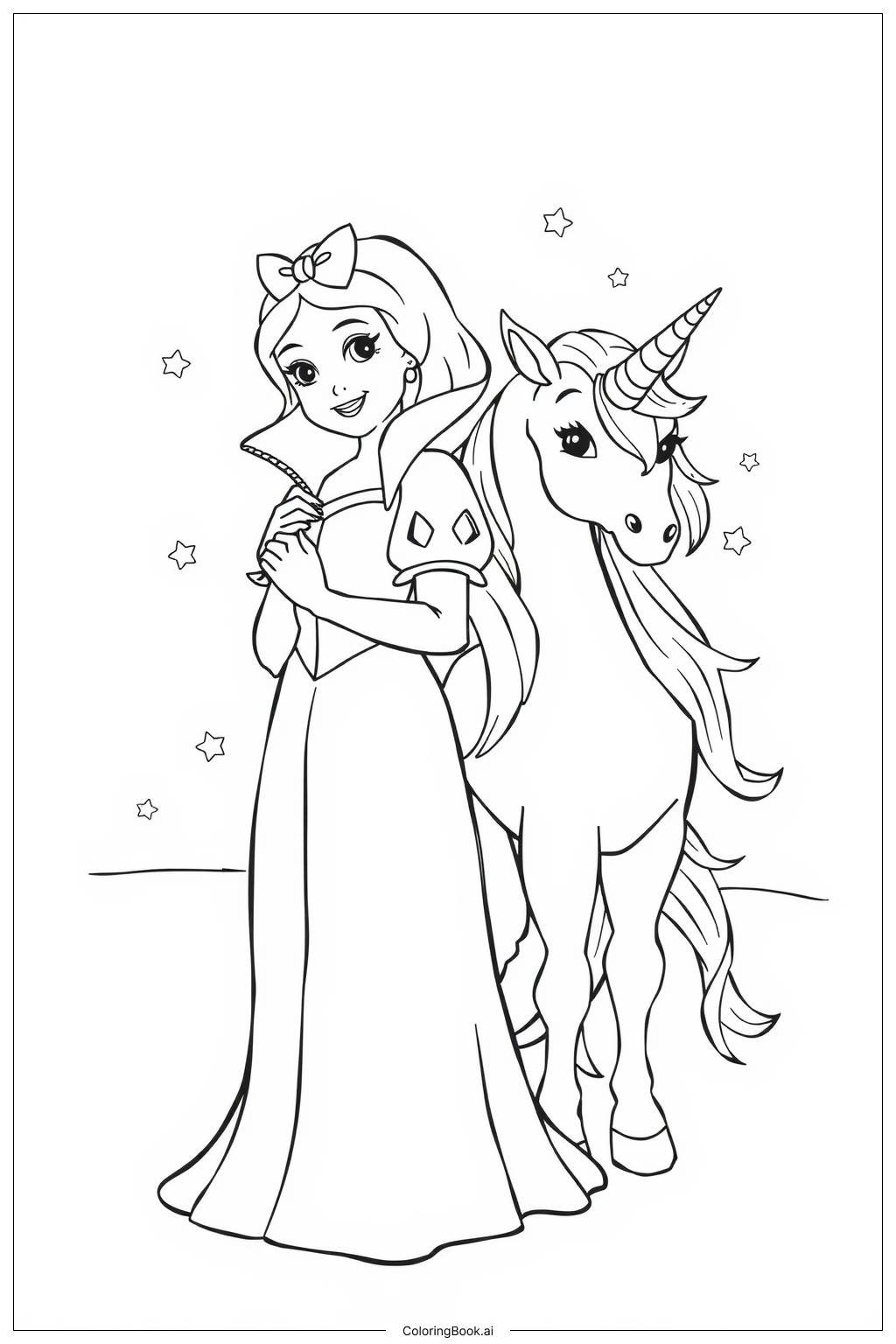
Coloring tips: How to color Snow White in a Dreamy Castle Scene coloring page well?
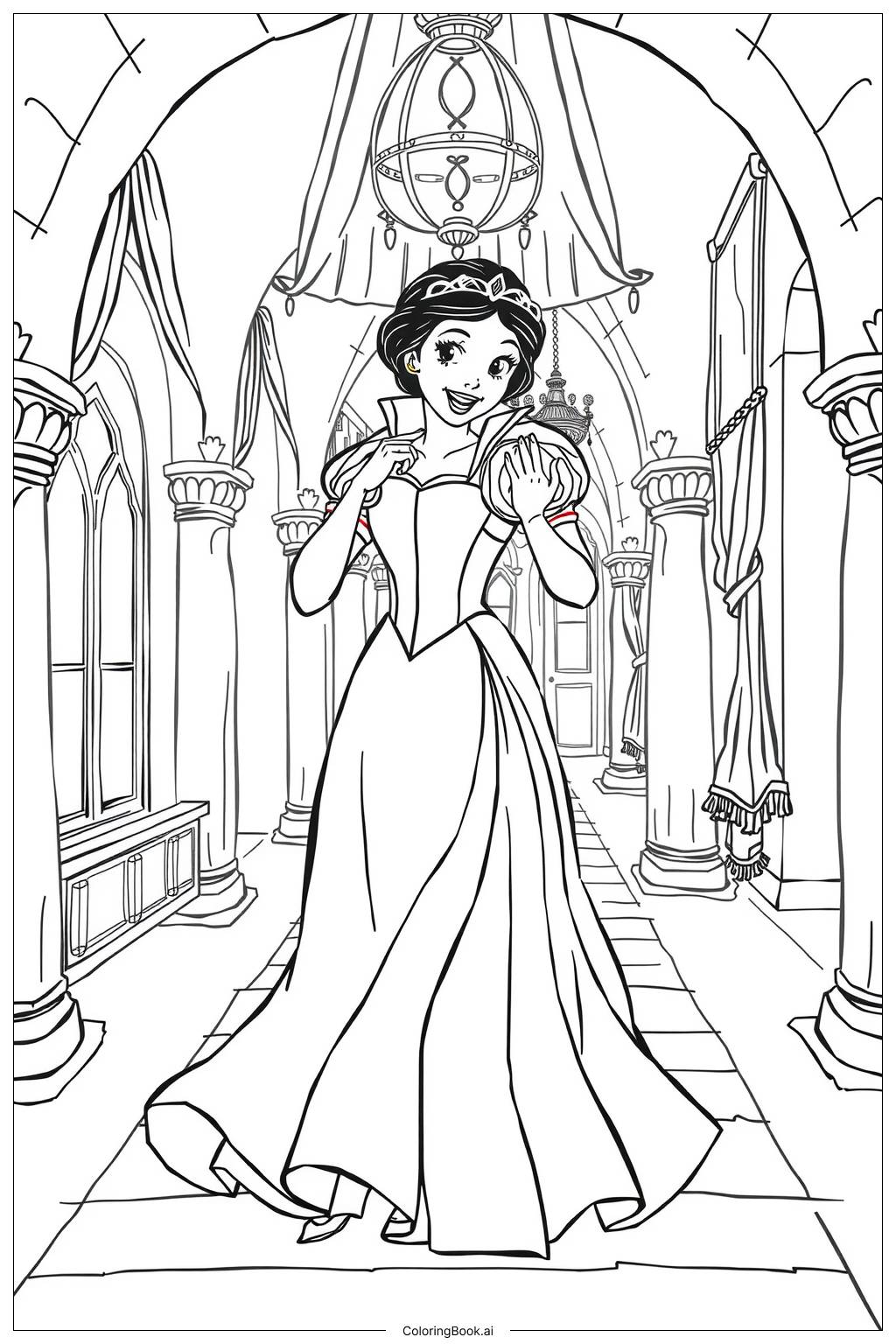
Use soft pastel colors for snow white’s dress, like light blue and yellow, to capture her gentle and kind personality. Color the castle with pale grays and whites to keep it dreamy and elegant. Bright greens work well for the trees and grass, while you can add pops of red, pink, and purple for the flowers to make the garden lively. For the birds, try using blues or vibrant colors to make them stand out. Feel free to mix light and darker shades to add depth and make the scene look magical and inviting.
Coloring challenges: Which parts are difficult to color and need attention for Snow White in a Dreamy Castle Scene coloring page?
• Detailed Dress Patterns: Coloring snow white’s dress might be challenging because of the small folds and puffed sleeves that need careful attention to avoid coloring outside the lines. • Castle Architecture: The intricate details of the castle walls, windows, and towers demand patience to color carefully, maintaining neatness in small areas. • Nature Elements: The many tiny flowers, leaves, and birds require precision to bring out their shapes clearly without smudging. • Color Harmony: Choosing colors that match well to create a soft dreamy look can be tricky, especially balancing bright garden colors with the castle’s muted tones. • Layering Shades: Adding shadows and highlights to give a three-dimensional effect might be difficult for young artists but is important to make the scene more lifelike.
Benefits of coloring books: Advantages of drawing Snow White in a Dreamy Castle Scene coloring page
Coloring this image helps children develop fine motor skills by practicing careful coloring in small areas. It encourages creativity by allowing kids to choose colors and imagine their own dreamy fairytale world. This activity also improves focus and patience, as the detailed castle and garden require sustained attention. Additionally, coloring snow white and the magical scene promotes an appreciation for storytelling and art. For children aged 4–16, it is a fun and calming way to express emotions and build confidence in their coloring abilities.