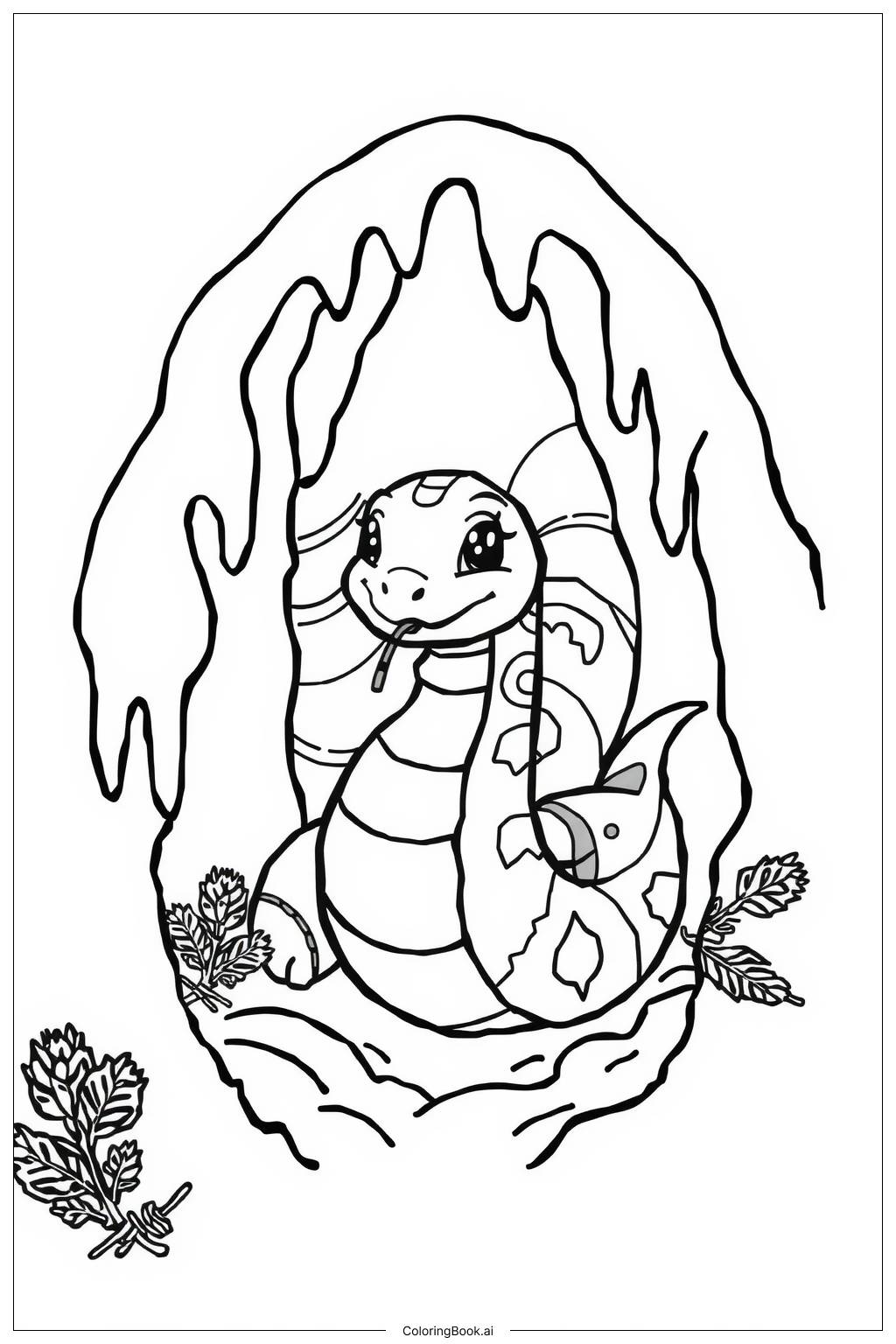
Coloring tips: How to color Snake Winter Sleep coloring page well?
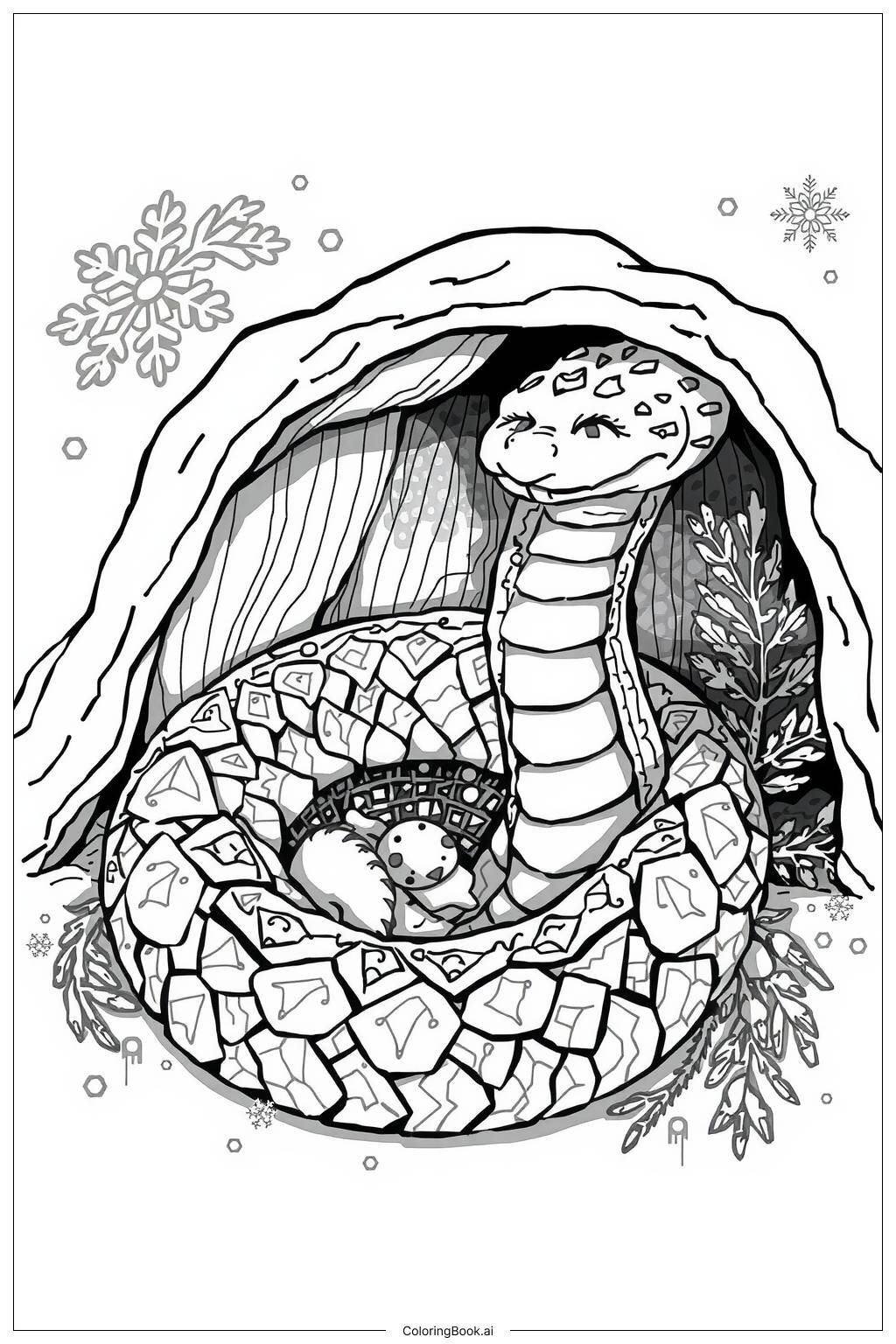
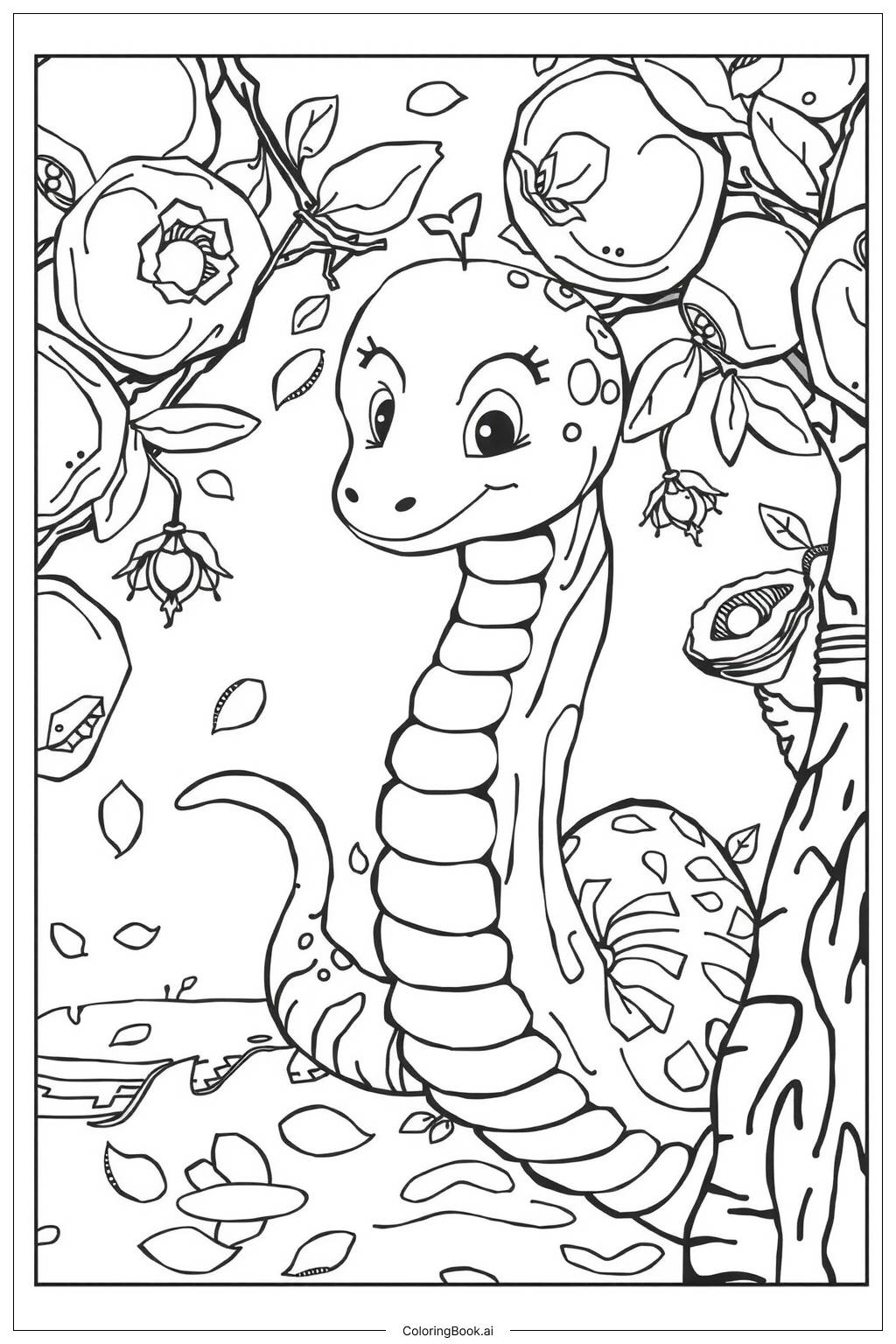
Start with the snake's body using earthy tones like olive green, brown, or dark gray to give it a natural look. Use a slightly lighter shade on the belly to show the difference between the top and underside. For the scales, try adding small streaks of yellow or tan to create depth and texture. Color the fallen leaves in warm autumn shades like orange, red, and golden brown. Use dark brown or black for the tree roots and rocks. The soil can be colored in light brown or beige. If you want a wintry feel, add a pale blue or gray wash to the background to suggest the cold season. Take your time with the scale pattern — coloring each row the same way will make the snake look realistic and polished. Kids can keep it simple with one or two colors, while older colorists can blend shades for a more detailed result.
Coloring challenges: Which parts are difficult to color and need attention for Snake Winter Sleep coloring page?
• Scale Pattern Consistency: The snake's body is covered in dozens of small overlapping scales arranged in neat rows. Keeping the same color pattern across all of them takes patience and a steady hand. Switching colors mid-row or losing track of which scales have been colored can break the visual flow. Using a fine-tipped marker or a sharpened colored pencil will help you stay within each scale boundary.\n\n• Showing Body Depth and Coiling: Because the snake is curled into a coil, parts of its body overlap. Coloring overlapping sections in slightly different shades of the same color helps show which part is on top and which is underneath. Without this contrast, the coil can look flat and hard to read.\n\n• Detailed Background Elements: The leaves, roots, and rocks surrounding the snake each have their own textures and shapes. Coloring them carefully without accidentally blending into the snake's body requires attention to the border lines. Using contrasting colors for the background versus the snake makes the main subject stand out clearly.\n\n• Belly versus Back Contrast: A snake's underside is typically lighter than its back. Remembering to shift to a paler shade for the belly scales — especially where the coil turns and both surfaces are visible — adds realism. Forgetting this step can make the snake look two-dimensional.\n\n• Creating a Winter Atmosphere: The overall mood of the image is quiet and cold. Balancing warm tones on the leaves and cool tones in the background without making the image look muddy or overworked is a subtle but real challenge, especially for younger colorists.
Benefits of coloring books: Advantages of drawing Snake Winter Sleep coloring page
Coloring this snake winter sleep scene offers a wonderful mix of fun and learning for kids and adults alike. Tracing the scale patterns sharpens fine motor skills and builds hand-eye coordination, which supports writing and drawing development in younger children. Focusing on the detailed rows of scales also trains concentration and patience — skills that carry over into schoolwork and daily tasks.\n\nLearning about brumation, the reptile version of hibernation, turns this coloring page into a gentle nature lesson. Children discover that snakes rest through cold months just like bears, connecting art to science in a natural way.\n\nChoosing colors for the snake, leaves, and soil encourages creative thinking and color awareness. Deciding how to show depth in the coiled body introduces basic shading concepts in a low-pressure, enjoyable format.\n\nFor older colorists and adults, the repetitive motion of filling in scale after scale can be meditative and stress-relieving. It offers a quiet break from screens and busy schedules. Overall, this image is both a creative outlet and a small window into the fascinating world of animal behavior in winter.