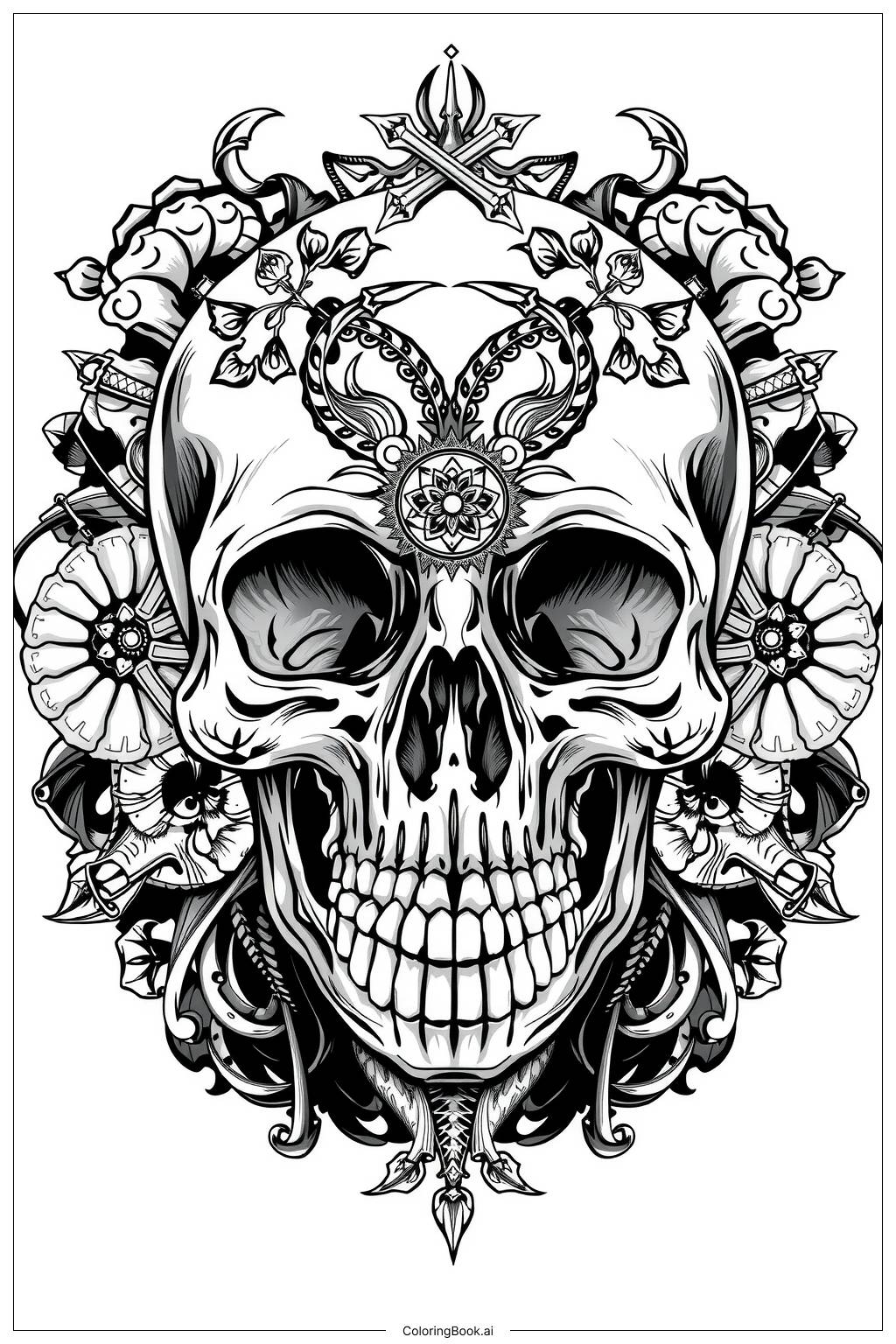
Coloring tips: How to color Skeleton Head Basic coloring page well?
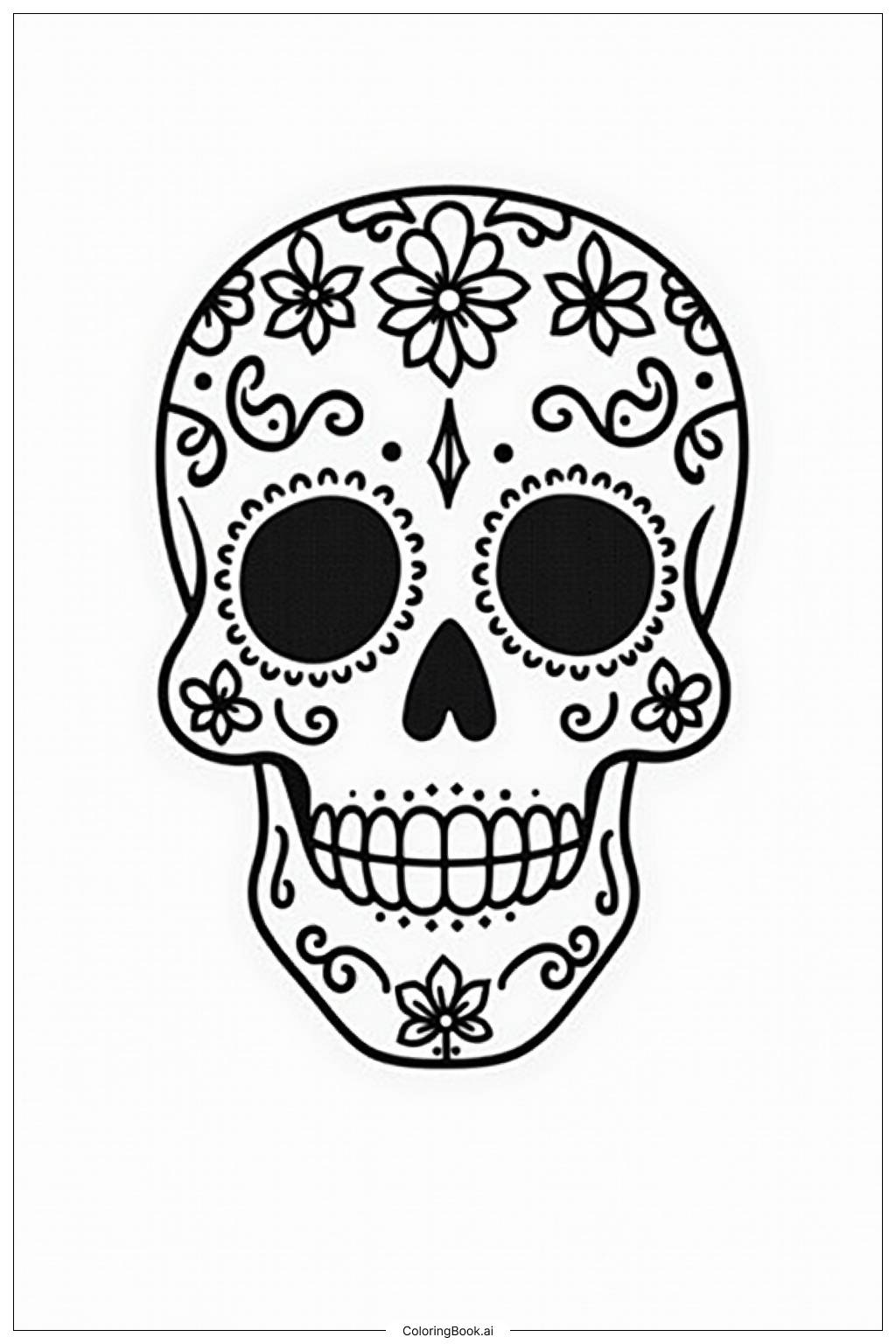
Start with the large eye sockets and nose cavity. Fill them in with black or very dark gray to make them look deep and hollow. For the skull itself, try a light gray or pale ivory color to give it a bone-like look. You can also add a slight yellow or cream tone to make it feel old and weathered. Use a slightly darker shade around the edges of the cranium and cheekbones to create depth and shadow. For the teeth, keep them white or off-white, but add thin gray lines between each tooth to separate them clearly. If you want a fun twist, try coloring the skull with bright neon colors or cool blues and purples for a Halloween or Day of the Dead style. Adding small dots or cracks on the surface can give it extra detail and character.
Coloring challenges: Which parts are difficult to color and need attention for Skeleton Head Basic coloring page?
• Eye Socket Depth: The large hollow eye sockets need to look truly empty and dark. It can be tricky to create that deep, shadowed effect using flat coloring tools. Kids may need to layer dark colors carefully or use circular shading strokes to build up the darkness without going outside the lines.
• Smooth Cranium Surface: The top and sides of the skull are wide open areas with no inner details. Coloring these evenly without streaks or blotches takes patience. Younger colorists may find it hard to keep the color consistent across such a large space, especially when using crayons or markers.
• Tooth Separation: The row of teeth is made up of several rectangles sitting close together. Keeping each tooth neatly colored without bleeding into the dark gaps between them requires a steady hand and a fine-tipped tool. Using a thin marker or a sharp colored pencil works best here.
• Nose Cavity Shape: The nose hole is a small, triangular or heart-shaped opening. Its size makes it harder to fill neatly, and the surrounding bone structure needs to contrast with it clearly. Choosing the right shade for the area around the nose cavity helps it stand out from the rest of the skull.
• Creating a Bone Texture: Real bones are not perfectly flat in color. Adding a realistic or stylized bone texture, such as subtle cracks, spots, or gradient shading, takes some skill and planning. Beginners may want to keep it simple, while more advanced colorists can try blending two or three shades for a more lifelike result.
Benefits of coloring books: Advantages of drawing Skeleton Head Basic coloring page
Coloring this skeleton head page offers a fun mix of creativity and learning. For children, it is a great way to practice fine motor skills. Staying inside the lines, especially around the teeth and eye sockets, helps strengthen hand control and pencil grip. It also teaches kids about shapes and how different parts of a face fit together, even in simplified form. Working on this page encourages focus and patience, since some areas like the tiny teeth gaps require careful attention. For older kids and teens, experimenting with shading and color blending on the smooth skull surface builds artistic confidence and an eye for detail. The spooky theme also makes it exciting and motivating, especially around Halloween. Beyond the skill-building side, coloring is a calming activity that helps reduce stress and anxiety. It lets young artists express their own style, whether they go for a realistic bone look or a bold, colorful fantasy design. Overall, this page is a rewarding and enjoyable creative experience for a wide range of ages.