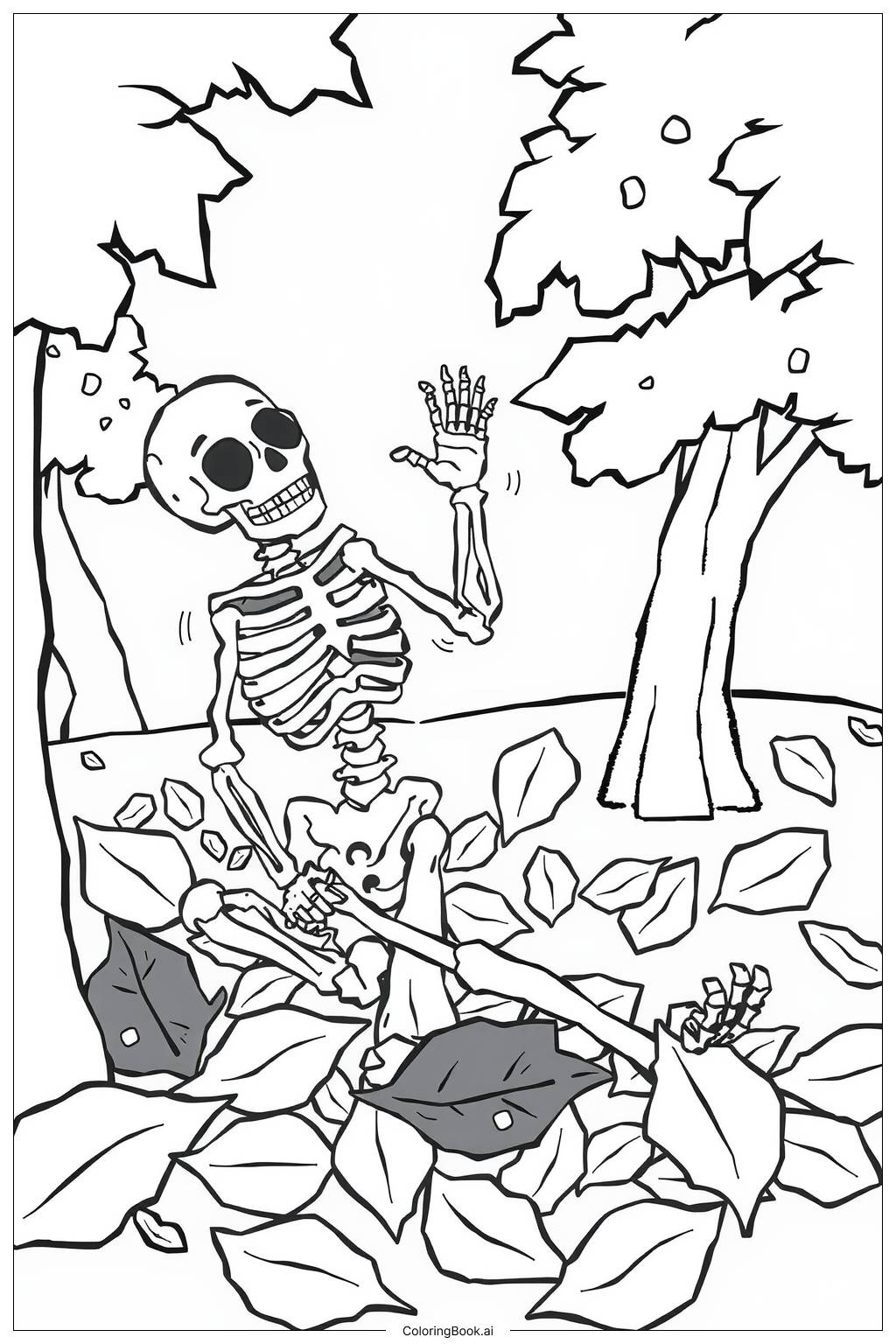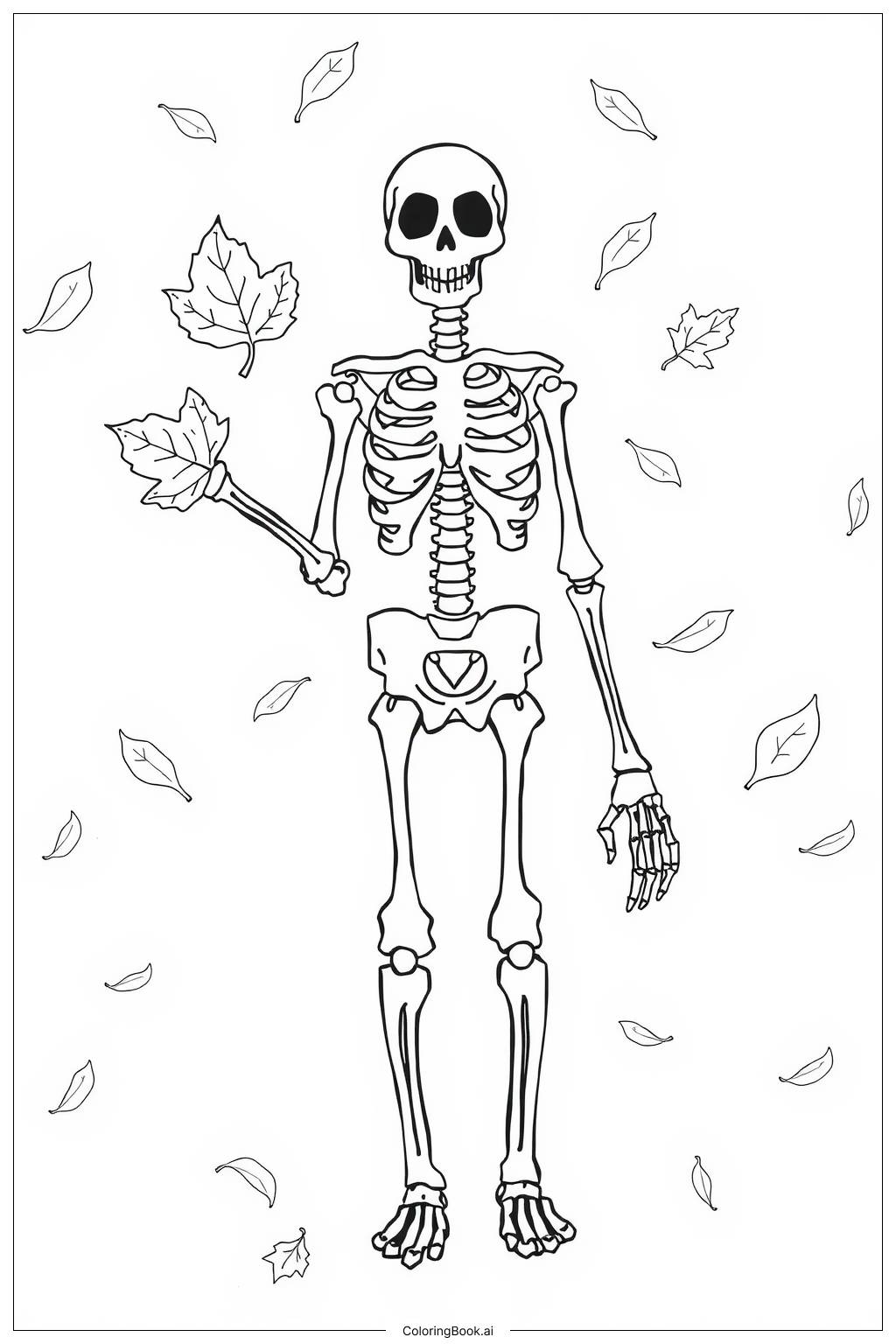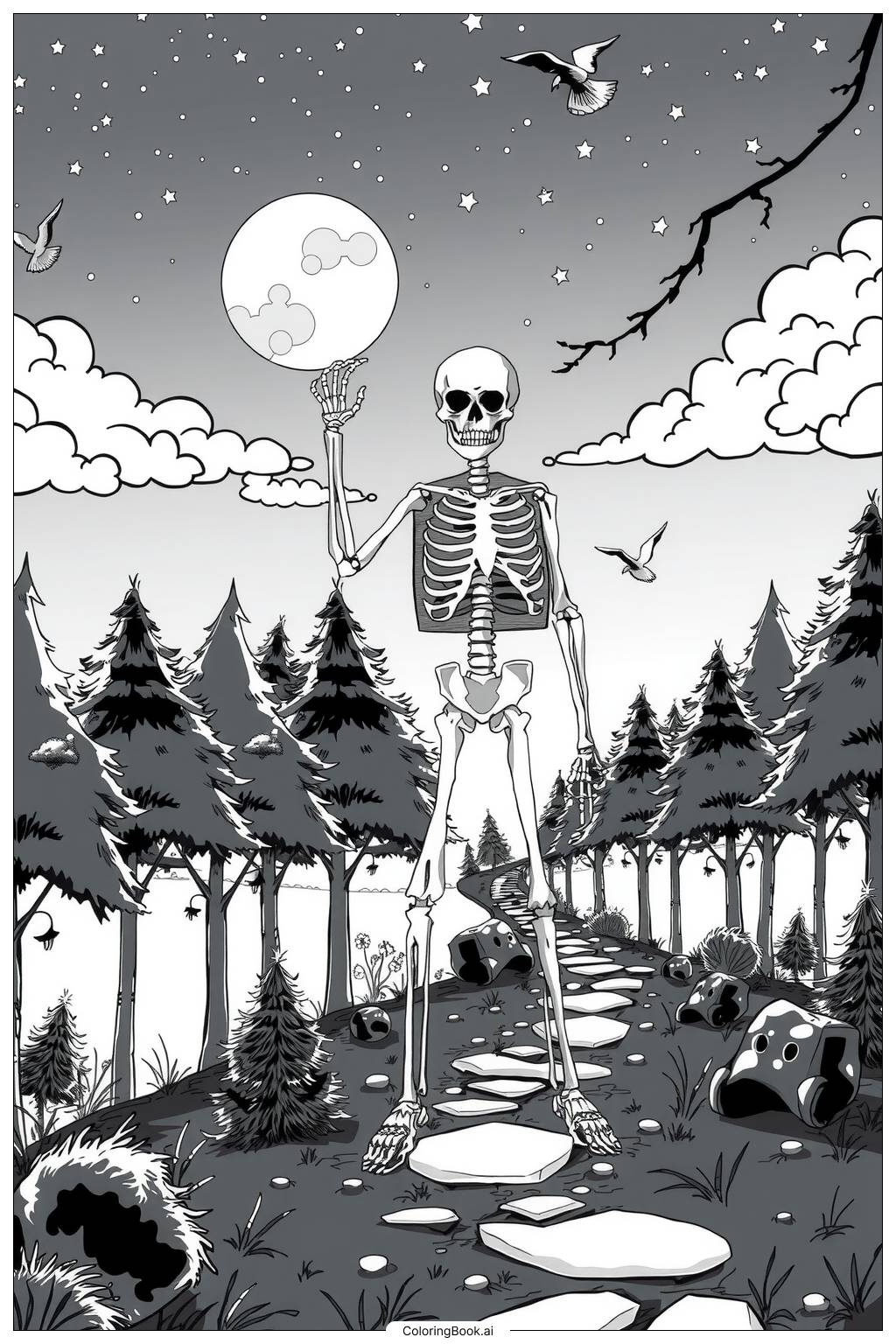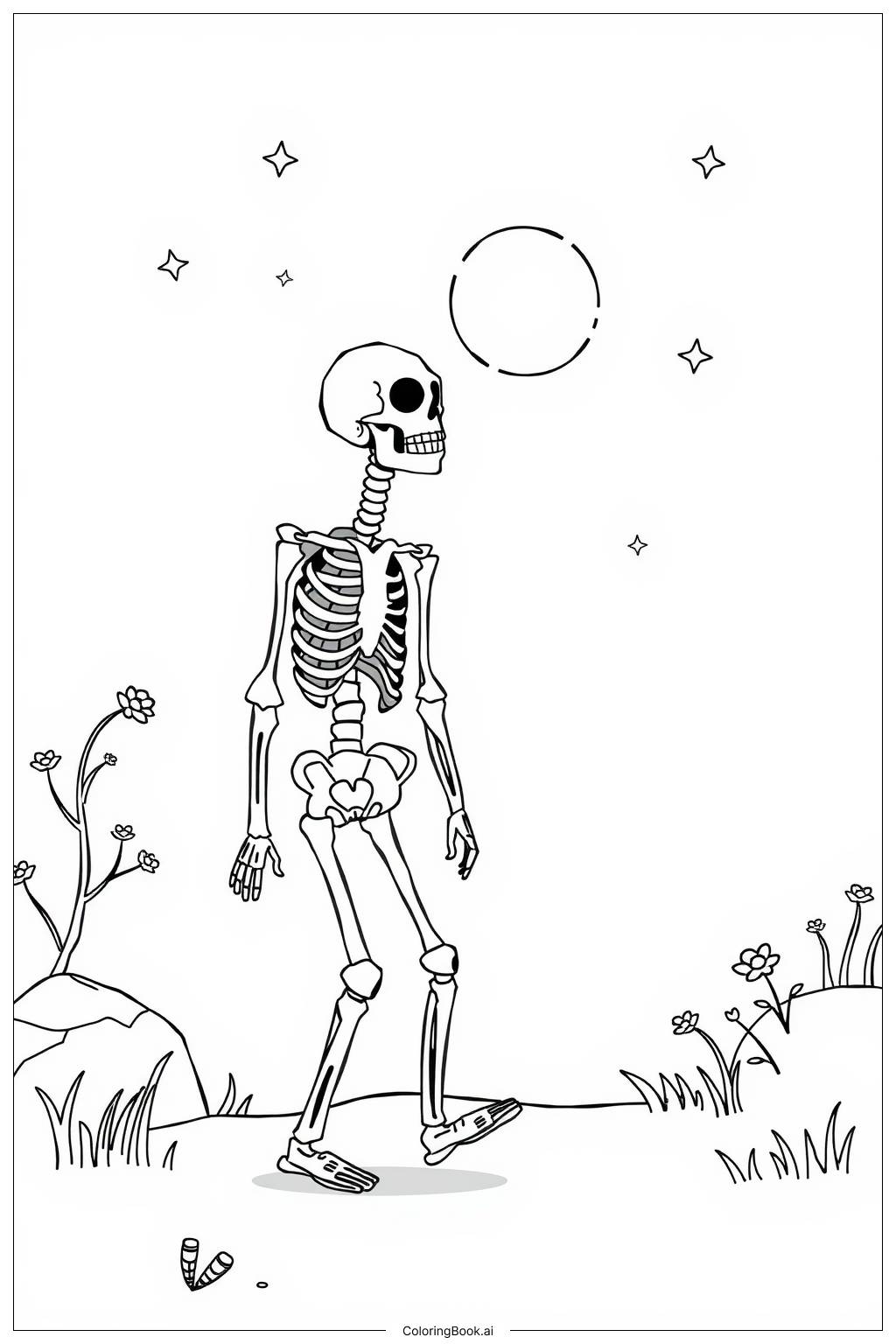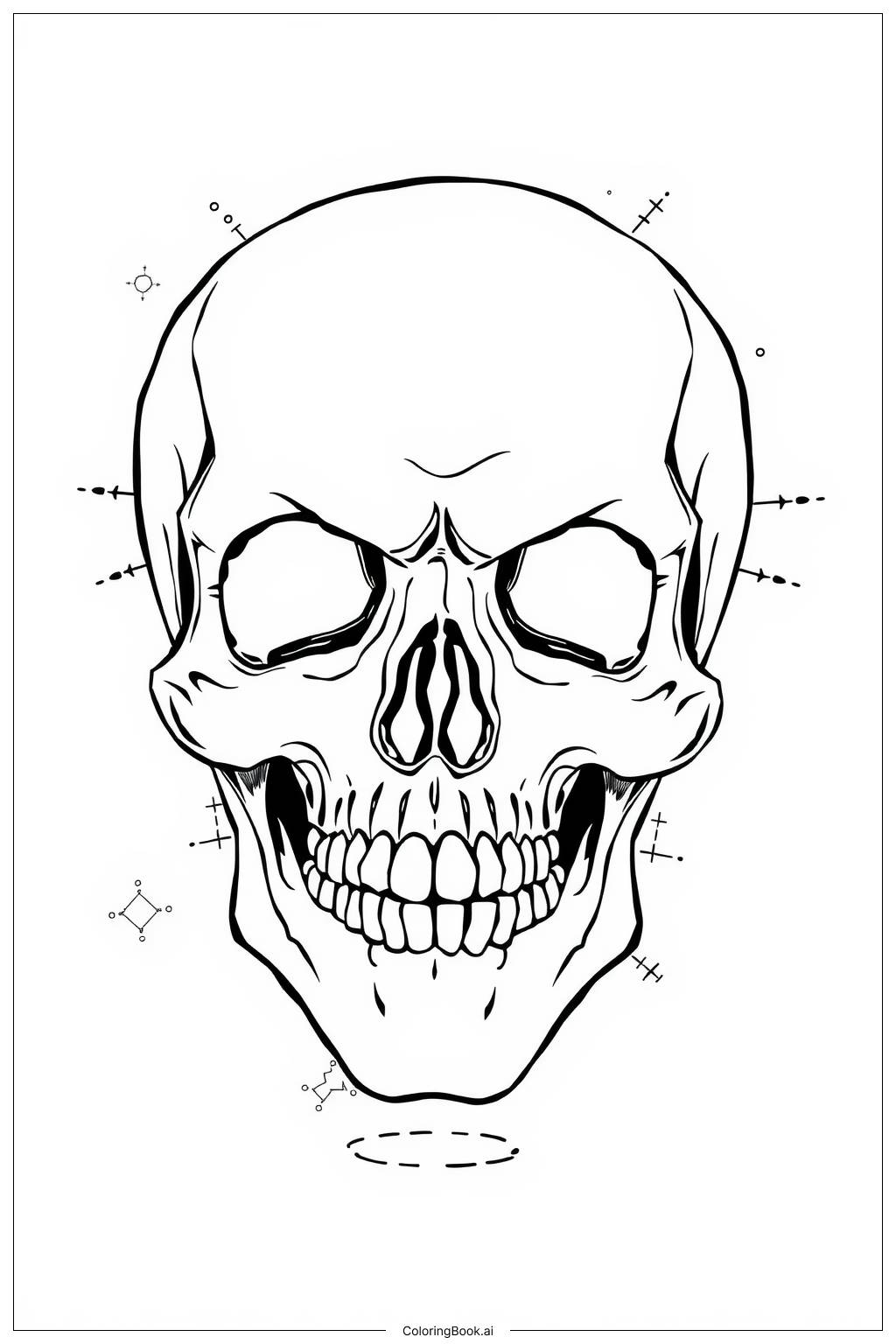
Coloring tips: How to color Skeleton Face Drawing coloring page well?
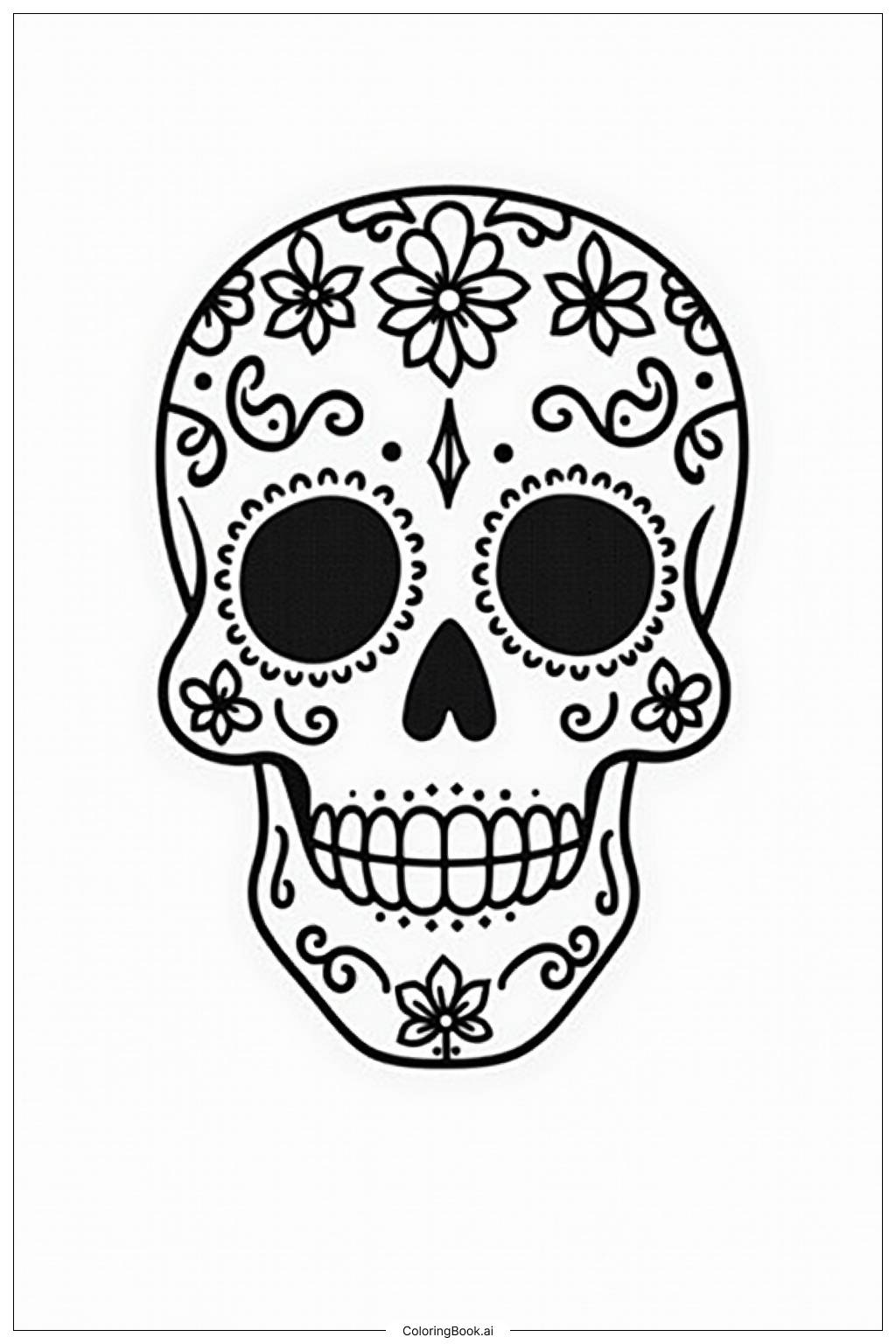
Start with the main skull using light gray or off-white. This gives a realistic bone look. You can also go creative and use bold colors like purple, teal, or neon green for a fun, spooky style. For the eye sockets and nasal cavity, use deep black or dark gray to create shadow and depth. The teeth can be colored bright white or slightly yellow for a more realistic feel. Add shading along the cheekbones and forehead ridges using a slightly darker tone to make the skull look three-dimensional. If you want a Day of the Dead style, try painting colorful flowers or patterns inside the eye sockets. Use fine-tipped markers or colored pencils for the small crack details. Boys and Girls of all ages can enjoy making this skull their own with any color theme they like.
Coloring challenges: Which parts are difficult to color and need attention for Skeleton Face Drawing coloring page?
• Eye Socket Depth: The large hollow eye sockets need careful shading to look truly dark and deep. You need to blend light and shadow smoothly from the edges inward. Without proper shading, the eyes can look flat and uninteresting. This is a challenge for younger colorists who may not yet have experience with blending techniques.
• Tooth Separation: The jawline features many individual teeth placed close together. Each tooth needs its own subtle shading to stand apart from the others. Coloring them all the same flat tone makes them blur together. Using a slightly darker shade along the edges of each tooth helps define them clearly, but this requires a steady hand and a fine-tipped tool.
• Crack and Texture Details: Small cracks and surface details are spread across the skull. These thin lines require precision to color around without filling them in accidentally. Going over these details with a dark liner after coloring can help them stand out, but careful control is needed.
• Dimensional Shading on Bone Structure: The cheekbones, forehead, and jawbone all have curved surfaces. To make the skull look rounded and three-dimensional rather than flat, colorists need to apply gradual shading. This means using at least two or three tones of the same color, which can be tricky for beginners.
• Balancing Color and Realism: Choosing between a realistic gray-and-white palette and a vibrant creative palette is itself a challenge. Going too colorful can lose the skull's natural structure, while staying too plain can make the image look dull. Finding the right balance takes creative judgment and planning.
Benefits of coloring books: Advantages of drawing Skeleton Face Drawing coloring page
Coloring this skeleton face page offers many great benefits for children and Adults alike. For Boys and Girls aged 4 to 16, it is a fun and engaging activity that builds focus and patience. Staying within the lines and adding careful shading trains fine motor skills and hand-eye coordination. Working on the detailed teeth and crack patterns helps younger kids develop precision with their coloring tools. Older kids and Adults benefit from the creative challenge of shading a three-dimensional form, which introduces basic concepts of light, shadow, and depth. This kind of artistic thinking supports visual learning and spatial reasoning. Choosing a color palette, whether realistic or imaginative, encourages creative decision-making and personal expression. Completing a complex image like this also gives a strong sense of accomplishment, which builds confidence. For those interested in science or art, this skull design is a natural bridge between anatomy and creative expression. It is also a great mindfulness activity, helping to reduce stress and calm the mind through focused, repetitive coloring. Overall, this image is both educational and entertaining.