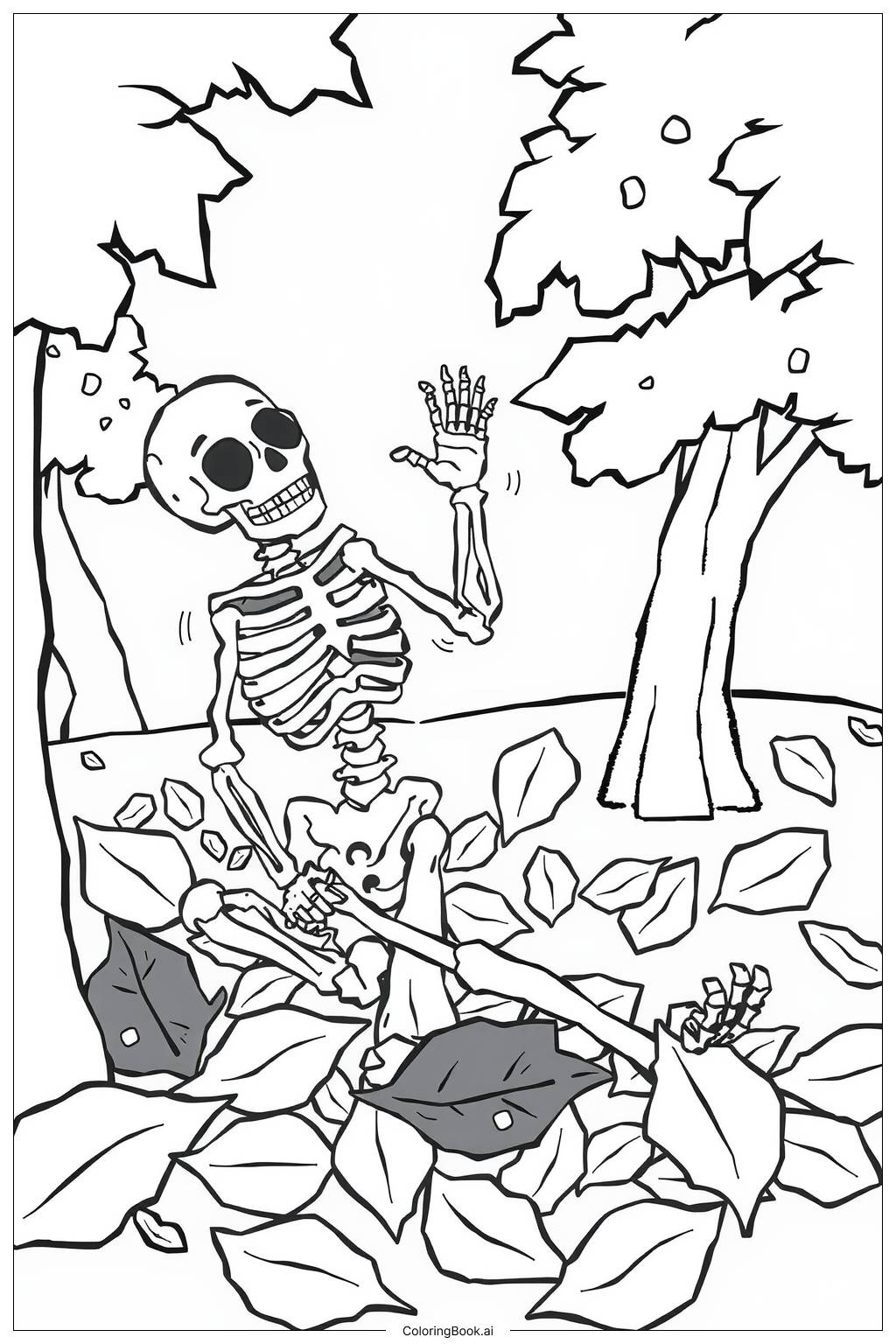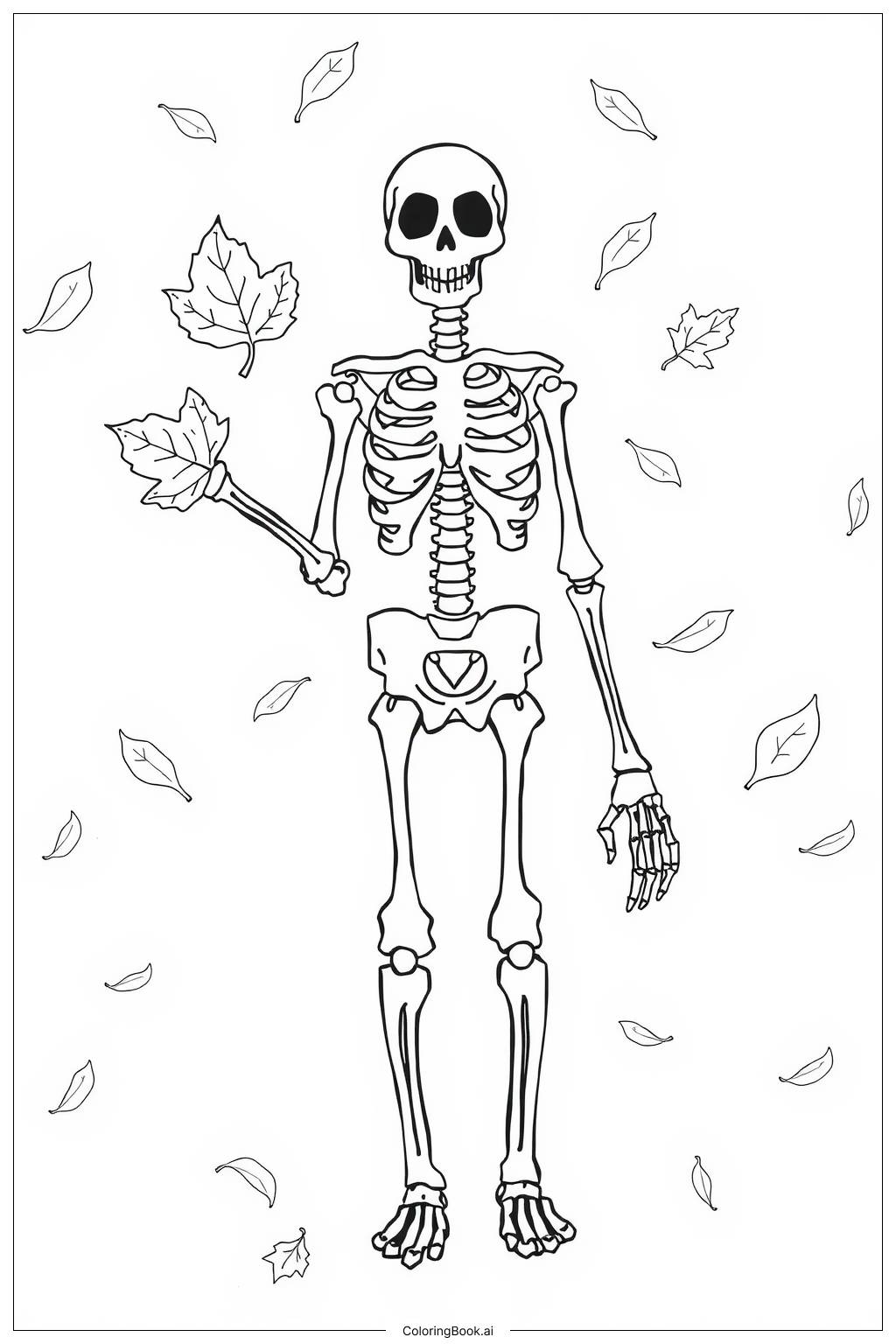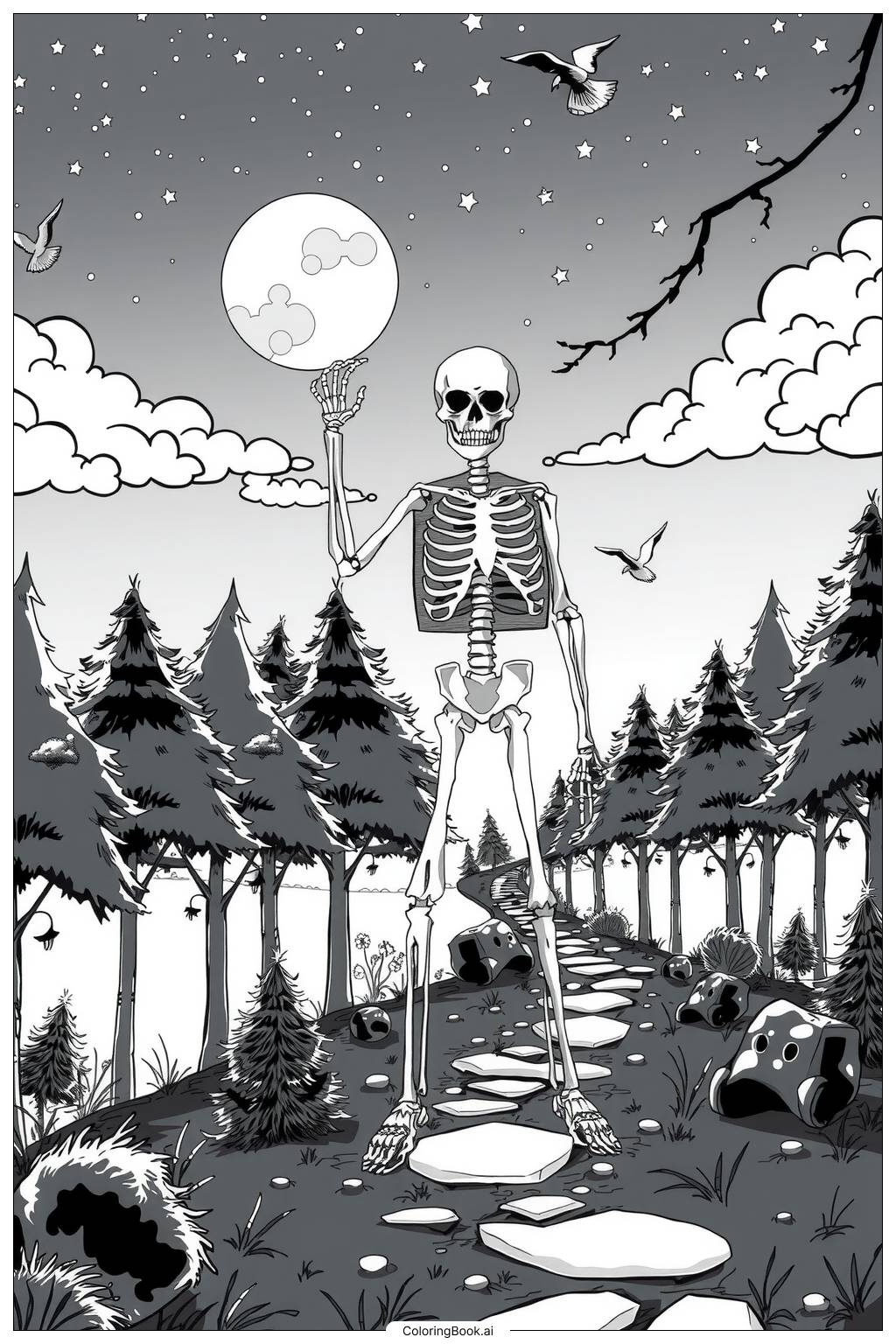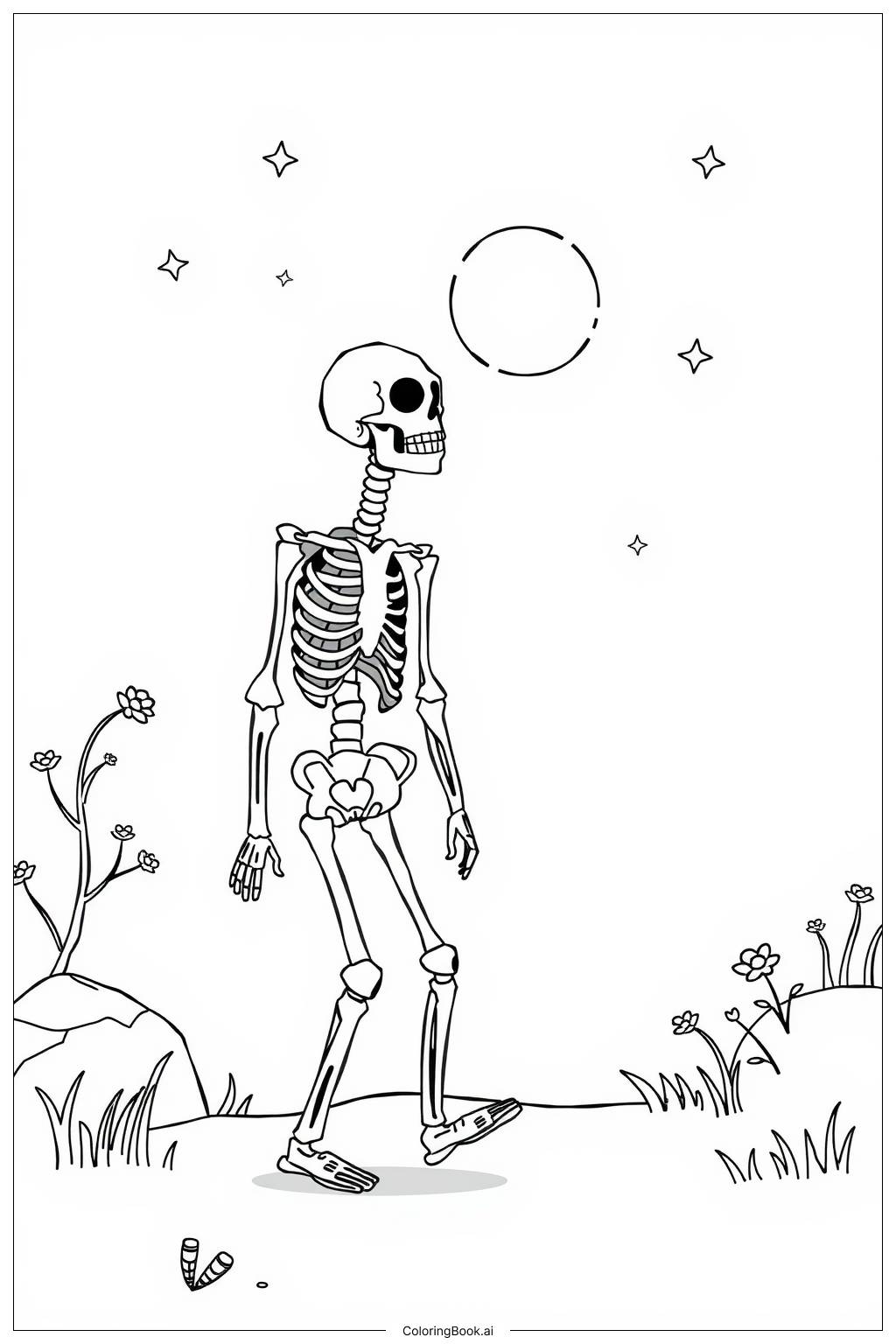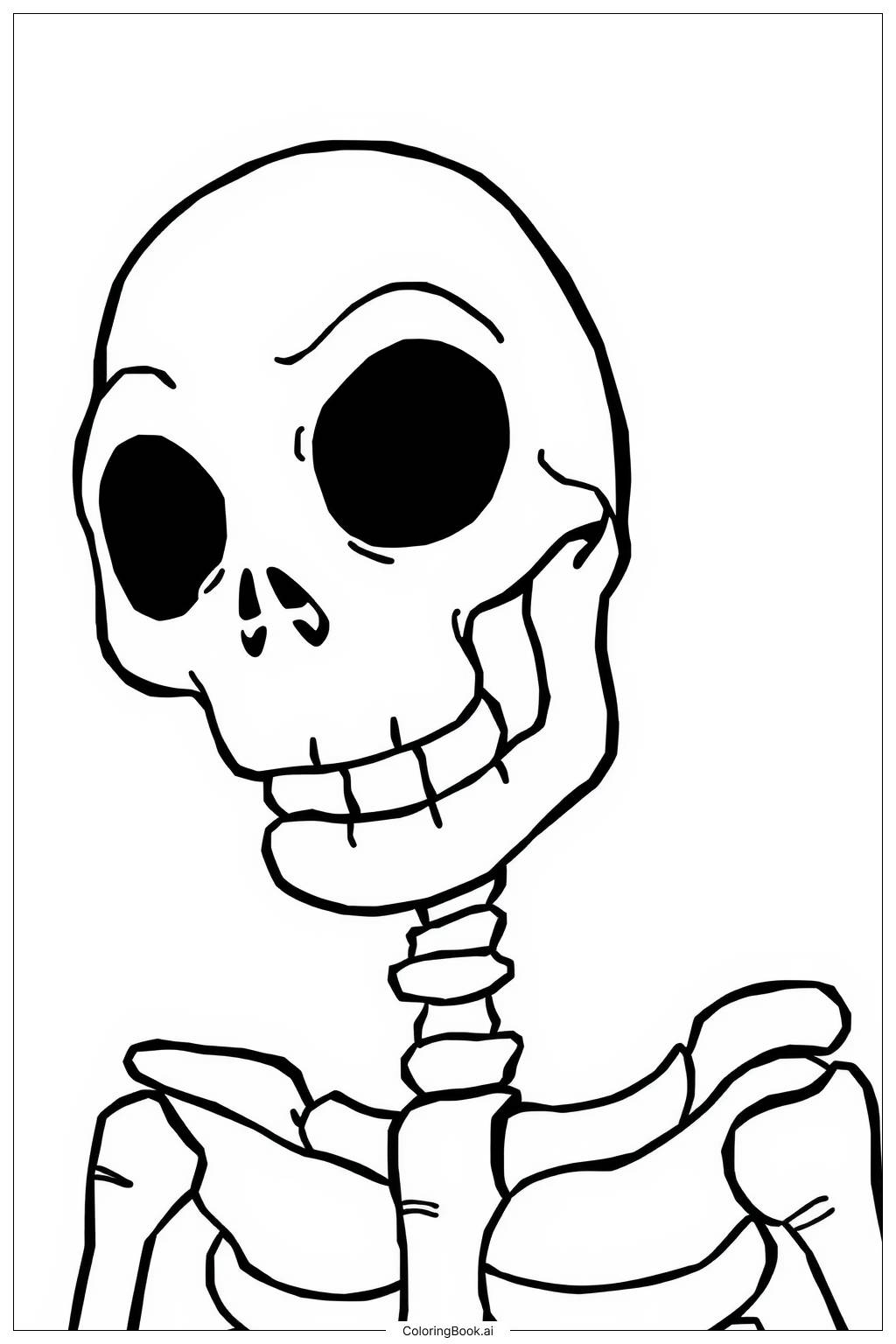
Coloring tips: How to color Skeleton Face Drawing coloring page well?
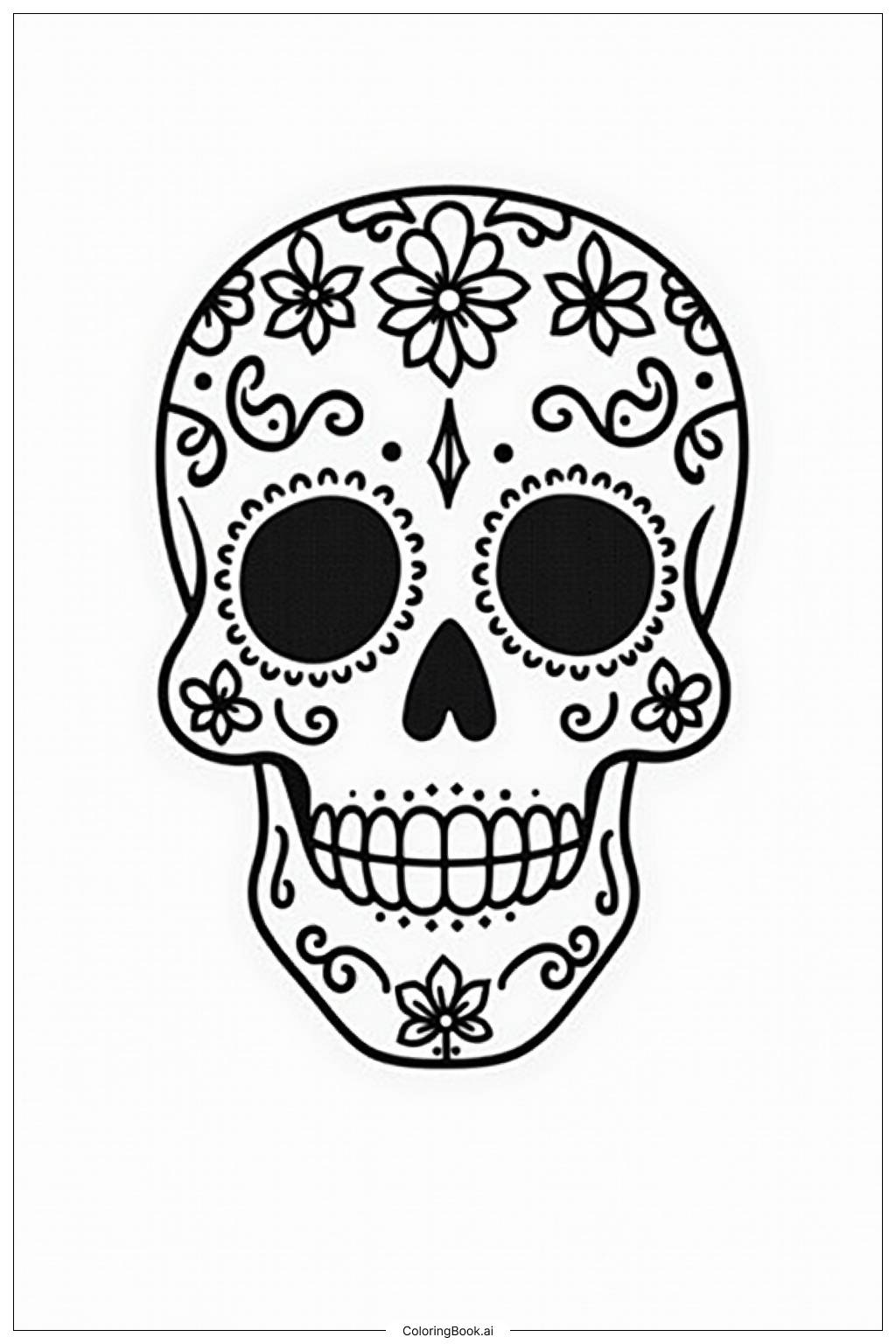
Start with the large eye sockets. You can fill them solid black or use deep purple or dark blue for a spooky glow effect. For the skull itself, try light gray or soft bone-white to keep it realistic. You can also go bold with bright colors like neon green or orange for a Day of the Dead style look. Use a darker shade along the edges of the cheekbones and brow to add shadow and depth. Color the teeth in off-white or cream, then add thin gray lines between each tooth for detail. For any cracks on the skull, try a slightly darker shade of your base color to make them stand out. Kids can use bright, fun colors freely. Older colorists may enjoy adding gradients or shading to make the face look more three-dimensional. There is no wrong way to color this — make it your own.
Coloring challenges: Which parts are difficult to color and need attention for Skeleton Face Drawing coloring page?
• Eye Socket Shading: The large hollow eye sockets look simple but are tricky to shade well. If you want them to look deep and three-dimensional, you need to blend dark tones carefully from the outer edges inward. A flat fill can make them look flat and lifeless. Taking time to layer colors here makes a big difference in the final result.
• Teeth Separation and Detail: The row of teeth along the jaw requires careful work. Each tooth needs its own outline respected, and adding subtle shading between teeth — using light gray or a slightly darker tone — helps them look distinct. Coloring over the lines can make the teeth merge together and lose definition.
• Crack and Texture Details: The small cracks and surface details on the skull are narrow and close together. Filling these with a slightly different tone than the main skull color requires a fine-tipped tool. Using a thick marker or crayon in these areas can accidentally cover surrounding detail.
• Nose Cavity Shape: The triangular or heart-shaped nose cavity sits in the center of the face. It is a small but important feature. Coloring it too dark without blending can make it look like a flat hole rather than a recessed cavity with depth.
• Overall Tonal Balance: Keeping the whole face balanced in tone is a challenge. The skull should feel like one connected surface, not a patchwork of unrelated colors. Choosing a consistent color palette before starting helps maintain harmony across all the features of the skeleton face.
Benefits of coloring books: Advantages of drawing Skeleton Face Drawing coloring page
Coloring this skeleton face page offers a range of great benefits for kids and older colorists alike. It helps build fine motor skills as you carefully color inside the detailed lines of the teeth, eye sockets, and cracks. Staying within small, defined areas trains hand control and pencil precision. This page also sparks creativity. There are many ways to color a skull — realistic, spooky, or colorful and festive. Deciding on a color palette encourages planning and artistic thinking. For kids, this image is a fun way to learn about basic human anatomy. The skull, eye sockets, teeth, and nose cavity are all features they can identify and discuss. It turns coloring into a light learning experience. Focusing on a detailed image like this also promotes calm and concentration. It is a simple way to practice mindfulness and reduce stress. Completing the page gives a real sense of accomplishment, which builds confidence. Whether used for Halloween, a school project, or just for fun, this coloring page is a rewarding activity for all ages.