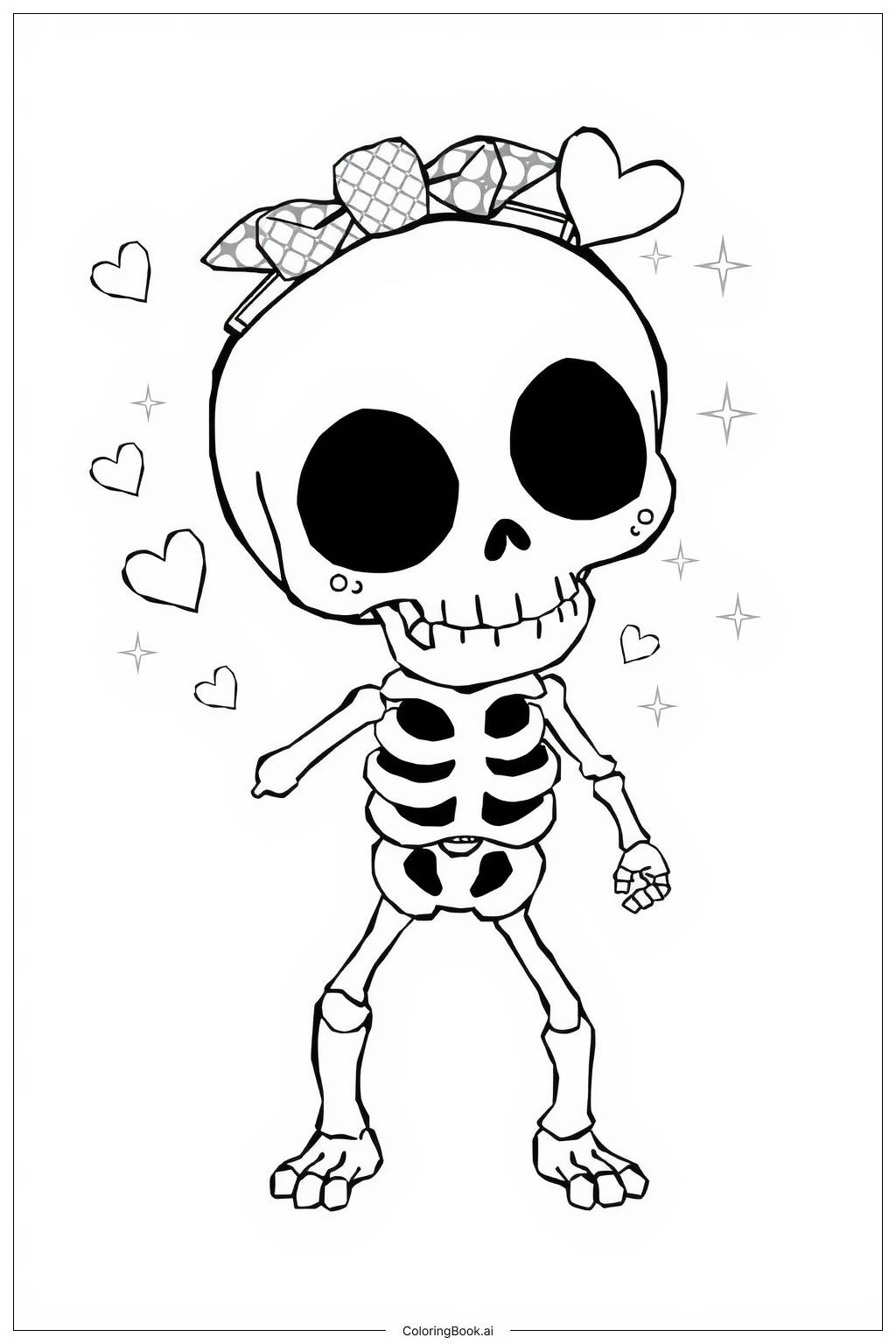
Coloring tips: How to color skeleton cute smile-2 coloring page well?
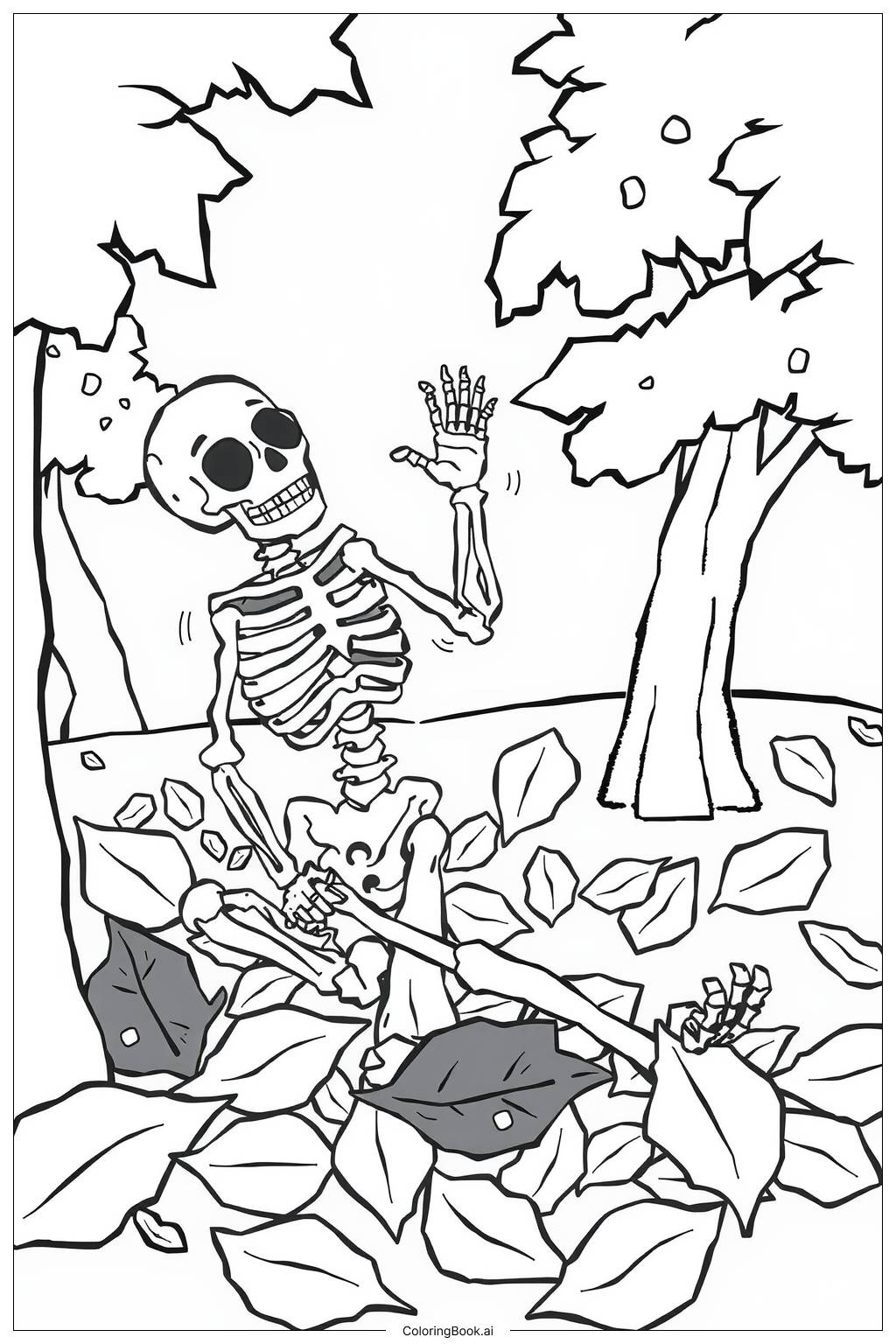
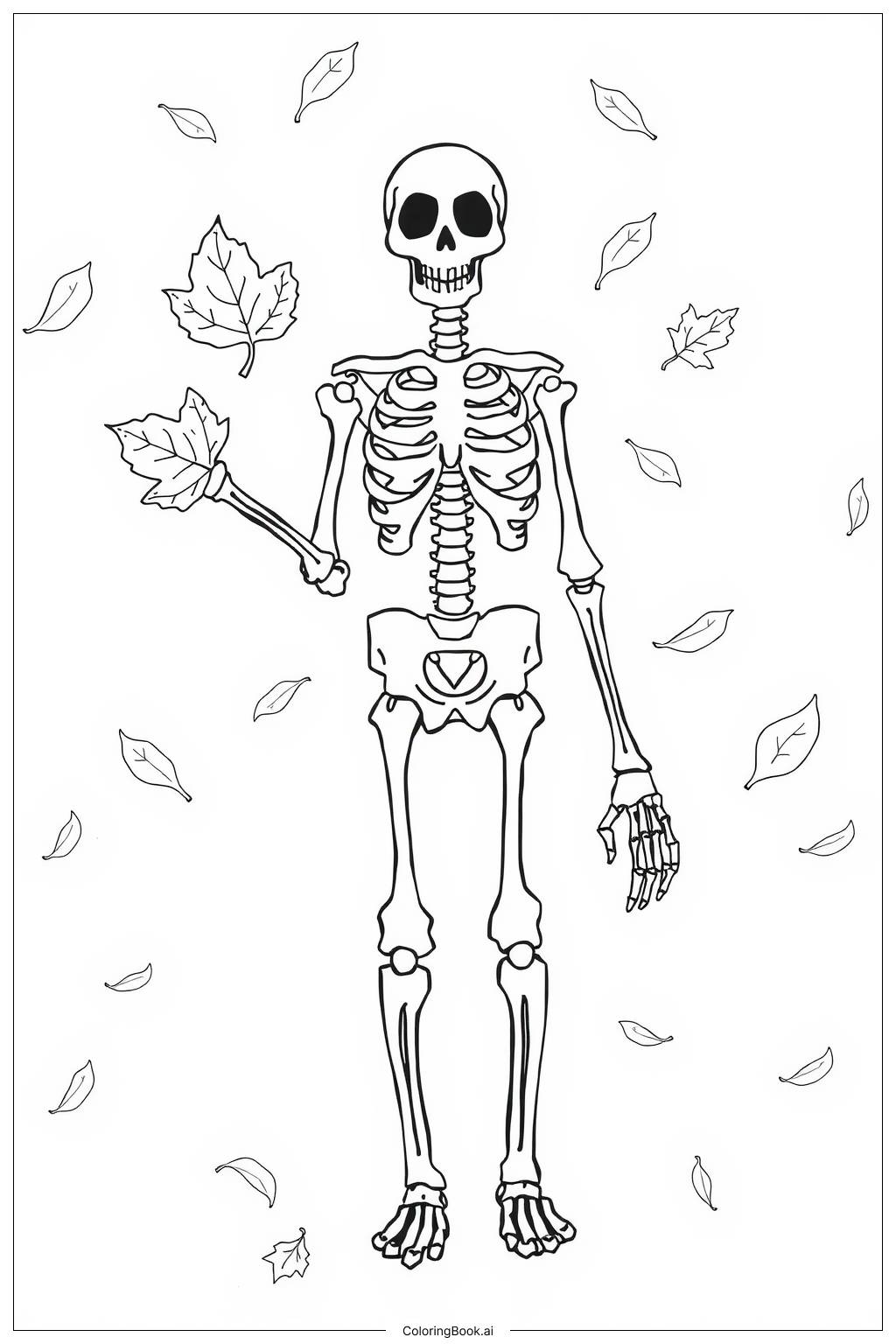
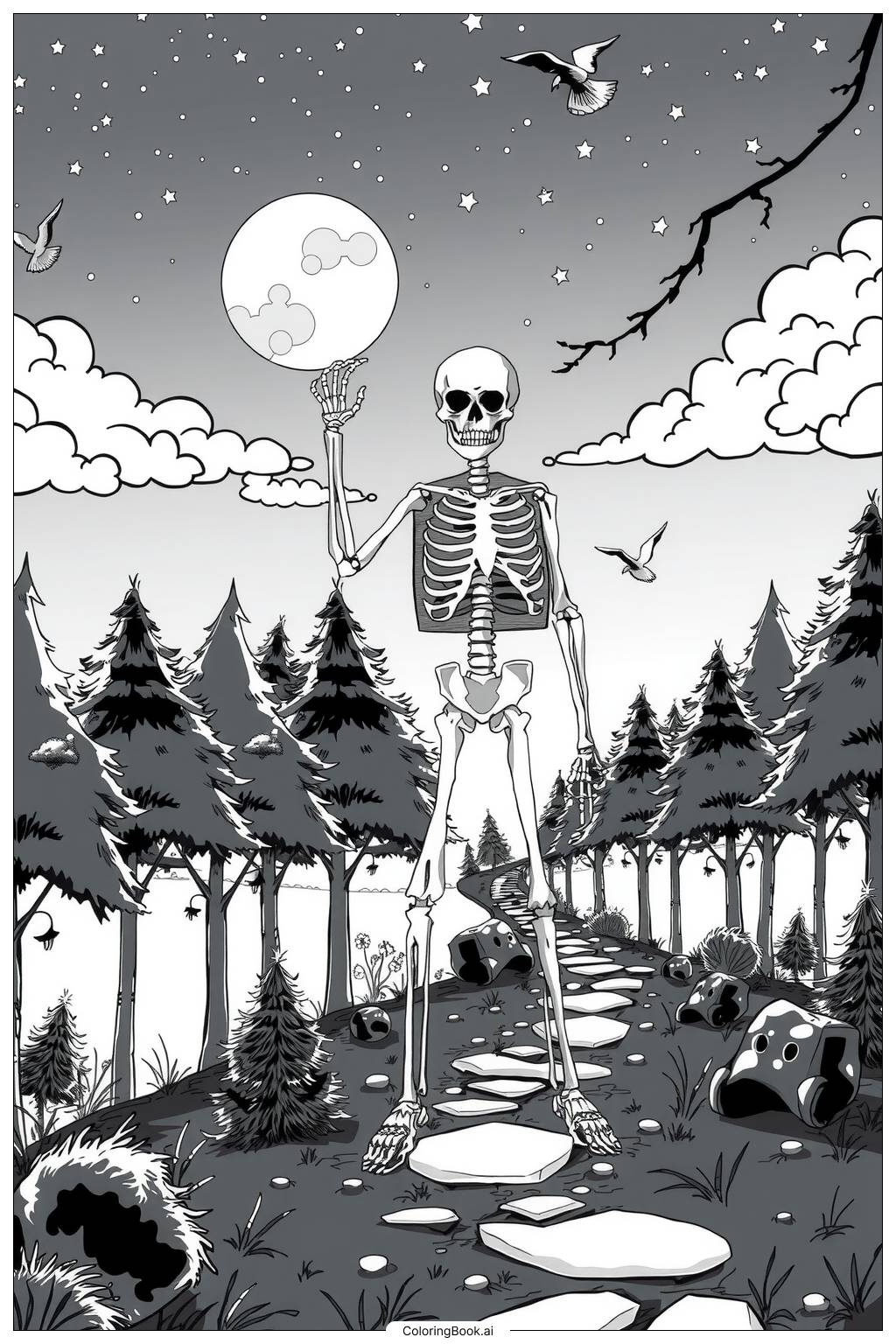
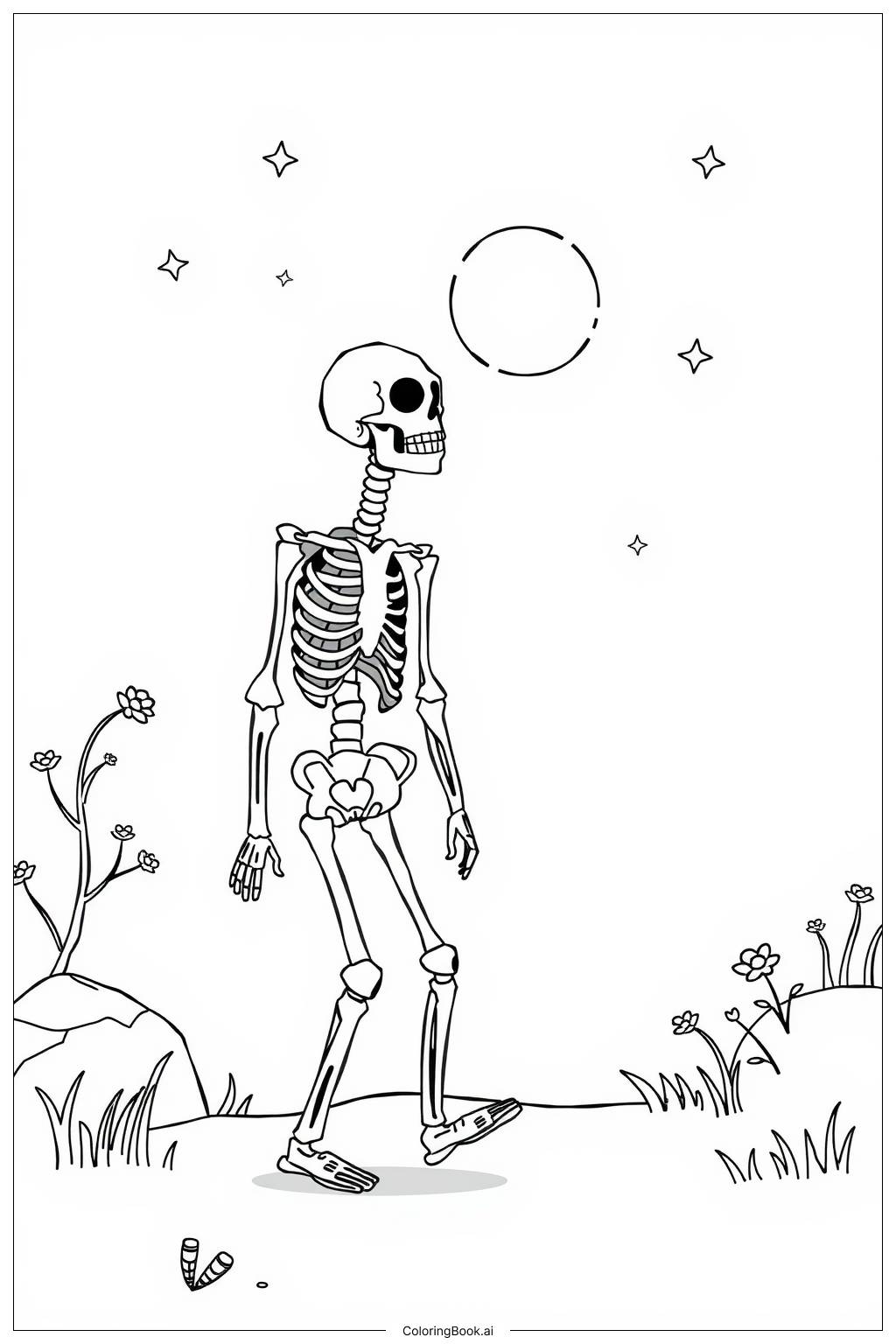
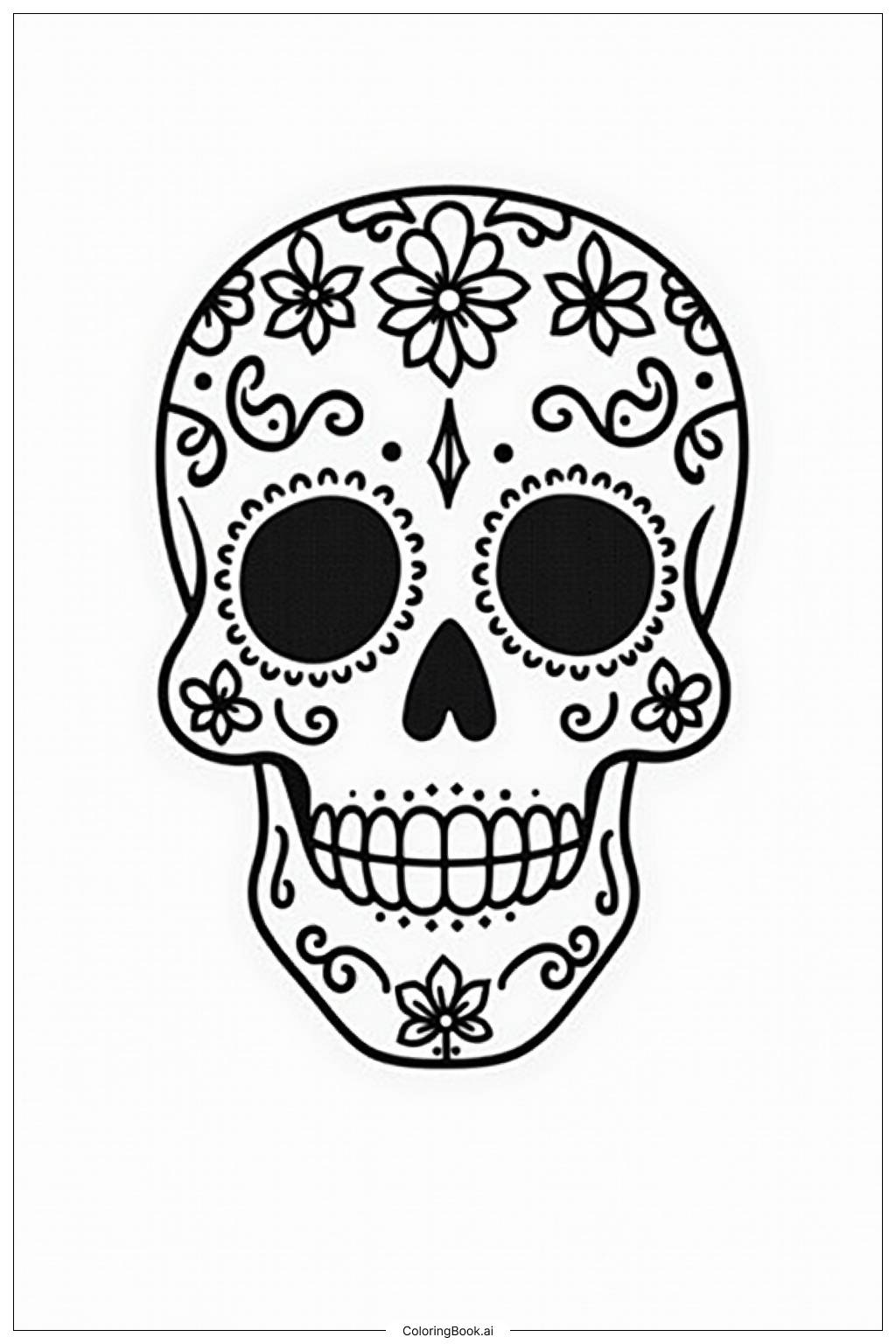
Use bright, fun colors to make the skeleton lively and cheerful. You could color the bones in soft white, light blue, or even pastel shades to give it a cute look. For the eyes and mouth, try different colors like light purple or pink to enhance its friendly smile. The background patterns can be filled with contrasting colors like orange, green, or yellow to make the skeleton stand out. Adding some glitter or metallic colors to the bones or decorations could add a magical touch. Remember to use bold colors for the larger bone parts and lighter shades for the smaller details to create depth and interest.
Coloring challenges: Which parts are difficult to color and need attention for skeleton cute smile-2 coloring page?
• Bone Outlines: The skeleton has many thin, curved outlines that can be tricky to color without going outside the lines, especially around the ribs and fingers. Staying inside these narrow spaces requires a steady hand. • Facial Details: The eye sockets and wide smile have fine details that may be challenging for younger children to color neatly. Care is needed to avoid coloring outside these areas. • Small Decorations: The small patterns around the skeleton include dots and tiny shapes which can be difficult to color precisely, particularly with thicker crayons or markers. • Shading Suggestion: Trying to add shading or a gradient effect on the bones to create a 3D look could be hard because of the many segmented bone parts. It requires patience and practice. • Background Contrast: Ensuring the background colors contrast well enough without overwhelming the skeleton can be a bit complex. Choosing the right balance needs some thought.
Benefits of coloring books: Advantages of drawing skeleton cute smile-2 coloring page
Coloring this cute skeleton teaches children patience and concentration as they work with many small, detailed areas. It also encourages creativity by letting them experiment with unusual colors for bones and backgrounds, breaking the usual expectations of skeleton imagery. This activity helps develop fine motor skills, improving hand-eye coordination and control. The cheerful expression of the skeleton can promote positive feelings, making the coloring experience fun and less intimidating. Overall, it supports artistic growth while also familiarizing young artists with an iconic Halloween figure in a friendly way.