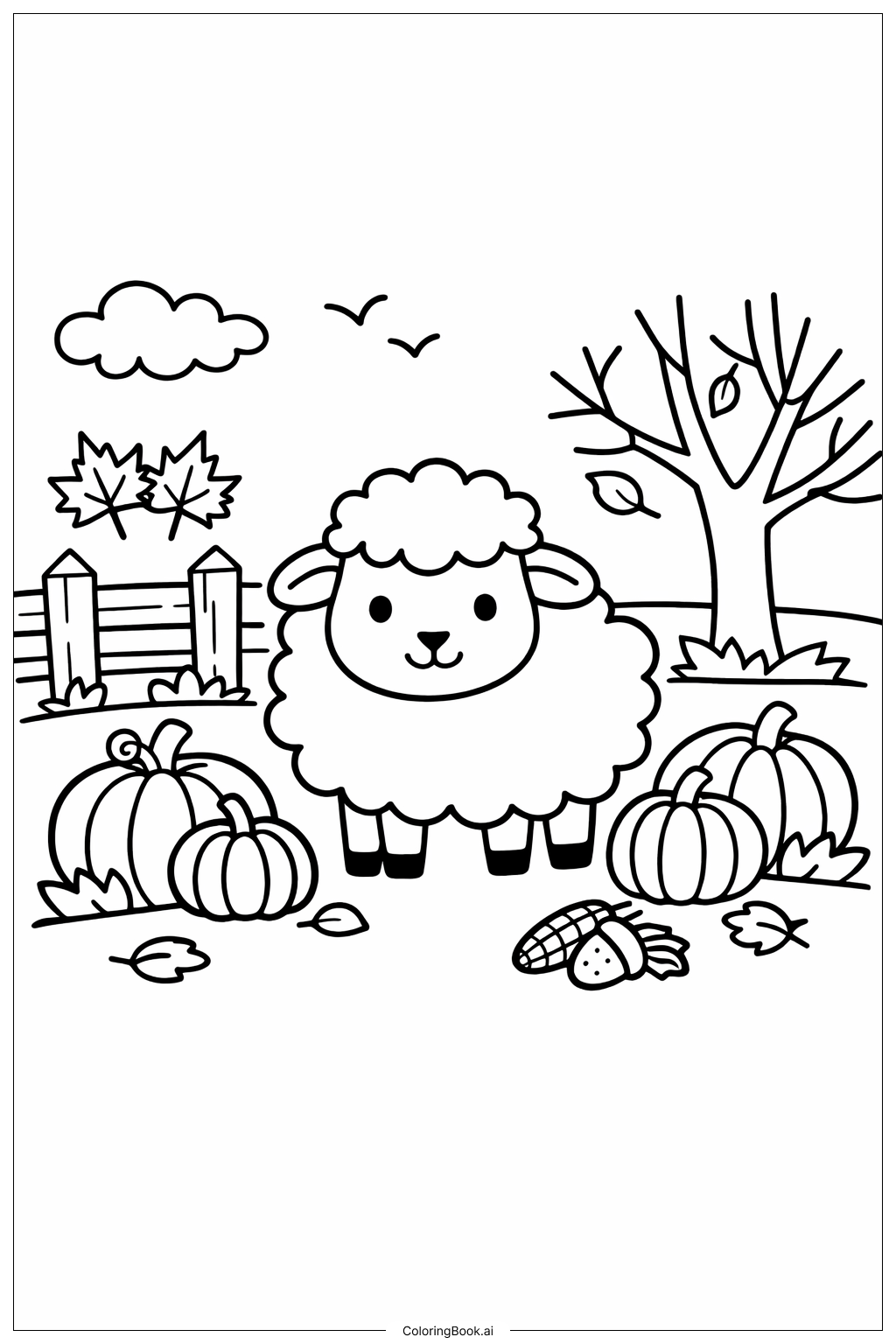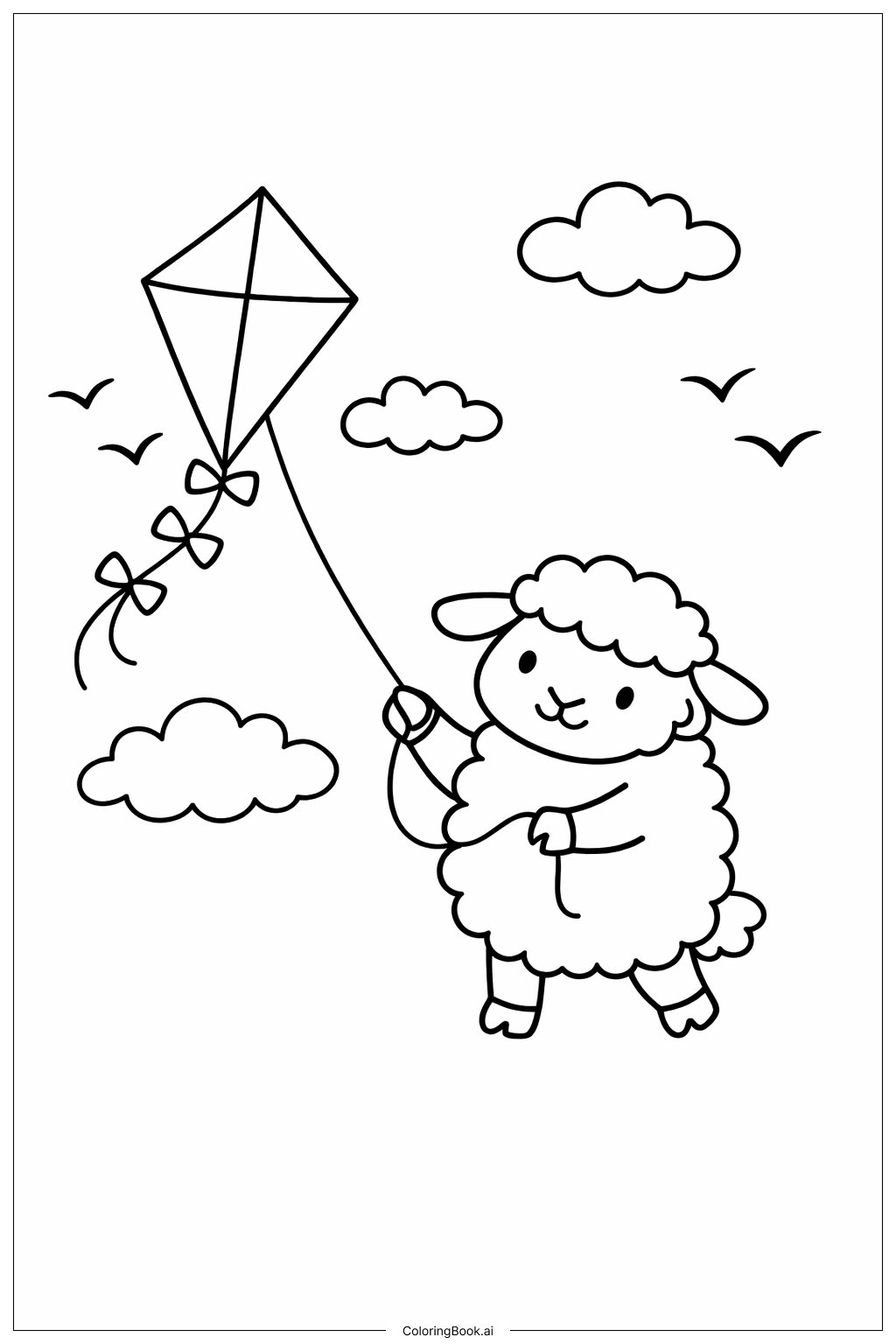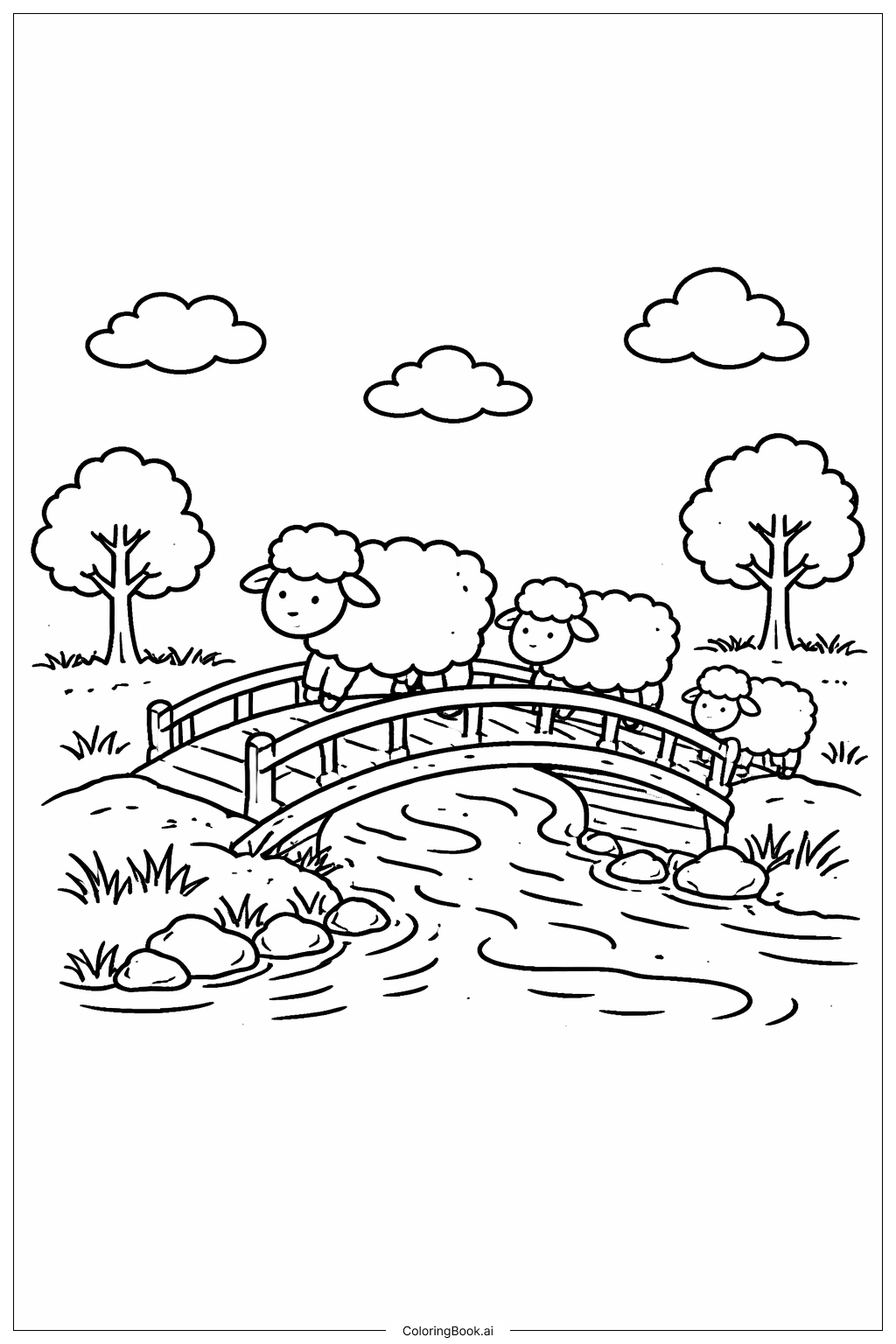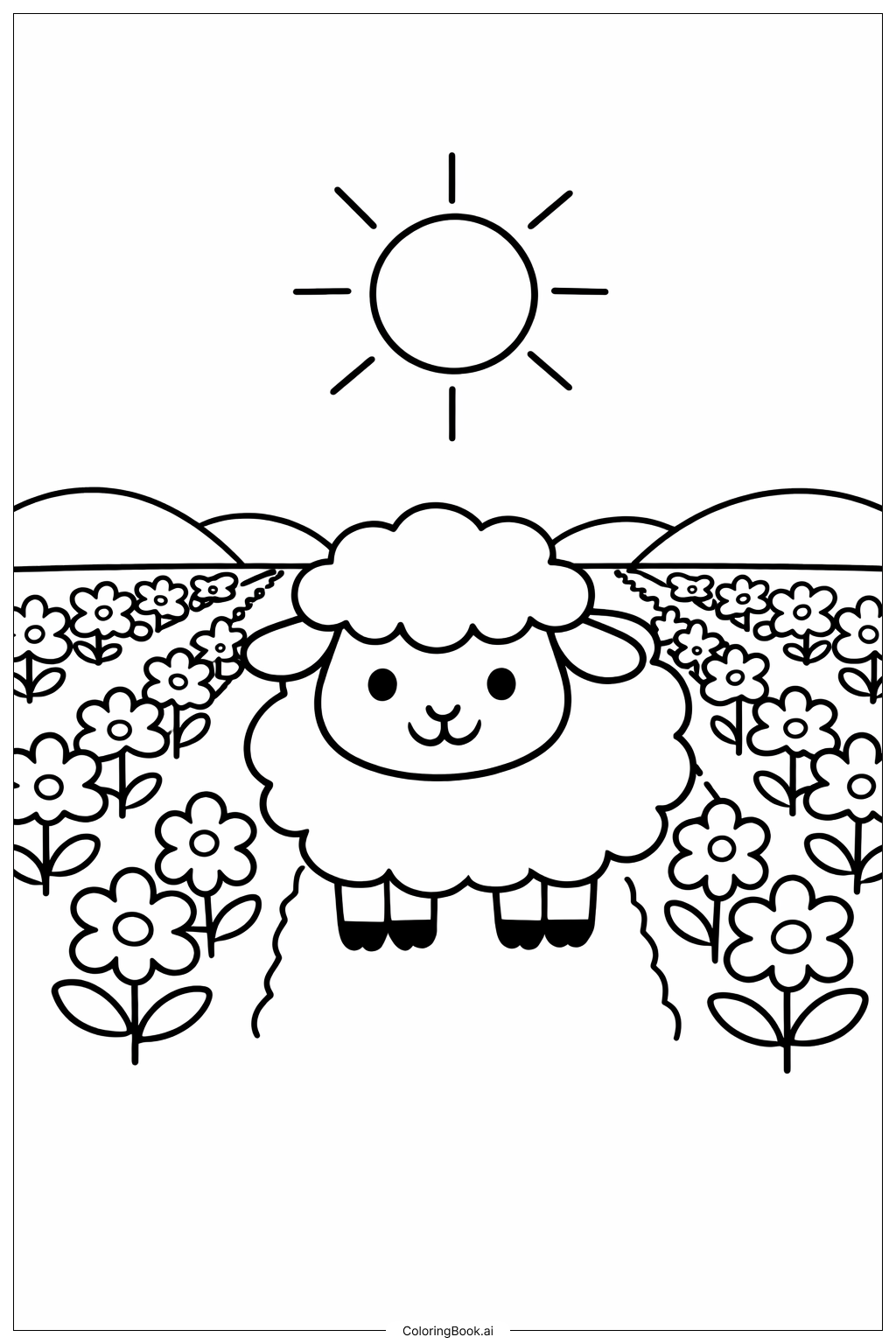
Coloring tips: How to color Sheep Picnic coloring page well?
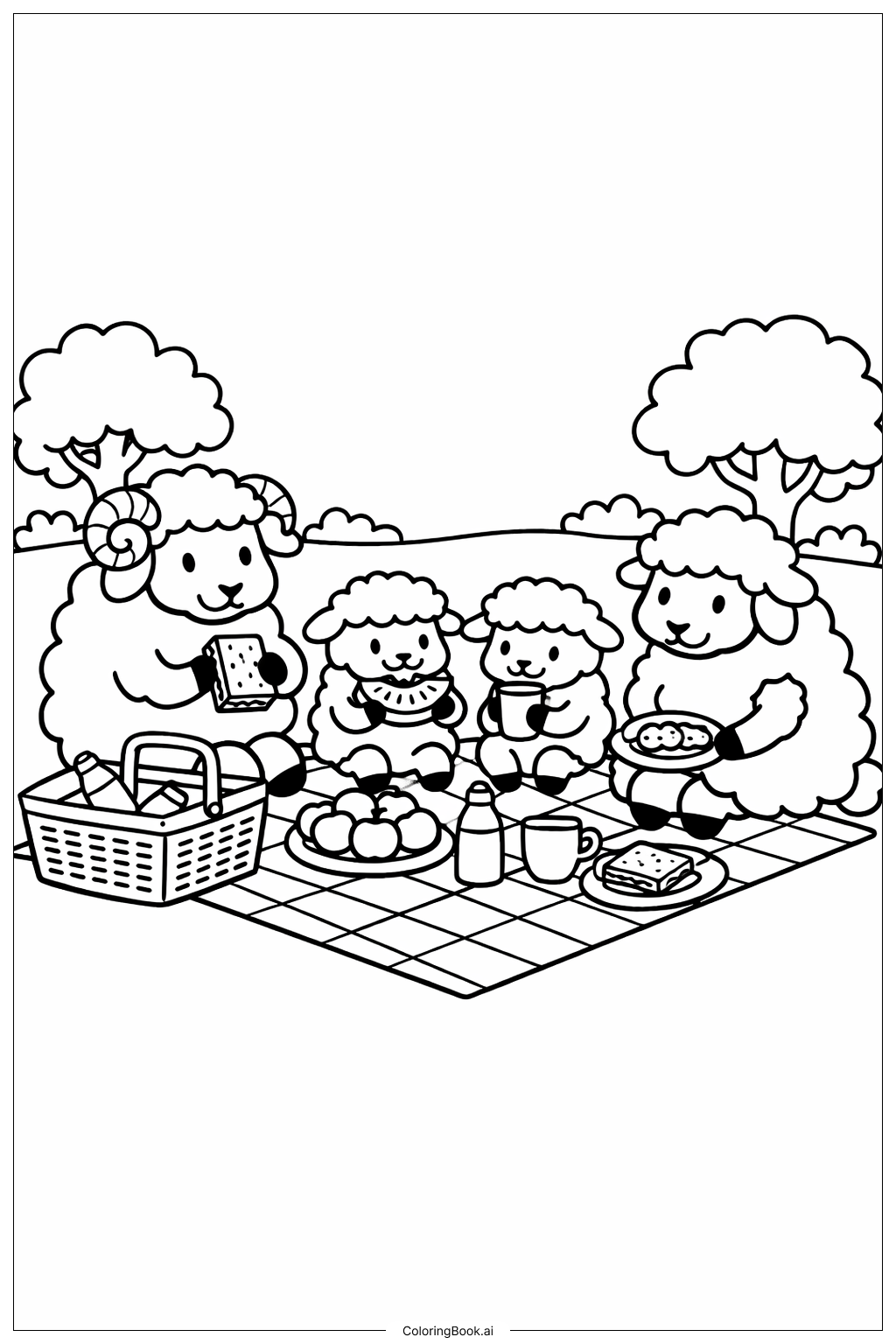
For the sheep, use soft whites, creams, or light grays for the fluffy wool, adding gentle shadows with slightly darker tones to show texture. The face and legs can be done in light gray or tan. Make the picnic blanket pop with bright red and white checks, or choose your favorite color combination like blue and yellow. Color the grass in various shades of green, mixing light and dark tones for a natural look. The picnic basket works well in warm browns or tans, while the pitcher and cups could be cheerful yellows, blues, or reds. Add bright colors to the flowers - pink, purple, yellow, or orange. The food items can be realistic colors like golden brown for bread or vibrant reds and greens for fruits and vegetables. Use a sunny yellow or soft blue for the background sky if you'd like to add atmosphere.
Coloring challenges: Which parts are difficult to color and need attention for Sheep Picnic coloring page?
• Wool Texture Details: The sheep's fluffy coat features numerous curved lines and swirls representing wool texture. Coloring these small, repetitive patterns requires patience and careful attention to stay within the lines. Children may find it challenging to maintain consistent pressure and color intensity across all the wool curls while creating a soft, natural appearance.
• Checkered Blanket Pattern: The picnic blanket has a geometric checkered pattern with multiple small squares that need alternating colors. Keeping track of which squares to color and maintaining neat edges between contrasting colors demands focus and precision. Younger children might struggle with the repetitive nature and staying organized with the pattern.
• Small Detailed Objects: The picnic scene contains several small items like cups, plates, food items in the basket, and flowers that require careful coloring within tight spaces. These small areas can be difficult for children with developing fine motor skills, and switching between different colors for various objects requires planning and coordination.
• Layering and Depth: Creating a sense of depth in the scene by using different shades for foreground grass, the blanket, and background elements requires understanding of color relationships. Children may find it challenging to select appropriate color variations that make objects stand out from each other while maintaining a harmonious overall picture.
Benefits of coloring books: Advantages of drawing Sheep Picnic coloring page
Coloring this charming sheep picnic scene helps children develop fine motor skills and hand-eye coordination through detailed work on the wool texture and small objects. The variety of elements - from the geometric blanket pattern to organic flowers and grass - teaches pattern recognition and color organization. Children practice decision-making by choosing color schemes that work together harmoniously. The peaceful outdoor theme encourages creativity and imagination as they envision their own picnic adventures. Working on the repetitive wool curls builds patience and focus, while completing the entire detailed scene provides a strong sense of accomplishment. This page also offers opportunities to discuss healthy foods, nature appreciation, and outdoor activities, making it both educational and relaxing. The cheerful subject matter creates a positive, calming coloring experience suitable for various age groups.