Coloring tips: How to color Shapes Puppy Puzzle coloring page well?
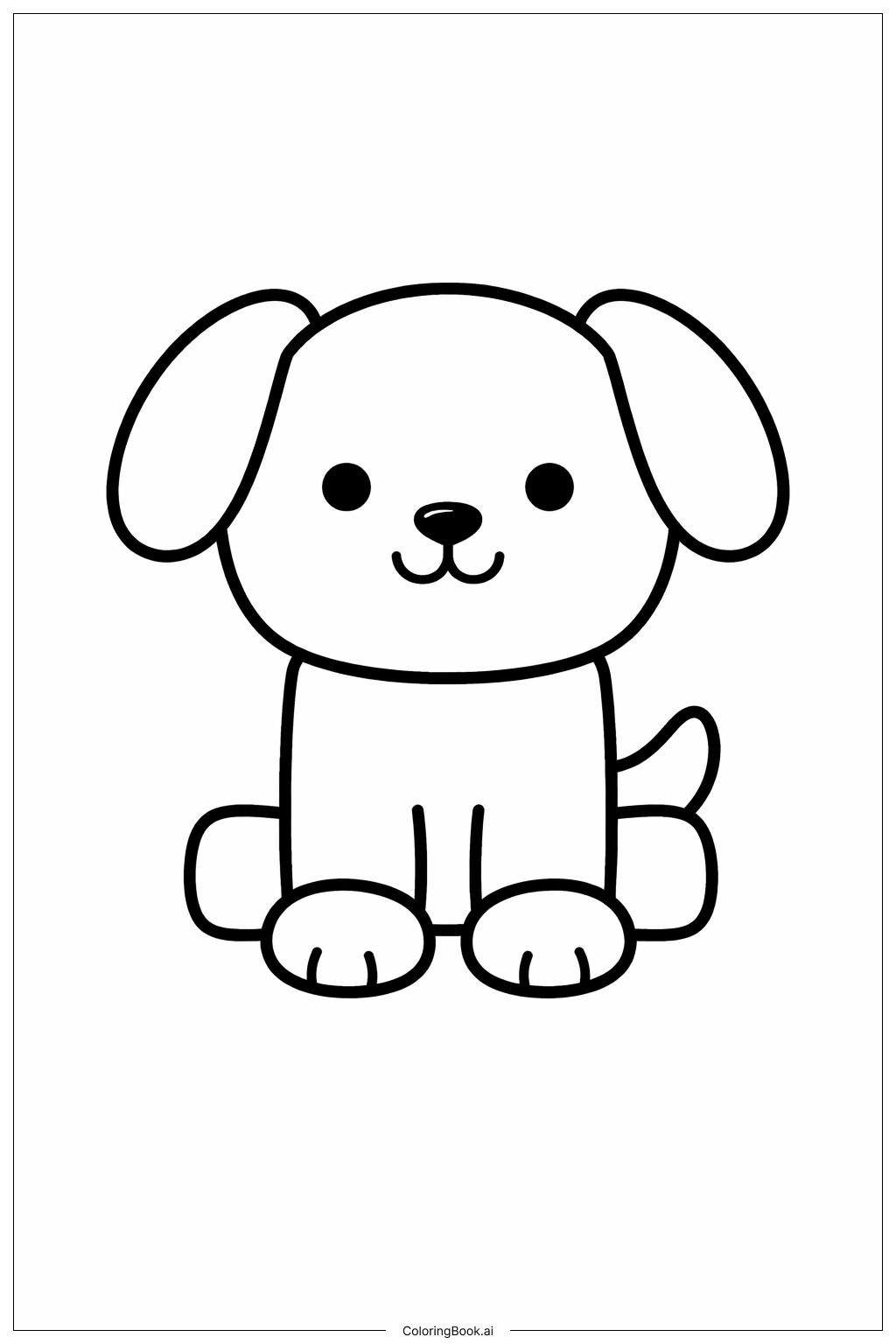
Use bright and warm colors like brown, tan, or cream for the puppy's fur. You can color the ears and tail with a slightly darker shade to add depth. The nose and eyes should be colored black or dark brown. Try using light colors for the background to make the puppy stand out. You can also add a small patch of grass or flowers around the puppy using green and colorful tones. Remember to color slowly and carefully to stay inside the lines. Use crayons, colored pencils, or markers for different effects.
Coloring challenges: Which parts are difficult to color and need attention for Shapes Puppy Puzzle coloring page?
1. Coloring inside the small areas like the nose, eyes, and the toes on the paws can be tricky for younger children who are still developing fine motor skills.
2. Deciding on different shades for the ears, tail, and body of the puppy might be challenging for kids who are learning about color blending.
3. Keeping the colors consistent and even within the larger areas like the puppy's body without going outside the lines requires concentration.
4. Adding background details such as grass or flowers can be difficult for children who prefer to focus only on the main subject.
5. Some children might struggle with patience while coloring the entire image neatly without rushing.
Benefits of coloring books: Advantages of drawing Shapes Puppy Puzzle coloring page
Coloring this puppy image helps improve hand-eye coordination and fine motor skills as kids try to fill in the shapes carefully. It encourages creativity as children choose colors and decide where to use them. Coloring also teaches focus and patience because kids need to color within the lines and take their time to finish the picture. This activity can be calming and relaxing, reducing stress while providing a sense of accomplishment when done. Overall, coloring helps develop artistic skills and boosts confidence in young learners.