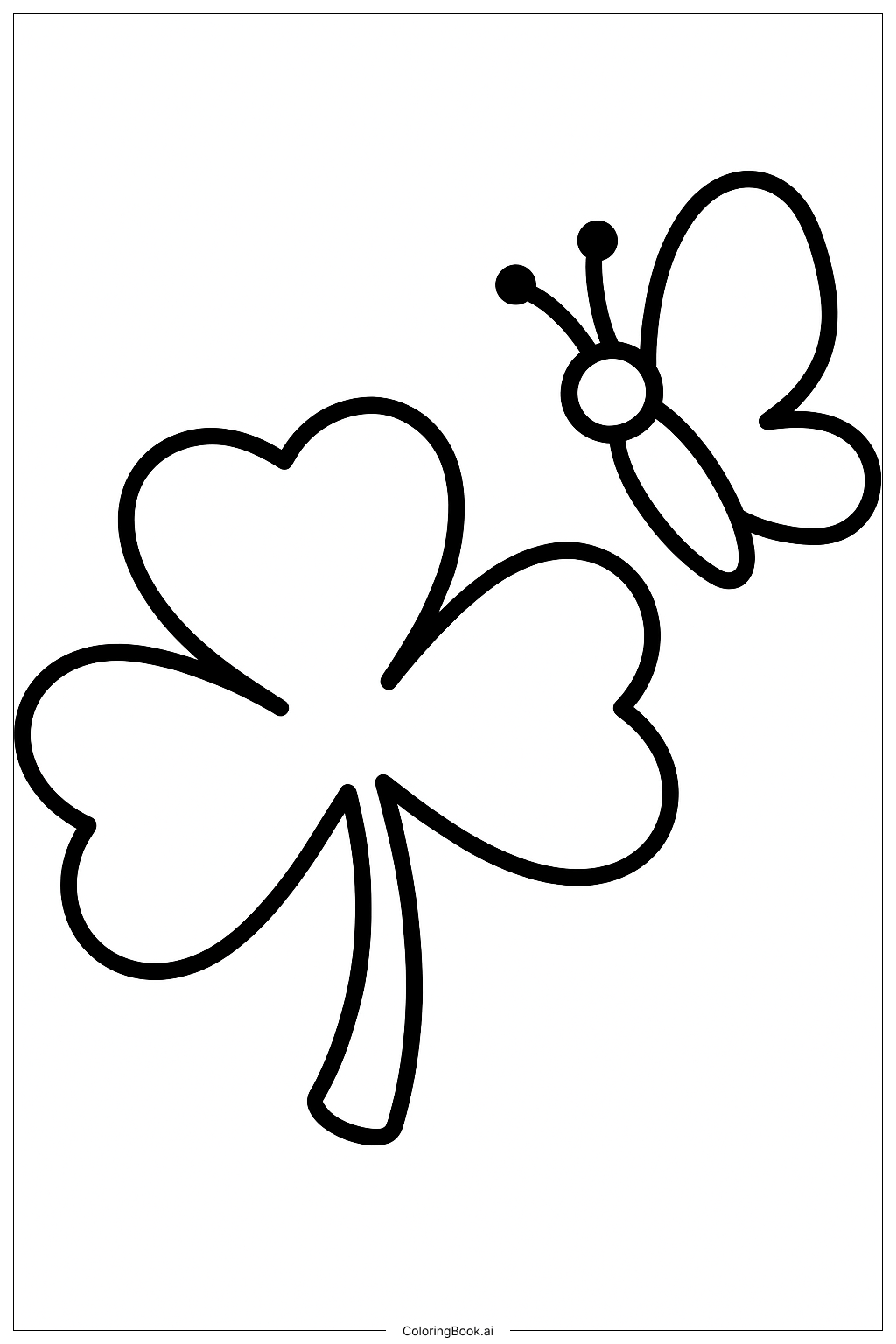
Coloring tips: How to color A Simple Shamrock And A Butterfly coloring page well?
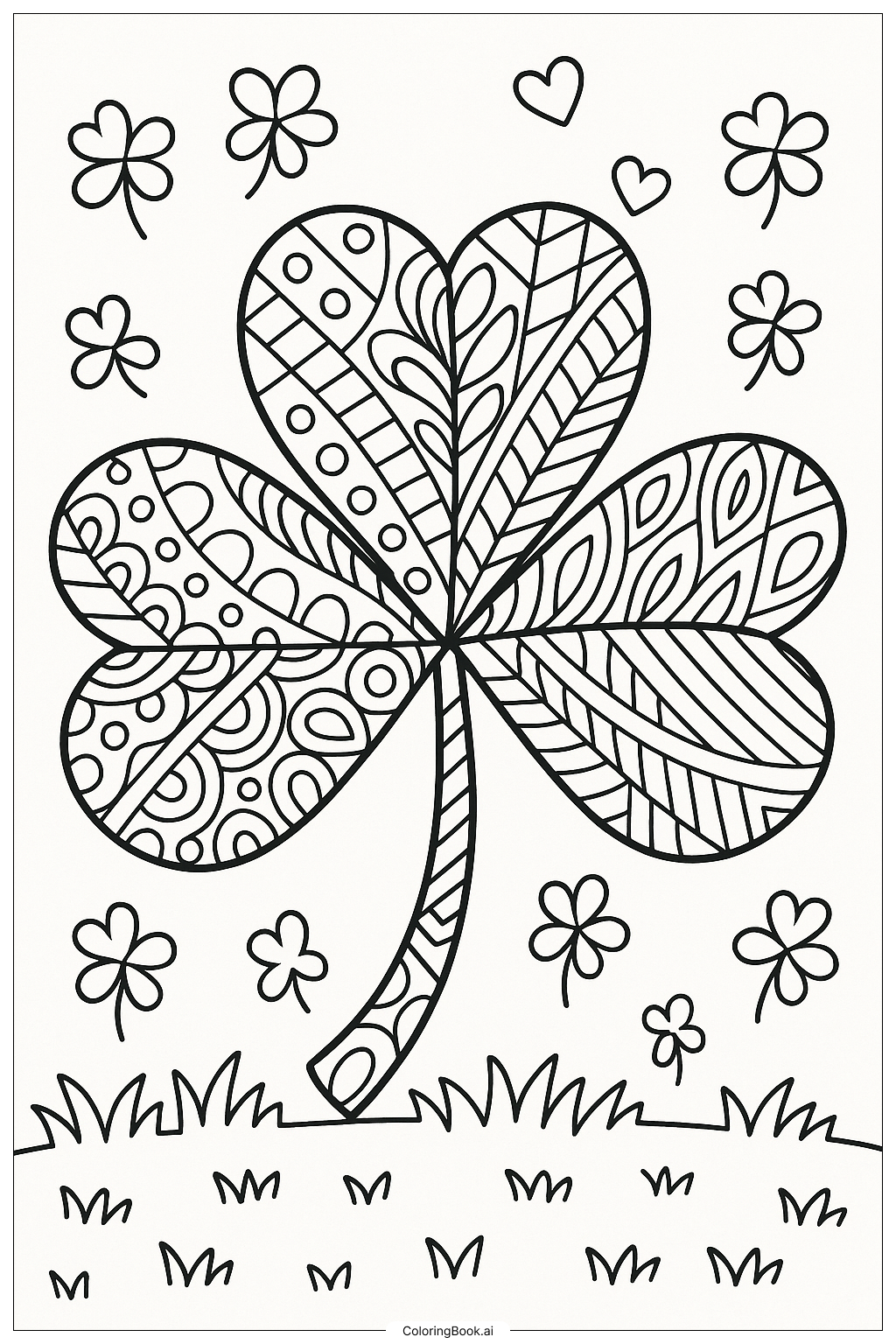
Start with the shamrock leaves. Use bright green for the leaflets — a classic medium green works great, or try a mix of light and dark green to give each leaf some depth. You can add a slightly darker green along the edges to make the leaves look rounded and full. Color the stem in a warm brown or darker green. For the butterfly, let your imagination run free! Try soft yellows, oranges, or blues for the wings. You can make both wings match or try different shades on each for a fun look. Add spots or swirls inside the wings to give it extra personality. Use a light pencil outline before adding color to stay inside the lines. Colored pencils, crayons, or watercolors all work wonderfully for this page. Keep your colors bright and cheerful to bring this sweet nature scene to life.
Coloring challenges: Which parts are difficult to color and need attention for A Simple Shamrock And A Butterfly coloring page?
• Staying Inside the Small Curves: The shamrock leaves are made up of small, rounded heart shapes. Coloring neatly inside each curved edge can be tricky, especially near the points where the leaves meet in the center. Take your time and use the tip of your coloring tool for better control in these tight spots.
• Creating Depth in the Leaves: A flat green can look plain. The challenge is adding light and shadow to make each leaf look round and three-dimensional. Try using a lighter green in the middle of each leaf and a darker shade along the edges to create a natural, lifelike effect.
• Coloring the Butterfly Wings Symmetrically: Butterflies are naturally symmetrical, meaning both sides of the wings should look the same. Matching colors and patterns on each wing can be difficult, especially when working with small details. It helps to plan your color choices before you begin and work on both wings at the same time, section by section.
• Adding Detail to Wing Patterns: The butterfly wings have inner lines and patterns that are very close together. Coloring each section without smudging into the next requires steady hands and a sharp pencil or fine-tipped tool. Working slowly and carefully in these areas will give you the cleanest result.
• Balancing Colors Between the Two Subjects: The shamrock and the butterfly need to complement each other without one overpowering the other. Choosing colors that look good together — like green with yellow, or green with purple — takes a little planning but makes the finished image look really polished and beautiful.
Benefits of coloring books: Advantages of drawing A Simple Shamrock And A Butterfly coloring page
Coloring this page is a wonderful activity for kids and adults alike. It helps build fine motor skills as you carefully color inside the curved lines of the shamrock leaves and the detailed patterns of the butterfly wings. This kind of focused, hand-eye coordination practice is especially great for younger children.
Working with colors encourages creative thinking. Deciding which shades to use for the leaves and wings sparks imagination and helps children learn about color mixing and harmony in a playful, low-pressure way.
This page also teaches patience and focus. Staying inside the lines and matching the butterfly's wings takes concentration, which strengthens attention span over time.
The nature theme — a shamrock and a butterfly — connects kids to the natural world. It can open up fun conversations about plants, insects, and the outdoors, making the activity both educational and creative.
For older colorists and adults, this simple yet detailed page offers a calming, meditative experience. Focusing on the gentle shapes and soft curves helps reduce stress and quiet a busy mind. It is a great way to relax after a long day. Overall, this coloring page brings joy, calm, and creativity to anyone who picks it up.