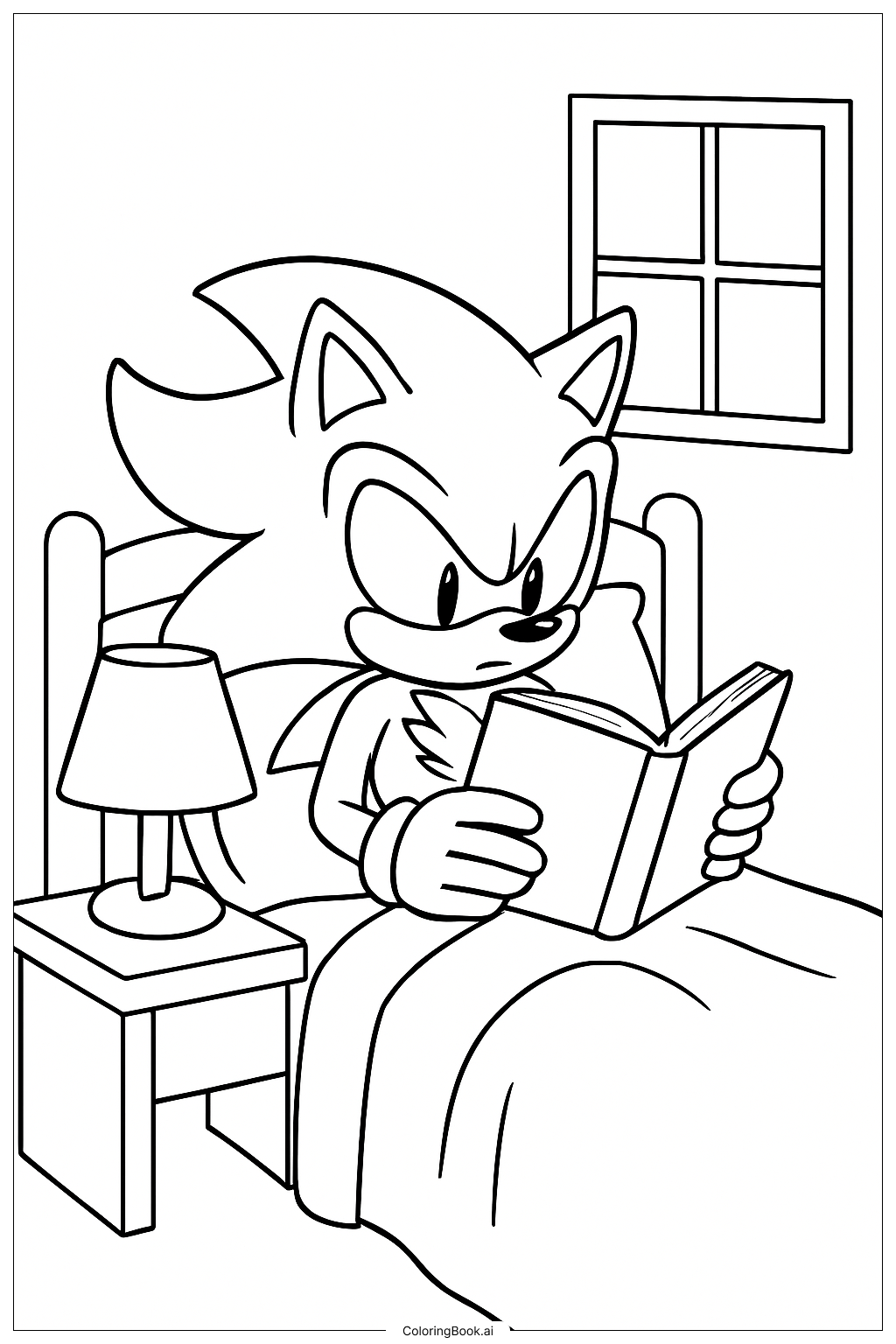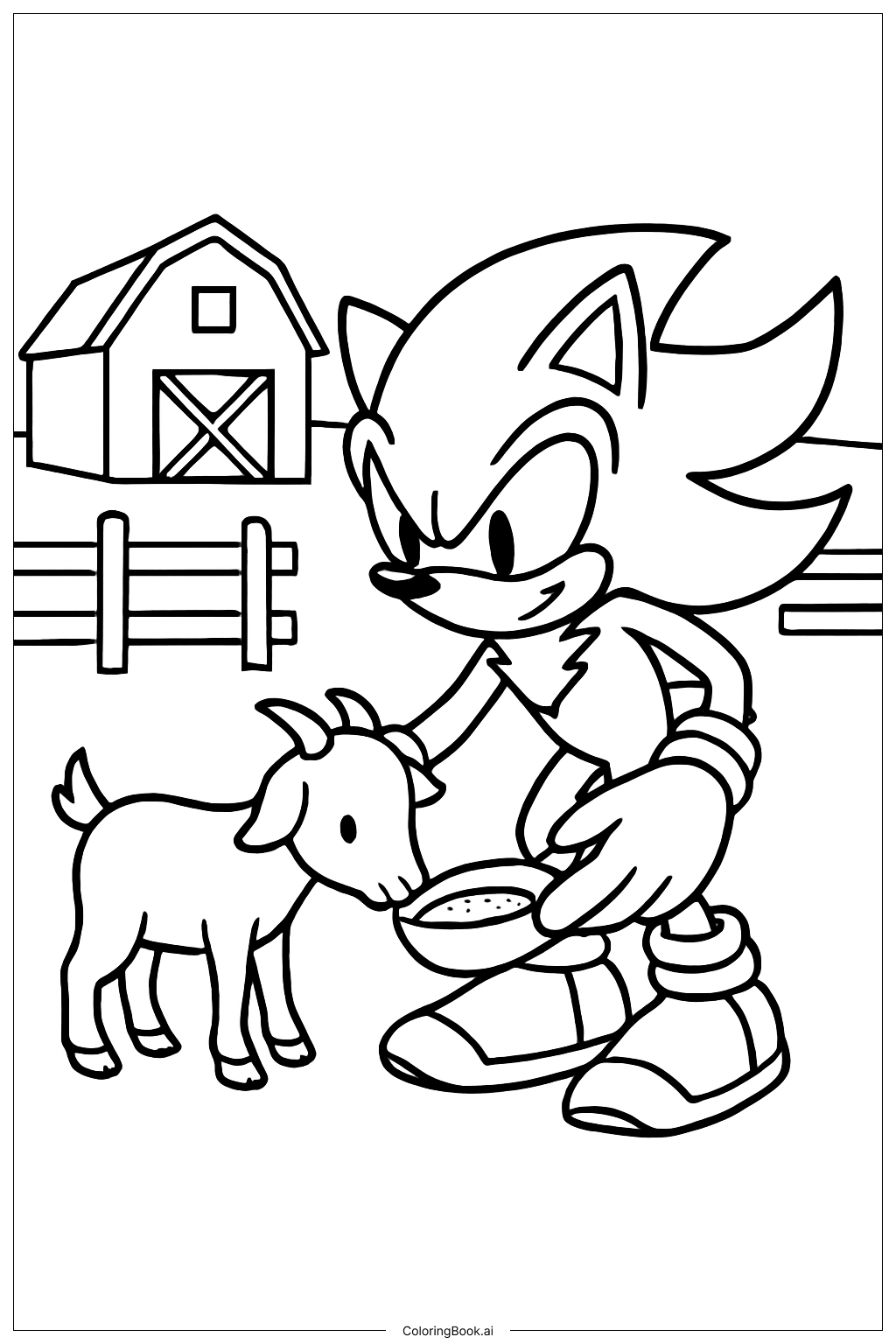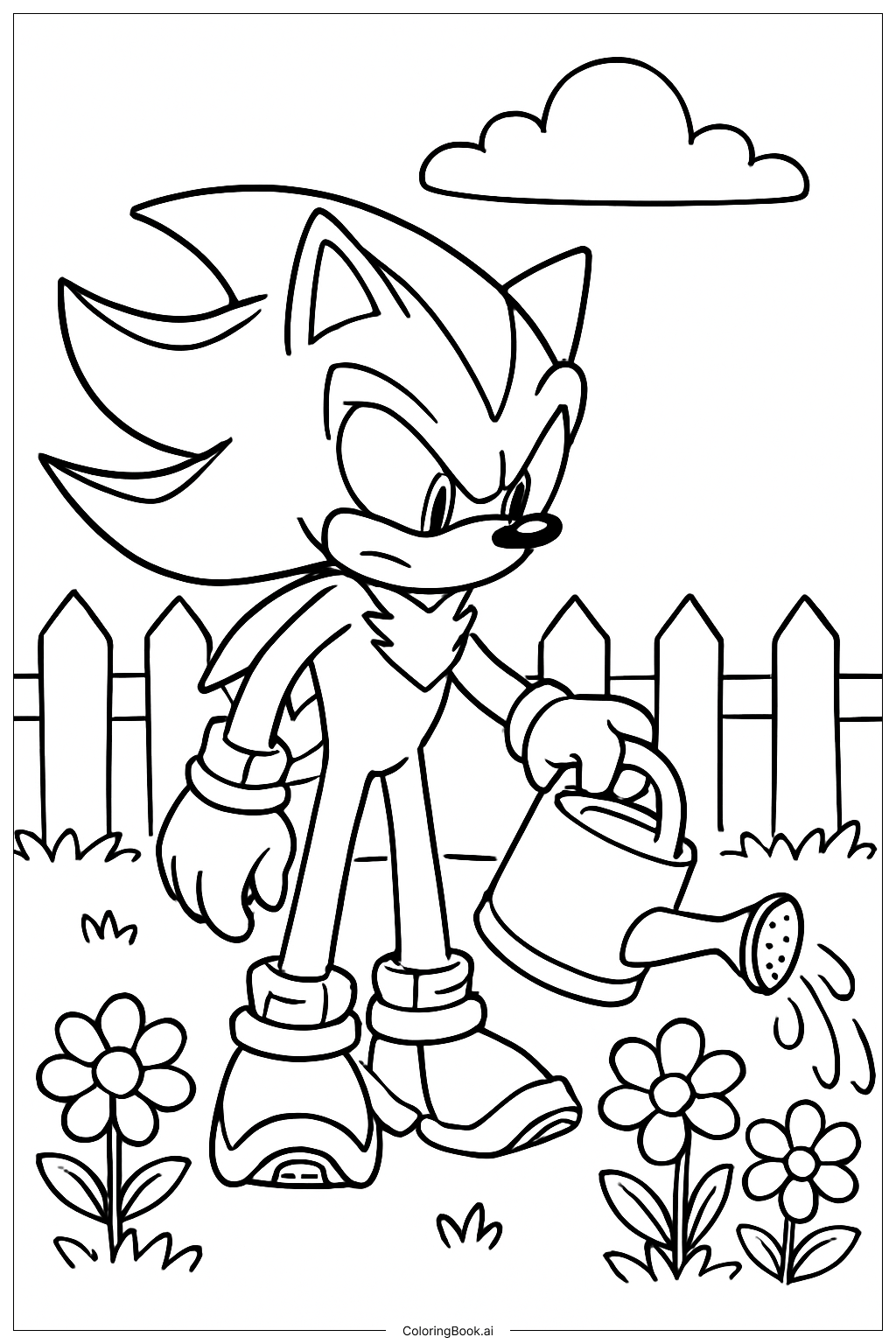
Coloring tips: How to color Shadow Garden Help coloring page well?
For this enchanting scene, you can use different shades of green for the leaves and vines to bring the garden to life. Try light greens for sunlit areas and darker greens where the shadows fall. The flowers can be bright colors like red, yellow, or pink to make them stand out. For the shadows and shadow figure, use soft blues, purples, or grays to give a mysterious but gentle feel. The ground and garden tools may be colored in browns and tans to keep a natural look. Feel free to add some highlights with lighter colors to show where sunlight touches. Mixing warm and cool tones will add depth and magic to your artwork.
Coloring challenges: Which parts are difficult to color and need attention for Shadow Garden Help coloring page?
• Complex Shadow Shapes: The shadow figure and shadows throughout the garden have intricate, flowing shapes. Coloring them evenly while keeping the soft, blended edges can be tricky for younger artists.
• Small Details: The flowers, leaves, and vines include many small parts that require careful coloring to stay inside the lines and preserve the detail.
• Layering Colors: To show sunlight and shade, you may want to blend multiple colors, which needs some practice with layering and shading techniques.
• Contrast Balance: It’s important to balance the contrast between bright flowers and darker shadows so the picture doesn’t look too dull or too busy.
• Texture Variation: Different textures such as smooth petals, rough bark, and soft shadows challenge colorists to use varied strokes and pressure to capture the feel of each element.
Benefits of coloring books: Advantages of drawing Shadow Garden Help coloring page
Coloring this image helps develop careful hand-eye coordination and fine motor skills by working with delicate details and varied shapes. It encourages observation skills as children decide how to show light and shadow realistically. The magical garden theme sparks imagination and creativity, allowing kids to choose colors that bring the scene to life in their own way. Using different coloring techniques here, like blending and layering, builds artistic confidence. It also promotes patience and focus as one carefully colors each part, making the experience both calming and rewarding.