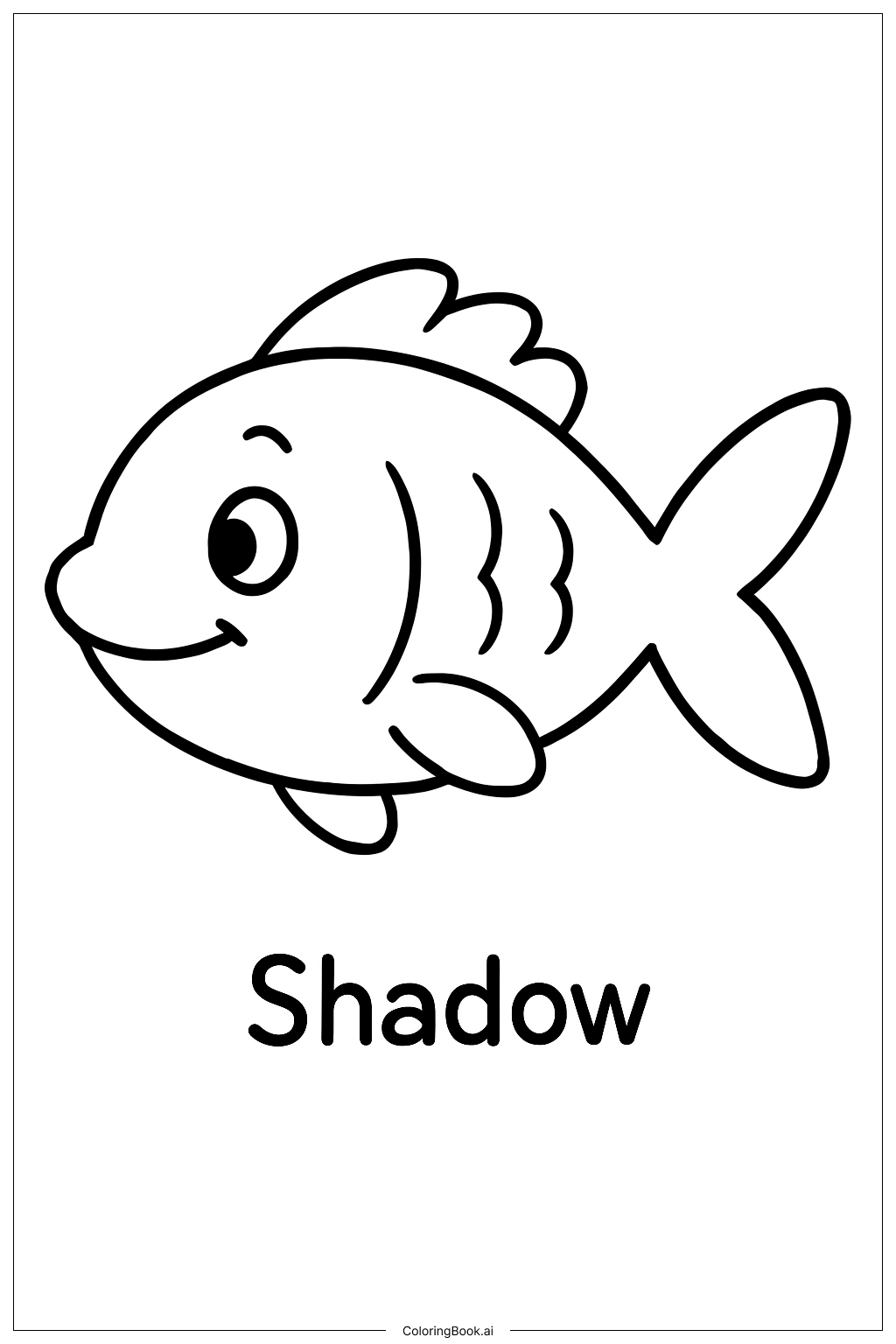
Coloring tips: How to color Shadow Fish Swim coloring page well?
For this Shadow Fish Swim coloring page, try using dark blues, purples, and black for the shadowy fish to keep their mysterious look. You can add hints of lighter colors like silver or pale blue to show light reflecting on their silhouettes. The water and seaweed can be colored in different shades of green, teal, and turquoise to create contrast with the dark fish. Feel free to blend colors softly in the background to give a sense of moving water. Using crayons or colored pencils will help you layer colors gently and create smooth transitions between shadows and light.
Coloring challenges: Which parts are difficult to color and need attention for Shadow Fish Swim coloring page?
• Shading Depth: Capturing the right level of darkness for the shadow fish while keeping them distinct can be tricky. You need to balance solid coloring with gentle shading to avoid flattening the image.
• Contrast Management: The fish are surrounded by water and plants with flowing lines, so it can be challenging to keep the shadow fish clearly visible against similar colors.
• Small Details: Some fish and parts of seaweed have thin outlines that require careful coloring without going outside the lines.
• Smooth Blending: Creating the illusion of water movement with soft color transitions demands patience and practice in blending colors well.
• Maintaining Clean Edges: Because the fish silhouettes are the focus, it’s important to color precisely around their edges to keep the shapes sharp and clear.
Benefits of coloring books: Advantages of drawing Shadow Fish Swim coloring page
Coloring this Shadow Fish Swim image helps develop fine motor skills by encouraging careful coloring within detailed shapes. It also enhances focus and patience as you work to create smooth shading and contrast. Engaging with the underwater theme sparks imagination and creativity, allowing you to explore how light and shadow work together. Additionally, blending colors in this scene builds a better understanding of color theory and depth. Overall, this coloring page provides a relaxing way to improve artistic techniques while having fun bringing the mysterious underwater shadows to life.