Coloring tips: How to color A Seahorse With A Big Eye coloring page well?
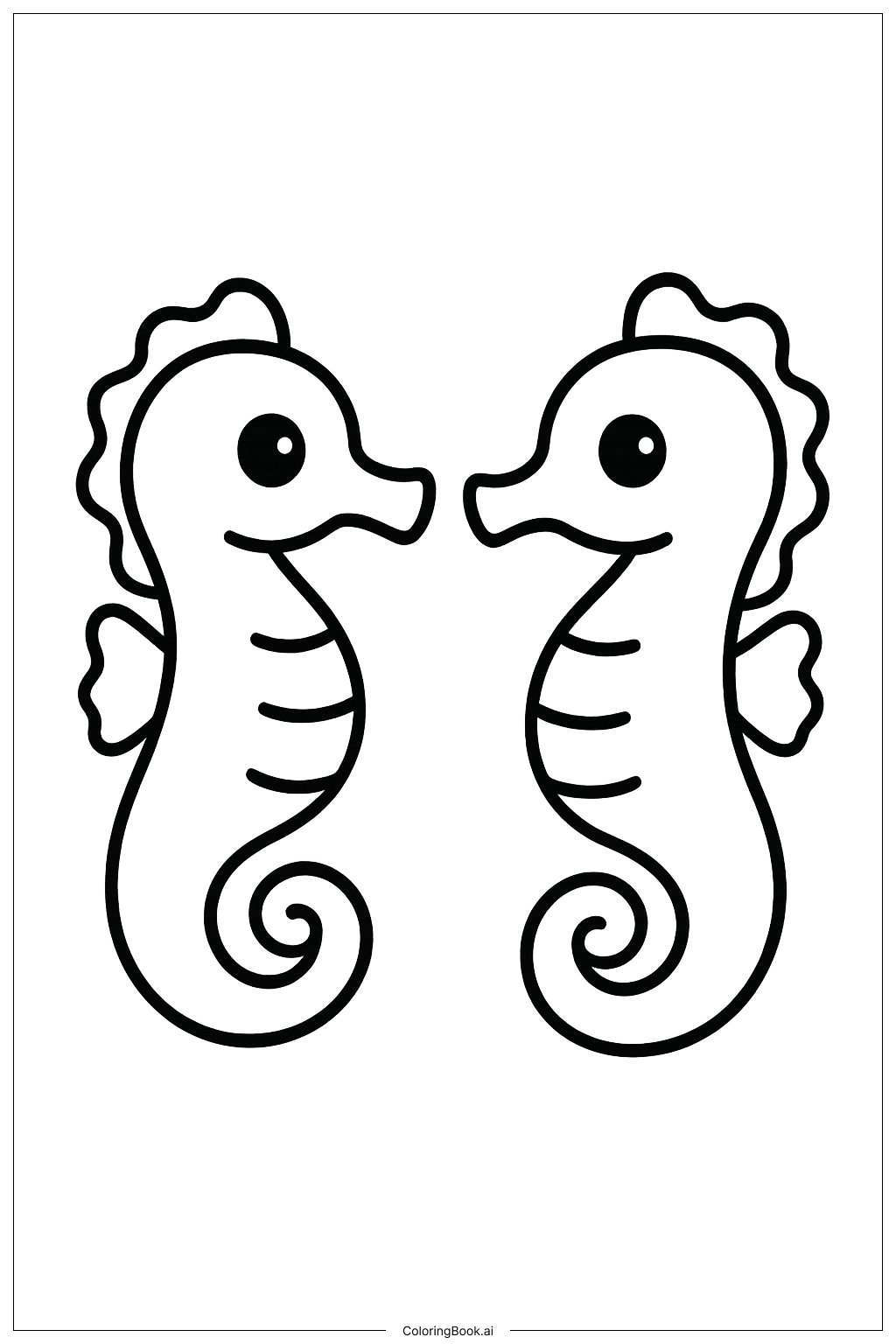
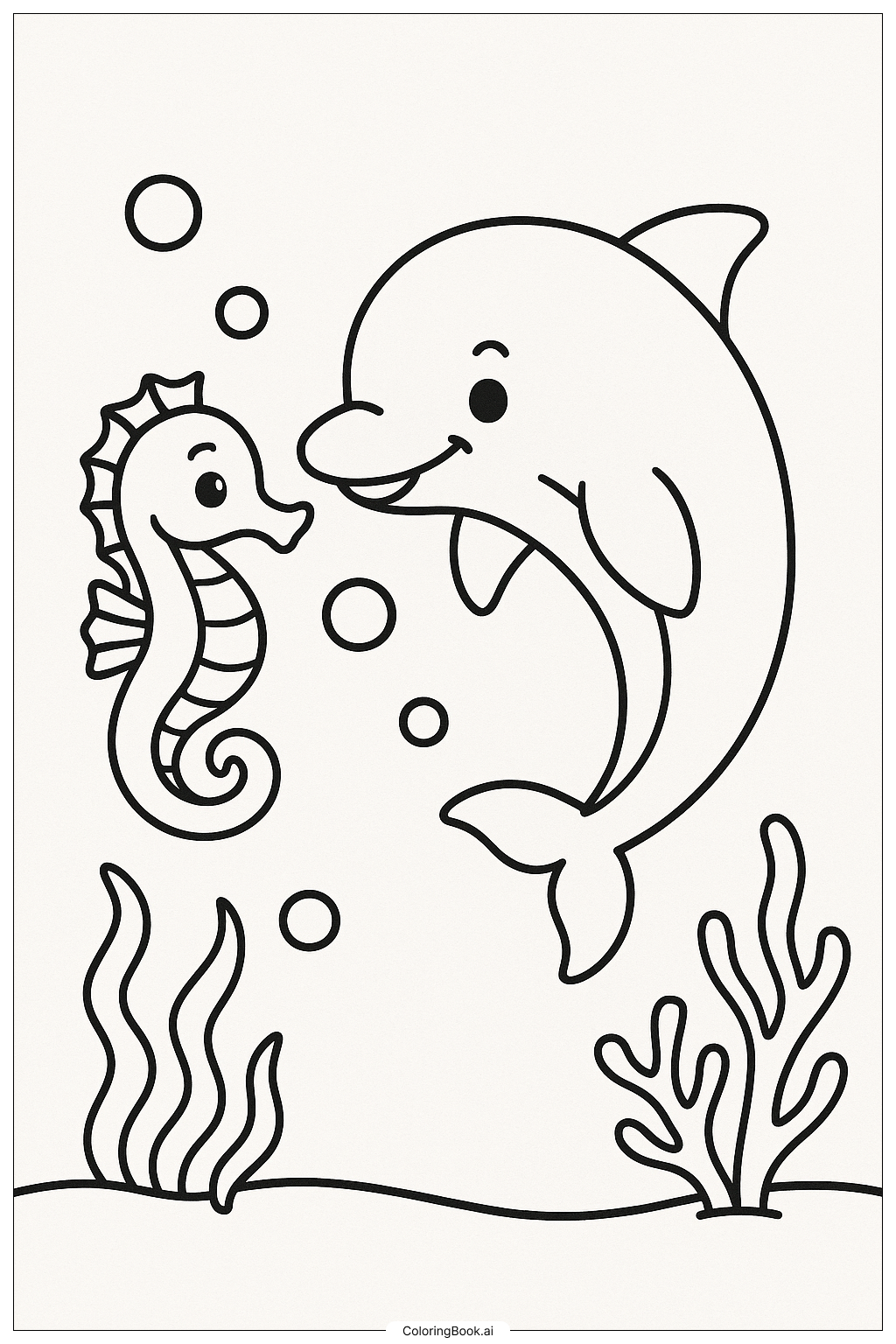
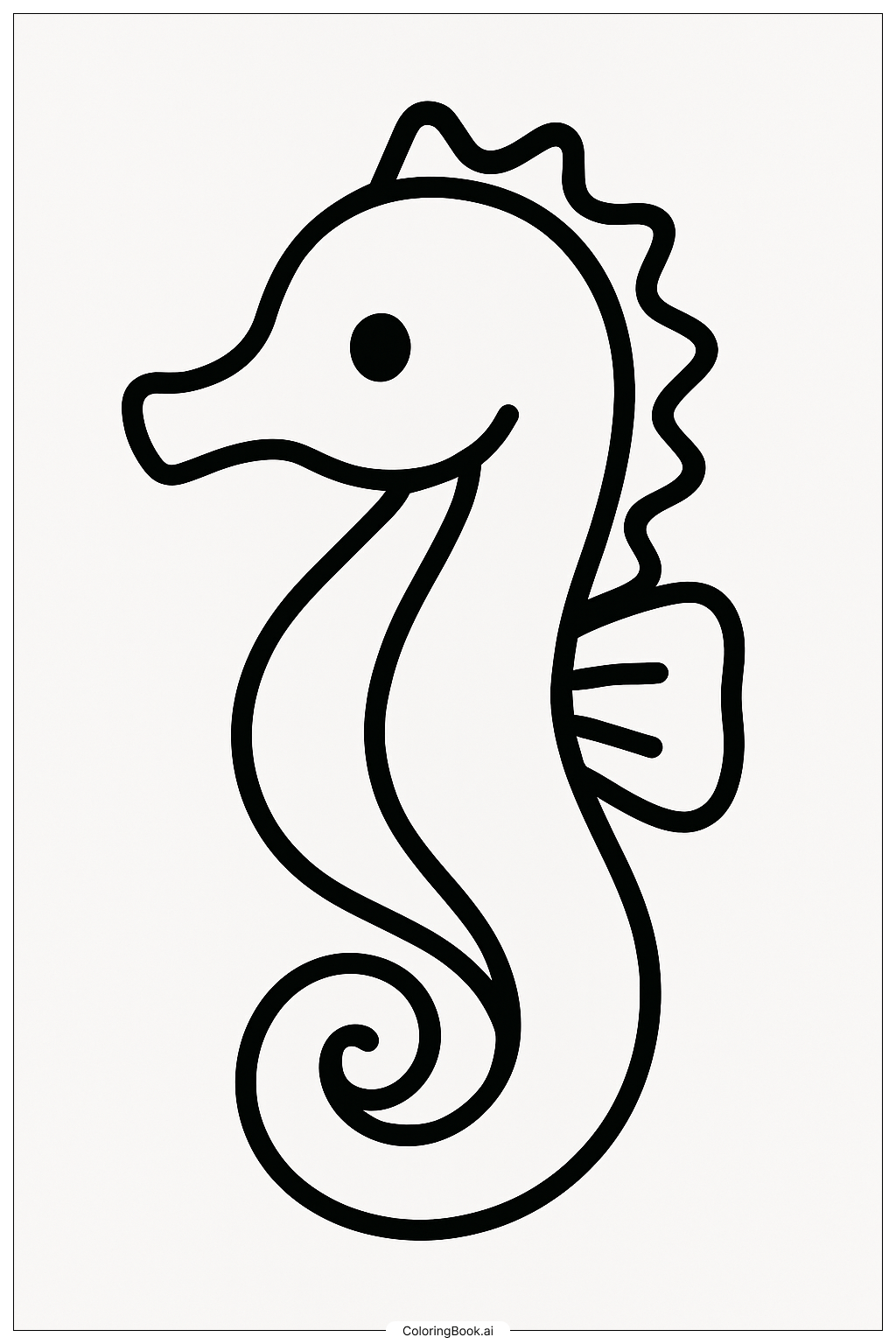
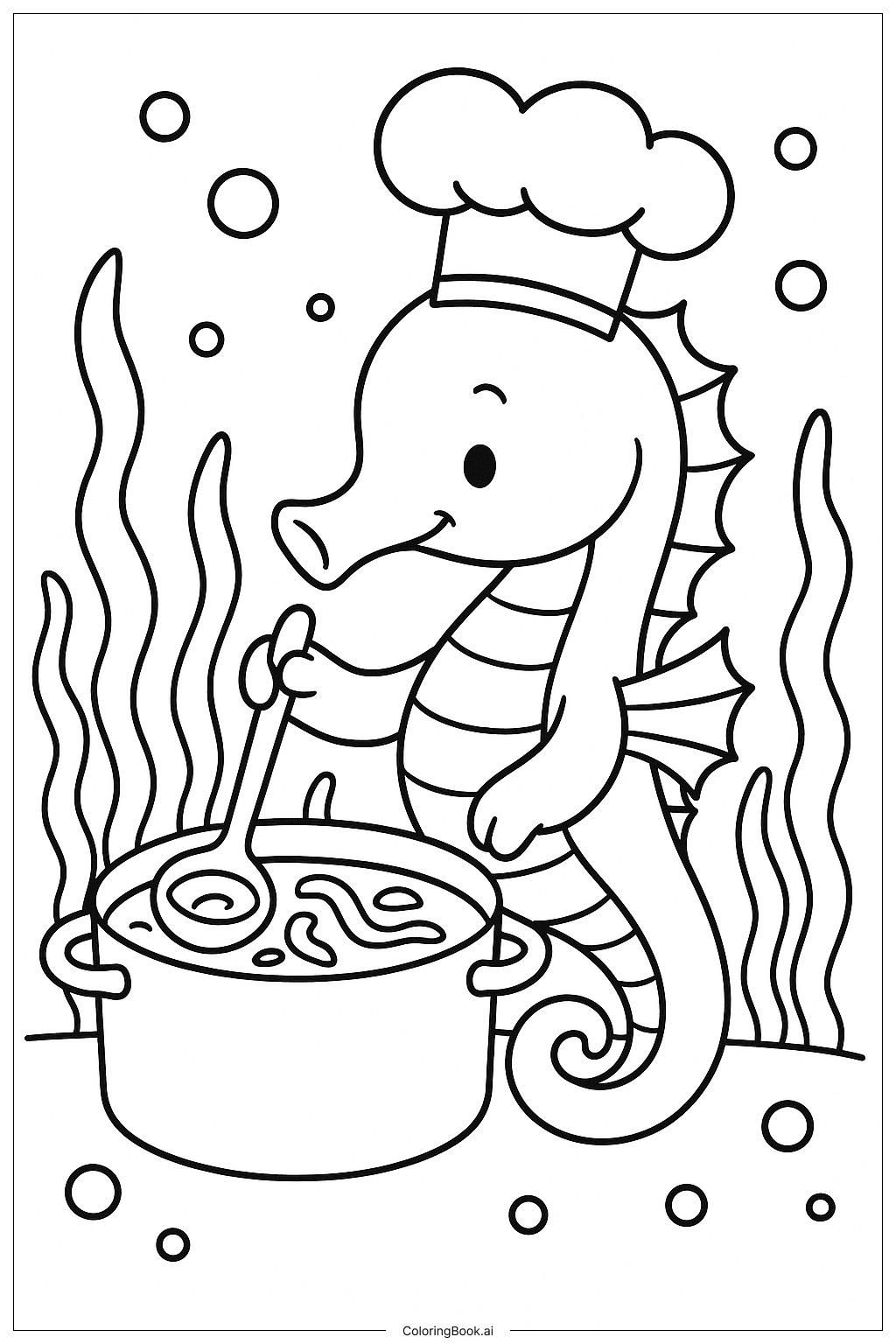
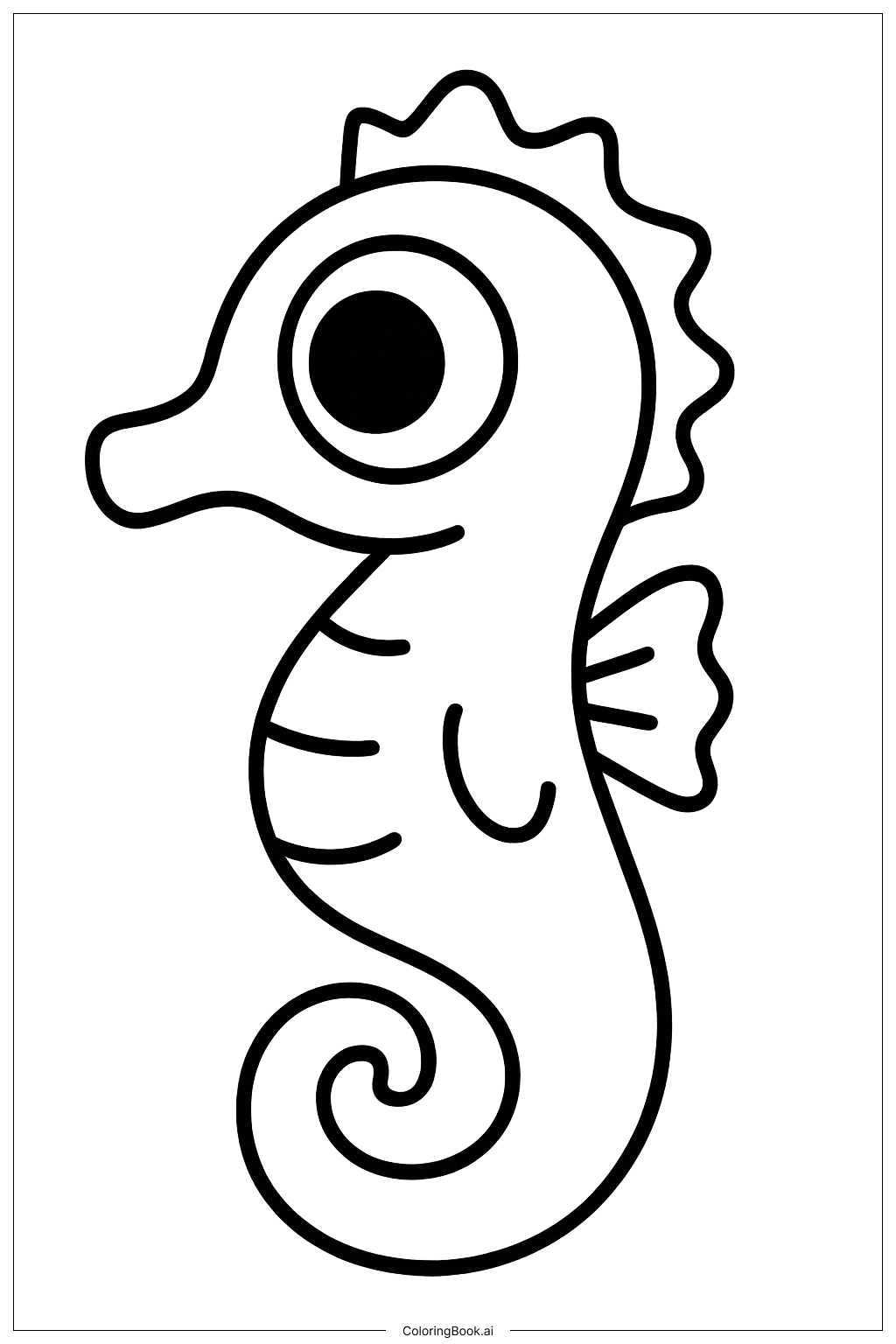
Start with the big eye to make it stand out. Color the iris a bright blue, green, or golden yellow. Leave a small white dot in the eye to make it look shiny and alive. For the body, try warm ocean colors like orange, yellow, or golden brown — these are the colors real seahorses often have. You can also use bright fantasy colors like purple, teal, or pink to make it more fun. Color each body segment slightly differently to show the texture. Use a darker shade along the edges of each ring to add depth. The curled tail can be a slightly different shade to make it pop. Add soft blue or aqua tones in the background to create an underwater feel. Kids can also add dots, stripes, or small patterns on the body rings for extra creativity.
Coloring challenges: Which parts are difficult to color and need attention for A Seahorse With A Big Eye coloring page?
• The Large Eye Detail: The oversized eye is the focal point of the image. It has multiple layers — an outer ring, an iris, a pupil, and a highlight spot. Coloring each layer carefully without smudging or overlapping takes patience and a fine-tipped coloring tool. Keeping the highlight white or very light is especially tricky for younger colorists.
• The Segmented Body Rings: The seahorse body is made up of many small, curved bony segments stacked from head to tail. Each ring is a separate shape. Staying inside the lines of each individual segment without spilling into the next requires a steady hand and careful control. This is one of the most time-consuming parts of the image.
• Showing Texture and Depth: A seahorse has a naturally bumpy, three-dimensional surface. Recreating that raised, armored look using flat color takes skill. Colorists need to use shading — applying darker tones along edges and lighter tones in the center of each segment — to make the body look rounded rather than flat.
• The Curled Tail: The tail curves inward in a tight spiral. The inner and outer curves of the spiral need slightly different shading to show the twisting shape. This small, detailed area is hard to fill neatly, especially for children using crayons or thick markers.
• The Tiny Fins: The seahorse has small, delicate fins near the head and along the back. These fine details have very little space to color inside. Using a sharp colored pencil or a fine-tipped marker works best here to avoid coloring outside the lines.
Benefits of coloring books: Advantages of drawing A Seahorse With A Big Eye coloring page
Coloring this seahorse page offers a wide range of benefits for children of all ages. The large, friendly eye makes it immediately appealing and encourages kids to pick up their colors and get started right away. Working through the many segmented body rings helps children build fine motor skills and hand control as they practice staying within small, curved lines. This kind of focused work also improves concentration and attention to detail — skills that are valuable in school and everyday life. Choosing colors for the body, eye, and background sparks creativity and lets children express their own sense of style. There are no wrong color choices here, which builds confidence. Shading the body segments to create depth introduces basic art concepts in a simple, hands-on way. The calm, repetitive motion of coloring is also great for relaxation and stress relief, even for young children. Learning about seahorses while coloring can spark curiosity about ocean life and nature. Overall, this page is a fun, rewarding activity that blends artistic expression with learning.