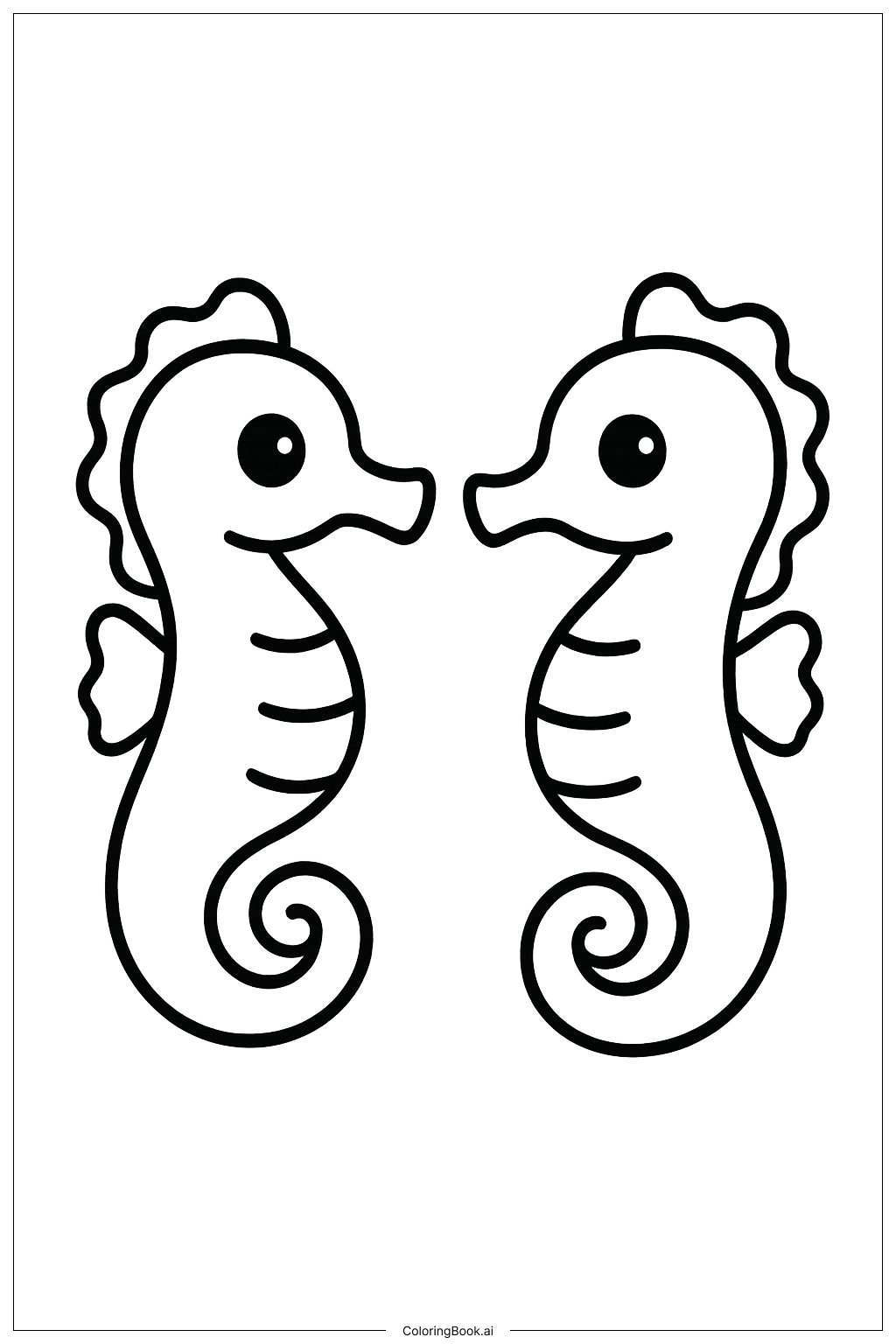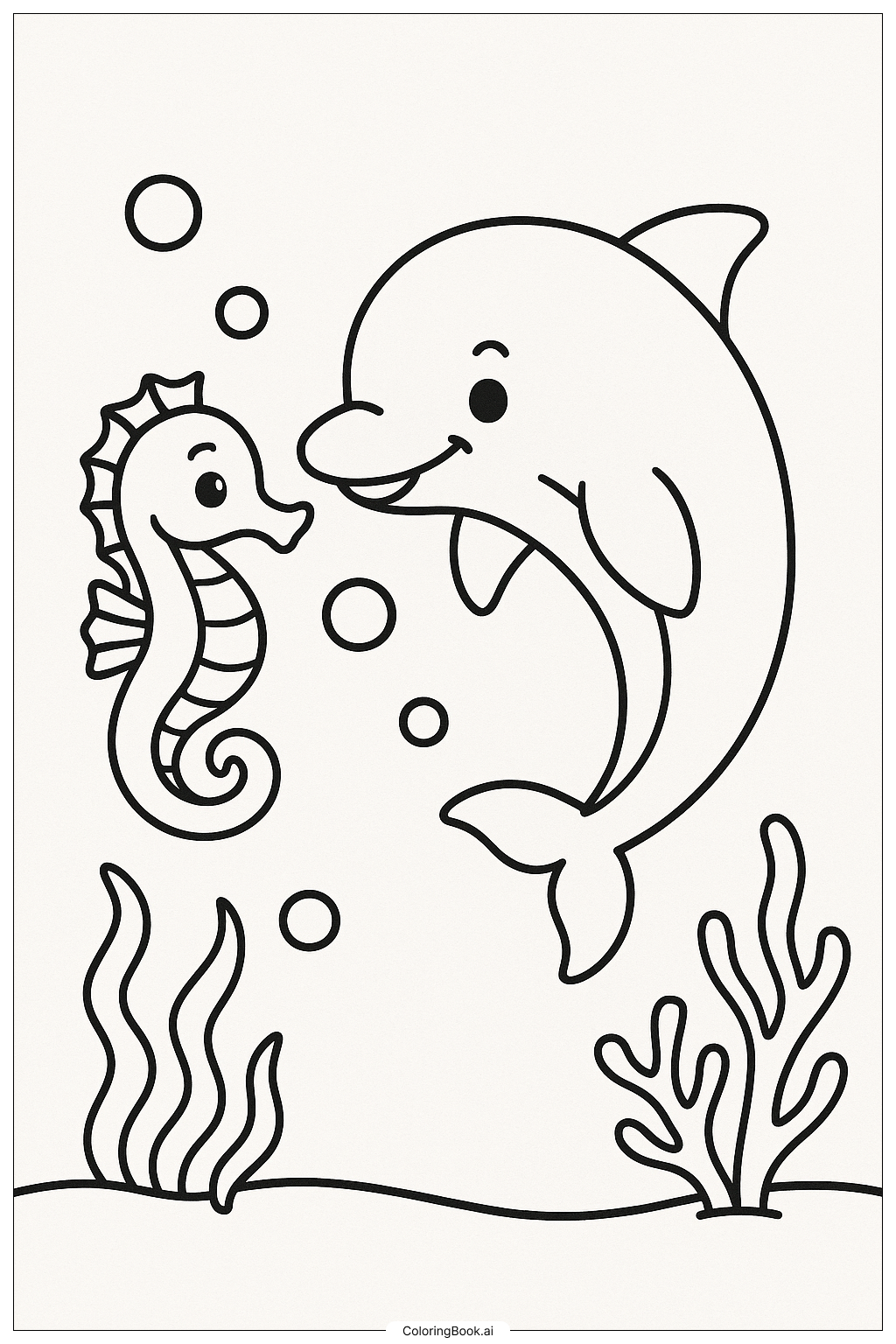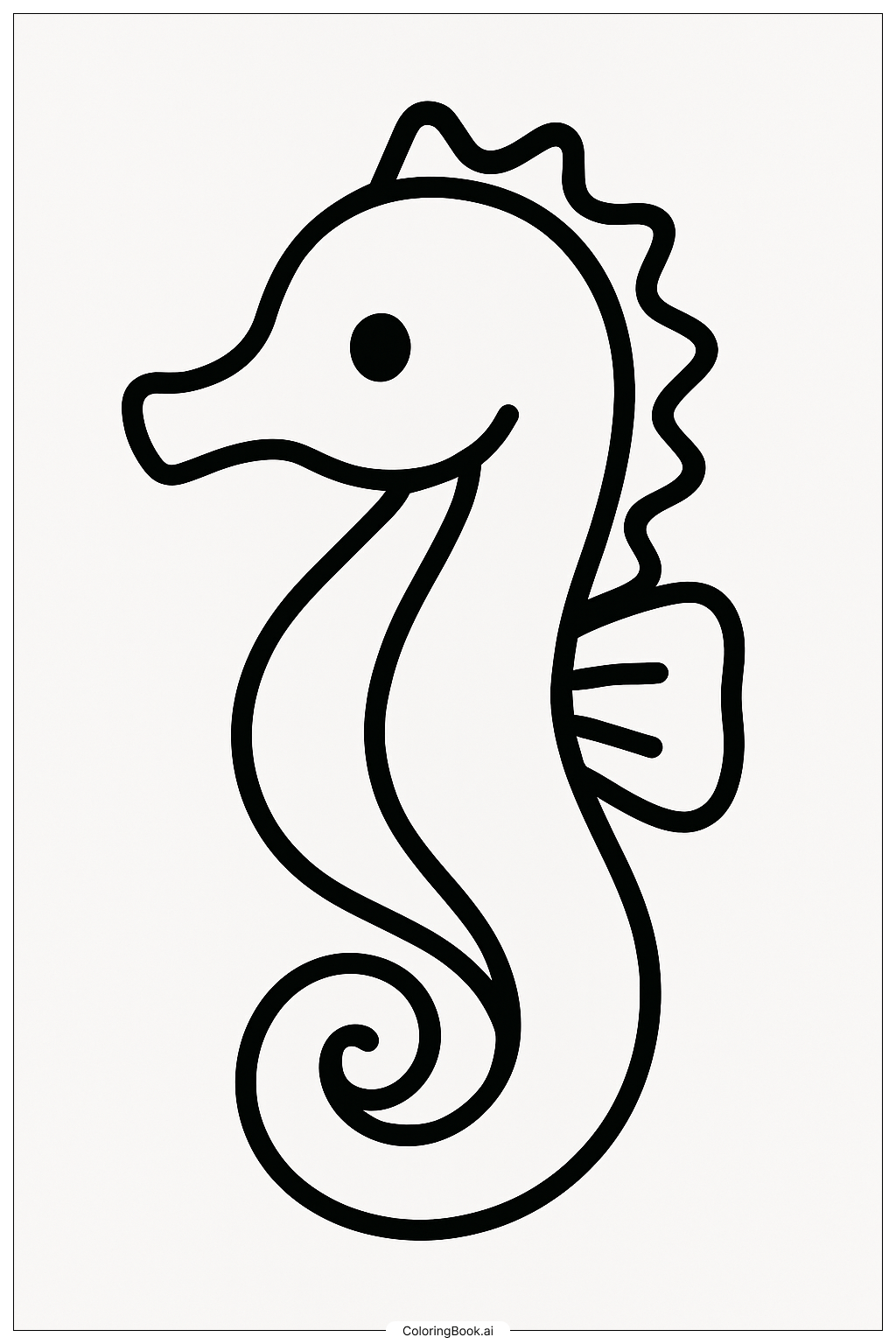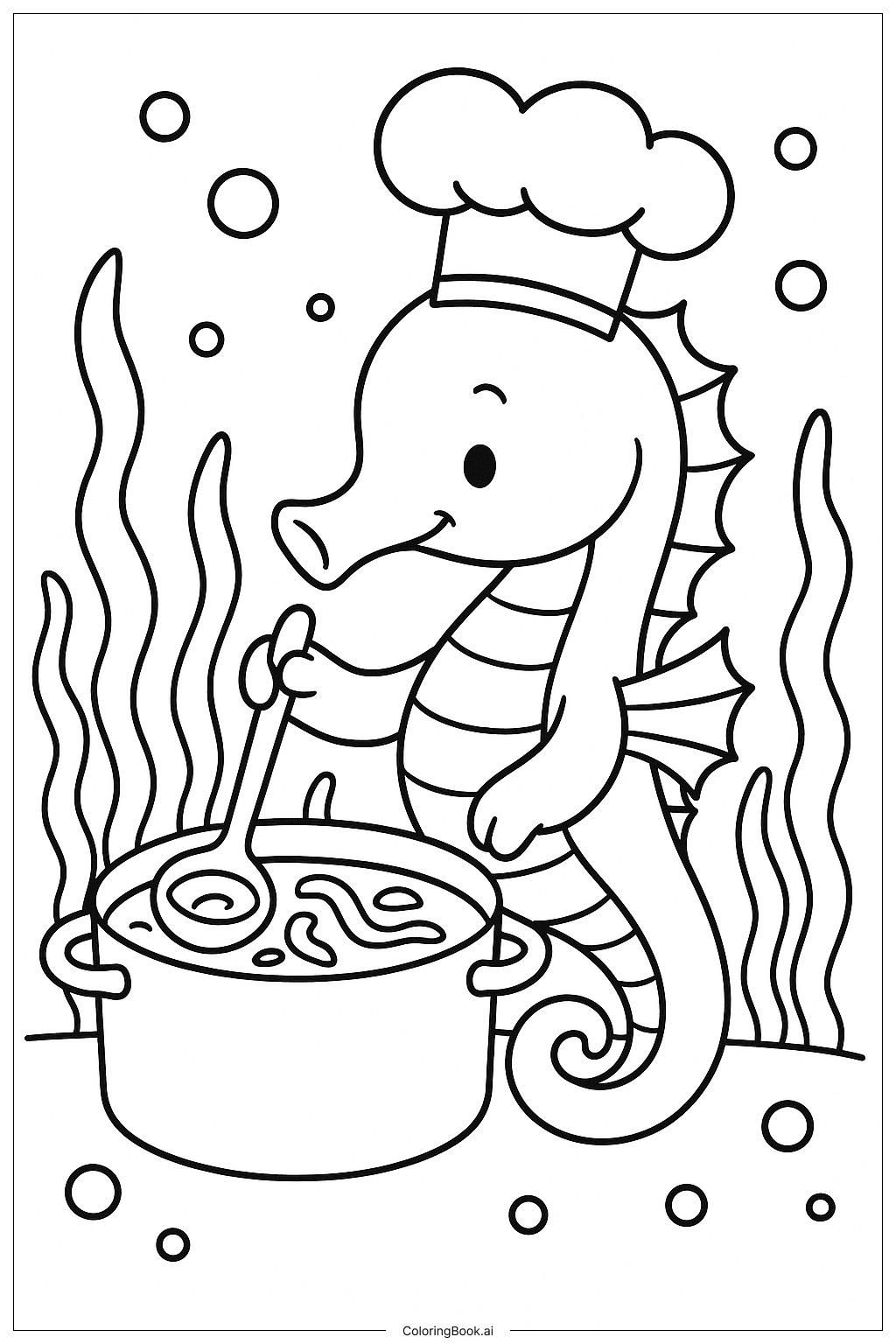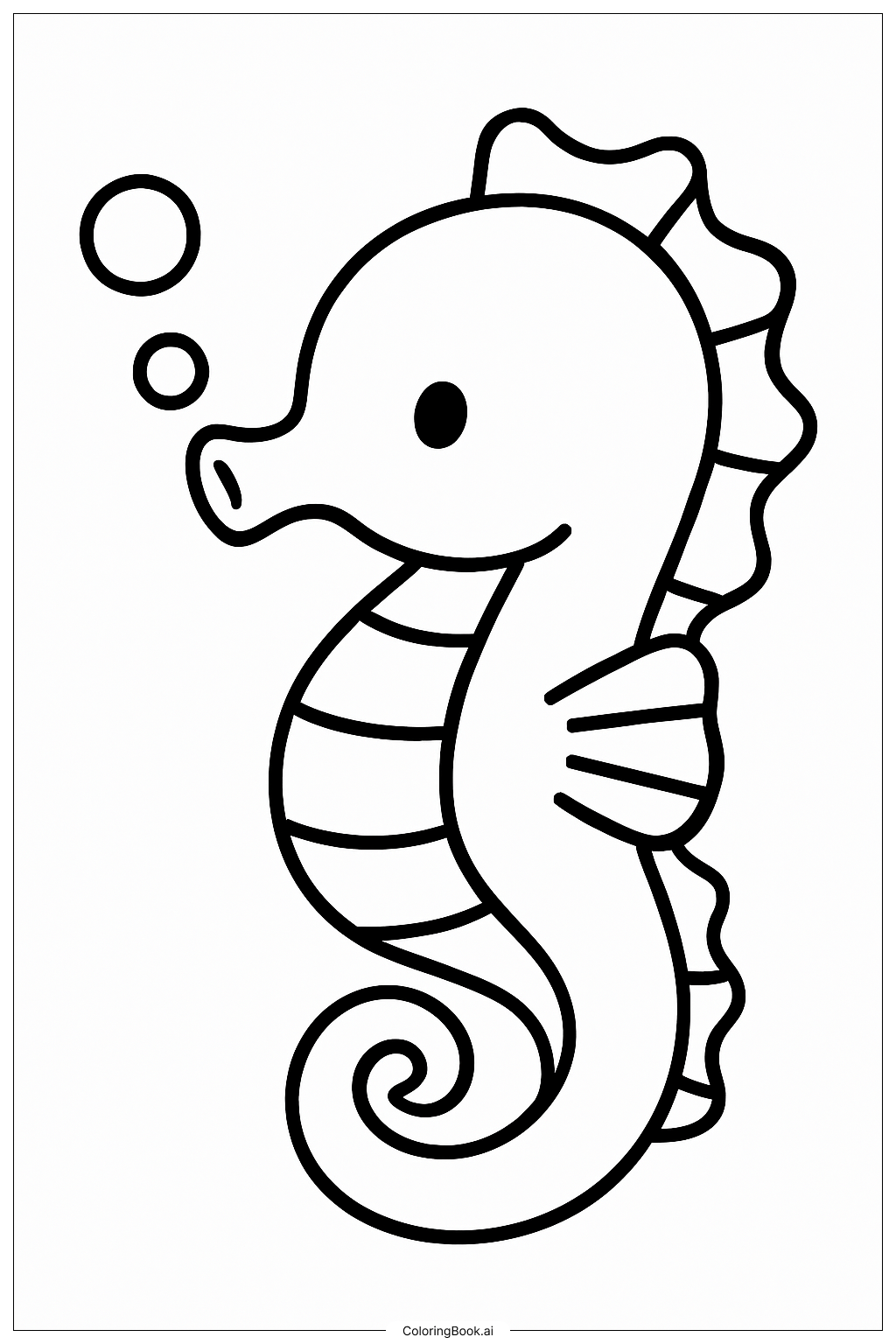
Coloring tips: How to color A Seahorse Blowing Tiny Bubbles coloring page well?
Try coloring the seahorse with warm shades like orange, yellow, and red to make it stand out. You can give the bubbles a light blue or white color to make them look shiny and transparent. The underwater plants and water currents can be colored in different shades of green and blue to create a calming background. To add depth, use darker colors on the spines and lighter colors on the smooth parts of the seahorse’s body. Don’t be afraid to use your imagination—seahorses can be colorful and magical! This coloring page is perfect for using crayons, colored pencils, or watercolors.
Coloring challenges: Which parts are difficult to color and need attention for A Seahorse Blowing Tiny Bubbles coloring page?
• Fine Details: The seahorse’s body includes many small spines and bumps that require careful coloring to keep them distinct and neat.
• Bubble Transparency: Coloring the tiny bubbles convincingly as transparent requires using very light shading and leaving white spaces.
• Curled Tail: The curled tail has overlapping parts that can be tricky to color so the shape looks natural and three-dimensional.
• Background Elements: The flowing underwater plants have thin, winding shapes that invite delicate coloring without smudging.
• Shading and Depth: Adding shadows on the seahorse’s body to convey its rounded shape may be challenging, especially for younger children who are still developing shading skills.
Benefits of coloring books: Advantages of drawing A Seahorse Blowing Tiny Bubbles coloring page
Coloring this seahorse picture helps children improve their fine motor skills as they work on small details like bubbles and spines. It encourages focus and patience due to the intricate patterns on the body. This image also sparks creativity by allowing children to choose their own colors for both the seahorse and underwater scene. Additionally, coloring underwater life can boost knowledge and interest about ocean creatures and their habitats. Lastly, the calm flow of the underwater elements promotes relaxation and mindfulness during coloring time.